Diacetyl Tartaric Acid Esters Of Mono-And Diglycerides
Diacetyl Tartaric Acid Esters of Mono- and Diglycerides, almost universally referred to by the acronym DATEM, is a synthetic food-grade emulsifier and dough conditioner. It is produced by esterifying mono- and diglycerides with diacetyl tartaric anhydride and is one of the most widely used dough strengtheners in modern industrial bakery production.
The material carries the European food additive code E472e and CAS number 100085-39-0. It is a complex mixture of mono-, di-, and polyesters of glycerol with tartaric, acetic, and fatty acids rather than a single chemical species, and comes as a waxy solid or free-flowing powder depending on the carrier and processing route.
We source bulk Diacetyl Tartaric Acid Esters Of Mono-And Diglycerides from top China manufacturers for our partners, working with several of them. The manufacturers are in Henan, Guangdong and Zhejiang. For this ingredient the minimum order is 500 kg and a 20-foot container takes 10.8 MT, and a smaller requirement can ship in a combined container with other ingredients.
Please send the grade you need, the volume and your destination port, and we will come back with a solution and a price.
or call +86-21-6858 0751
- Minimum order
- 500 kg
- Qty in 20' FCL
- 10.8 MT
- Packaging
- 25 kg kraft paper bag with PE inner liner
- ISO 9001
- HACCP
- Halal
- Kosher
Specifications
Grades / Types Available: Food Grade
| Item | Specification |
|---|---|
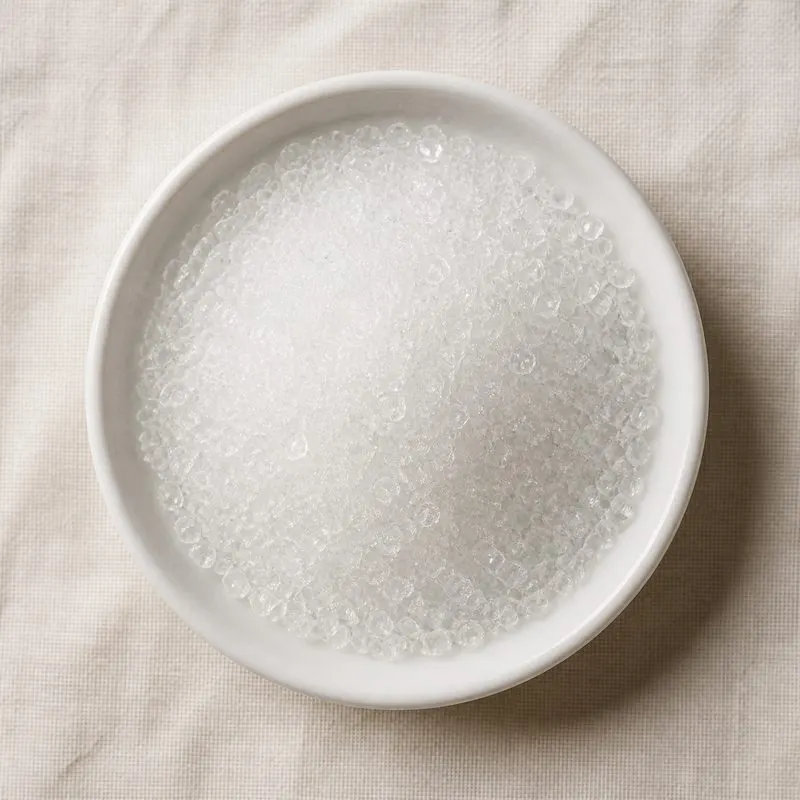
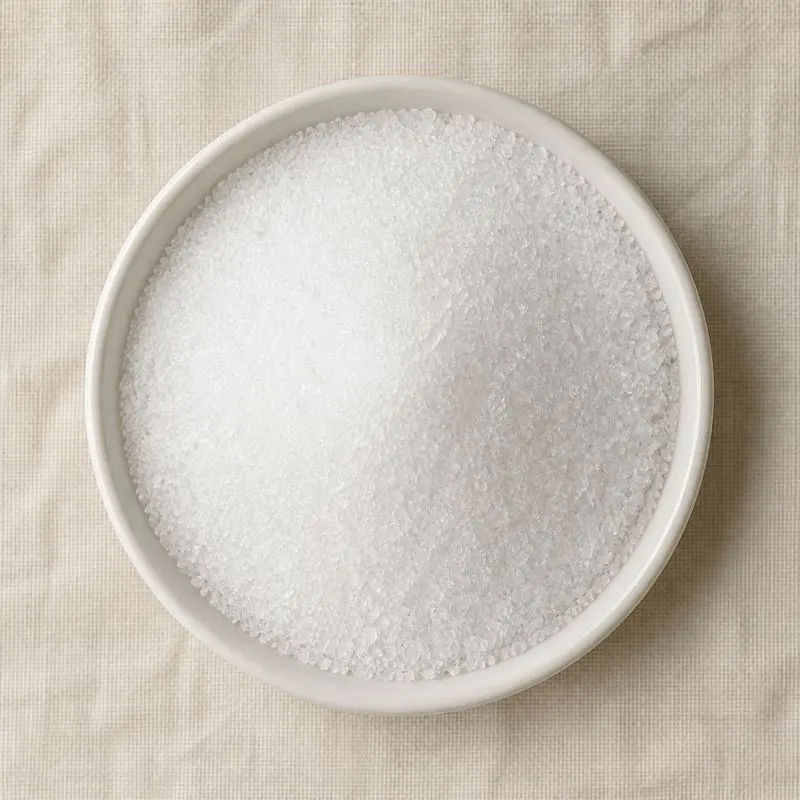
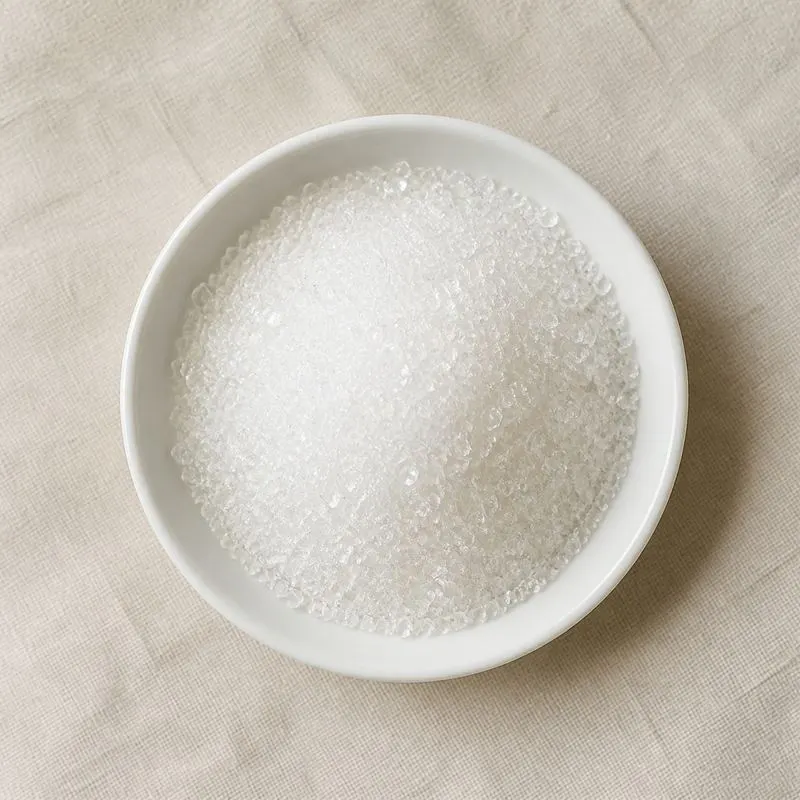
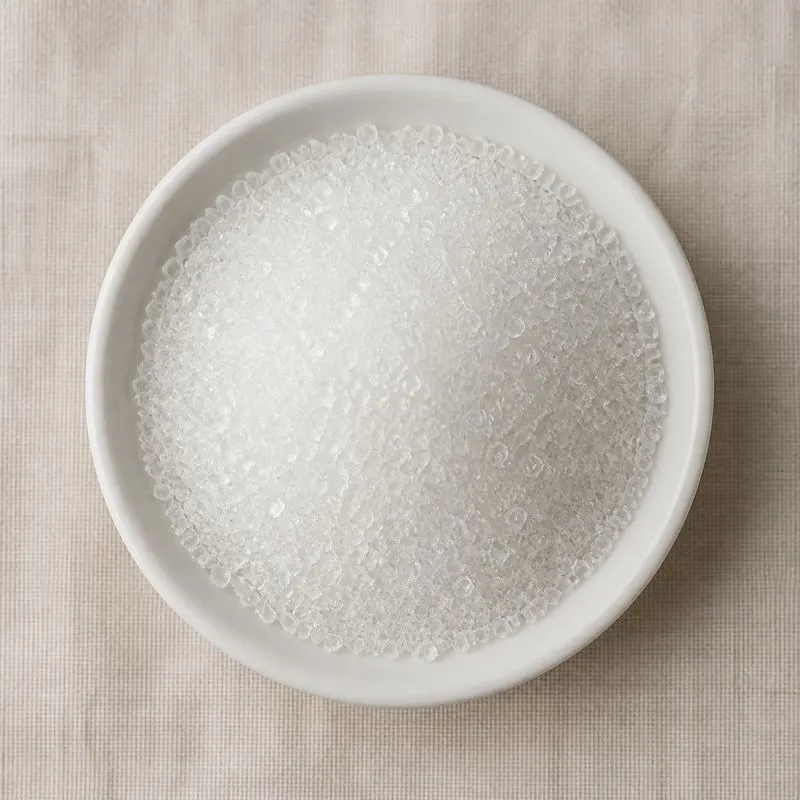
| Appearance | Yellow waxy solid or powder |
| Acid Value | 62-76 mg KOH/g |
| Saponification Value | 380-425 mg KOH/g |
| Total Tartaric Acid | 17-20% |
| Free Glycerol | ≤ 2.0% |
| Heavy Metals (as Pb) | ≤ 2 mg/kg |
| Arsenic | ≤ 3 mg/kg |
| Residue on ignition | ≤ 0.5 % |
| Total acetic acid | 8-32 % |
| Total glycerin | 11-28 % |
| Lead | ≤ 2 mg/kg |
Common Markets Grades
Several commercial formats of DATEM match different bakery process requirements.
Standard powdered DATEM is the most widely traded form. It is a free-flowing off-white powder, typically spray-cooled or chilled and milled from the molten ester. Particle size sits in the 100 to 200 mesh range with a melting point in the 43 to 50 degrees Celsius window, which suits direct addition to dry premixes and bakery improvers.
Plasticized or pastille DATEM takes the form of small lentil-shaped solids for systems that prefer a dust-free format. It performs identically to the powder once incorporated into a dough but reduces operator exposure to airborne fines on large lines.
Liquid or paste DATEM is produced dispersed in vegetable oil or in combination with other emulsifiers such as monoglycerides. These formats target continuous bread lines where pumpable emulsifier addition is preferred over solid handling.
Quality tiers are differentiated mainly by acid value (typically 60 to 80 mg KOH per gram for standard bakery grades) and by saponification value (380 to 425 mg KOH per gram). Higher acid value grades give stronger gluten interaction and are preferred for high-fibre, whole-grain, and frozen-dough applications.
Applications
- Dough conditioning in industrial pan bread, hamburger buns, and hot dog rolls
- Strengthening of gluten network in high-speed continuous bread lines
- Volume and crumb structure improvement in white sandwich bread
- Tolerance enhancement in frozen dough and par-baked bread systems
- Crumb softness and shelf-life extension in packaged bread
- Emulsification in cake mixes, especially high-ratio and sponge formulas
- Aeration aid in whipped toppings and cream fillings
- Dispersion of fat in croissant and laminated dough systems
- Crumb improvement in whole-grain, multigrain, and high-fibre breads
- Stability and texture in tortilla and flatbread production
- Anti-staling support in long shelf-life bakery products
- Coffee whitener and instant beverage powder emulsification
Brands Using Diacetyl Tartaric Acid Esters Of Mono-And Diglycerides
Widely-distributed consumer products that list Diacetyl Tartaric Acid Esters Of Mono-And Diglycerides on the ingredient label.
- Martin's Famous Potato RollsSandwich Potato Rolls ↗DATEM listed in 'Contains 2 Percent Or Less' section alongside other dough conditionersLabel verified 2026-05-24
- Martin's Famous Potato RollsSweet Dinner Potato Rolls ↗DATEM listed in 'Contains 2 Percent Or Less' sectionLabel verified 2026-05-24
Brand names, product names and logos are the property of their owners. They appear here as published evidence that the ingredient is used, taken from the brand's own label or website. Their appearance is not an endorsement, and it does not mean the brand buys from us or from any manufacturer listed on this site.
China Manufacturers of Diacetyl Tartaric Acid Esters Of Mono-And Diglycerides
Top Diacetyl Tartaric Acid Esters Of Mono-And Diglycerides manufacturers in China.
- Guangdong Cardlo Biotechnology Co., Ltd.10 ingredients in the directory
 Guangzhou Masson Science & Technology Industry Company Limited7 ingredients in the directory
 Henan Chemsino Industry Co., Ltd.7 ingredients in the directory
- Henan ZhengTong Food Technology Co., Ltd.1 ingredient in the directory
- Landfood Biotechnology (Henan) Co., Ltd.9 ingredients in the directory
 Zhejiang Golden Palm Technology Co., Ltd.12 ingredients in the directory
 Zhengzhou Dahe Food S&T Co., Ltd.6 ingredients in the directory
Company names and logos are the property of the manufacturers themselves. They are listed here because our own directory records them as producing this ingredient. A listing is not an endorsement by them, and we do not represent them or speak on their behalf.
How We Help Source Diacetyl Tartaric Acid Esters Of Mono-And Diglycerides
Direct Factory Sourcing
We run the whole process: selecting the manufacturer from the top Chinese food ingredient producers, negotiating the price, verifying quality, and coordinating the logistics. You deal with us instead of with several factories at once.
Original Packaging and Documents from the Manufacturer
The manufacturer sends your Diacetyl Tartaric Acid Esters Of Mono-And Diglycerides out of its own factory in the original packing, through to your destination port. The COA, COO, MSDS, TDS and any certifications reach you from the manufacturer as well.
Free Samples and Lead Time
We send 100 to 500 g free for your own laboratory to test and you cover only the courier, usually within 2 to 3 working days. ETD is usually within 7 to 15 days once the order is confirmed, and we check that date against the factory's own manufacturing schedule before we give it to you.
Combined Shipment
We can load Diacetyl Tartaric Acid Esters Of Mono-And Diglycerides together with other ingredients such as Calcium Acetate, Citric Acid and Glucono-Delta-Lactone into one 20' FCL. If your quantity is small, we can also ship LCL.
Regulatory Status
DATEM is approved as a food emulsifier in essentially every regulated market.
In the European Union, Regulation (EC) No 1333/2008 on food additives lists it under E472e. Permitted use levels are set by food category, with bread and bakery applications typically allowed at quantum satis up to defined ceiling levels.
The U.S. Food and Drug Administration regulates DATEM under 21 CFR 184.1101 as a generally recognized as safe (GRAS) substance for use as an emulsifier in baked goods, dough conditioners, coffee whiteners, and a defined list of other food categories. Use is limited by good manufacturing practice and by the conditions specified in the regulation.
JECFA has evaluated DATEM and confirmed its acceptability as a food emulsifier, with metabolism following the normal pathways for the constituent fatty acids, glycerol, tartaric acid, and acetic acid.
The Food Chemicals Codex (FCC) carries a monograph for diacetyl tartaric acid esters of mono- and diglycerides with specifications for acid value, saponification value, total tartaric acid content, and heavy metals. Equivalent specifications appear in national food additive standards in Japan, Australia, and Canada.
Halal and Kosher certifications are widely available, provided the source fat is of plant origin and the processing aids meet the relevant certifying body requirements. Non-GMO variants are produced from non-GMO soybean, sunflower, or rapeseed oil where the market requires them.
Manufacturing Process
DATEM is manufactured in a two-step esterification process under controlled temperature and inert atmosphere.
The first step is preparation of the mono- and diglyceride base. Refined vegetable oil (typically soybean, palm, sunflower, or rapeseed) is reacted with food-grade glycerol in a glycerolysis reaction at around 220 degrees Celsius in the presence of an alkaline catalyst. The resulting mixture is partial glycerides with a mono-content of 40 to 60 percent.
The second step is acylation with diacetyl tartaric anhydride, which is itself produced by reacting tartaric acid with acetic anhydride. The mono- and diglycerides are combined with the diacetyl tartaric anhydride at 60 to 80 degrees Celsius under nitrogen, with careful stoichiometric control to hit the target acid value and saponification value.
The molten ester mixture is then cooled, optionally blended with anti-caking carriers, and converted to the final physical format. Spray cooling on a chilled drum produces flakes, while pastilling on a rotating belt produces lentil-shaped solids. The finished material is packaged in moisture-barrier liners and shipped at controlled temperature to prevent softening during transit.