Glucono-Delta-Lactone
Glucono-Delta-Lactone is the intramolecular δ-lactone of D-gluconic acid, used as a slow-release acidulant, leavening acid, sequestrant, and coagulant in food, beverage, dairy, meat, and pharmaceutical formulations.
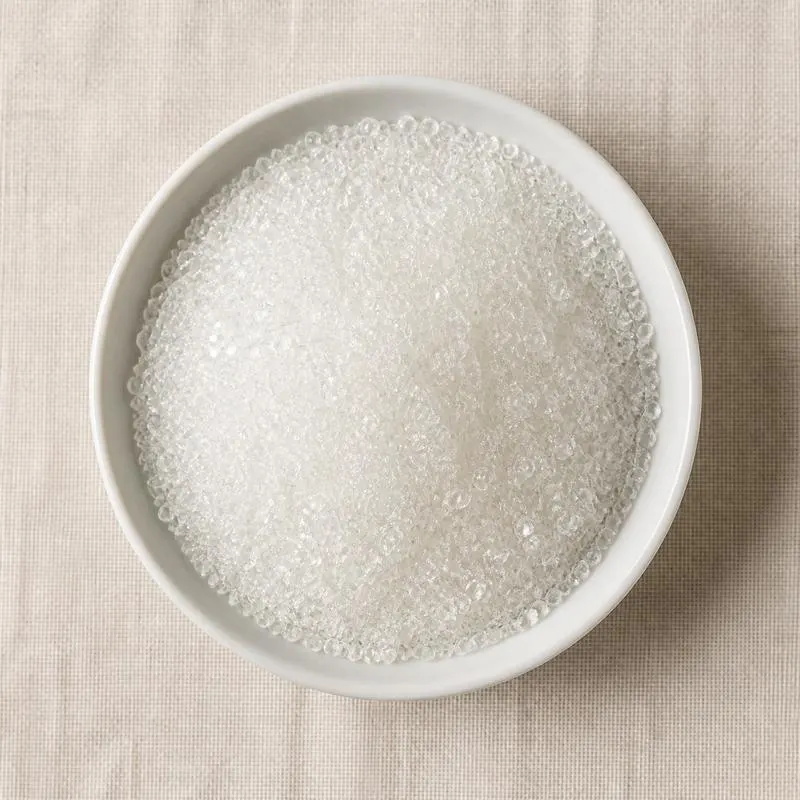
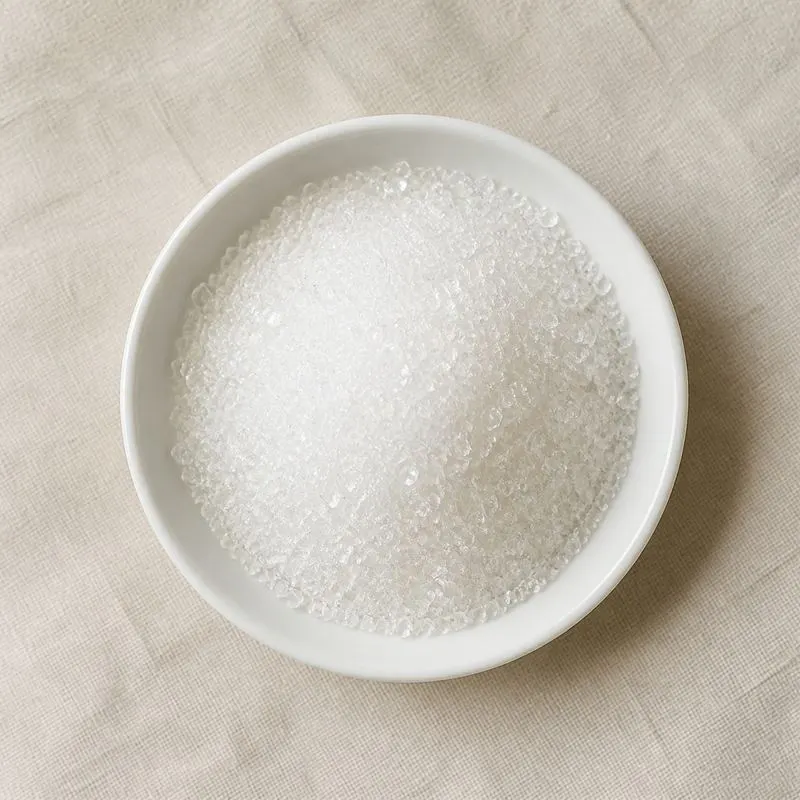
The molecule has the formula C₆H₁₀O₆ and a molar mass of 178.14 g/mol. In its solid form it is a near-neutral, mildly sweet crystalline powder, which sets it apart from the sharply sour mineral and carboxylic acidulants.
On contact with water, glucono-delta-lactone hydrolyses gradually to free D-gluconic acid, lowering the pH in a smooth, predictable curve. This time-delayed acidification is the property that defines its food and dairy applications.
We source bulk Glucono-Delta-Lactone from top China manufacturers for our partners, working with several of them. The manufacturers are mostly in Shandong, Anhui and Jiangsu. For this ingredient the minimum order is 1,000 kg and a 20-foot container takes 22 MT, and a smaller requirement can ship in a combined container with other ingredients.
Please send the grade you need, the volume and your destination port, and we will come back with a solution and a price.
or call +86-21-6858 0751
- Minimum order
- 1,000 kg
- Qty in 20' FCL
- 22 MT
- Packaging
- 25 kg galvanised drum, nitrogen blanketed
- ISO 9001
- HACCP
- Halal
- Kosher
Specifications
| Item | Specification |
|---|---|
| Appearance | White crystalline powder |
| Assay | 99.0–100.5% |
| Specific Rotation [α]20D | +61.5° to +63.5° |
| Melting Point | 152–153 °C |
| pH (1% sol, 30 min) | 3.4–3.8 |
| Loss on Drying | ≤1.0% |
| Reducing Substances | ≤0.5% |
| Chloride | ≤0.02% |
| Sulphate | ≤0.05% |
| Heavy Metals (as Pb) | ≤10 mg/kg |
| Arsenic | ≤3 mg/kg |
Common Markets Grades
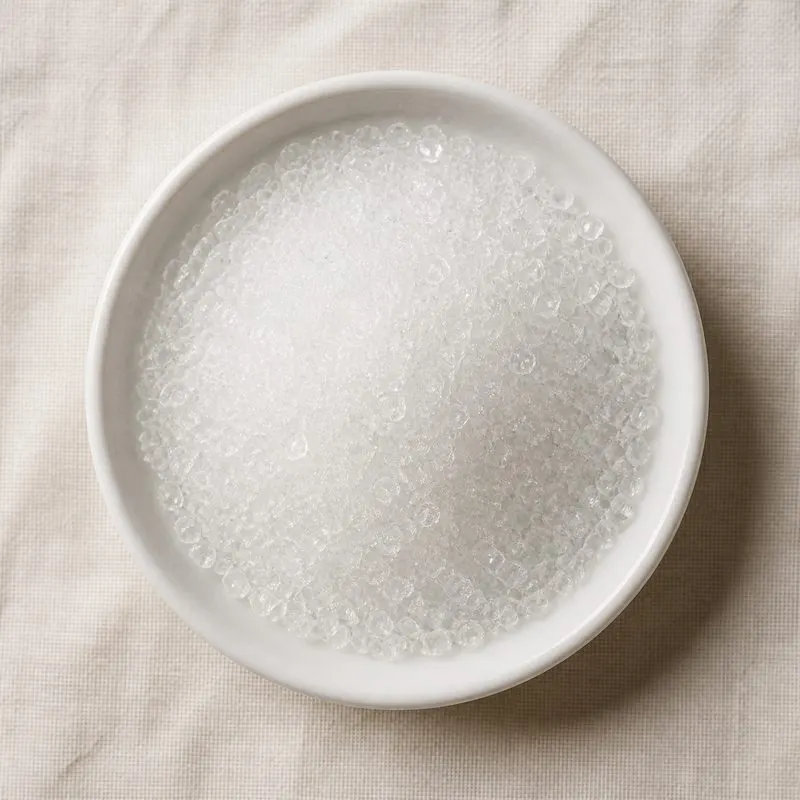
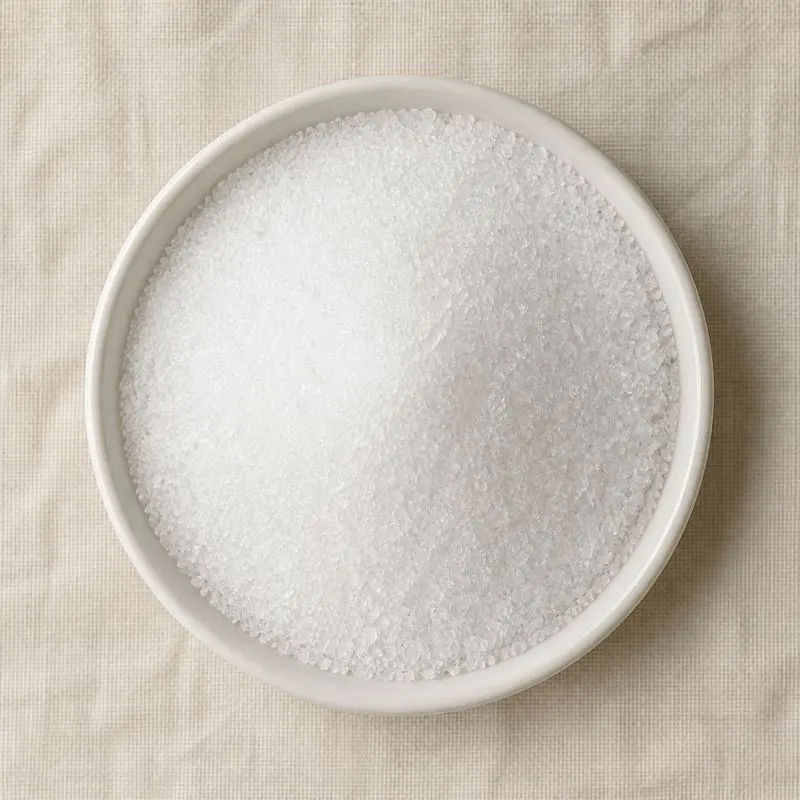
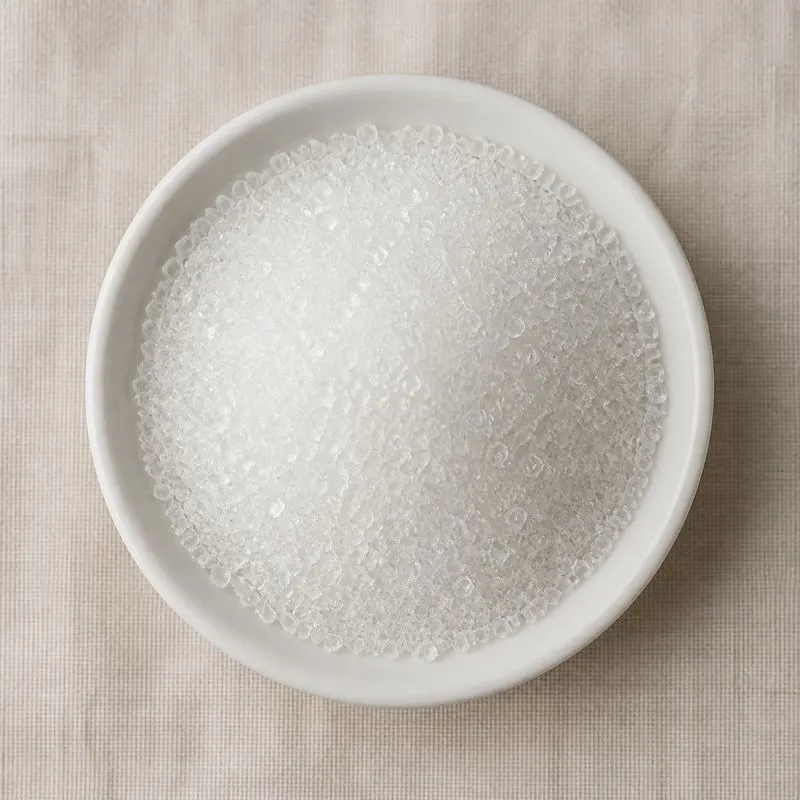
Glucono-Delta-Lactone assays at a minimum of 99 percent and is typically a fine to medium white crystalline powder, with defined limits on free gluconic acid, sulfated ash, heavy metals, and reducing substances.
Standard particle-size grades are fine powder (60 to 200 mesh) for dairy and pharmaceutical dosing, regular crystalline (30 to 80 mesh) for general food use, and coarse crystalline (20 to 50 mesh) where flow and low dust matter in dry-blend operations.
Food grade conforming to FCC and the JECFA specification covers most beverage, dairy, and meat applications. Pharmaceutical grade, meeting USP, Ph. Eur., BP, or JP requirements, is used in oral and topical formulations.
Storage conditions are critical: the lactone is hygroscopic, and exposure to humid air accelerates ring-opening to gluconic acid in the solid state. Commercial packaging therefore relies on moisture-barrier liners and recommended storage below 25 °C at low relative humidity.
Halal and Kosher certifications are routinely available, and the product is normally produced from non-animal substrates, making it acceptable in vegan formulations.
Applications
- Tofu coagulation as the principal acid coagulant for silken and soft tofu, replacing or supplementing calcium sulphate
- Cured and fermented meats (dry sausages, semi-dry sausages, raw fermented hams) as a controlled-acidification agent that lowers pH during the cure
- Fresh cheese and quark production as a slow acidulant in direct-acid setting
- Chemical leavening blends for refrigerated dough, biscuits, and pancake mixes, where slow CO₂ release is desired
- Pickling and brine formulations for controlled pH descent
- Beverage premixes and powdered drink mixes for a mild, non-sharp acid note
- Feta-style and panela-type cheeses where partial direct acidification is used
- Dairy desserts and panna cotta-style preparations for gentle acid set
- Pharmaceutical effervescent tablets in combination with bicarbonate for low-irritation CO₂ release
- Topical cosmetic formulations as a mild exfoliant and chelating agent
- Cleaning chemistry and dairy CIP systems as a non-corrosive sequestrant for calcium and iron
- Concrete admixture chemistry as a set retarder
Brands Using Glucono-Delta-Lactone
Widely-distributed consumer products that list Glucono-Delta-Lactone on the ingredient label.
- Mori-Nu (Morinaga Nutritional Foods)Silken Soft Tofu ↗Ingredients: Water, Soybeans, Glucono-Delta-Lactone, Calcium ChlorideLabel verified 2026-05-24
- Mori-Nu (Morinaga Nutritional Foods)Silken Extra Firm Tofu ↗Ingredients: Water, Soybeans, Soy Protein Isolate, Glucono-Delta-Lactone, Calcium ChlorideLabel verified 2026-05-24
- House FoodsPremium Tofu Soft (Silken) ↗Ingredients: Water, Soybeans, Calcium Sulfate, Glucono Delta LactoneLabel verified 2026-05-24
- House FoodsOrganic Tofu Soft ↗Ingredients: Water, Organic Soybeans, Calcium Sulfate, Glucono Delta LactoneLabel verified 2026-05-24
- Wildwood (Pulmuone)Organic Silken Tofu (Sproutofu) ↗Ingredients: Water, Organic Soybeans; <2% Glucono Delta Lactone, Calcium Sulfate, Magnesium ChlorideLabel verified 2026-05-24
Brand names, product names and logos are the property of their owners. They appear here as published evidence that the ingredient is used, taken from the brand's own label or website. Their appearance is not an endorsement, and it does not mean the brand buys from us or from any manufacturer listed on this site.
China Manufacturers of Glucono-Delta-Lactone
Top Glucono-Delta-Lactone manufacturers in China.
 Anhui Xingzhou Pharma Co., Ltd.1 ingredient in the directory
 Jiangsu Huanyu Kangli Technology Co., Ltd.3 ingredients in the directory
 Shadnong Fuyang Bio-tech.Co., Ltd.7 ingredients in the directory
- Shandong Fuyang Biotechonlogy Co., Ltd.6 ingredients in the directory
 Shandong Xinhong Pharmaceutical Co., Ltd.9 ingredients in the directory
 Shandong Zhongxing Food Technology Co., Ltd.8 ingredients in the directory
- Shanghai LuoLuo Food Technology Co., Ltd.3 ingredients in the directory
 Zhejiang Tianyi Food Additives Co., Ltd.10 ingredients in the directory
Company names and logos are the property of the manufacturers themselves. They are listed here because our own directory records them as producing this ingredient. A listing is not an endorsement by them, and we do not represent them or speak on their behalf.
How We Help Source Glucono-Delta-Lactone
Direct Factory Sourcing
We run the whole process: selecting the manufacturer from the top Chinese food ingredient producers, negotiating the price, verifying quality, and coordinating the logistics. You deal with us instead of with several factories at once.
Original Packaging and Documents from the Manufacturer
The manufacturer sends your Glucono-Delta-Lactone out of its own factory in the original packing, through to your destination port. The COA, COO, MSDS, TDS and any certifications reach you from the manufacturer as well.
Free Samples and Lead Time
We send 100 to 500 g free for your own laboratory to test and you cover only the courier, usually within 2 to 3 working days. ETD is usually within 7 to 15 days once the order is confirmed, and we check that date against the factory's own manufacturing schedule before we give it to you.
Combined Shipment
We can load Glucono-Delta-Lactone together with other ingredients such as Calcium Acetate, Citric Acid and Lactic Acid into one 20' FCL. If your quantity is small, we can also ship LCL.
Regulatory Status
Glucono-Delta-Lactone is broadly permitted as a food additive worldwide, with use guided by good manufacturing practice rather than strict numerical limits.
In the European Union Regulation (EC) No 1333/2008 lists it as E575 and authorises it in numerous food categories, including processed meat, dairy analogues, bakery wares, and condiments, generally at quantum satis.
The U.S. Food and Drug Administration affirms glucono-delta-lactone as Generally Recognized as Safe under 21 CFR 184.1318 for use as a leavening agent, sequestrant, and pH-control agent. Additional 21 CFR provisions cover its use in cured-meat formulations.
JECFA has evaluated glucono-delta-lactone together with gluconic acid and the gluconate salts and placed them in the ADI 'not specified' category, recognising the rapid metabolism of gluconate through normal carbohydrate pathways.
Monographs appear in the United States Pharmacopeia (USP) under D-Gluconic Acid δ-Lactone, the European Pharmacopoeia (Ph. Eur.), the Japanese Pharmacopoeia (JP), and the Food Chemicals Codex (FCC). Halal and Kosher certifications are routinely available on glucose-derived material.
Manufacturing Process
Glucono-Delta-Lactone is produced industrially in two stages: aerobic fermentation of glucose to gluconic acid, followed by controlled dehydrative lactonization.
The fermentation step uses the bacterium Gluconobacter oxydans or selected Aspergillus niger strains, grown aerobically on a sterilised glucose solution. The enzyme glucose oxidase (in the fungal route) or membrane-bound glucose dehydrogenase (in the bacterial route) oxidises the anomeric carbon of glucose to give D-glucono-1,5-lactone, which equilibrates in solution with free gluconic acid.
The fermentation broth is filtered to remove biomass, neutralised briefly if necessary, and then acidified and concentrated to yield a high-purity gluconic acid solution. Decolorisation over activated carbon and ion-exchange polishing are used to meet food and pharmaceutical specifications.
To recover the lactone, the concentrated gluconic acid solution is dehydrated under carefully controlled temperature and pH so that the open-chain acid recyclizes preferentially to the δ-lactone form rather than the γ-lactone. Crystallisation, centrifugation, and low-temperature vacuum drying give the finished free-flowing powder.