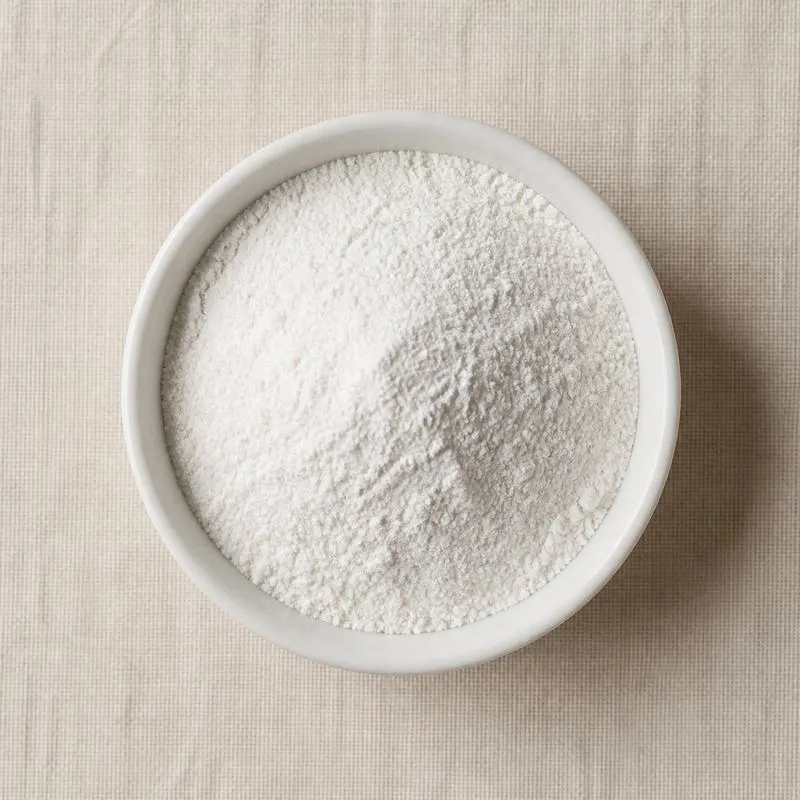
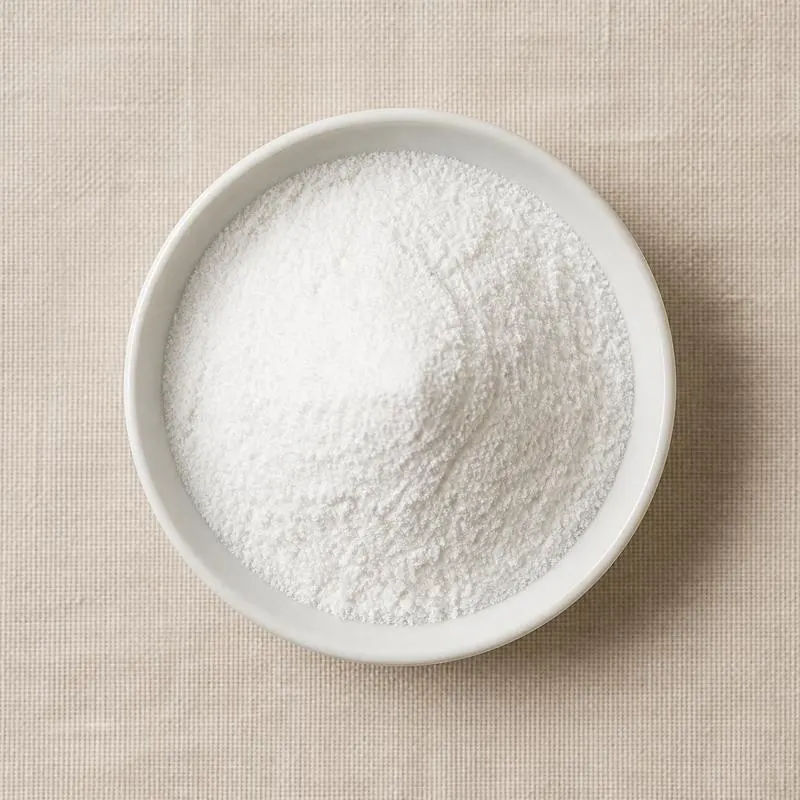
Ammonium Sulphate
Ammonium Sulphate is the salt of ammonia and sulphuric acid, with formula (NH₄)₂SO₄.
It is one of the oldest and highest-volume nitrogen fertilizers and also serves as a yeast nutrient in baking and brewing, a protein-precipitation reagent in biochemistry, and an adjuvant in pesticide spray tank mixes.
We source bulk Ammonium Sulphate from top China manufacturers for our partners. The manufacturer is in Jiangsu. A smaller requirement can ship in a combined container with other ingredients.
Please send the grade you need, the volume and your destination port, and we will come back with a solution and a price.
or call +86-21-6858 0751
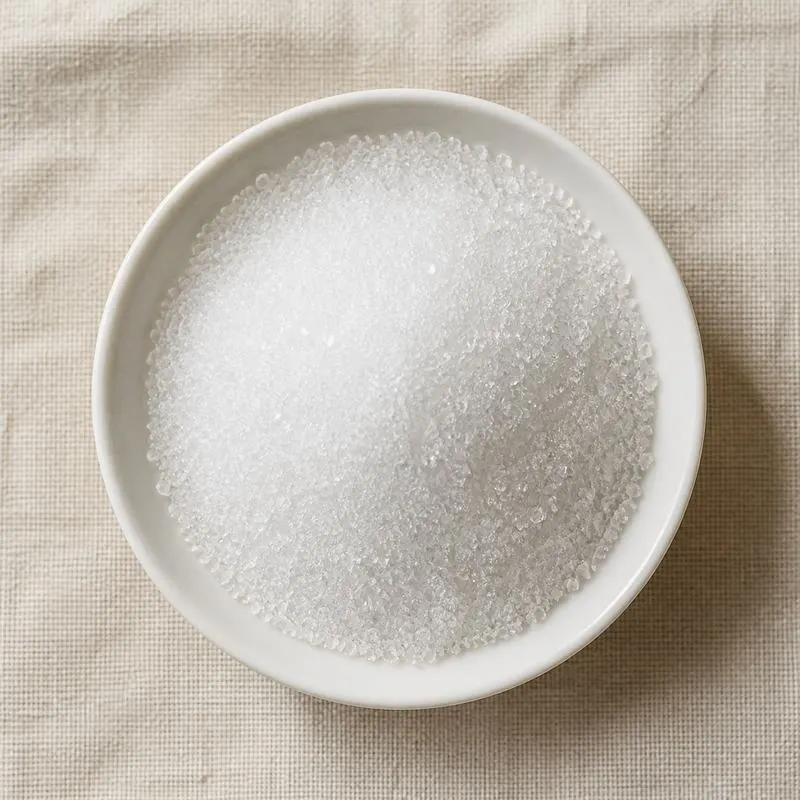
- Packaging
- 25 kg kraft paper bag with PE inner liner
- ISO 9001
- HACCP
- Halal
- Kosher
Specifications
Grades / Types Available: Food Grade
| Item | Specification |
|---|---|
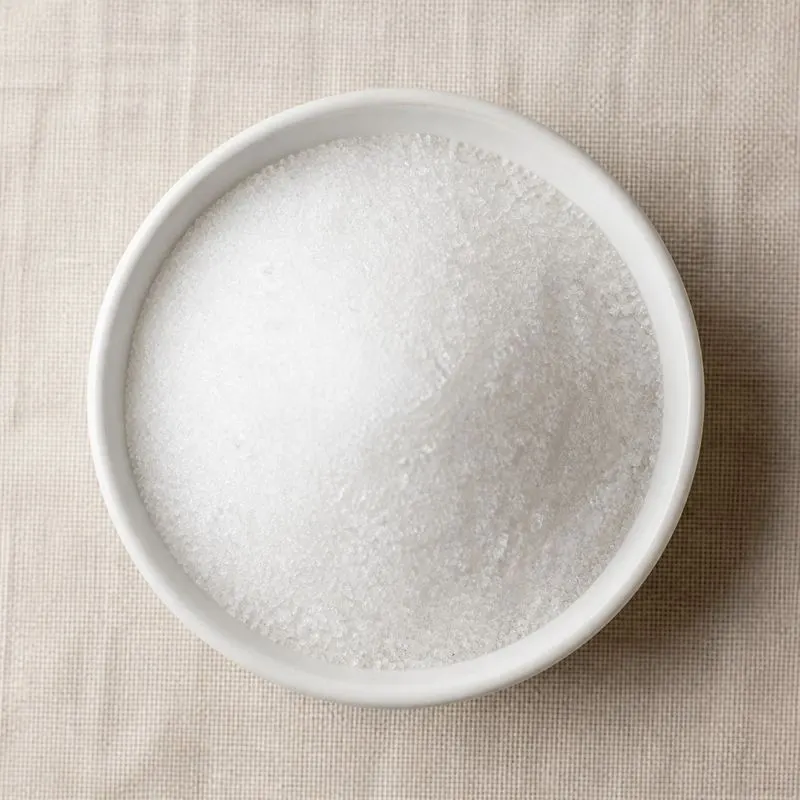
| Appearance | White crystalline granules |
| Assay | ≥ 99.0% |
| Nitrogen | ≥ 21.0% |
| Moisture | ≤ 0.2% |
| Residue on Ignition | ≤ 0.25% |
| Heavy Metals (as Pb) | ≤ 5 mg/kg |
| Arsenic | ≤ 3 mg/kg |
| Content | 99.0-100.5% |
| Ignition Residue | ≦0.25% |
| Se | ≦0.003% |
| Pb | ≦0.0003% |
| As | ≦0.0003% |
Common Markets Grades
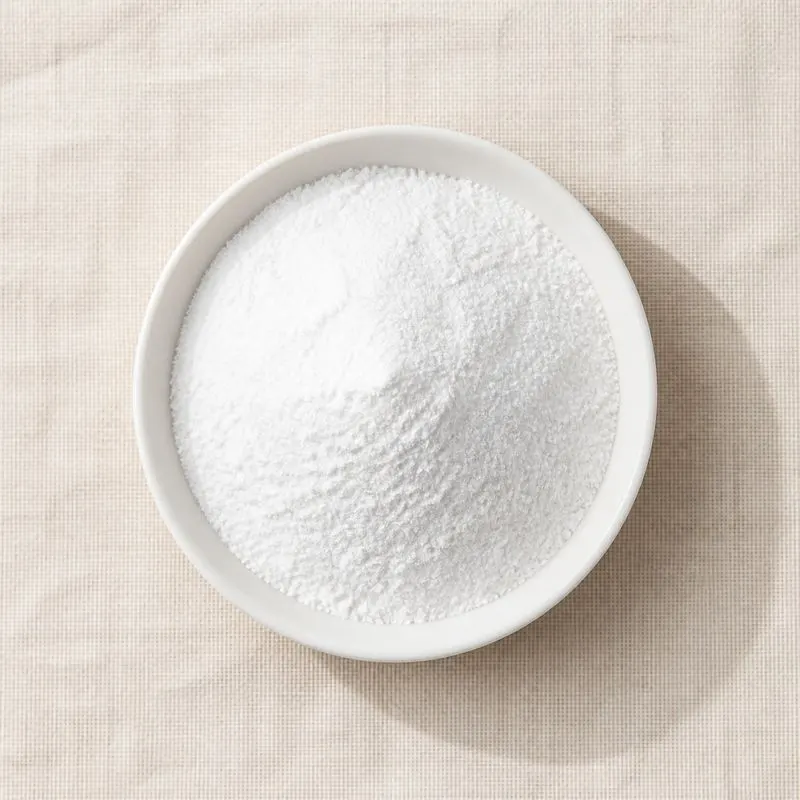
Fertilizer-grade material accounts for the dominant share of global output. It is a crystalline, granular, or compacted product with a nitrogen guarantee of 21 percent N and a sulphur guarantee of 24 percent S.
Granular ammonium sulphate, typically produced by compaction or crystal growth in a forced-circulation crystalliser, is preferred for blending with urea and potash for bulk-blended fertilizer programs. Crystalline grades dominate fertigation and water-soluble fertilizer use.
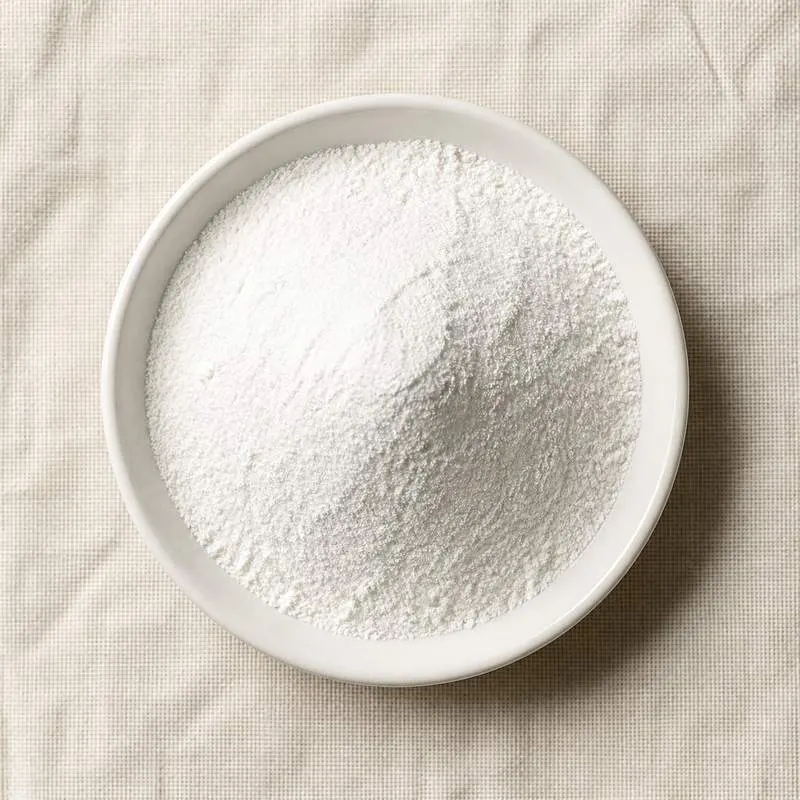
Food-grade material meets the FCC monograph at 99 percent minimum assay and is a fine crystalline powder with low heavy-metal content. It is the form used for bakery yeast nutrition and dough conditioning.
Analytical and biochemistry grades reach 99.5 percent and above, with low endotoxin and protease-free options for protein-precipitation work.
Applications
- Granular and compacted nitrogen-sulphur fertilizer for cereals, oilseeds, and pasture
- Crystalline fertilizer for water-soluble blends, fertigation, and foliar sprays
- Acid-forming amendment for high-pH calcareous soils
- Adjuvant in glyphosate and other herbicide tank mixes to overcome hard-water antagonism
- Yeast nutrient in industrial baker's-yeast propagation and in artisanal bread doughs
- Brewing and wine yeast nutrient where free amino nitrogen needs supplementation
- Protein precipitation and salting-out chromatography in biochemistry laboratories
- Flame retardant in textiles, paper, and forest-fire suppressants
- Component in electrolyte baths for electroplating and electrorefining
- Tanning bath additive in leather processing
Brands Using Ammonium Sulphate
Widely-distributed consumer products that list Ammonium Sulphate on the ingredient label.
- Wonder BreadWonder Giant Sandwich White Bread ↗Ingredient panel lists ammonium sulphate as a yeast nutrient/dough conditioner in Wonder Giant white sandwich bread.Label verified 2026-05-24
- Wonder BreadWonder Bread 100% Whole Wheat ↗Whole wheat Wonder Bread varieties include ammonium sulphate as a yeast food/dough strengthener.Label verified 2026-05-24
- Sara LeeSara Lee Soft & Smooth Whole Grain White Bread ↗Ingredient list for Sara Lee Soft & Smooth Whole Grain White includes ammonium sulphate as a yeast nutrient.Label verified 2026-05-24
- Sara LeeSara Lee 100% Whole Wheat Bread ↗Sara Lee 100% Whole Wheat lists ammonium sulphate among its dough conditioner/yeast nutrient ingredients.Label verified 2026-05-24
Brand names, product names and logos are the property of their owners. They appear here as published evidence that the ingredient is used, taken from the brand's own label or website. Their appearance is not an endorsement, and it does not mean the brand buys from us or from any manufacturer listed on this site.
China Manufacturers of Ammonium Sulphate
Top Ammonium Sulphate manufacturers in China.
Company names and logos are the property of the manufacturers themselves. They are listed here because our own directory records them as producing this ingredient. A listing is not an endorsement by them, and we do not represent them or speak on their behalf.
How We Help Source Ammonium Sulphate
Direct Factory Sourcing
We run the whole process: selecting the manufacturer from the top Chinese food ingredient producers, negotiating the price, verifying quality, and coordinating the logistics. You deal with us instead of with several factories at once.
Original Packaging and Documents from the Manufacturer
The manufacturer sends your Ammonium Sulphate out of its own factory in the original packing, through to your destination port. The COA, COO, MSDS, TDS and any certifications reach you from the manufacturer as well.
Free Samples and Lead Time
We send 100 to 500 g free for your own laboratory to test and you cover only the courier, usually within 2 to 3 working days. ETD is usually within 7 to 15 days once the order is confirmed, and we check that date against the factory's own manufacturing schedule before we give it to you.
Combined Shipment
We can load Ammonium Sulphate together with other ingredients such as Sodium Acetate, Calcium Citrate and Sodium Lactate into one 20' FCL. If your quantity is small, we can also ship LCL.
Regulatory Status
Ammonium Sulphate is approved as a food additive in the European Union under E517.
In the United States it is Generally Recognized as Safe under 21 CFR 184.1143 for use as a dough strengthener and yeast food, with typical use levels controlled by good manufacturing practice.
Pharmacopoeial monographs appear in USP, Ph. Eur., and JP, primarily reflecting its role as a precipitation and chromatography reagent in biopharmaceutical manufacture.
As a fertilizer, the salt is regulated under Regulation (EU) 2019/1009 on fertilizing products in the European Union and under state-level fertilizer labelling laws administered by AAPFCO in the United States. It is also a listed precursor under various explosives-control regimes because ammonium-based salts can be diverted to non-agricultural use, and shipments above defined thresholds may require reporting.
Halal and Kosher certifications are routinely available for the food-grade material.
Manufacturing Process
Three industrial routes account for the great majority of global supply.
The direct neutralisation route reacts gaseous ammonia with sulphuric acid in a saturator or pipe reactor. The reaction is strongly exothermic and the heat of neutralisation is used to evaporate water from the resulting solution, which crystallises the salt continuously. This route is favored where merchant ammonia and sulphuric acid are available at competitive cost.
The caprolactam co-product route generates ammonium sulphate as a byproduct of the Beckmann rearrangement step in nylon-6 manufacture. Each tonne of caprolactam produces roughly 1.5 to 4 tonnes of ammonium sulphate, depending on process configuration. This output is large enough to set the going price in many regions.
The flue-gas desulfurization route recovers SO₂ from coke-oven gas or coal-fired power plant flue gas using ammonia as the absorbent. The resulting ammonium sulphite is oxidised to sulphate and crystallised. This route is significant in China.
The largest producers are spread across China, Western Europe (caprolactam plants), and North America.