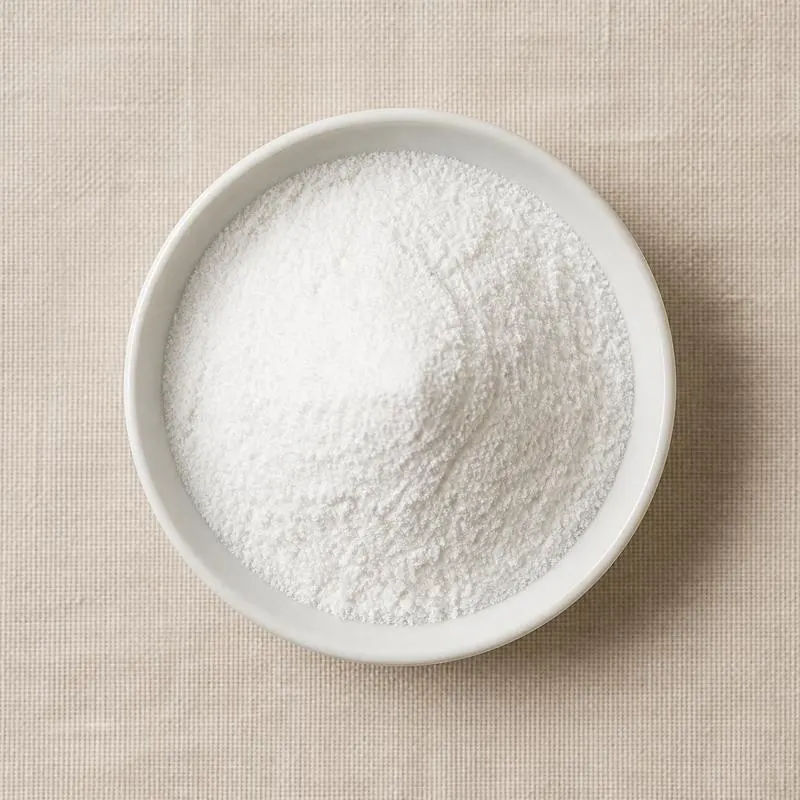
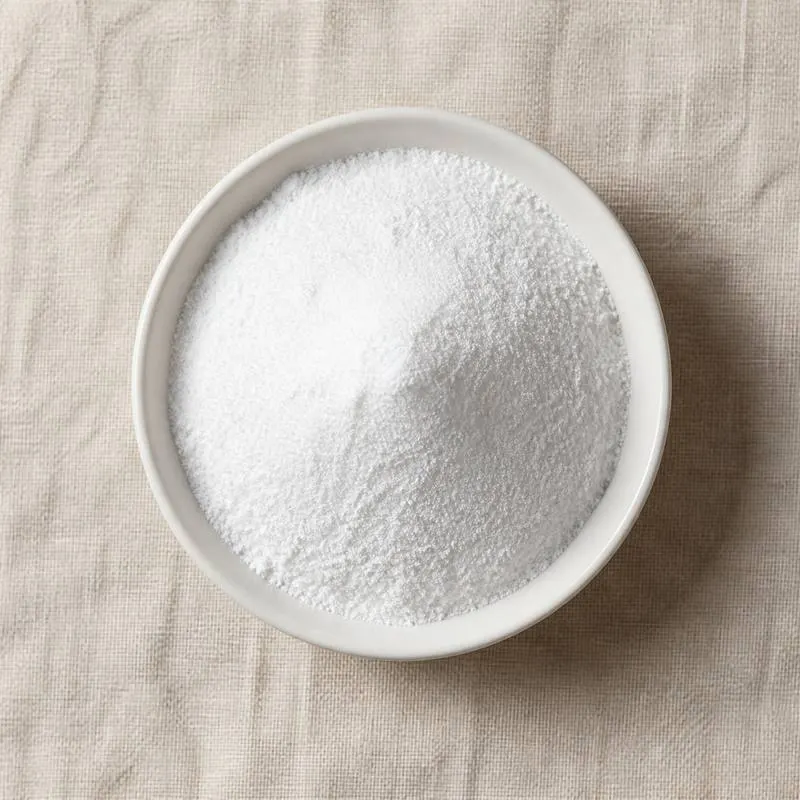
Calcium Citrate
Calcium Citrate is the calcium salt of citric acid, sold most commonly as the tetrahydrate of tricalcium dicitrate (Ca₃(C₆H₅O₇)₂·4H₂O, CAS 813-94-5). It supplies roughly 21 percent elemental calcium and dissolves more readily than the carbonate at neutral or low-acid gastric pH.
The salt is favored for fortification of low-acid beverages and for supplement use in older adults or patients on acid-suppressing therapy, since absorption does not depend on a strongly acidic stomach.
We source bulk Calcium Citrate from top China manufacturers for our partners, working with several of them. The manufacturers are mostly in Jiangsu, Shandong and Guangxi. For this ingredient the minimum order is 500 kg and a 20-foot container takes 17 MT, and a smaller requirement can ship in a combined container with other ingredients.
Please send the grade you need, the volume and your destination port, and we will come back with a solution and a price.
or call +86-21-6858 0751
- Minimum order
- 500 kg
- Qty in 20' FCL
- 17 MT
- Packaging
- 25 kg kraft paper bag with PE inner liner
- ISO 9001
- HACCP
- Halal
- Kosher
Specifications
| Item | Specification |
|---|---|
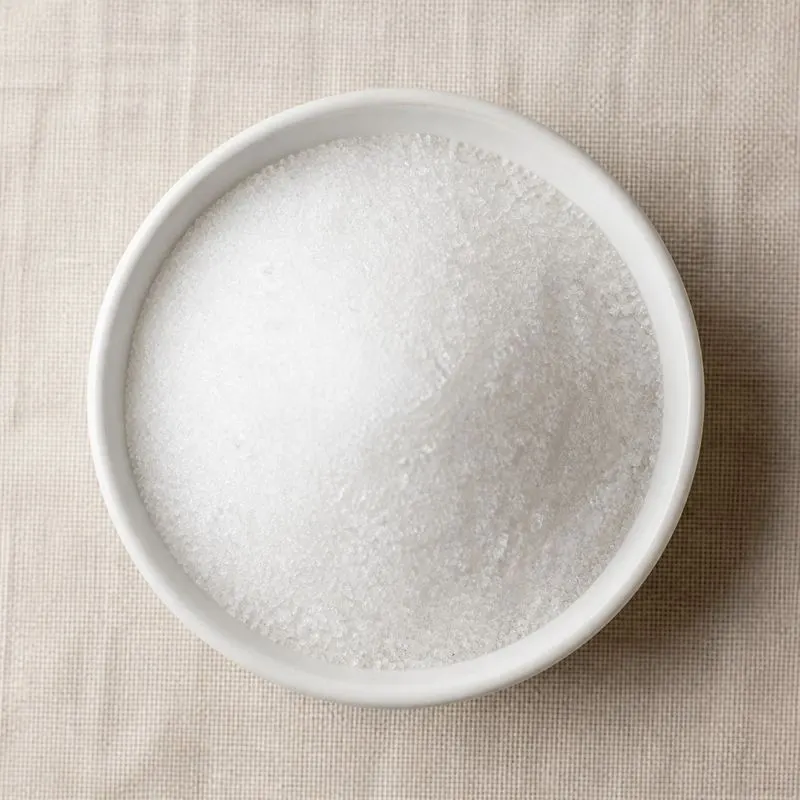
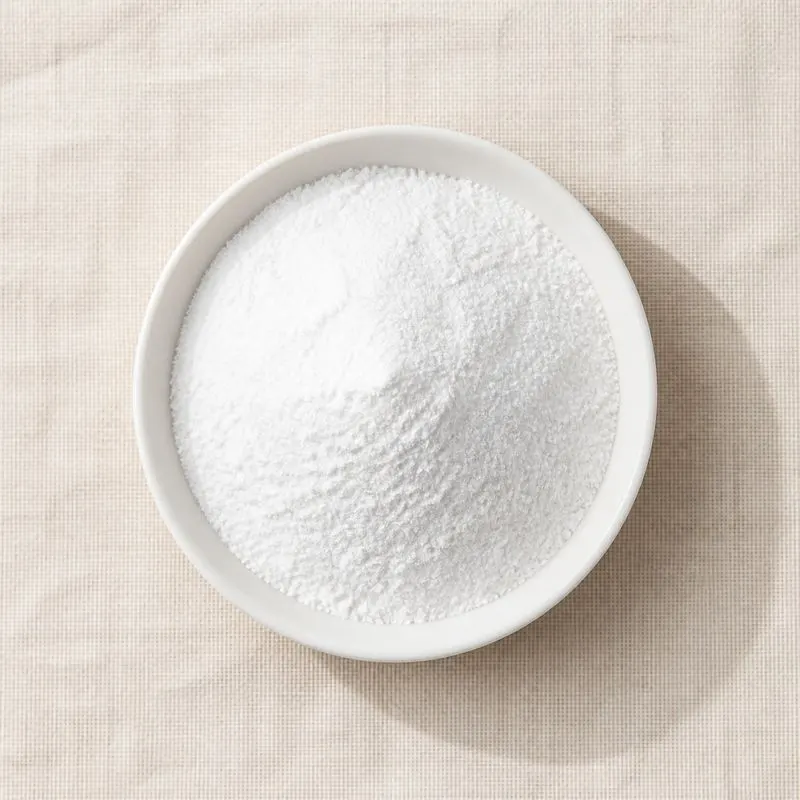
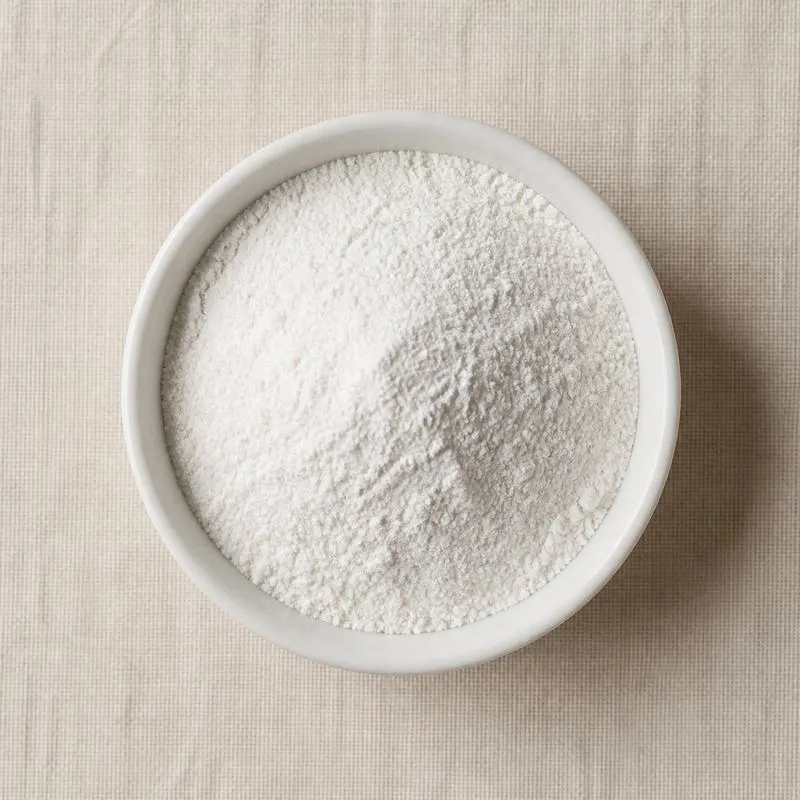
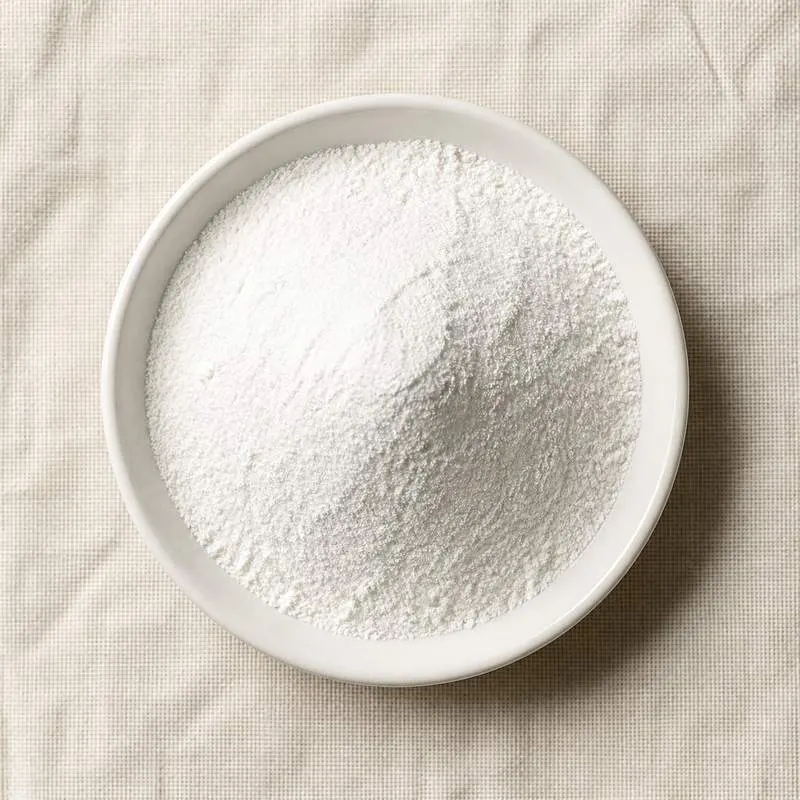
| Appearance | White odorless crystalline or granular powder |
| Assay (dry basis) | 97.5% to 100.5% |
| Calcium content | 20.0% to 22.0% |
| Loss on drying (tetrahydrate) | 10.0% to 14.0% |
| pH (saturated solution) | 7.0 to 9.0 |
| Fluoride | ≤ 30 mg/kg |
| Chloride | ≤ 0.05% |
| Sulfate | ≤ 0.1% |
| Heavy metals (as Pb) | ≤ 3 mg/kg |
| Arsenic | ≤ 2 mg/kg |
| Total plate count | ≤ 1000 CFU/g |
| Particle size | Per customer specification |
Common Markets Grades
Calcium Citrate trades in two forms, tetrahydrate and anhydrous, with particle-size and bulk-density variants tailored to the dosage format.
Standard tetrahydrate powder (USP/FCC) is the standard grade for chewable tablets, capsules, and softgels. Fine-mesh grades support direct compression of high-dose calcium tablets without the chalky mouthfeel of carbonate.
Granular and agglomerated grades give improved flow and lower dusting on high-speed tableting lines. Beverage-grade material is specified for low turbidity and rapid dispersion in fortified juices and protein drinks.
Food-grade Calcium Citrate also meets Food Chemicals Codex specifications, with controls on lead, arsenic, and oxalate impurities.
Applications
- Dietary calcium supplements in tablet, softgel, and chewable formats
- Calcium fortification of orange juice, plant-based milks, and protein beverages
- Bone-health combination products with vitamin D, magnesium, and vitamin K2
- Pediatric and geriatric calcium formulations where stomach acid output is reduced
- Effervescent calcium tablets paired with citric or ascorbic acid
- Buffering and sequestrant in soft drinks and flavoured waters
- Firming agent in canned vegetables, jams, and jellies
- Calcium source in medical nutrition and clinical enteral feeds
- Texture and mineral support in cottage cheese and processed dairy products
- Dough conditioner in specialty bakery applications for crumb structure
- Phosphate-binding aid in renal-formulated nutritional products
Brands Using Calcium Citrate
Widely-distributed consumer products that list Calcium Citrate on the ingredient label.
- Haleon (Citracal)Citracal Maximum Plus ↗Citracal Maximum Plus product page: 650 mg calcium per serving in the form of calcium citrate, plus 1000 IU vitamin D3.Label verified 2026-05-24
- Haleon (Citracal)Citracal Petites ↗Citracal Petites product page: 400 mg calcium per serving in the form of calcium citrate plus 500 IU vitamin D3.Label verified 2026-05-24
- NOW FoodsNOW Calcium Citrate Pure Powder ↗NOW Calcium Citrate Pure Powder product page states calcium is complexed with citric acid for enhanced solubility; no other ingredients.Label verified 2026-05-24
- NOW FoodsNOW Calcium Citrate Tablets ↗NOW Calcium Citrate Tablets product page lists calcium citrate as the readily absorbed form of calcium plus D3, Mg, Zn, Cu, Mn.Label verified 2026-05-24
- SolgarSolgar Calcium Citrate with Vitamin D3 Tablets ↗Tablets supplying calcium as calcium citrate, with vitamin D3.Label verified 2026-05-24
- Bluebonnet NutritionBluebonnet Calcium Citrate & Vitamin D3 Caplets ↗Bluebonnet product page lists calcium citrate as the calcium source with vitamin D3 for bone support.Label verified 2026-05-24
Brand names, product names and logos are the property of their owners. They appear here as published evidence that the ingredient is used, taken from the brand's own label or website. Their appearance is not an endorsement, and it does not mean the brand buys from us or from any manufacturer listed on this site.
China Manufacturers of Calcium Citrate
Top Calcium Citrate manufacturers in China.
 Gangxi Yunbo Health Technology Co., Ltd.10 ingredients in the directory
 Jiangbei Additive Co., Ltd.5 ingredients in the directory
 Jiangsu Weizhisheng Food Technology Co., Ltd.6 ingredients in the directory
 Lianyungang Hengsheng Fine Chemical Co., Ltd.10 ingredients in the directory
 Nantong Changjiang Food Ingredient Co., Ltd.5 ingredients in the directory
- Natural Biological Group Co., Ltd.9 ingredients in the directory
 Nature Food Technology Co.;Ltd.12 ingredients in the directory
 Penglai Marine (Shandong) Co., Ltd.10 ingredients in the directory
 Rugao Changjiang Food Co., Ltd.5 ingredients in the directory
- Weikuang (Jining) New Materials.Co., Ltd.5 ingredients in the directory
 Zhengzhou Ruipu Biological Engineering Co., Ltd.7 ingredients in the directory
Company names and logos are the property of the manufacturers themselves. They are listed here because our own directory records them as producing this ingredient. A listing is not an endorsement by them, and we do not represent them or speak on their behalf.
How We Help Source Calcium Citrate
Direct Factory Sourcing
We run the whole process: selecting the manufacturer from the top Chinese food ingredient producers, negotiating the price, verifying quality, and coordinating the logistics. You deal with us instead of with several factories at once.
Original Packaging and Documents from the Manufacturer
The manufacturer sends your Calcium Citrate out of its own factory in the original packing, through to your destination port. The COA, COO, MSDS, TDS and any certifications reach you from the manufacturer as well.
Free Samples and Lead Time
We send 100 to 500 g free for your own laboratory to test and you cover only the courier, usually within 2 to 3 working days. ETD is usually within 7 to 15 days once the order is confirmed, and we check that date against the factory's own manufacturing schedule before we give it to you.
Combined Shipment
We can load Calcium Citrate together with other ingredients such as Sodium Acetate, Sodium Lactate and Calcium Lactate into one 20' FCL. If your quantity is small, we can also ship LCL.
Regulatory Status
Calcium Citrate carries broad food, supplement, and pharmaceutical approval.
In the European Union Regulation (EC) 1333/2008 lists it as E333 and authorises it as an acidity regulator, sequestrant, and firming agent. It is also permitted as a source of calcium in food supplements and in foods for specific groups under separate fortification regulations.
The U.S. Food and Drug Administration affirms Calcium Citrate as GRAS under 21 CFR 184.1195 for general food use. Pharmacopoeial monographs appear in USP-NF, Ph. Eur., and BP, with assay limits and impurity specifications.
Kosher and Halal certifications are widely available, as the manufacturing process uses fermentation-derived citric acid and mineral calcium feedstocks.
Manufacturing Process
Calcium Citrate is manufactured by direct neutralisation of citric acid with a calcium source.
The most common route reacts food-grade citric acid solution with calcium carbonate or calcium hydroxide slurry under controlled temperature and pH. The CO₂ released by the carbonate route is captured for reuse, and the citrate crystallises from the cooled mother liquor as the tetrahydrate.
The crystals are recovered by centrifugation, washed with deionized water to remove residual acid and soluble impurities, then dried at moderate temperature to preserve the hydrate. Anhydrous grades are produced by further drying above 100 °C.
The bulk citric acid feedstock comes from submerged fermentation of glucose syrups by Aspergillus niger, the same route that supplies most of the world's citric acid.