Sodium Acetate
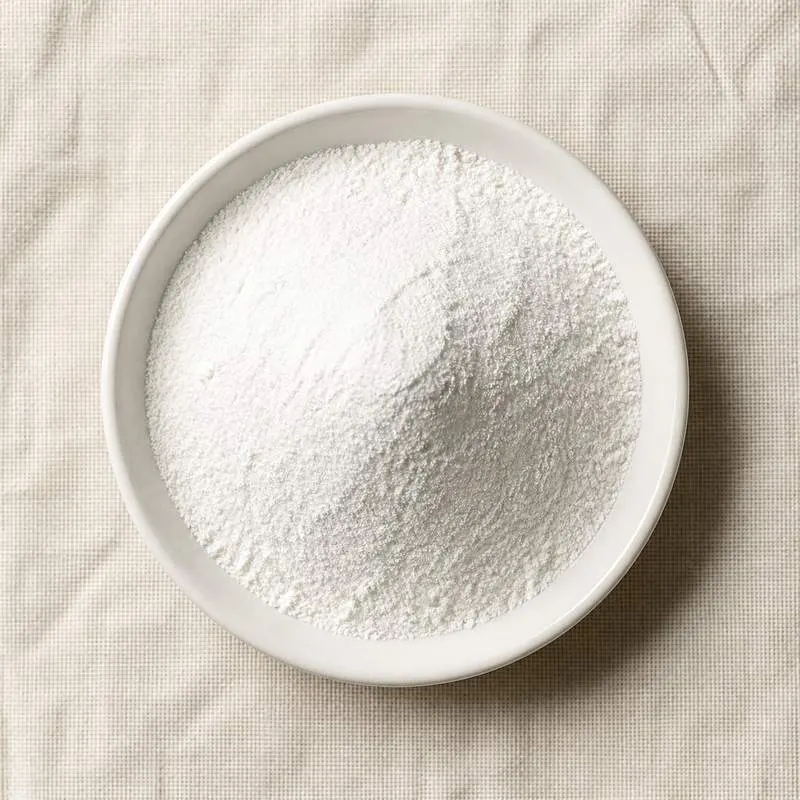
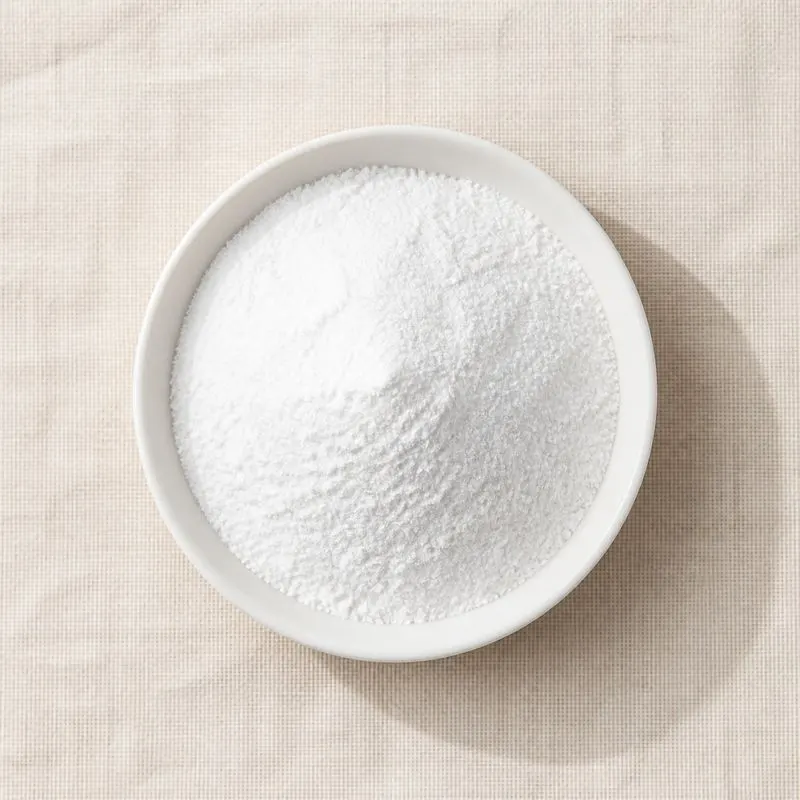
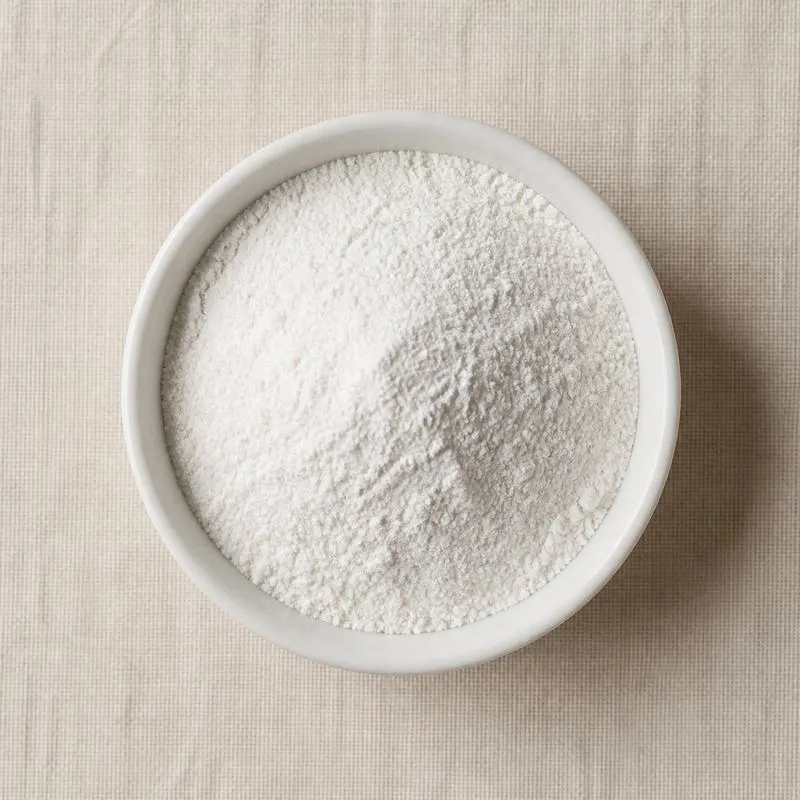
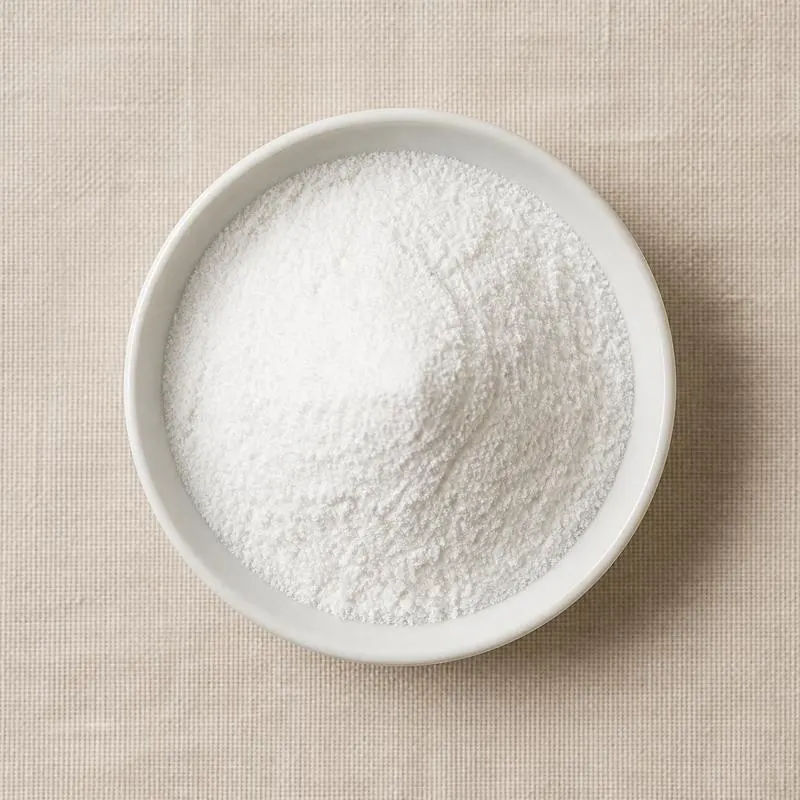
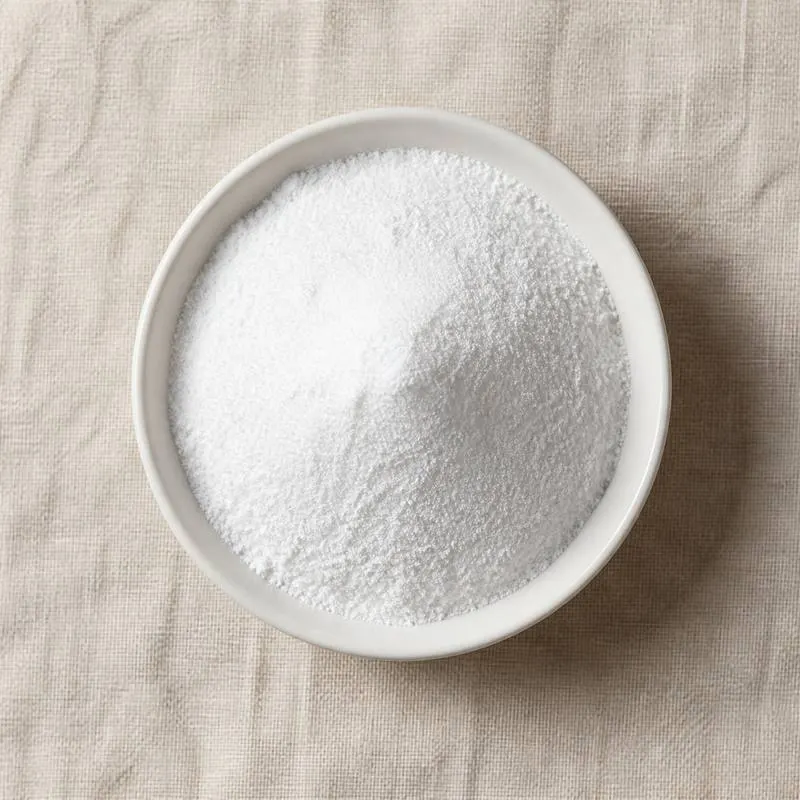
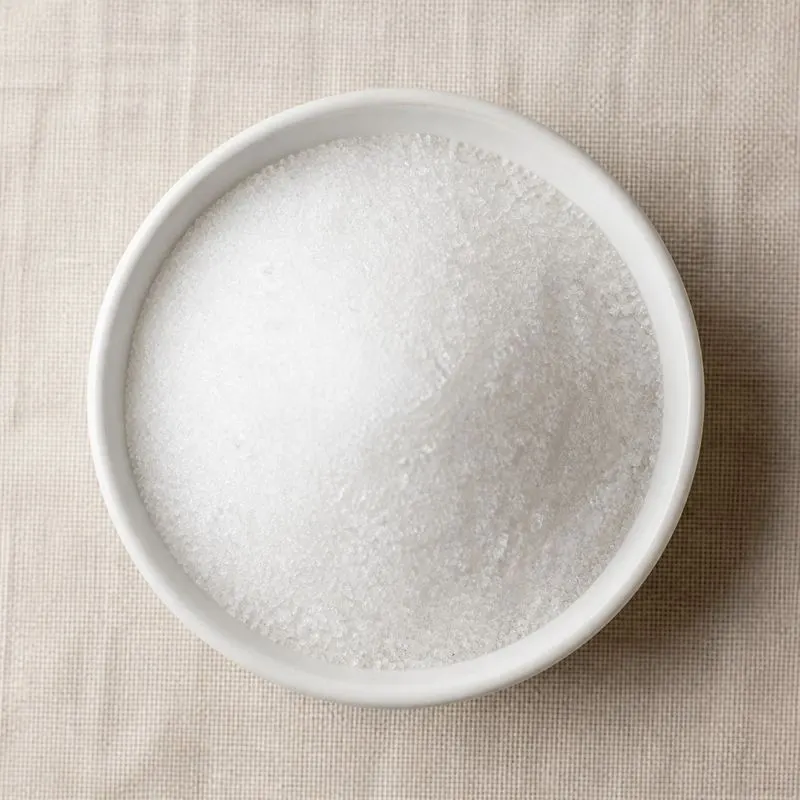
Sodium Acetate is the sodium salt of acetic acid, with the chemical formula CH₃COONa and CAS number 127-09-3. It is a white, hygroscopic, crystalline solid with a faint acetic odour.
The compound is the umbrella name covering both the anhydrous form and the trihydrate. Commercially it serves as a pH buffer, salt-and-vinegar flavouring carrier, food preservative under the E number E262, dyeing mordant, photographic developer component, and the chemical heart of reusable hand warmers.
We source bulk Sodium Acetate from top China manufacturers for our partners, working with several of them. The manufacturers are in Shandong, Jiangsu and Anhui. For this ingredient the minimum order is 1,000 kg and a 20-foot container takes 23 MT, and a smaller requirement can ship in a combined container with other ingredients.
Please send the grade you need, the volume and your destination port, and we will come back with a solution and a price.
or call +86-21-6858 0751
- Minimum order
- 1,000 kg
- Qty in 20' FCL
- 23 MT
- Packaging
- 25 kg kraft paper bag with PE inner liner
- ISO 9001
- HACCP
- Halal
- Kosher
Specifications
| Item | Specification |
|---|---|
| Appearance | White crystalline granules or powder (anhydrous); colourless transparent crystals (trihydrate) |
| Assay (as CH₃COONa, dried basis) | 99.0-101.0% |
| Loss on Drying (anhydrous, 120 °C) | ≤ 1.0% |
| Water of Crystallisation (trihydrate) | 36.0-41.0% |
| Clarity of Solution (10%) | Clear and colourless |
| pH (5% solution) | 8.0-9.5 |
| Alkalinity (as Na₂CO₃) | ≤ 0.05% |
| Chloride (as Cl) | ≤ 0.02% |
| Sulfate (as SO₄) | ≤ 0.05% |
| Potassium (as K) | ≤ 0.05% |
| Calcium (as Ca) | ≤ 0.02% |
| Heavy Metals (as Pb) | ≤ 10 mg/kg |
| Lead (as Pb) | ≤ 2 mg/kg |
| Arsenic (as As) | ≤ 1 mg/kg |
Common Markets Grades
Sodium acetate reaches the market in two crystallographic forms and several application grades.
Anhydrous sodium acetate, CH₃COONa, is preferred where water of crystallisation is undesirable, such as in dry seasoning blends, hot-melt heating pads, and certain laboratory buffer recipes.
Sodium acetate trihydrate, CH₃COONa·3H₂O, dominates the merchant market by volume. It is the form that crystallises from aqueous solution at ambient temperature, contains about 39.7 percent water of crystallisation, and shows the famous supercooling behaviour used in self-heating gel packs.
Within each form the market recognises food grade (FCC), pharmaceutical grade (USP), reagent grade (ACS), and technical grade. Food and pharmaceutical grades hold low heavy-metal and chloride limits, while technical grade is produced for textile and concrete-admixture use under looser specifications.
Applications
- Salt-and-vinegar flavour on potato chips, crackers, and snack pellets, where dry sodium acetate carries the tangy note without releasing free acetic acid into the spray
- Bread and bakery shelf-life extension as a mould and rope inhibitor, often as a diacetate variant
- Pickling brines and marinades as a buffered acetate source
- Processed meat and poultry as a Listeria control agent, frequently combined with sodium lactate
- Beverage pH buffering in fruit juices, isotonic drinks, and dairy beverages
- Textile dyeing as a mordant and pH buffer in the dye bath
- Photographic stop-bath chemistry, neutralising residual developer
- Concrete admixture as a set retarder and freeze-thaw protectant in cold-weather pours
- Reusable hand warmers and self-heating meal trays using the trihydrate's supercooling property
- Buffer in chromatography, biochemistry, and enzyme reactions at pH 4 to 5.5
- Hemodialysis solutions and intravenous nutrition formulations
Brands Using Sodium Acetate
Widely-distributed consumer products that list Sodium Acetate on the ingredient label.
- PepsiCo (Lay's)Lay's Salt & Vinegar Flavored Potato Chips ↗Brand ingredient panel: Potatoes, Vegetable Oil ... and Salt & Vinegar Seasoning [Maltodextrin (Made From Corn), Salt, Sodium Diacetate, Sodium Acetate, Malic Acid ...]. Sodium acetate (E262) supplies dry vinegar tang.Label verified 2026-05-24
- Utz (Zapp's)Zapp's Salt & Vinegar Kettle-Style Potato Chips ↗Brand product page ingredient panel lists Sodium Diacetate and Sodium Acetate as the dry vinegar flavouring system along with vinegar powder.Label verified 2026-05-24
Brand names, product names and logos are the property of their owners. They appear here as published evidence that the ingredient is used, taken from the brand's own label or website. Their appearance is not an endorsement, and it does not mean the brand buys from us or from any manufacturer listed on this site.
China Manufacturers of Sodium Acetate
Top Sodium Acetate manufacturers in China.
 ETON Food Co., Ltd.7 ingredients in the directory
 Lianyungang Nuoxin Food Ingredient Co., Ltd.13 ingredients in the directory
 Lianyungang Zhonghong Chemical Co., Ltd.11 ingredients in the directory
 Nantong Alchemy Biotech Development Co., Ltd.8 ingredients in the directory
 Qingdao Baotai Pure Food Technology Co., Ltd.16 ingredients in the directory
 Runda Food Technology (Shandong) Co., Ltd.7 ingredients in the directory
 Shandong Luhu Biological Technology Co., Ltd.9 ingredients in the directory
- Shandong Ruiheng Biotechnology Co., Ltd.8 ingredients in the directory
- Shandong Sanxu Food Technology Co., Ltd.7 ingredients in the directory
 Shandong Tongtaiweirun Food Science Tech Co., Ltd.9 ingredients in the directory
- SUNRISE FOOD INGREDIENTS (HUAI NAN) Co., Ltd.5 ingredients in the directory
 Tengzhou Aolong Chemical Co., Ltd.12 ingredients in the directory
 Tengzhou Luhu Biological Technology Co., Ltd.6 ingredients in the directory
Company names and logos are the property of the manufacturers themselves. They are listed here because our own directory records them as producing this ingredient. A listing is not an endorsement by them, and we do not represent them or speak on their behalf.
How We Help Source Sodium Acetate
Direct Factory Sourcing
We run the whole process: selecting the manufacturer from the top Chinese food ingredient producers, negotiating the price, verifying quality, and coordinating the logistics. You deal with us instead of with several factories at once.
Original Packaging and Documents from the Manufacturer
The manufacturer sends your Sodium Acetate out of its own factory in the original packing, through to your destination port. The COA, COO, MSDS, TDS and any certifications reach you from the manufacturer as well.
Free Samples and Lead Time
We send 100 to 500 g free for your own laboratory to test and you cover only the courier, usually within 2 to 3 working days. ETD is usually within 7 to 15 days once the order is confirmed, and we check that date against the factory's own manufacturing schedule before we give it to you.
Combined Shipment
We can load Sodium Acetate together with other ingredients such as Calcium Citrate, Sodium Lactate and Calcium Lactate into one 20' FCL. If your quantity is small, we can also ship LCL.
Regulatory Status
Sodium acetate is broadly cleared as a food and pharmaceutical ingredient.
The European Union assigns it the food-additive number E262(i) for sodium acetate and E262(ii) for sodium diacetate. EFSA has reviewed both and concluded that current use is not of safety concern.
The U.S. Food and Drug Administration lists sodium acetate as Generally Recognized as Safe under 21 CFR 184.1721 as a flavouring agent, pH control agent, and preservative. The Codex Alimentarius general standard for food additives permits its use across multiple food categories.
JECFA has placed the acetates in the not-specified category, reflecting the body's normal handling of acetate as an intermediate in energy metabolism.
Pharmacopoeial monographs appear in the United States Pharmacopeia (both anhydrous and trihydrate), the European Pharmacopoeia, and the British Pharmacopoeia. Halal and Kosher certifications are routinely available.
Manufacturing Process
Sodium acetate is produced by neutralising acetic acid with a sodium base.
The standard industrial route mixes glacial or food-grade acetic acid with sodium hydroxide solution or sodium carbonate at controlled temperature and pH. The reaction is exothermic, so external cooling is applied to keep the batch below 80 °C. With sodium carbonate the reaction releases carbon dioxide; with sodium hydroxide only water is generated.
The neutralised solution is filtered, decolorised with activated carbon if needed, and concentrated by evaporation. Cooling to ambient temperature precipitates the trihydrate, which is centrifuged, dried in fluid-bed dryers below 50 °C, and packaged.
To produce the anhydrous form, the trihydrate is heated above 58 °C, where it melts in its own water of crystallisation, then dried further at 120 to 140 °C in a rotary or paddle dryer. Some plants run a continuous melt-and-spray-dry process to make anhydrous directly.
Major producing regions include China, India, Western Europe, and the United States, with most plants integrated with acetic-acid or chlor-alkali assets.