Sodium Lactate
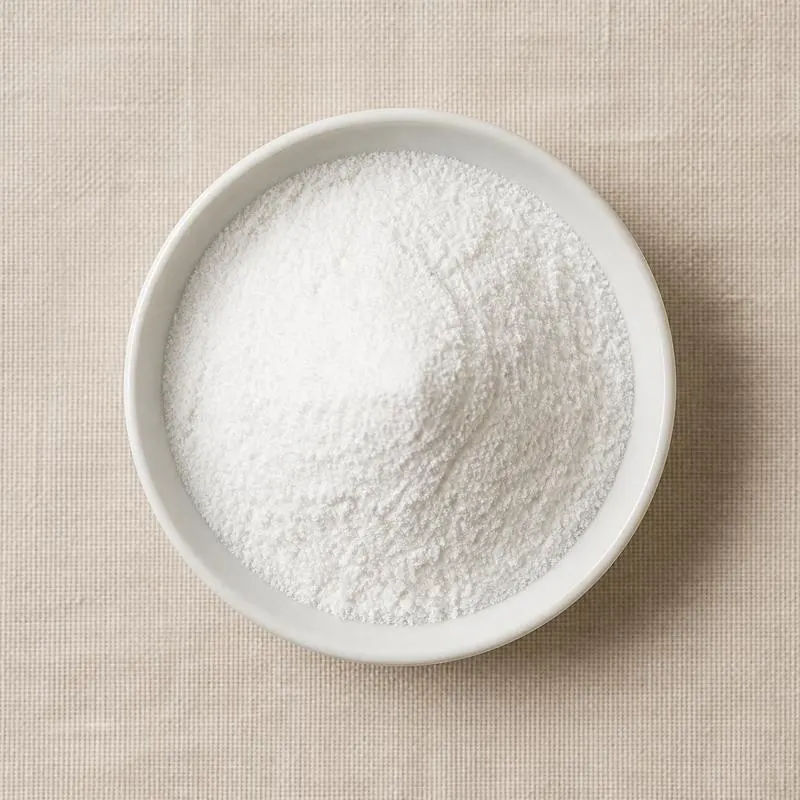
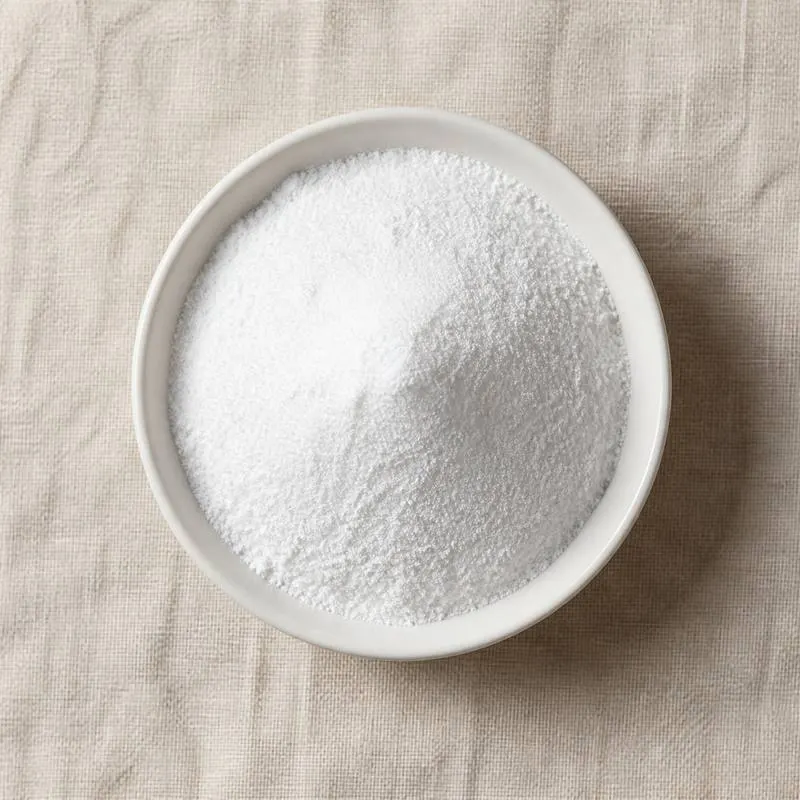
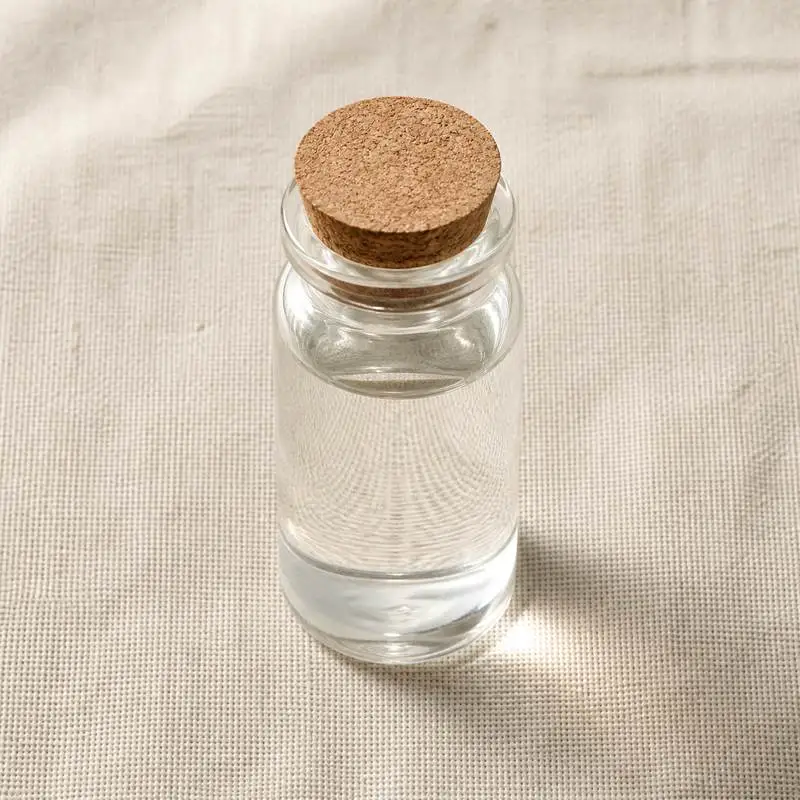
Sodium Lactate is the sodium salt of lactic acid, with the formula CH₃CH(OH)COONa and CAS number 72-17-3. It is produced almost exclusively as a clear, slightly viscous, nearly odourless aqueous solution, typically at 50 or 60 percent active content.
The compound has several distinct functions. In processed meat and poultry it acts as a humectant, antimicrobial, and shelf-life extender; in skincare it is one of the original natural moisturizing factors; in pharmacy it is the buffering base of lactated Ringer's solution; and in industrial applications it serves as a non-toxic substitute for ethylene glycol in deicing and metalworking fluids.
We source bulk Sodium Lactate from top China manufacturers for our partners, working with several of them. The manufacturers are mostly in Shandong, Henan and Zhejiang. For this ingredient the minimum order is 1,000 kg and a 20-foot container takes 23 MT, and a smaller requirement can ship in a combined container with other ingredients.
Please send the grade you need, the volume and your destination port, and we will come back with a solution and a price.
or call +86-21-6858 0751
- Minimum order
- 1,000 kg
- Qty in 20' FCL
- 23 MT
- Packaging
- 25 kg kraft paper bag with PE inner liner
- ISO 9001
- HACCP
- Halal
- Kosher
Specifications
| Item | Specification |
|---|---|
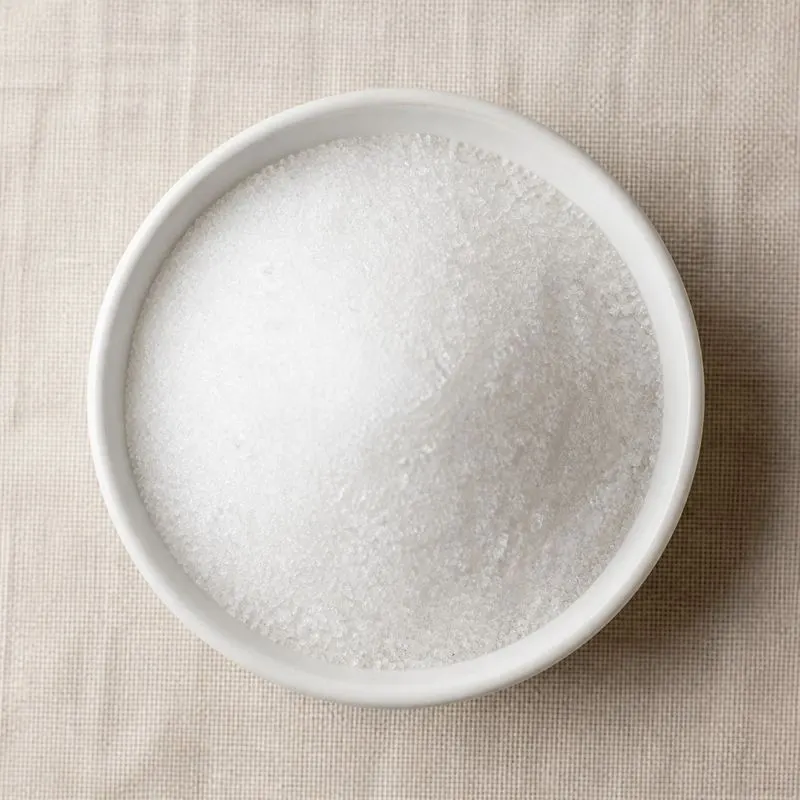
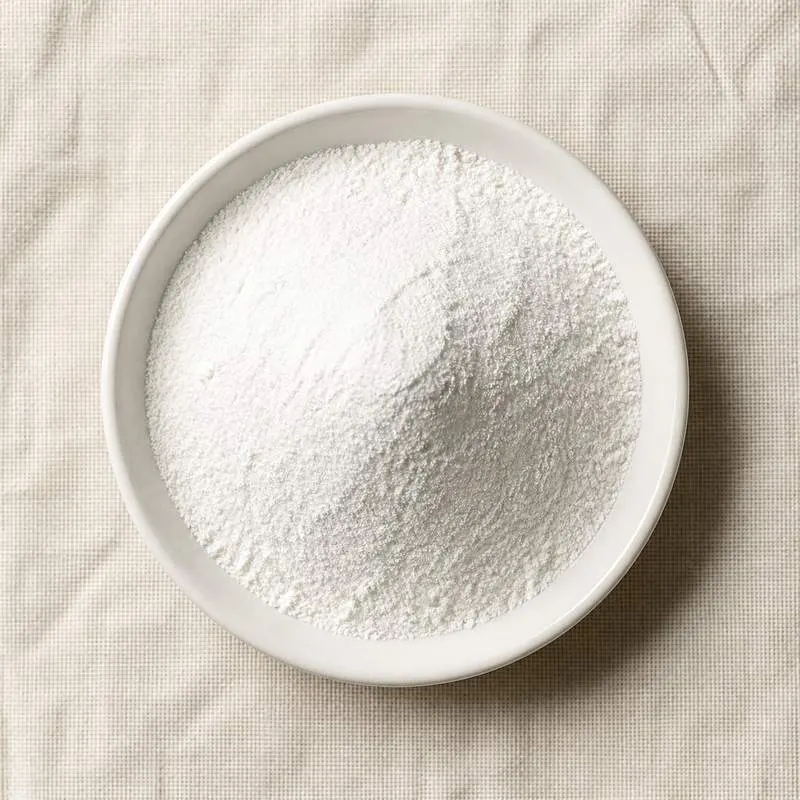
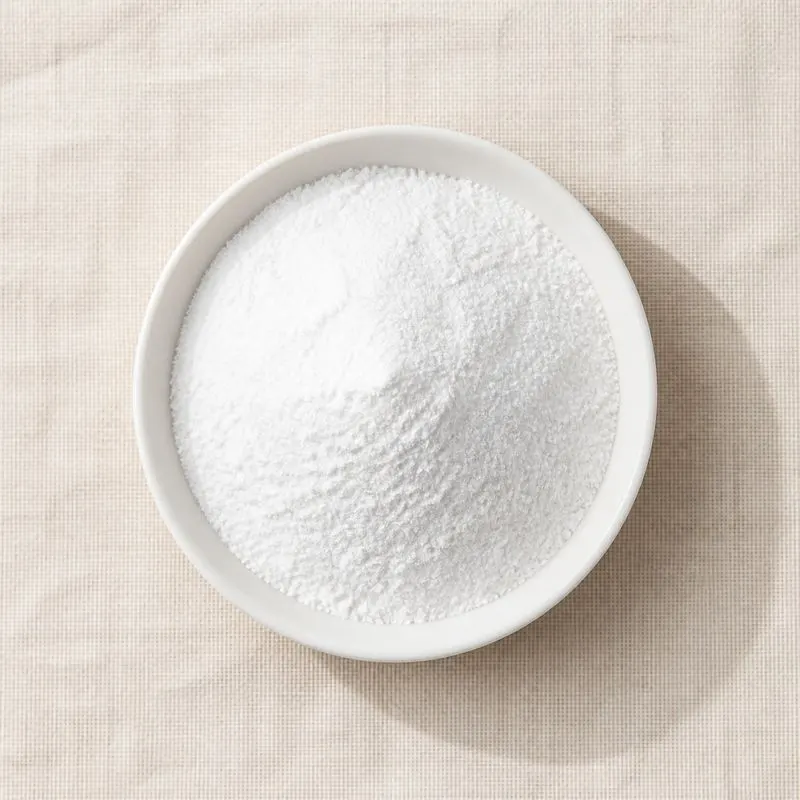
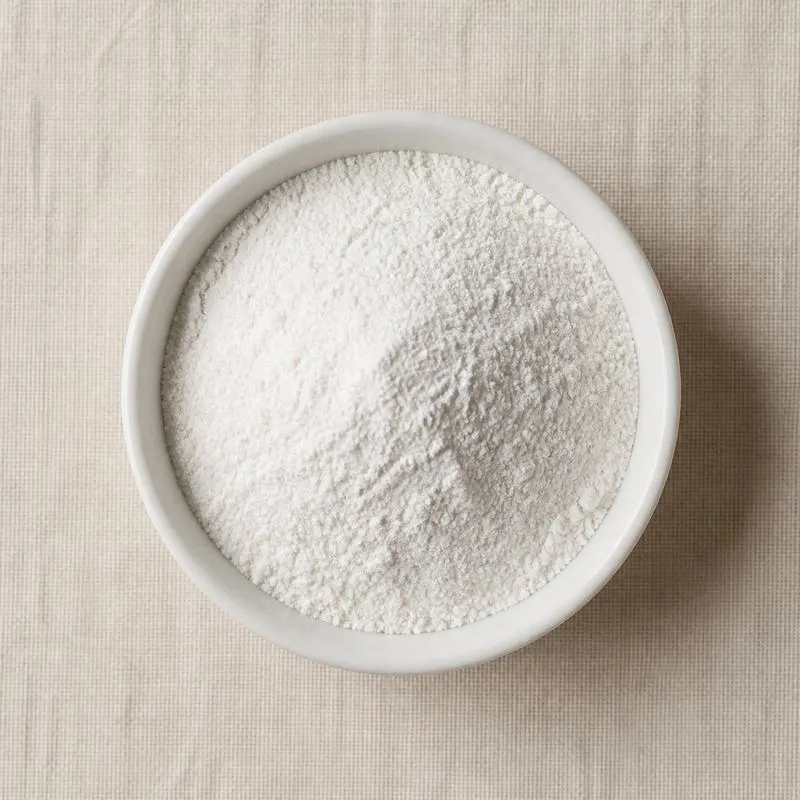
| Appearance | White crystalline powder |
| Purity (Food Grade) | ≥ 60% |
| Purity (Pharmaceutical Grade) | ≥ 98% |
| pH (1% solution) | 6.0 - 8.0 |
| Moisture | ≤ 5% |
| Heavy Metals | ≤ 10 ppm |
| Lead | ≤ 2 ppm |
| Arsenic | ≤ 1 ppm |
| Total Plate Count | ≤ 1000 cfu/g |
| Yeast & Mold | ≤ 100 cfu/g |
Common Markets Grades
The dominant commercial format is a 60 percent aqueous solution, shipped in IBCs, drums, and tank trucks. The 50 percent grade is used where lower viscosity at low temperature is required.
Solid sodium lactate, a hygroscopic powder made by spray drying the solution onto a carrier, is produced for dry seasoning blends, premixes, and tableted formulations. The powdered form typically contains 50 to 60 percent sodium lactate adsorbed onto a maltodextrin or silica carrier.
Food grade meets the Food Chemicals Codex specification and is the standard for meat, poultry, and bakery applications. Pharmaceutical grade meets the USP and Ph. Eur. monographs and is the form used in lactated Ringer's, hemodialysis fluid, and oral pharmaceuticals.
Cosmetic grade is a 50 or 60 percent solution with low colour and odour, often carrying a kosher or halal certificate, for use in skin and hair care.
Optical purity differs by source. Fermentation-derived sodium lactate is typically L-(+)-isomer at 95 percent or higher, while chemically synthesised material is racemic DL.
Applications
- Processed meat and poultry as a Listeria and Clostridium control agent, frequently in combination with sodium diacetate, with a typical inclusion of 1.5 to 3 percent in the finished product
- Cooked sausage, deli meat, hot dogs, and ready-to-eat meat snacks for moisture retention, flavour enhancement, and shelf-life extension
- Bakery shelf-life extension as a mould and rope inhibitor
- Skincare moisturizers, body lotions, and hair conditioners, where it functions as a humectant and pH buffer
- Oral and topical pharmaceutical formulations as a buffer and tonicity adjuster
- Lactated Ringer's intravenous solution, where the lactate is metabolized to bicarbonate in the liver
- Hemodialysis solutions as an alternative buffer to acetate or bicarbonate
- Liquid soaps, shampoos, and toothpaste as a humectant and mild buffer
- Non-toxic deicing fluid for airport runways and bridge decks
- Metalworking and concrete admixtures requiring a biodegradable chelating agent
- Pet food and treats for moisture control and shelf-life extension
Brands Using Sodium Lactate
Widely-distributed consumer products that list Sodium Lactate on the ingredient label.
- Tyson Foods (Hillshire Farm)Hillshire Farm Ultra Thin Sliced Lower Sodium Oven Roasted Turkey Breast ↗Brand product page ingredient panel includes Sodium Lactate (with potassium lactate and sodium diacetate) used as antimicrobial/shelf-life agent.Label verified 2026-05-24
- Tyson Foods (Hillshire Farm)Hillshire Farm Deli Select Smoked Ham Lower Sodium ↗Brand product page lists Sodium Lactate alongside potassium lactate and sodium diacetate as antimicrobial preservatives.Label verified 2026-05-24
- Kraft Heinz (Oscar Mayer)Oscar Mayer Beef Bologna Deli Lunch Meat, 16 oz ↗Kraft Heinz SmartLabel ingredient panel lists Sodium Lactate as a Listeria-control antimicrobial in Oscar Mayer Beef Bologna.Label verified 2026-05-24
- Land O'FrostLand O'Frost Premium Roast Beef Sandwich Sliced Deli Lunch Meat ↗Brand product line ingredient disclosure includes Sodium Lactate as antimicrobial preservative in sliced deli meats.Label verified 2026-05-24
Brand names, product names and logos are the property of their owners. They appear here as published evidence that the ingredient is used, taken from the brand's own label or website. Their appearance is not an endorsement, and it does not mean the brand buys from us or from any manufacturer listed on this site.
China Manufacturers of Sodium Lactate
Top Sodium Lactate manufacturers in China.
- Henan Honghui Biotechnology Co., Ltd.9 ingredients in the directory
 Henan Jindan Lactic Acid Technology Co., Ltd.6 ingredients in the directory
 Henan Xinghan Biotechnology Co., Ltd.5 ingredients in the directory
 Qingdao Baotai Pure Food Technology Co., Ltd.16 ingredients in the directory
 Qingdao Dawei Biological Engineering Co., Ltd.8 ingredients in the directory
 Qingdao Jiutai Biotechnology Co., Ltd.8 ingredients in the directory
 Shandong Action Biotech Co., Ltd.6 ingredients in the directory
- Shandong Guangshengyuan Biotechnology Development Co., Ltd.4 ingredients in the directory
 Tianxian Biopharm4 ingredients in the directory
 Wuhan Sanjiang Space Good Biotech Co., Ltd.4 ingredients in the directory
Company names and logos are the property of the manufacturers themselves. They are listed here because our own directory records them as producing this ingredient. A listing is not an endorsement by them, and we do not represent them or speak on their behalf.
How We Help Source Sodium Lactate
Direct Factory Sourcing
We run the whole process: selecting the manufacturer from the top Chinese food ingredient producers, negotiating the price, verifying quality, and coordinating the logistics. You deal with us instead of with several factories at once.
Original Packaging and Documents from the Manufacturer
The manufacturer sends your Sodium Lactate out of its own factory in the original packing, through to your destination port. The COA, COO, MSDS, TDS and any certifications reach you from the manufacturer as well.
Free Samples and Lead Time
We send 100 to 500 g free for your own laboratory to test and you cover only the courier, usually within 2 to 3 working days. ETD is usually within 7 to 15 days once the order is confirmed, and we check that date against the factory's own manufacturing schedule before we give it to you.
Combined Shipment
We can load Sodium Lactate together with other ingredients such as Sodium Acetate, Calcium Citrate and Calcium Lactate into one 20' FCL. If your quantity is small, we can also ship LCL.
Regulatory Status
Sodium lactate is broadly cleared as a food, pharmaceutical, and cosmetic ingredient.
The European Union assigns it the food-additive number E325. EFSA has reviewed the lactates and concluded no safety concern at current use levels, with no numerical intake limit set. The U.S. Food and Drug Administration lists sodium lactate as Generally Recognized as Safe under 21 CFR 184.1768 as a flavouring agent, humectant, and pH control agent.
For meat and poultry use in the United States, the USDA Food Safety and Inspection Service permits sodium lactate at up to 4.8 percent of formulation as an antimicrobial.
JECFA places the lactates in the not-specified category. The Codex Alimentarius general standard for food additives permits sodium lactate across multiple food categories.
Pharmacopoeial monographs for sodium lactate solution appear in the United States Pharmacopeia, the European Pharmacopoeia, and the British Pharmacopoeia. Halal and Kosher certifications are routinely available, since modern production uses plant-derived carbohydrate feedstocks rather than dairy whey.
Manufacturing Process
Sodium lactate is produced by neutralising lactic acid with sodium hydroxide.
The lactic acid feedstock itself comes overwhelmingly from microbial fermentation. The dominant industrial route uses Lactobacillus or engineered Bacillus strains fed on glucose syrup from corn, cane sugar, or cassava starch. The fermentation runs at 40 to 50 °C with calcium hydroxide added continuously to neutralise the lactic acid as it forms, keeping pH around 5 to 6.
The resulting calcium lactate broth is filtered to remove biomass, treated with sulphuric acid to release free lactic acid as gypsum precipitates, filtered again, and purified by ion exchange and activated carbon. The purified lactic acid is then concentrated by evaporation.
For sodium lactate production, the purified lactic acid is neutralised with food-grade sodium hydroxide solution in a stirred reactor under temperature and pH control to an endpoint of 7.0 to 7.5. The neutralised solution is polished, filtered, and standardised to 50 or 60 percent active content by adjustment of water.
To produce the powder form, the solution is spray-dried onto an inert carrier such as maltodextrin. The leading producers are based in the Netherlands (Corbion), the United States, China, and Thailand, generally integrated with lactic-acid fermentation capacity.