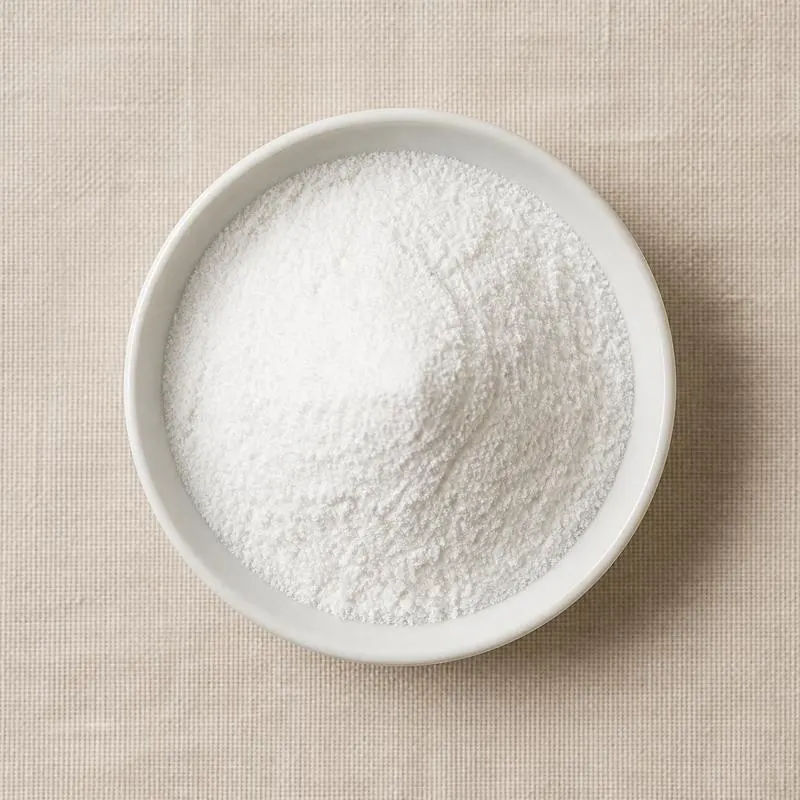
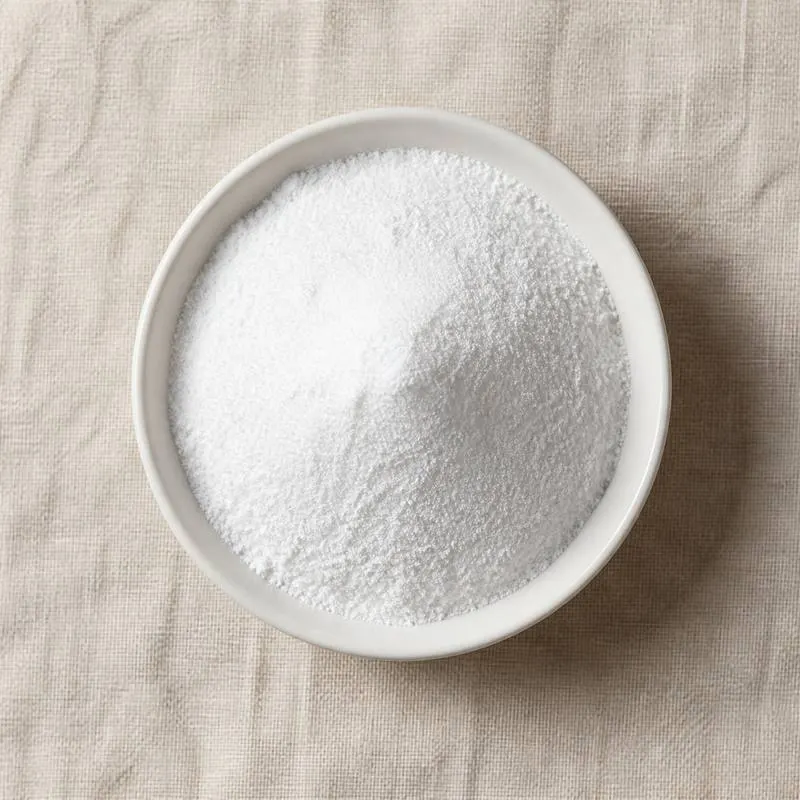
Dicalcium Phosphate
Dicalcium Phosphate is the calcium hydrogen orthophosphate salt with formula CaHPO₄, commonly abbreviated DCP and registered under CAS 7757-93-9.
It is the standard calcium-phosphorus source of the animal-feed industry and a standard direct-compression filler in pharmaceutical tableting. The anhydrous form is dense and free-flowing, while the dihydrate (CaHPO₄·2H₂O, CAS 7789-77-7) carries two waters of crystallisation and behaves differently under heat.
We source bulk Dicalcium Phosphate from top China manufacturers for our partners, working with several of them. The manufacturers are mostly in Jiangsu, Shandong and Guangxi. For this ingredient the minimum order is 500 kg and a 20-foot container takes 24 MT, and a smaller requirement can ship in a combined container with other ingredients.
Please send the grade you need, the volume and your destination port, and we will come back with a solution and a price.
or call +86-21-6858 0751
- Minimum order
- 500 kg
- Qty in 20' FCL
- 24 MT
- Packaging
- 25 kg kraft paper bag with PE inner liner
- ISO 9001
- HACCP
- Halal
- Kosher
Specifications
| Item | Specification |
|---|---|
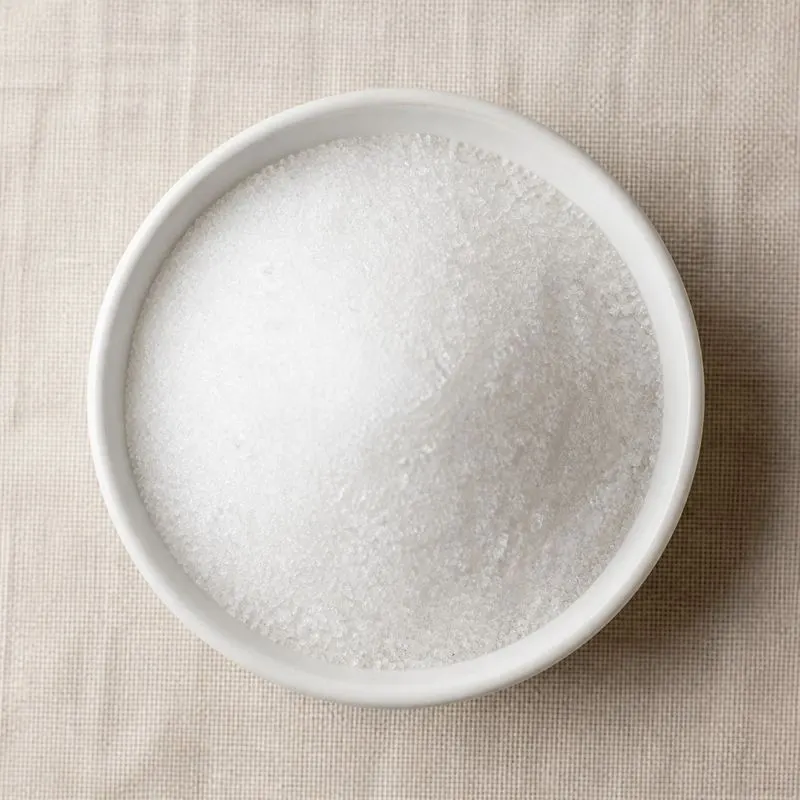
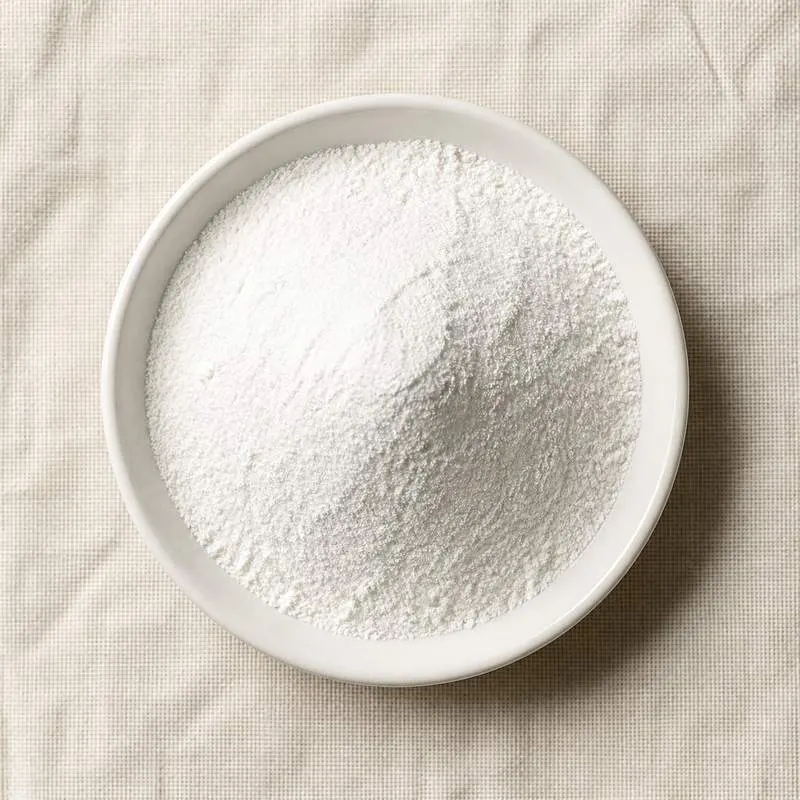
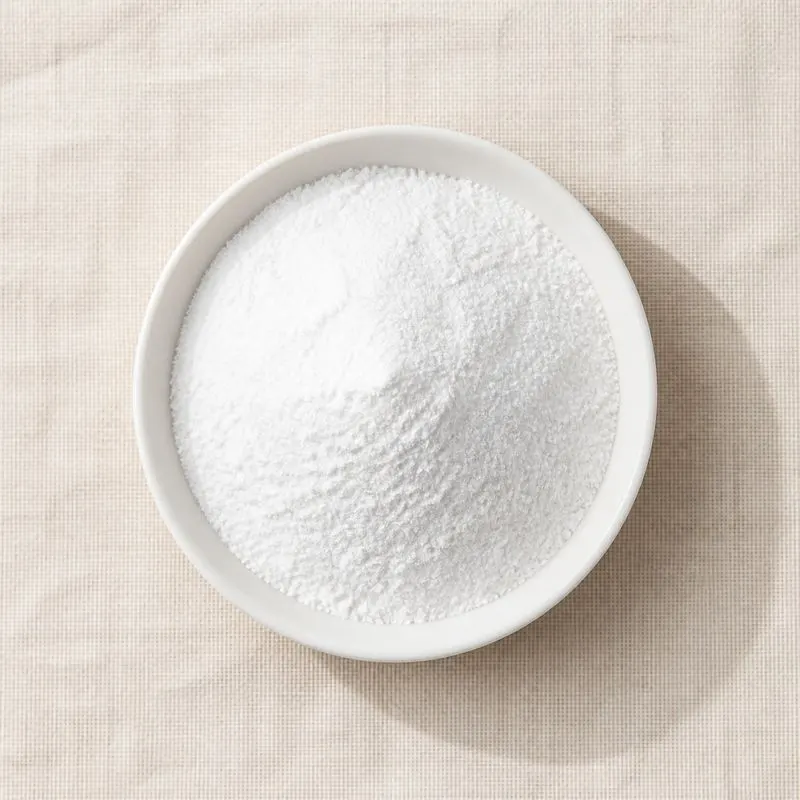
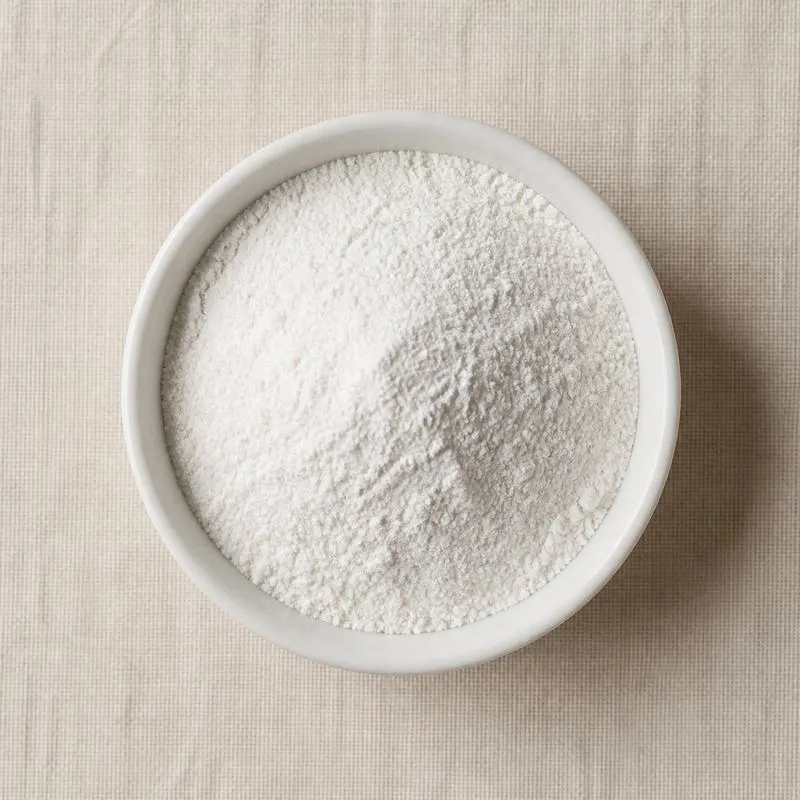
| Appearance | White free-flowing powder |
| Assay (CaHPO4·2H2O, dry basis) | 98.0% to 105.0% |
| Calcium content | 23.0% to 25.0% |
| Phosphorus content (as P) | 17.5% to 18.5% |
| Loss on ignition (800 °C) | 24.5% to 26.5% (dihydrate) |
| pH (10% suspension) | 6.5 to 7.5 |
| Fluoride | ≤ 50 mg/kg |
| Heavy metals (as Pb) | ≤ 10 mg/kg |
| Arsenic | ≤ 3 mg/kg |
| Particle size | Per customer specification |
Common Markets Grades
DCP exists in two principal hydration states. The anhydrous grade is preferred where moisture sensitivity matters, such as long-shelf-life premixes and effervescent tablet cores.
The dihydrate grade dominates direct-compression tableting because its needle-shaped crystals fragment under pressure and form mechanically interlocked tablets without binder.
Feed-grade DCP is graded by guaranteed phosphorus content, typically 18 percent P minimum, with calcium in the 21 to 24 percent range. Granular and powder presentations are both common, with granular preferred for free-flow blending in mash and pelleted feeds.
Food-grade DCP meets FCC and JECFA purity specifications and carries lower limits on fluorine, arsenic, lead, and cadmium.
Pharmaceutical-grade DCP is produced to USP, Ph. Eur., and JP monographs, often under brand names such as Emcompress, A-Tab, and Di-Tab. Particle-size distribution is tightly controlled for tableting behaviour.
Applications
- Livestock and poultry feed as the principal mineral source of available phosphorus and calcium
- Aquaculture feeds for tilapia, shrimp, and salmonid grow-out diets
- Pet food mineral premixes and complete dog and cat diets
- Direct-compression tablet filler and binder in pharmaceutical solid-dose manufacturing
- Chewable vitamin and mineral tablets where a calcium contribution is desirable
- Toothpaste formulations as a mild abrasive and source of dental calcium phosphate
- Breakfast cereal and flour fortification programs in countries with calcium-deficiency targeting
- Bakery improvers and dough conditioners where slow phosphate release is needed
- Effervescent tablet bases as a phosphate buffer component
- Industrial applications in ceramic glazes and as a starting material for other calcium phosphates
Brands Using Dicalcium Phosphate
Widely-distributed consumer products that list Dicalcium Phosphate on the ingredient label.
- Centrum (Haleon)Centrum Silver Adults 50+ Multivitamin ↗Centrum Silver Adults 50+ supplement facts list 'Dibasic Calcium Phosphate' (the synonym for dicalcium phosphate / DCP) among its inactive ingredients, used as tablet excipient/calcium source.Label verified 2026-05-24
- Centrum (Haleon)Centrum Women Multivitamin/Multimineral ↗Centrum Women supplement facts panel (per Pfizer/Haleon labeling) lists 'Dibasic Calcium Phosphate' (dicalcium phosphate) among its ingredients alongside Calcium Carbonate, Magnesium Oxide, and Potassium Chloride.Label verified 2026-05-24
- One A Day (Bayer)One A Day Women's Multivitamin Tablets ↗One A Day Women's tablet ingredient list includes 'Dicalcium Phosphate' as an inactive excipient/calcium source, alongside Calcium Carbonate, Microcrystalline Cellulose, Ascorbic Acid, and Ferrous Fumarate.Label verified 2026-05-24
- One A Day (Bayer)One A Day Prenatal Advanced Multivitamin Tablets ↗One A Day Prenatal Advanced tablet formulation lists Dicalcium Phosphate among its inactive ingredients (confirmed via CVS ingredient label sourced from the brand).Label verified 2026-05-24
Brand names, product names and logos are the property of their owners. They appear here as published evidence that the ingredient is used, taken from the brand's own label or website. Their appearance is not an endorsement, and it does not mean the brand buys from us or from any manufacturer listed on this site.
China Manufacturers of Dicalcium Phosphate
Top Dicalcium Phosphate manufacturers in China.
 Gangxi Yunbo Health Technology Co., Ltd.10 ingredients in the directory
 Jiangsu Chengxing Phosph-Chemicals Co., Ltd.2 ingredients in the directory
 Lianyungang Dongtai Food Ingredients Co., Ltd.11 ingredients in the directory
 Lianyungang Hengsheng Fine Chemical Co., Ltd.10 ingredients in the directory
- Lianyungang Kede Food Ingredients Co., Ltd.5 ingredients in the directory
 Nature Food Technology Co.;Ltd.12 ingredients in the directory
 Reephos (Chongqing) Food Ingredients Co., Ltd.9 ingredients in the directory
 Shandong Jiruite Gelatin Co., Ltd.4 ingredients in the directory
 Suqian Modern Biology Technology Co., Ltd.1 ingredient in the directory
Company names and logos are the property of the manufacturers themselves. They are listed here because our own directory records them as producing this ingredient. A listing is not an endorsement by them, and we do not represent them or speak on their behalf.
How We Help Source Dicalcium Phosphate
Direct Factory Sourcing
We run the whole process: selecting the manufacturer from the top Chinese food ingredient producers, negotiating the price, verifying quality, and coordinating the logistics. You deal with us instead of with several factories at once.
Original Packaging and Documents from the Manufacturer
The manufacturer sends your Dicalcium Phosphate out of its own factory in the original packing, through to your destination port. The COA, COO, MSDS, TDS and any certifications reach you from the manufacturer as well.
Free Samples and Lead Time
We send 100 to 500 g free for your own laboratory to test and you cover only the courier, usually within 2 to 3 working days. ETD is usually within 7 to 15 days once the order is confirmed, and we check that date against the factory's own manufacturing schedule before we give it to you.
Combined Shipment
We can load Dicalcium Phosphate together with other ingredients such as Sodium Acetate, Calcium Citrate and Sodium Lactate into one 20' FCL. If your quantity is small, we can also ship LCL.
Regulatory Status
Dicalcium Phosphate is one of the most broadly approved phosphate salts in the global food and feed codes.
The European Union assigns it E number E341(ii) and lists it within the calcium phosphates group under Regulation (EC) 1333/2008. Maximum-level entries appear across baked goods, beverage mixes, and dietary foods.
The U.S. Food and Drug Administration recognises DCP as GRAS under 21 CFR 184.1217 for nutrient and dough-conditioning use. The USP monograph for Dibasic Calcium Phosphate, Anhydrous and Dihydrate governs pharmaceutical use.
JECFA has set a group MTDI for phosphate additives that covers DCP alongside other phosphate salts.
Pharmacopoeial monographs are published in USP-NF, Ph. Eur., JP, and the Indian Pharmacopoeia. Halal and Kosher certifications are widely available for mineral-source material; bone-source grades require species disclosure.
Manufacturing Process
Industrial DCP comes from two feedstock streams: rock phosphate and bone.
The dominant route is wet-process phosphoric acid neutralised with calcium carbonate or hydrated lime. Crude phosphoric acid is first defluorinated, then reacted with a stoichiometric amount of calcium source in a stirred reactor. Controlled pH and temperature drive precipitation of either the dihydrate at lower temperature or the anhydrous form at higher temperature.
The slurry is filtered, washed, and dried. For feed grade, granulation in a fluidized bed gives the free-flowing presentation preferred by mineral-mix plants.
An alternative route uses defatted, demineralized bone. Bone meal is hydrolysed with dilute hydrochloric acid, the calcium-rich liquor is clarified, and DCP is precipitated by neutralisation with lime. This bone-source grade is sometimes labelled MCP-DCP and finds use where a non-rock origin is requested.
The dihydrate-to-anhydrous conversion can also be done by careful thermal dehydration above about 100 °C, though excessive heat converts the material into pyrophosphate and is avoided.