Magnesium Citrate
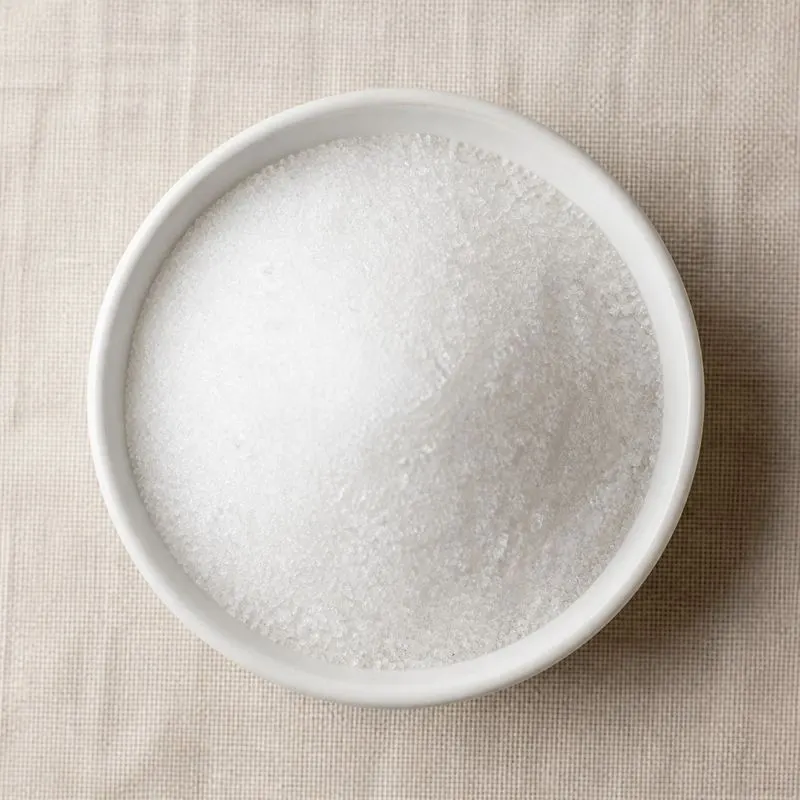
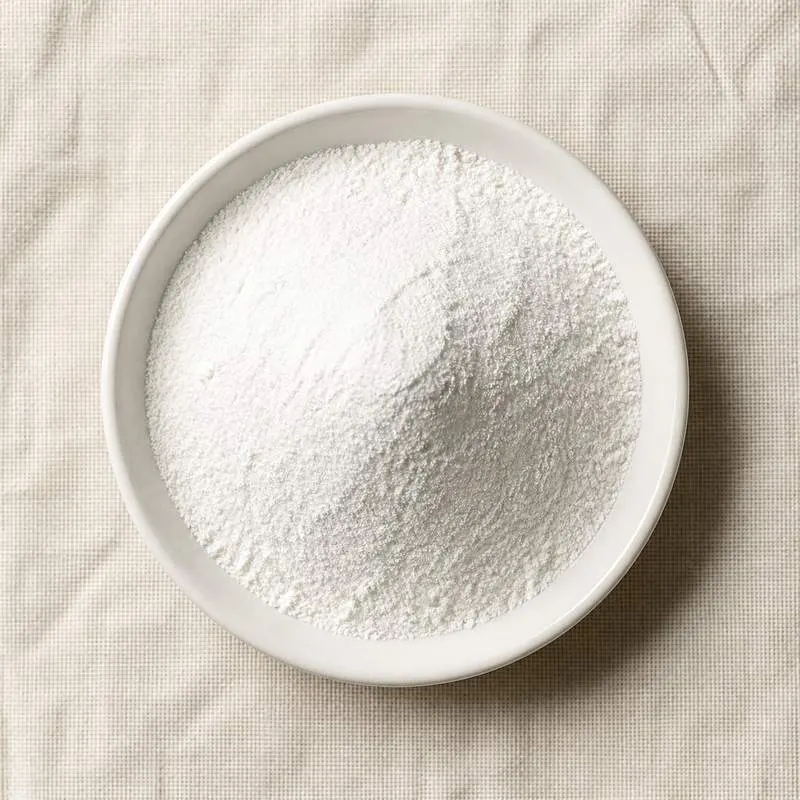
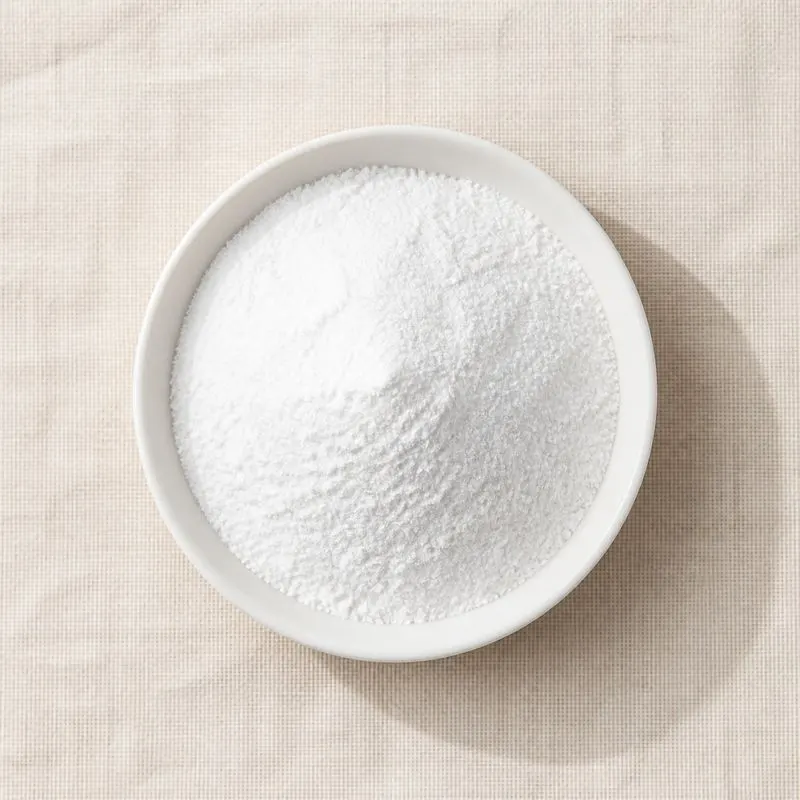
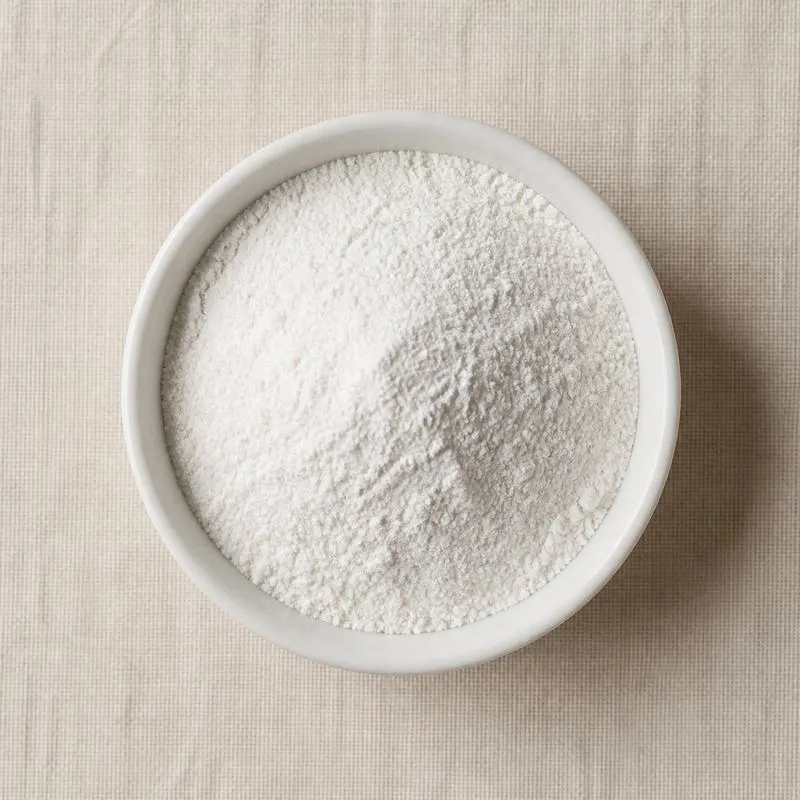
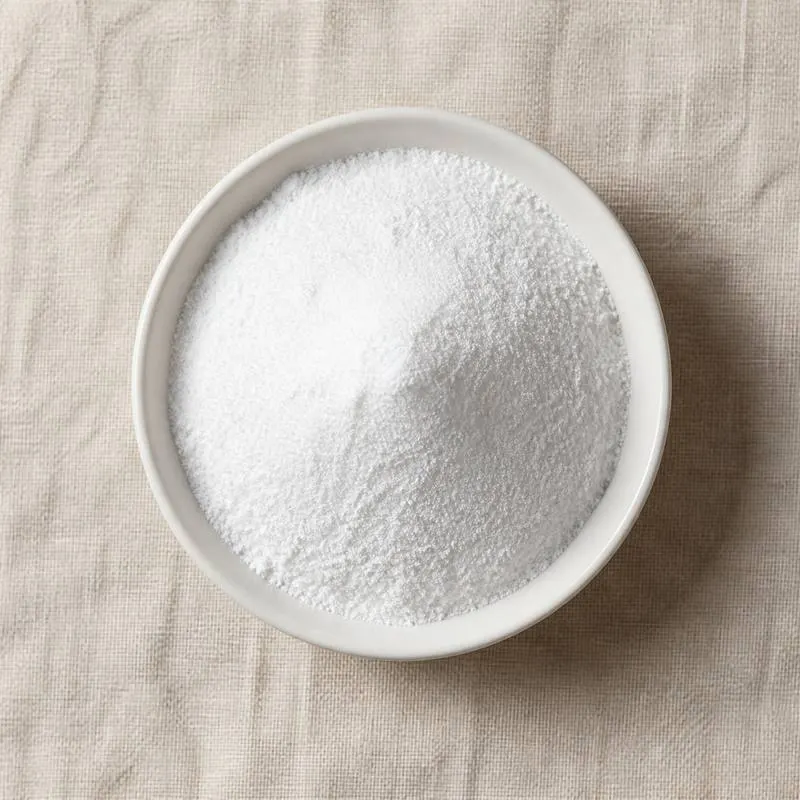
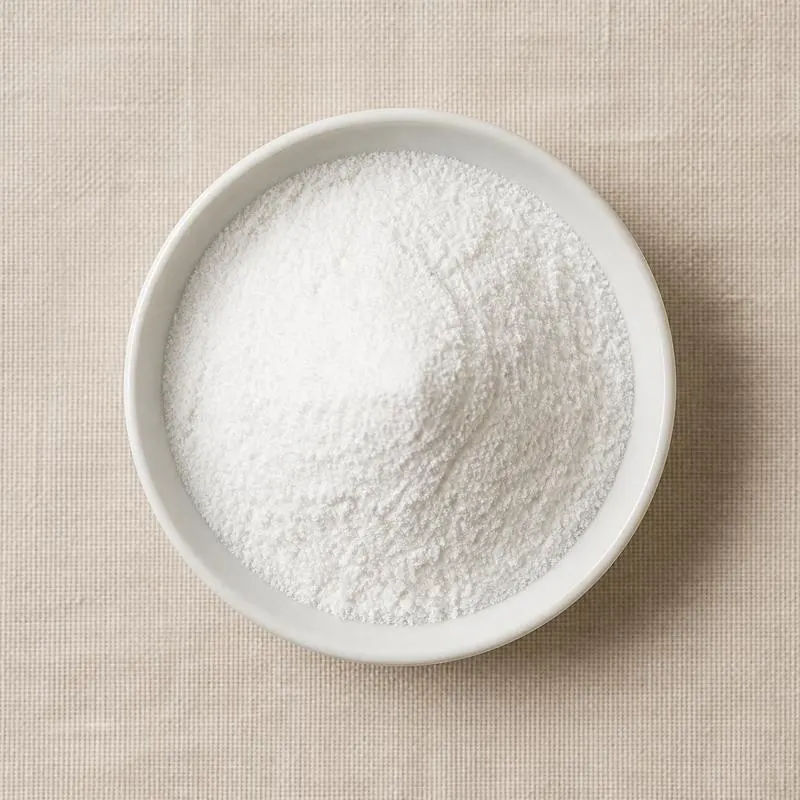
Magnesium Citrate is the magnesium salt of citric acid, sold as a white to off-white crystalline powder with a mildly tart taste and good water solubility relative to most other magnesium salts.
The compound is the standard organic magnesium form across the global supplement market. It combines a moderate elemental magnesium load with bioavailability that is better than the simple inorganic salts, and a clean acid-buffered profile that lends itself to effervescent and liquid formats.
We source bulk Magnesium Citrate from top China manufacturers for our partners, working with several of them. The manufacturers are mostly in Shandong, Guangxi and Hebei. A smaller requirement can ship in a combined container with other ingredients.
Please send the grade you need, the volume and your destination port, and we will come back with a solution and a price.
or call +86-21-6858 0751
- Packaging
- 25 kg kraft paper bag with PE inner liner
- ISO 9001
- HACCP
- Halal
- Kosher
Specifications
| Item | Specification |
|---|---|
| Appearance | White to off-white odorless crystalline powder |
| Assay (dry basis) | 97.0% to 102.0% |
| Magnesium content | 15.0% to 17.0% (anhydrous), 10.5% to 12.0% (nonahydrate) |
| Loss on drying (anhydrous) | ≤ 5.0% |
| Loss on drying (nonahydrate) | 30.0% to 38.0% |
| pH (5% solution) | 6.0 to 8.0 |
| Oxalate | ≤ 0.1% |
| Chloride | ≤ 0.05% |
| Sulfate | ≤ 0.1% |
| Heavy metals (as Pb) | ≤ 3 mg/kg |
| Arsenic | ≤ 2 mg/kg |
| Total plate count | ≤ 1000 CFU/g |
| Particle size | Per customer specification |
Common Markets Grades
Magnesium Citrate is graded by hydration state, particle size, and pharmacopoeial conformance.
The two commercial hydration forms are the anhydrous salt and the nonahydrate. The anhydrous form delivers about 16 percent elemental magnesium and is preferred for compact tablets and dry-blended sticks. The nonahydrate carries roughly 11 percent elemental magnesium and is the format most often described in monographs.
Granular grades, with particle sizes of 0.2 to 0.8 mm, are intended for effervescent tablets and saline-laxative oral solutions, where rapid dissolution and low dust are both required.
Fine micronized powders, below 50 µm, are used in direct-compression tablets and capsule blends.
Pharmacopoeial conformance is most often quoted against USP and Ph. Eur., with limits on free citric acid, sulphate, chloride, and heavy metals. A tribasic structure with three magnesium ions per two citrate anions is the standard stoichiometry, sometimes called magnesium citrate tribasic.
Applications
- Oral magnesium supplements in tablet, capsule, gummy, powder stick, and liquid shot formats
- Effervescent magnesium tablets paired with citric acid and bicarbonate buffers
- Saline osmotic laxatives for bowel cleansing prior to colonoscopy and colorectal surgery
- Ready-to-drink electrolyte and recovery beverages targeting muscle cramp relief
- Magnesium fortification of functional waters, plant-based milks, and meal replacements
- Acidity regulator and sequestrant in confectionery and beverage applications
- Pediatric and geriatric liquid formulations where palatability of the magnesium load matters
- Combination cardiovascular and bone-health formulas alongside potassium, calcium, and vitamin D
- Sleep, relaxation, and stress-support nutraceutical stacks paired with glycine, L-theanine, or melatonin
- Sports-nutrition pre-workout and recovery products positioned on muscle function and electrolyte balance
Brands Using Magnesium Citrate
Widely-distributed consumer products that list Magnesium Citrate on the ingredient label.
- Natural VitalityNatural Vitality CALM Magnesium Citrate Powder, Raspberry Lemon ↗America's #1-selling magnesium powder brand (since 1982); formulated with magnesium carbonate and citric acid that combine in water to produce a magnesium citrate solutionLabel verified 2026-05-24
- Pure EncapsulationsPure Encapsulations Magnesium (Citrate) 150 mg Capsules ↗Highly bioavailable magnesium citrate; each capsule provides 150 mg elemental magnesium; supports carb, amino acid, and fat metabolismLabel verified 2026-05-24
- SolgarSolgar Magnesium Citrate Tablets (200 mg per tablet) ↗Highly-absorbable magnesium citrate; supports cardiovascular, skeletal, digestive, muscular, and nervous system wellbeing; vegan, kosherLabel verified 2026-05-24
- Nature MadeNature Made High Absorption Magnesium Citrate 250 mg Softgels ↗Magnesium citrate softgels delivering 250 mg per serving; more highly absorbable than magnesium oxide; gluten freeLabel verified 2026-05-24
- VitafusionVitafusion Magnesium Citrate Gummy Vitamin, Orange Vanilla (165 mg, 60 Gummies) ↗165 mg magnesium citrate per serving; supports nerve, bone, muscle, and heart health and muscle relaxationLabel verified 2026-05-24
- OLLYOLLY Relaxing Magnesium Citrate Gummies, Raspberry Lavender ↗Magnesium citrate gummies supporting muscle relaxation and a healthy nervous system; brand cites better absorption vs. magnesium glycinateLabel verified 2026-05-24
Brand names, product names and logos are the property of their owners. They appear here as published evidence that the ingredient is used, taken from the brand's own label or website. Their appearance is not an endorsement, and it does not mean the brand buys from us or from any manufacturer listed on this site.
China Manufacturers of Magnesium Citrate
Top Magnesium Citrate manufacturers in China.
 Gangxi Yunbo Health Technology Co., Ltd.10 ingredients in the directory
 Hebei LiWellso Biotech Co.,Limited11 ingredients in the directory
 Jiangsu Weizhisheng Food Technology Co., Ltd.6 ingredients in the directory
- Natural Biological Group Co., Ltd.9 ingredients in the directory
 Nature Food Technology Co.;Ltd.12 ingredients in the directory
 Penglai Marine (Shandong) Co., Ltd.10 ingredients in the directory
 Reephos (Chongqing) Food Ingredients Co., Ltd.9 ingredients in the directory
 RZBC Group Co., Ltd.13 ingredients in the directory
 Yantai Zhaoyi Biochnology Co., Ltd.5 ingredients in the directory
Company names and logos are the property of the manufacturers themselves. They are listed here because our own directory records them as producing this ingredient. A listing is not an endorsement by them, and we do not represent them or speak on their behalf.
How We Help Source Magnesium Citrate
Direct Factory Sourcing
We run the whole process: selecting the manufacturer from the top Chinese food ingredient producers, negotiating the price, verifying quality, and coordinating the logistics. You deal with us instead of with several factories at once.
Original Packaging and Documents from the Manufacturer
The manufacturer sends your Magnesium Citrate out of its own factory in the original packing, through to your destination port. The COA, COO, MSDS, TDS and any certifications reach you from the manufacturer as well.
Free Samples and Lead Time
We send 100 to 500 g free for your own laboratory to test and you cover only the courier, usually within 2 to 3 working days. ETD is usually within 7 to 15 days once the order is confirmed, and we check that date against the factory's own manufacturing schedule before we give it to you.
Combined Shipment
We can load Magnesium Citrate together with other ingredients such as Sodium Acetate, Calcium Citrate and Sodium Lactate into one 20' FCL. If your quantity is small, we can also ship LCL.
Regulatory Status
Magnesium Citrate is approved for food and supplement use in essentially every regulated market.
In the European Union it carries the additive number E345 as an acidity regulator. It also appears on the Annex II positive list of mineral substances permitted in food supplements and in foods for specific groups, both as the anhydrous and as the nonahydrate.
The U.S. Food and Drug Administration recognises the substance as GRAS for use as a nutrient and dietary supplement, and the oral solution is an established over-the-counter saline laxative.
JECFA has reviewed magnesium salts as a group and assigned them acceptable status for use as food additives.
Pharmacopoeial monographs appear in the United States Pharmacopeia (USP) and the European Pharmacopoeia (Ph. Eur.), generally for the nonahydrate. Halal and Kosher certification is routine.
Manufacturing Process
Industrial Magnesium Citrate is produced by direct neutralisation of citric acid with a magnesium source.
The most common starting material is magnesium oxide or magnesium hydroxide, which is slurried in water and dosed with food-grade citric acid until the target stoichiometry is reached. The reaction is exothermic and proceeds without solvent.
The resulting clear solution is filtered to remove insolubles, polished through carbon to drop colour, and then either crystallised to recover the nonahydrate or spray-dried to give the anhydrous powder.
Choice of magnesium feedstock controls the impurity profile. High-purity precipitated magnesium oxide from seawater or brine processes is the standard input for pharmaceutical-grade material. Industrial-grade magnesite can be used for non-pharmacopoeial supplement powders if heavy-metal limits are met after polishing.
The citric acid feedstock is itself a fermentation product, sourced from Aspergillus niger cultivated on glucose or molasses. End-to-end traceability of both feedstocks is now standard practice for major supplement applications.