ARA Crude Oil
ARA crude oil is the unrefined arachidonic acid rich lipid recovered directly from the dried biomass of the fungus Mortierella alpina, before it enters the refining train that converts it into the finished ARA oil used in infant formula and supplements. It is an intermediate rather than a consumer facing ingredient, traded between fermentation producers and refiners or moved between plants within an integrated operation.
Chemically it carries the same triglyceride backbone and the same arachidonic acid share as the finished product, generally 38 to 50 percent of total fatty acids, but it also carries everything the refining steps are designed to remove: phospholipids and other gums, free fatty acids, pigments including carotenoids that give it a deeper colour, sterols, residual moisture, fine biomass particulates and, where a solvent extraction was used, residual hexane. Its free fatty acid and peroxide figures are correspondingly higher than those of refined oil.
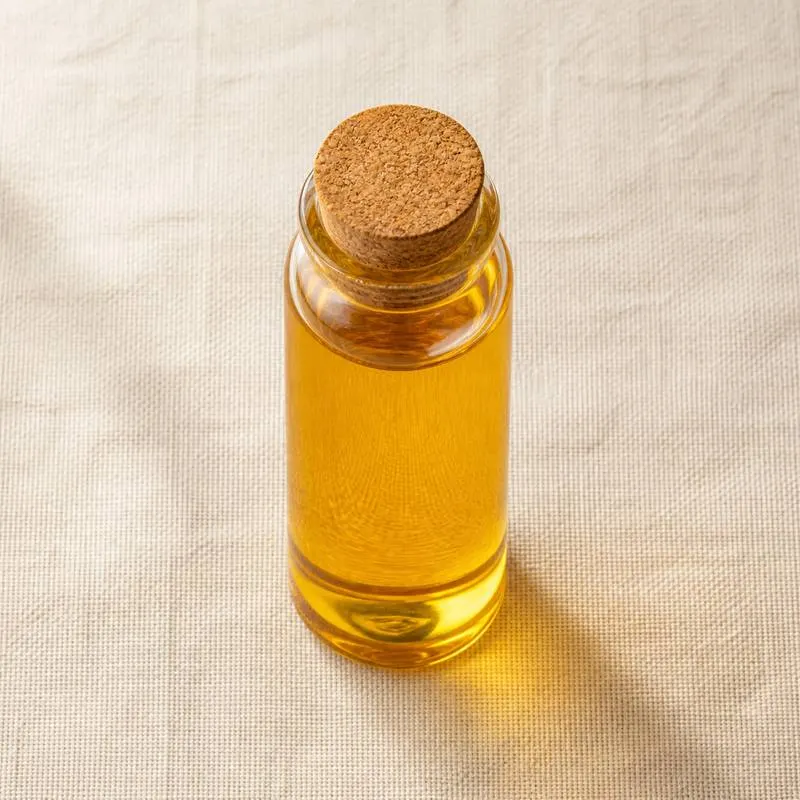
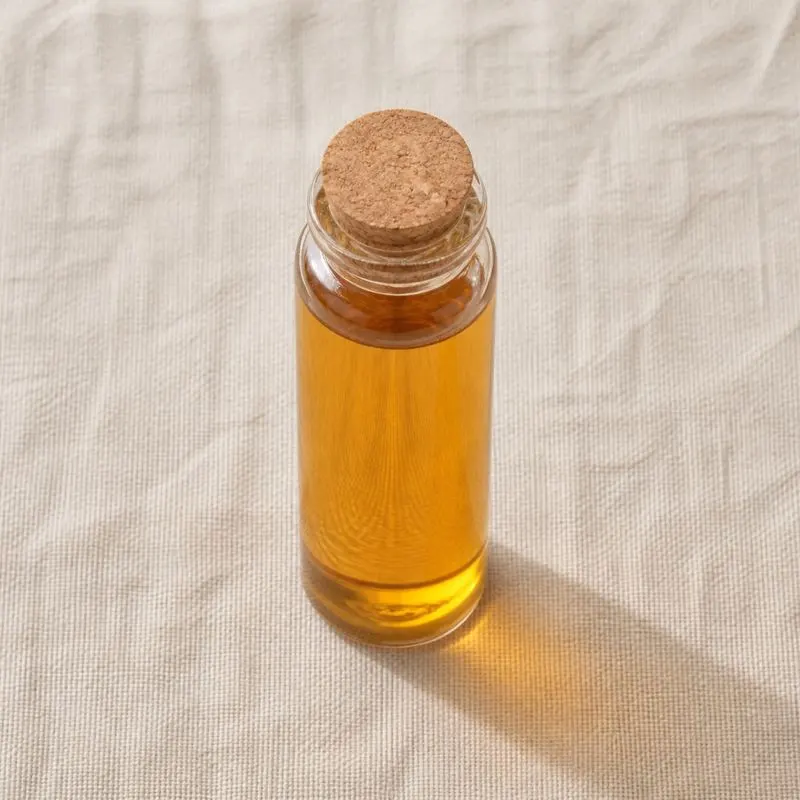
The material is a dark yellow to brown oil, often cloudy with suspended fines, insoluble in water and miscible with vegetable oils. Its four methylene interrupted double bonds make it as oxidation prone as the refined product, and the residual metals and pro oxidants left in it accelerate that further, so crude oil is held cold under nitrogen with antioxidant and is refined promptly rather than stored for long periods.
We source bulk ARA Crude Oil from top China manufacturers for our partners. The manufacturer is in Zhejiang. A smaller requirement can ship in a combined container with other ingredients.
Please send the grade you need, the volume and your destination port, and we will come back with a solution and a price.
or call +86-21-6858 0751
- Function
- Nutraceutical
Specifications
| Item | Specification |
|---|---|
| Appearance | Dark yellow to brown oil, may be cloudy with fines |
| Odour | Characteristic fungal, free of putrid notes |
| Arachidonic Acid (of total fatty acids) | Not less than 38.0 percent |
| Identification | Fatty acid profile by gas chromatography conforms |
| Free Fatty Acid (as oleic) | Not more than 3.0 percent |
| Peroxide Value | Not more than 10.0 meq/kg |
| Anisidine Value | Not more than 25 |
| Phosphorus | Not more than 200 mg/kg |
| Moisture and Volatile Matter | Not more than 0.5 percent |
| Insoluble Impurities | Not more than 0.5 percent |
| Unsaponifiable Matter | Not more than 5.0 percent |
| Residual Hexane | Not more than 100 mg/kg |
| Lead | Not more than 0.1 mg/kg |
| Arsenic | Not more than 0.1 mg/kg |
| Total Plate Count | Not more than 10000 cfu/g |
| Salmonella | Absent in 25 g |
Common Markets Grades
Crude oil is graded on the parameters that determine refining yield and the quality of the finished oil rather than on a consumer specification. Arachidonic acid content of total fatty acids is the headline figure, typically quoted at 38 percent minimum with higher assays traded at a premium. Alongside it sit free fatty acid, which drives neutralisation loss, phosphorus content as a measure of the gum load to be degummed, peroxide and anisidine values as measures of how much oxidation has already occurred, and unsaponifiable matter.
Extraction route is stated because it changes the refining requirement. Hexane extracted crude carries a residual solvent figure that the desolventising and deodorisation steps must clear, while supercritical carbon dioxide extracted crude carries none but is usually more expensive to produce. Moisture and insoluble impurities are specified because both cause problems in the neutralisation and bleaching stages. Because the material is a work in progress intermediate, specifications are set by contract between the fermentation producer and the refiner rather than by any public monograph, and there is no food grade or pharmaceutical grade tier at this stage.
Applications
- Feedstock for refined ARA oil manufacture, the sole significant commercial destination
- Intermediate transferred between fermentation and refining plants within integrated production
- Toll refining supply, where a fermentation producer contracts the refining stage to a third party oil plant
- Starting material for concentrated arachidonic acid grades made by further fractionation
- Substrate for enzymatic interesterification into structured lipids carrying arachidonic acid
- Raw material for arachidonic acid ethyl ester production by transesterification
- Feed and aquaculture lipid supply, where the full refining train is not required for the application
- Laboratory and pilot scale material for refining process development and yield trials
- Analytical sample material for fatty acid profile and oxidation method development
China Manufacturers of ARA Crude Oil
Top ARA Crude Oil manufacturers in China.
Company names and logos are the property of the manufacturers themselves. They are listed here because our own directory records them as producing this ingredient. A listing is not an endorsement by them, and we do not represent them or speak on their behalf.
Regulatory Status
ARA crude oil is a manufacturing intermediate and does not itself hold food status. Regulatory approvals in this category attach to the finished refined oil and to the organism and process that produce it, not to the unrefined stream, and the crude oil is therefore traded under contract specification and supplier quality agreements rather than under a food ingredient authorisation.
The approvals that apply to the finished product are the relevant frame for buyers. In the United States refined arachidonic acid oil from Mortierella alpina has been notified to the Food and Drug Administration as generally recognised as safe for use in infant formula and conventional foods, with the agency responding without objection, and infant formula use falls additionally under the infant formula regulations. In the European Union oil from Mortierella alpina holds novel food status and arachidonic acid features in the compositional requirements for infant and follow on formula. Neither framework is satisfied by crude oil, which must complete degumming, neutralisation, bleaching and deodorisation and meet the finished specification before it can be placed on the market as a food ingredient. Material handled at this stage falls under general food hygiene and food business operator obligations, and where a solvent extraction was used, the extraction solvents rules govern the residual hexane the refining train must remove.
Manufacturing Process
The oil originates in submerged aerobic fermentation of Mortierella alpina. Seed culture is developed through flask and seed vessel stages and inoculated into a stirred, aerated production fermenter charged with a glucose or starch hydrolysate carbon source, a soy or yeast derived nitrogen source and mineral salts. Over several days the culture is held to a controlled temperature, pH and dissolved oxygen profile, and the feed is arranged to move the organism out of growth and into nitrogen limitation. Under that condition it diverts carbon into intracellular triglyceride and raises the arachidonic acid share of that lipid.
At harvest the broth is pasteurised to stop the fermentation and to deactivate lipases that would otherwise raise free fatty acid. The mycelium is separated by filter press, rotary vacuum filter or centrifuge, washed, and dried to a low moisture in a fluid bed or flash drier, since residual water reduces extraction efficiency and promotes hydrolysis. The dried biomass is flaked or milled to open the cell structure, then extracted, either by percolation with hexane in a countercurrent extractor or by supercritical carbon dioxide in a high pressure vessel. The miscella is filtered to remove biomass fines and the solvent is stripped under vacuum at the lowest workable temperature, or the carbon dioxide is flashed off in a separator and recycled. What drops out is the crude oil. It is given a coarse filtration, dosed with tocopherol antioxidant, sampled for arachidonic acid, free fatty acid and phosphorus, and filled into drums or intermediate bulk containers under nitrogen for cold storage or transfer to the refinery.