L-Ergothioneine
L-Ergothioneine is a naturally occurring sulphur containing amino acid derivative, chemically 2 mercaptohistidine trimethylbetaine, in which a histidine imidazole ring carries a thiol at the 2 position and the alpha amino group is fully trimethylated to a betaine. It exists predominantly as the thione tautomer rather than the free thiol, and that tautomeric preference is the reason it does not autoxidise the way cysteine and glutathione do.
It is synthesised only by certain fungi, mycobacteria and cyanobacteria. Animals and plants cannot make it, and humans acquire it entirely from the diet, principally from mushrooms, with oyster and king oyster species being the richest common sources. Its distinctive biological feature is a dedicated transporter, OCTN1, which actively concentrates it in tissues under oxidative stress, and it is that selective accumulation rather than raw radical scavenging potency that underlies the interest in it as an ingredient.
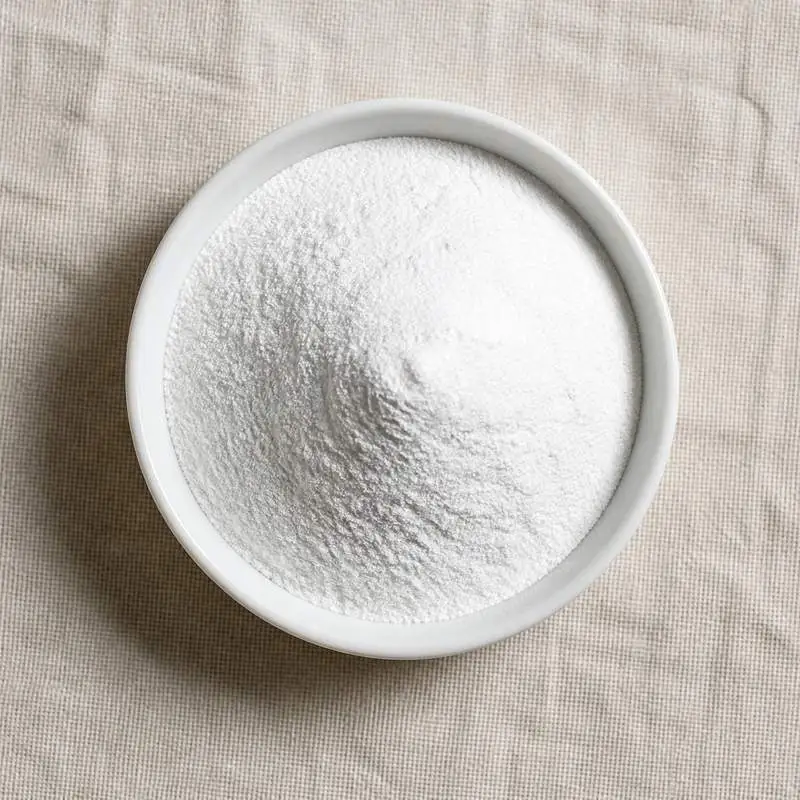
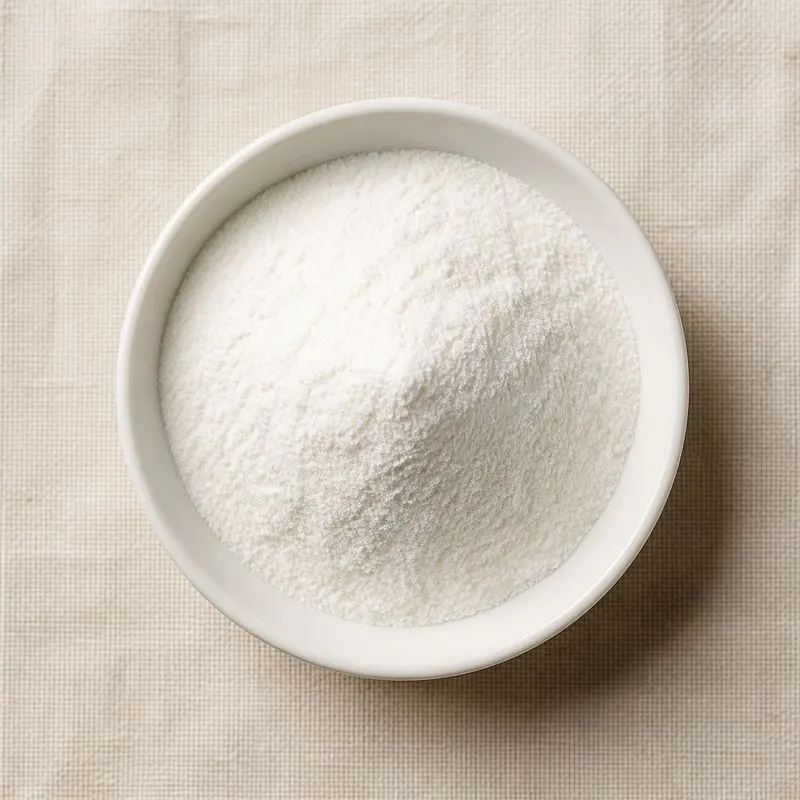
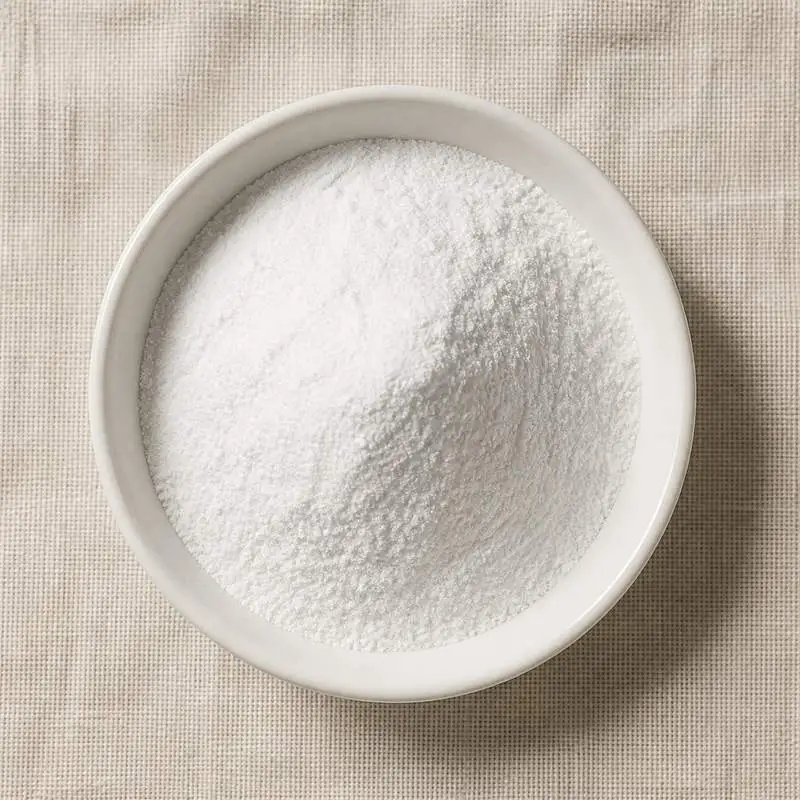
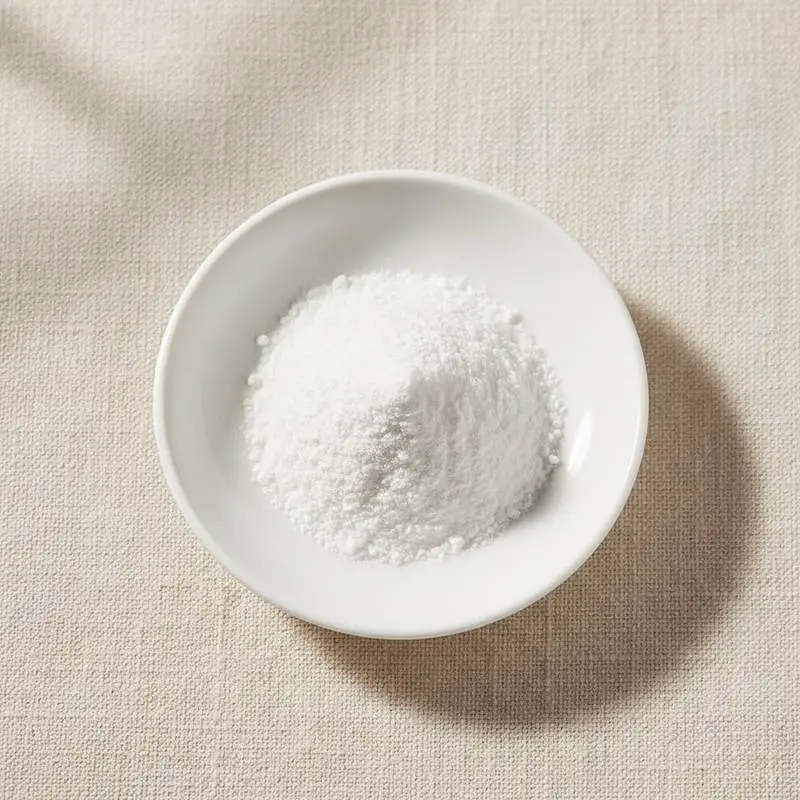
Commercial material is a white to off white crystalline powder, freely soluble in water and only sparingly soluble in ethanol. Unusually for a thiol containing compound it is stable in aqueous solution across a wide pH range and tolerates pasteurisation and normal processing, which makes it far easier to formulate than most sulphur antioxidants. It is not noticeably hygroscopic and does not develop the sulphurous odour associated with free thiols.
We source bulk L-Ergothioneine from top China manufacturers for our partners, working with several of them. The manufacturers are in Jiangsu, Shanghai and Guangdong. A smaller requirement can ship in a combined container with other ingredients.
Please send the grade you need, the volume and your destination port, and we will come back with a solution and a price.
or call +86-21-6858 0751
Specifications
| Item | Specification |
|---|---|
| Appearance | White to off white crystalline powder |
| Assay (HPLC, dried basis) | Not less than 98.0 percent |
| Identification | Infrared, nuclear magnetic resonance and HPLC conform to reference |
| Enantiomeric Purity (L form) | Not less than 99.0 percent |
| Specific Optical Rotation | Plus 116 to plus 126 degrees |
| Related Substances | Any single impurity not more than 0.5 percent |
| Loss on Drying | Not more than 1.0 percent |
| Residue on Ignition | Not more than 0.2 percent |
| pH (1 percent solution) | 5.0 to 7.5 |
| Residual Solvents | Conforms to ICH Class 3 limits |
| Lead | Not more than 0.5 mg/kg |
| Arsenic | Not more than 0.5 mg/kg |
| Heavy Metals (as Pb) | Not more than 10 mg/kg |
| Total Plate Count | Not more than 1000 cfu/g |
| Yeast and Mould | Not more than 100 cfu/g |
| E. coli | Absent in 1 g |
| Salmonella | Absent in 25 g |
Common Markets Grades
The material is traded essentially as one chemical specification, the L enantiomer at 98 percent or higher assay by high performance liquid chromatography, with the D enantiomer controlled as a named impurity since only the L form is transported and used biologically. Enantiomeric purity is therefore a more meaningful figure than total assay when comparing offers.
The commercial distinction is by manufacturing route rather than by grade. Fermentation derived material from an engineered microorganism dominates supply and is specified on residual protein, host cell DNA where the process requires it, and residual solvent. Synthetic material is available and is specified on related substances and process solvents. Mushroom extract concentrates standardised to a stated ergothioneine content, generally well below one percent, are a separate and much cheaper product class sold on their natural origin, and they should not be compared directly with the isolated compound on a per kilogram basis. Physical presentation is limited to fine crystalline powder and micronised powder, with no coated or encapsulated grade in general trade.
Applications
- Healthy ageing and longevity supplements, positioned on cellular protection and mitochondrial function
- Cognitive support formulations, following observational work linking blood levels to cognitive decline
- Eye health supplements, where the transporter concentrates it in ocular tissue
- Skin health nutricosmetics taken orally for photoprotection and skin quality claims
- Topical serums and creams, where it is used as a stable antioxidant active in cosmetic formulation
- Sports and recovery products aimed at exercise induced oxidative stress
- Functional beverages, where its solubility and thermal stability allow dosing without a protective system
- Fortified foods and dairy products, where it survives pasteurisation intact
- Cell culture media supplementation in research and biomanufacturing
- Analytical reference standard for quantifying ergothioneine in food and plasma
Brands Using L-Ergothioneine
Widely-distributed consumer products that list L-Ergothioneine on the ingredient label.
- NutricostL-Ergothioneine Capsules ↗Each capsule provides 30 mg of L-ergothioneine derived from mushrooms, with 120 servings per bottle.Label verified 2026-08-31
- Double Wood SupplementsL-Ergothioneine Supplement ↗A single-ingredient capsule of mushroom-derived L-ergothioneine, labelled gluten free, vegan and non-GMO.Label verified 2026-08-31
Brand names, product names and logos are the property of their owners. They appear here as published evidence that the ingredient is used, taken from the brand's own label or website. Their appearance is not an endorsement, and it does not mean the brand buys from us or from any manufacturer listed on this site.
China Manufacturers of L-Ergothioneine
Top L-Ergothioneine manufacturers in China.
 Changzhou Kansenbio Technology Co., Ltd.5 ingredients in the directory
 Geneiii Bio-tec Co., Ltd.1 ingredient in the directory
 Hygieia17 ingredients in the directory
 Shanghai Egt Synbio Group Co., Ltd.1 ingredient in the directory
 Shanghai Natural Biotechnology Co., Ltd.9 ingredients in the directory
Company names and logos are the property of the manufacturers themselves. They are listed here because our own directory records them as producing this ingredient. A listing is not an endorsement by them, and we do not represent them or speak on their behalf.
Regulatory Status
In the United States L-ergothioneine has been the subject of a generally recognised as safe notification to the Food and Drug Administration for use in specified food and beverage categories, with the agency responding without objection, and it is also marketed as a dietary ingredient under the dietary supplement framework. That status attaches to the specific manufacturing route and specification described in the notification rather than to the substance in the abstract.
In the European Union synthetic L-ergothioneine was authorised as a novel food following a European Food Safety Authority safety opinion, with the permitted food categories, target populations and maximum use levels set out in the Union list of novel foods, and the authorisation initially carried data protection to the applicant. Material produced by a different route, including fermentation derived product, requires its own authorisation or an extension of use rather than inheriting the synthetic listing, which is the practical point for buyers sourcing into Europe. It is not a food additive and holds no E number, it carries no authorised health claim, and neither JECFA nor Codex has published specifications.
Manufacturing Process
Two industrial routes exist. The dominant commercial route is precision fermentation using a microorganism engineered to overexpress the ergothioneine biosynthetic pathway, most often an Escherichia coli, Aspergillus or yeast host carrying the egtA to egtE genes or their fungal equivalents. The organism is grown in a stirred aerated fermenter on a glucose based medium supplied with the sulphur donor and the methyl donor precursors the pathway requires, over a run of several days under controlled temperature, pH and dissolved oxygen, with a feed strategy that pushes flux toward the product once biomass has been built.
At harvest the broth is heated to stop the fermentation and the biomass is removed by centrifugation and microfiltration. Because ergothioneine is a zwitterionic betaine, it is captured cleanly from the clarified liquor on an ion exchange resin, washed to remove medium components, amino acids and colour bodies, and eluted as a concentrated fraction. The eluate is passed over activated carbon for decolourisation, desalted by nanofiltration or electrodialysis, then concentrated under vacuum at low temperature. Crystallisation from an aqueous ethanol system gives the product, which is centrifuged, washed with cold ethanol and dried under vacuum. Dried crystals are milled, sieved and packed in foil laminate. The synthetic alternative builds the molecule from a protected histidine derivative by exhaustive methylation of the alpha amino group followed by introduction of the sulphur at the 2 position of the imidazole ring, then deprotection, chromatographic purification and the same crystallisation and drying train.