Phytosterols
Phytosterols are a family of plant-derived sterols structurally analogous to cholesterol, differing principally by the presence of an additional methyl or ethyl group on the side chain at C-24.
The commercial mixture is dominated by three molecules: β-sitosterol (typically 40 to 60 percent of the mass), campesterol (20 to 30 percent), and stigmasterol (15 to 25 percent), with brassicasterol and minor sterols making up the balance. The composition reflects the original feedstock.
We source bulk Phytosterols from top China manufacturers for our partners, working with several of them. The manufacturers are in Jiangsu, Zhejiang and Shaanxi. For this ingredient the minimum order is 500 kg and a 20-foot container takes 7 MT, and a smaller requirement can ship in a combined container with other ingredients.
Please send the grade you need, the volume and your destination port, and we will come back with a solution and a price.
or call +86-21-6858 0751
- Minimum order
- 500 kg
- Qty in 20' FCL
- 7 MT
- Packaging
- 25 kg kraft paper bag with PE inner liner
- ISO 9001
- HACCP
- Halal
- Kosher
Specifications
Grades / Types Available: Food Grade, Feed Grade
| Item | Specification |
|---|---|
| Appearance | White to off-white powder |
| Total Phytosterols | ≥ 95% |
| Beta-Sitosterol | ≥ 40% |
| Campesterol | 20-30% |
| Stigmasterol | 15-25% |
| Melting Point | 135-145°C |
| Heavy Metals (as Pb) | ≤ 2 mg/kg |
| Purity/Assay | ≥ 95% (Food Grade) |
| Moisture/Loss on Drying | ≤ 5% (Food Grade) |
| Lead | ≤ 1 ppm (Food Grade) |
| Arsenic | ≤ 0.5 ppm (Food Grade) |
| Total Plate Count | ≤ 1000 cfu/g (Food Grade) |
| Yeast & Mold | ≤ 100 cfu/g (Food Grade) |
Common Markets Grades
Phytosterols are graded by total sterol content and by sterol distribution.
Standard food-grade material delivers greater than 90 percent total free sterols, with greater than 95 percent and greater than 98 percent grades available for premium food and supplement applications.
Soybean-source material carries higher stigmasterol content and is preferred for vegetable-oil applications. Tall-oil-source material (a Kraft-process by-product from softwood pulping) carries higher sitosterol and sitostanol content and is preferred for stanol-ester products and for some functional-food applications.
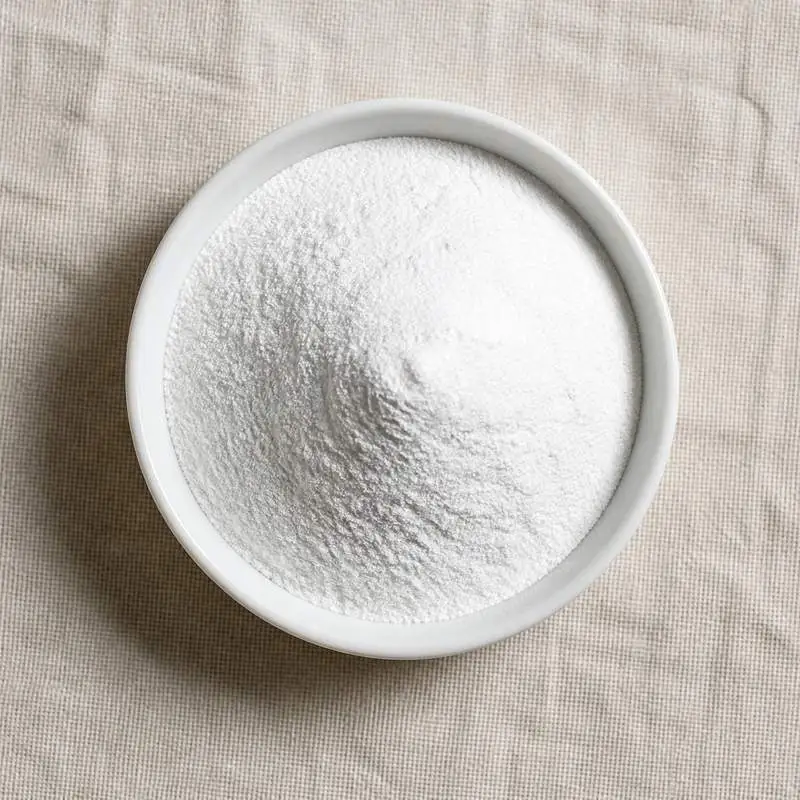
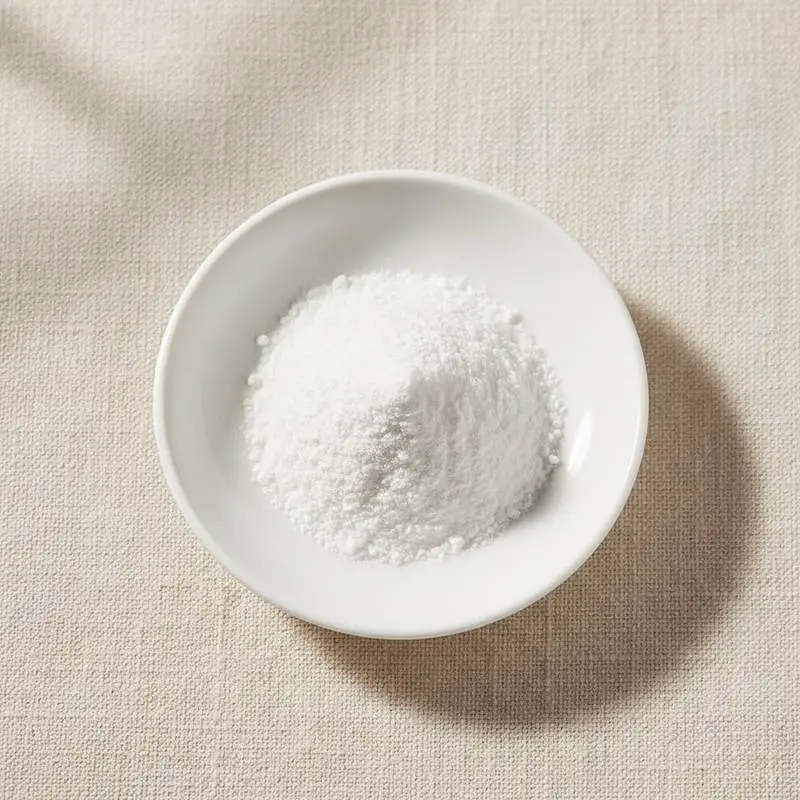
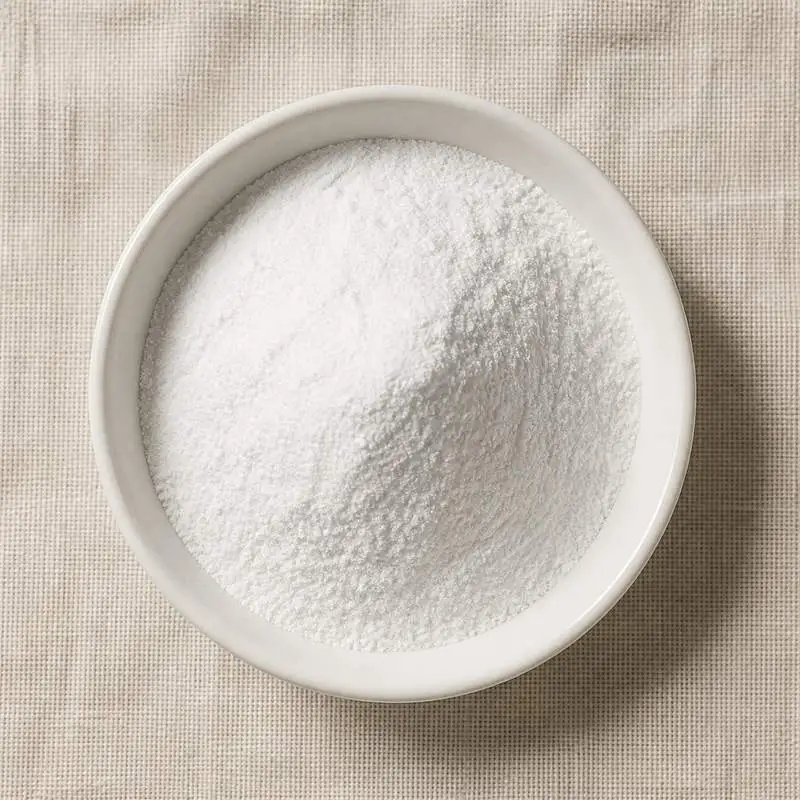
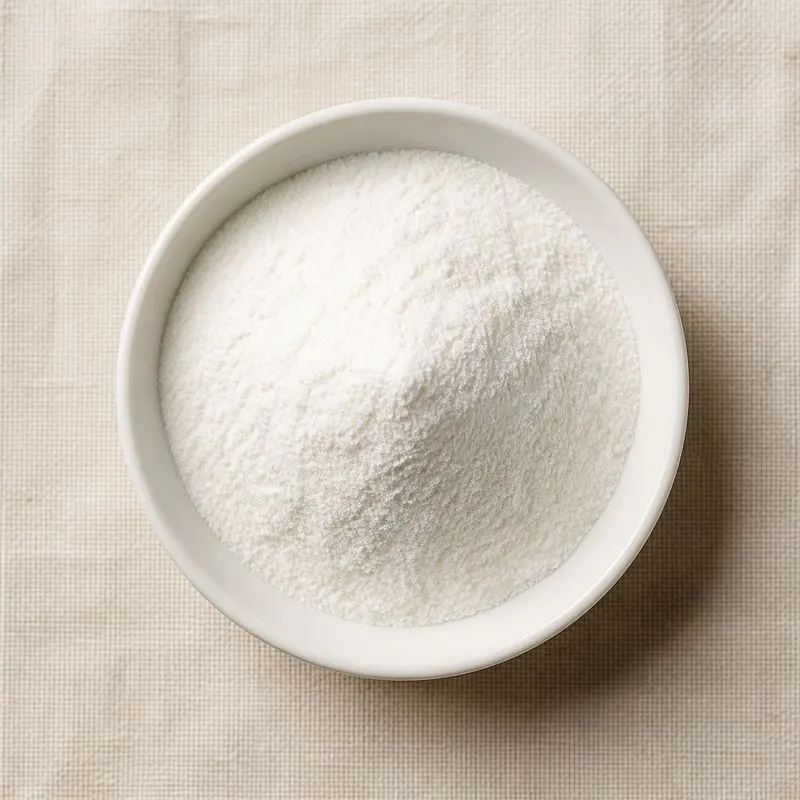
The free-sterol form is a fine white-to-off-white crystalline powder, with particle-size and crystal-form variants for dispersibility.
Dietary-supplement grades are commonly offered as 400 mg or 800 mg compressed tablets and as oil suspensions for softgel filling.
The esterified form (phytosterol esters) is a separate commercial category covered in its own monograph.
Applications
- Cholesterol-management dietary supplements in capsule and tablet form
- Fortified margarines, spreads, and butter alternatives in the cardiovascular-health category
- Fortified dairy products including yogurt drinks, milk, and cheese alternatives
- Fortified bakery products, breakfast cereals, and granola bars
- Beverage fortification in plant-milk and ready-to-drink shake formats
- Men's prostate-health formulas, particularly β-sitosterol-enriched products for BPH
- Sports-nutrition recovery and lipid-management stacks
- Cosmetic actives in moisturizers, anti-aging creams, and barrier-repair formulas
- Pharmaceutical excipients and starting materials for steroid semi-synthesis
- Animal-feed fortification in functional pet-food and aquaculture applications
- Industrial intermediates for the production of estradiol, progesterone, and hydrocortisone via microbial sidechain cleavage
Brands Using Phytosterols
Widely-distributed consumer products that list Phytosterols on the ingredient label.
- Nature MadeNature Made CholestOff Plus ↗A softgel supplying 900 mg plant sterols and stanols per serving, or 1,800 mg daily.Label verified 2026-05-24
- Nature MadeNature Made CholestOff Complete ↗Softgel providing 900 mg of Reducol plant sterols/stanols plus Pantesin per serving (1800 mg daily phytosterols) for LDL cholesterol support.Label verified 2026-05-24
- Cooper CompleteCooper Complete Plant Sterols ↗Tablet providing 1000 mg of plant sterols per serving (4 g daily) to help lower LDL cholesterol via dietary sterol absorption blockade.Label verified 2026-05-24
- Endurance Products CompanyEndurance Phytosterols 450 mg ↗A tablet supplying 450 mg phytosterols (plant sterols).Label verified 2026-05-24
- Patient OnePatient One Phytosterol Complex ↗Phytosterol complex capsule delivering beta-sitosterol, campesterol and stigmasterol for cardiovascular and cholesterol support.Label verified 2026-05-24
- Piping RockPlant Sterols Complex with Beta Sitosterol 1200 mg ↗Softgel supplying 1200 mg of plant sterol complex per serving with beta-sitosterol, campesterol and stigmasterol for heart health.Label verified 2026-05-24
Brand names, product names and logos are the property of their owners. They appear here as published evidence that the ingredient is used, taken from the brand's own label or website. Their appearance is not an endorsement, and it does not mean the brand buys from us or from any manufacturer listed on this site.
China Manufacturers of Phytosterols
Top Phytosterols manufacturers in China.
 Jiangsu Conat Biological Products Co., Ltd.2 ingredients in the directory
- Ningbo Dahongying Bio-engineering Co., Ltd.4 ingredients in the directory
 Wilmar Nutrition (Jiangsu) Co., Ltd.4 ingredients in the directory
 Xi'an Healthful Biotechnology Co., Ltd.5 ingredients in the directory
 Zhejiang Worldbestve Biotechnology Co., Ltd.3 ingredients in the directory
Company names and logos are the property of the manufacturers themselves. They are listed here because our own directory records them as producing this ingredient. A listing is not an endorsement by them, and we do not represent them or speak on their behalf.
How We Help Source Phytosterols
Direct Factory Sourcing
We run the whole process: selecting the manufacturer from the top Chinese food ingredient producers, negotiating the price, verifying quality, and coordinating the logistics. You deal with us instead of with several factories at once.
Original Packaging and Documents from the Manufacturer
The manufacturer sends your Phytosterols out of its own factory in the original packing, through to your destination port. The COA, COO, MSDS, TDS and any certifications reach you from the manufacturer as well.
Free Samples and Lead Time
We send 100 to 500 g free for your own laboratory to test and you cover only the courier, usually within 2 to 3 working days. ETD is usually within 7 to 15 days once the order is confirmed, and we check that date against the factory's own manufacturing schedule before we give it to you.
Combined Shipment
We can load Phytosterols together with other ingredients such as Arachidonic Acid, Coenzyme Q10 and Chondroitin Sulphate Sodium into one 20' FCL. If your quantity is small, we can also ship LCL.
Regulatory Status
Phytosterols have a strong global regulatory footprint built around their cholesterol-lowering activity.
The U.S. Food and Drug Administration granted an authorised health claim in 2000 connecting plant sterol and stanol consumption to reduced risk of coronary heart disease, codified in 21 CFR 101.83.
The European Food Safety Authority issued a positive Article 14 health-claim opinion in 2008 covering plant sterols and stanols for blood-cholesterol reduction, and finished products in the EU may carry the corresponding approved claim wording under specified usage conditions.
Phytosterols and phytostanols are also approved Novel Food ingredients in the EU under Regulation (EU) 2015/2283, with specified food categories and labelling requirements.
JECFA has evaluated phytosterols and phytosterol esters and confirmed their suitability for use as food ingredients.
Kosher and Halal certifications are routinely available for vegetable-oil-derived material.
Manufacturing Process
The two dominant industrial feedstocks are vegetable-oil deodoriser distillates (DOD) and tall-oil pitch from softwood pulping.
Deodoriser distillate is the volatile fraction collected during the deodorisation step of edible-oil refining. It is rich in tocopherols, free fatty acids, and free and esterified phytosterols. Soybean, rapeseed, sunflower, and corn oils all yield commercial-scale DOD streams.
The DOD is first esterified with methanol to convert free fatty acids and sterol esters to methyl esters. Molecular distillation under high vacuum then separates the volatile methyl esters and tocopherols from the higher-boiling sterol fraction.
The sterol fraction is crystallised from a polar solvent such as methanol or acetone to give crude sterols, then recrystallised to greater than 95 percent purity.
The tall-oil route uses crude tall oil from the Kraft pulping of pine and spruce. After saponification and acidification, the unsaponifiable fraction is enriched in sitosterol and sitostanol, which are isolated by crystallisation.
The classical hydrogenation of phytosterols to phytostanols (sitostanol, campestanol) is carried out at this stage on stanol-ester product lines.