Arachidonic Acid
Arachidonic acid is a long chain polyunsaturated fatty acid of the omega 6 series, systematically all cis 5,8,11,14 eicosatetraenoic acid, with the shorthand designation C20:4 n-6. It is a twenty carbon chain carrying four cis double bonds, and it is the principal omega 6 fatty acid of cell membrane phospholipids in animal tissue.
In nutrition it is classed as conditionally essential. The body can elongate and desaturate linoleic acid to reach it, but that conversion is limited in infants, so arachidonic acid is present in human milk and is added to infant formula alongside docosahexaenoic acid. Biochemically it is the substrate from which the eicosanoids are formed, the prostaglandins, thromboxanes and leukotrienes that mediate inflammatory and vascular signalling.
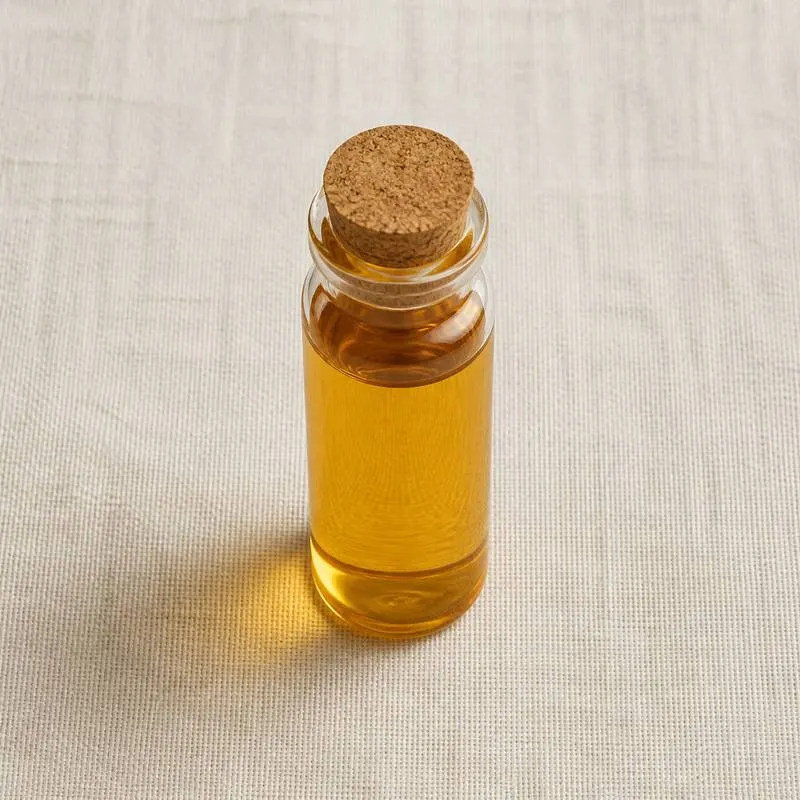
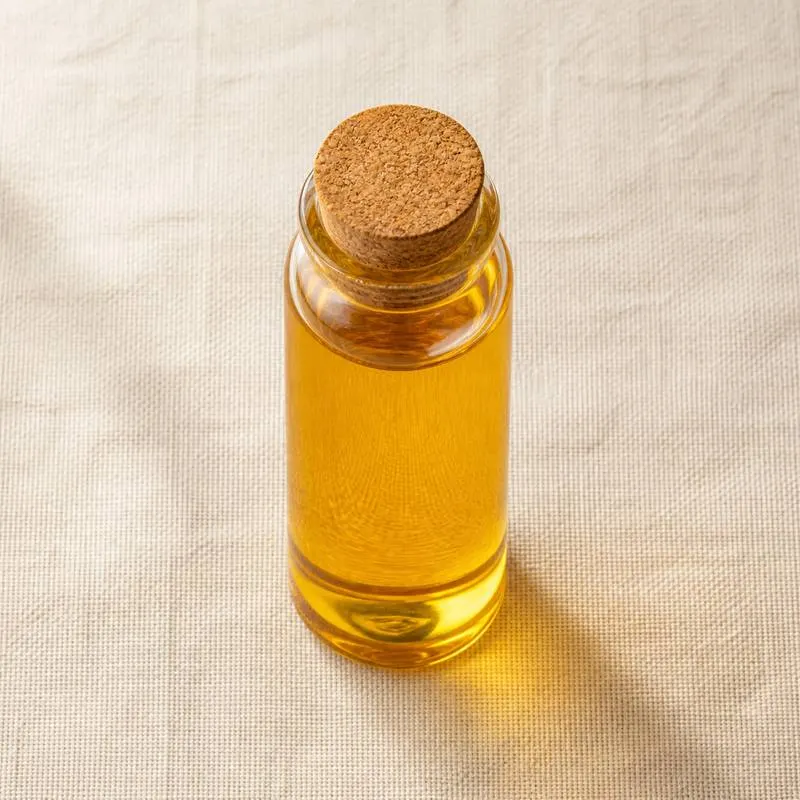
Commercial material is sold not as the free acid but as a triglyceride oil in which arachidonic acid occupies 38 to 50 percent of the fatty acids, produced by fungal fermentation. It is a clear pale yellow to amber oil, insoluble in water, soluble in hexane and ethanol, and highly prone to oxidation because of the four methylene interrupted double bonds. Antioxidant addition, nitrogen blanketing, cold storage and light protection are all standard. A microencapsulated powder form is produced for dry blending.
We source bulk Arachidonic Acid from top China manufacturers for our partners, working with several of them. The manufacturers are mostly in Hubei, Zhejiang and Anhui. A smaller requirement can ship in a combined container with other ingredients.
Please send the grade you need, the volume and your destination port, and we will come back with a solution and a price.
or call +86-21-6858 0751
- Function
- Nutraceutical
Specifications
| Item | Specification |
|---|---|
| Appearance | Clear pale yellow to amber oil, free of sediment |
| Odour and Taste | Bland to mildly characteristic, free of rancid notes |
| Arachidonic Acid (of total fatty acids) | Not less than 38.0 percent |
| Identification | Fatty acid profile by gas chromatography conforms |
| Free Fatty Acid (as oleic) | Not more than 0.4 percent |
| Peroxide Value | Not more than 5.0 meq/kg |
| Anisidine Value | Not more than 20 |
| Moisture and Volatile Matter | Not more than 0.1 percent |
| Unsaponifiable Matter | Not more than 2.0 percent |
| Trans Fatty Acids | Not more than 1.0 percent |
| Residual Solvent | Not more than 10 mg/kg |
| Lead | Not more than 0.1 mg/kg |
| Arsenic | Not more than 0.1 mg/kg |
| Total Plate Count | Not more than 1000 cfu/g |
| Yeast and Mould | Not more than 100 cfu/g |
| Salmonella | Absent in 25 g |
Common Markets Grades
The oil is graded chiefly on arachidonic acid content in the triglyceride. A 40 percent grade is the long standing infant formula reference, a 38 to 42 percent band is the general commercial standard, and concentrated grades at 45 to 50 percent are traded for supplement and clinical nutrition use where dose volume matters. All grades are specified additionally on free fatty acid, peroxide and anisidine values, since oxidation state determines both flavour and stability in the finished product.
Two physical forms are traded. Suppliers pack refined oil in nitrogen flushed cans, drums or intermediate bulk containers, usually with added tocopherols and sometimes ascorbyl palmitate. Microencapsulated powder, typically 7 to 10 percent arachidonic acid in a matrix of modified starch, protein and antioxidant, is used for dry infant formula and powdered supplement blends where an oil cannot be dosed. Non genetically modified status, kosher and halal certification and an allergen free declaration are routinely part of the traded specification.
Applications
- Infant and follow on formula, where it is dosed with docosahexaenoic acid to match the long chain fatty acid pattern of human milk
- Preterm and specialised infant nutrition, where endogenous conversion from linoleic acid is least able to meet requirement
- Clinical and enteral nutrition for patients with impaired fatty acid desaturation
- Adult supplement capsules, where it is taken alongside resistance training as a substrate for eicosanoid signalling
- Sports nutrition softgels and powdered blends, using the microencapsulated form for dry mixes
- Medical food formulations for cognitive and neurological support in older adults
- Pet food and companion animal supplements, where cats have limited capacity to synthesise it and require a dietary source
- Aquaculture and larval fish feeds, where it supports stress response and pigmentation in hatchery stages
- Cell culture and biotechnology media as a defined lipid supplement
- Reference standard and substrate material for eicosanoid research and analytical laboratories
Brands Using Arachidonic Acid
Widely-distributed consumer products that list Arachidonic Acid on the ingredient label.
Brand names, product names and logos are the property of their owners. They appear here as published evidence that the ingredient is used, taken from the brand's own label or website. Their appearance is not an endorsement, and it does not mean the brand buys from us or from any manufacturer listed on this site.
China Manufacturers of Arachidonic Acid
Top Arachidonic Acid manufacturers in China.
 ATK Biotech Co., Ltd.3 ingredients in the directory
 CABIO Biotech (Wuhan) Co., Ltd.9 ingredients in the directory
 Hubei Fuxing Biotechnology Co., Ltd.4 ingredients in the directory
 Hubei Xinhe Biological Technology Co., Ltd.7 ingredients in the directory
- Qingdao Keyuan Marine Biochemistry Co., Ltd.2 ingredients in the directory
- Zhejiang Grand Biotech Co., Ltd.6 ingredients in the directory
 Zhejiang Tianhecheng Bio-technology Shares Co., Ltd.17 ingredients in the directory
Company names and logos are the property of the manufacturers themselves. They are listed here because our own directory records them as producing this ingredient. A listing is not an endorsement by them, and we do not represent them or speak on their behalf.
Regulatory Status
In the United States arachidonic acid oil from Mortierella alpina has been the subject of generally recognised as safe notifications to the Food and Drug Administration for use in infant formula and in conventional foods, and the agency responded without objection. Its inclusion in infant formula also falls under the infant formula regulations, which govern nutrient content, manufacturing controls and notification before marketing.
In the European Union oil from Mortierella alpina was authorised as a novel food, and arachidonic acid appears in the compositional rules for infant and follow on formula, where recent regulation requires long chain polyunsaturated fatty acids in specified proportions. It is not a food additive and carries no E number. JECFA and Codex address it through the Codex standard for infant formula, which sets compositional requirements for the fatty acid. Product intended for animal feed and aquaculture is regulated separately under the feed materials and feed additive frameworks in both jurisdictions.
Manufacturing Process
Industrial arachidonic acid is made by submerged fermentation of the filamentous fungus Mortierella alpina, an oleaginous soil organism that accumulates the fatty acid in intracellular triglyceride. Extraction from animal tissue, the historical source, is no longer commercially relevant. Seed culture is propagated through successive flasks and seed tanks, then transferred into a stirred aerated production fermenter charged with a glucose or vegetable starch hydrolysate carbon source, a yeast extract or soy based nitrogen source, and mineral salts. The run is carried out over several days under controlled temperature, pH and dissolved oxygen, with a deliberate shift to nitrogen limitation part way through that pushes the organism from growth into lipid accumulation.
At harvest the broth is pasteurised and the mycelium separated by filtration or centrifugation, then dried. Oil is recovered from the dried biomass by hexane extraction or by supercritical carbon dioxide extraction, and the miscella is desolventised under vacuum. The crude oil then passes through a conventional edible oil refining train adapted for a delicate polyunsaturated product: degumming, alkali neutralisation or short path physical refining, bleaching on activated clay under vacuum, winterisation where a clear cold product is required, and deodorisation by short path or molecular distillation at the lowest workable temperature to limit isomerisation. Tocopherols are dosed into the cooled oil and the product is filled under nitrogen. Powder grades are made by emulsifying the finished oil with a carrier and wall material and spray drying under inert conditions.