β-Nicotinamide Mononucleotide
β-Nicotinamide Mononucleotide, abbreviated NMN, is a phosphorylated nucleotide and the immediate biosynthetic precursor to nicotinamide adenine dinucleotide (NAD+). The molecule has the formula C₁₁H₁₅N₂O₈P, a molar mass of 334.22 g/mol, and CAS number 1094-61-7.
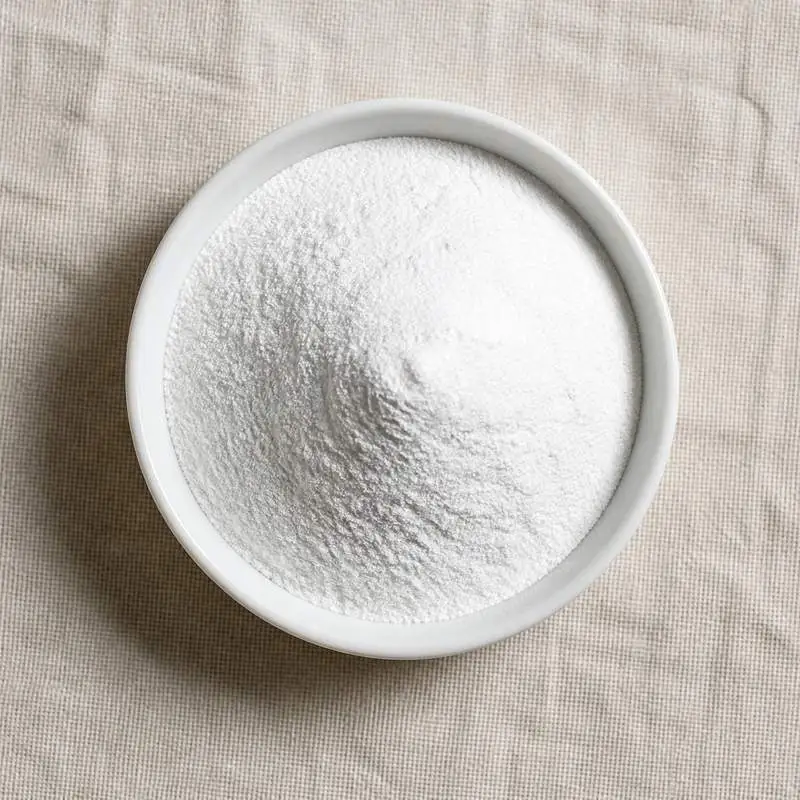
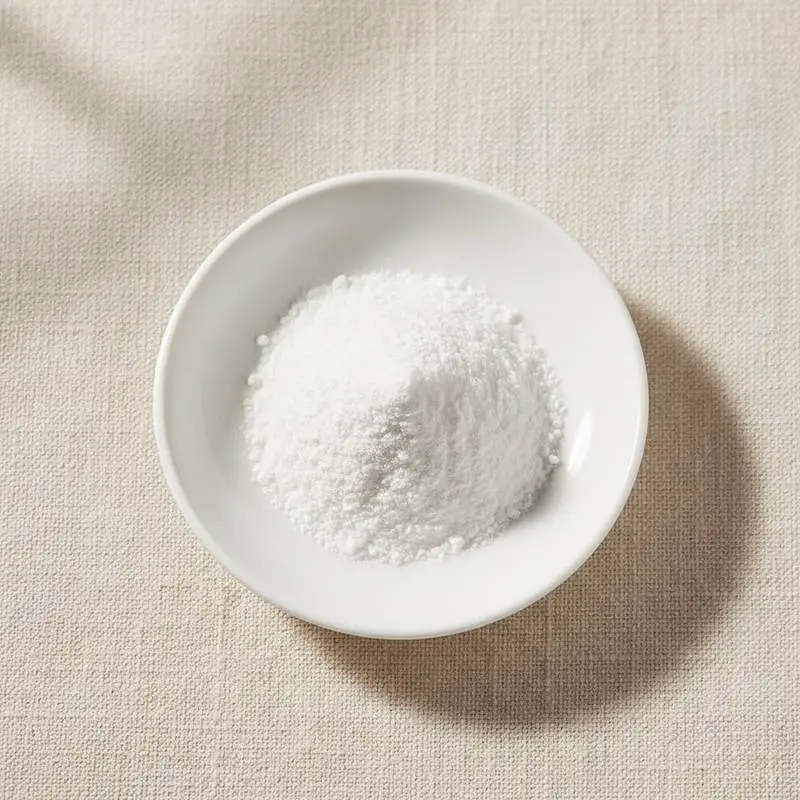
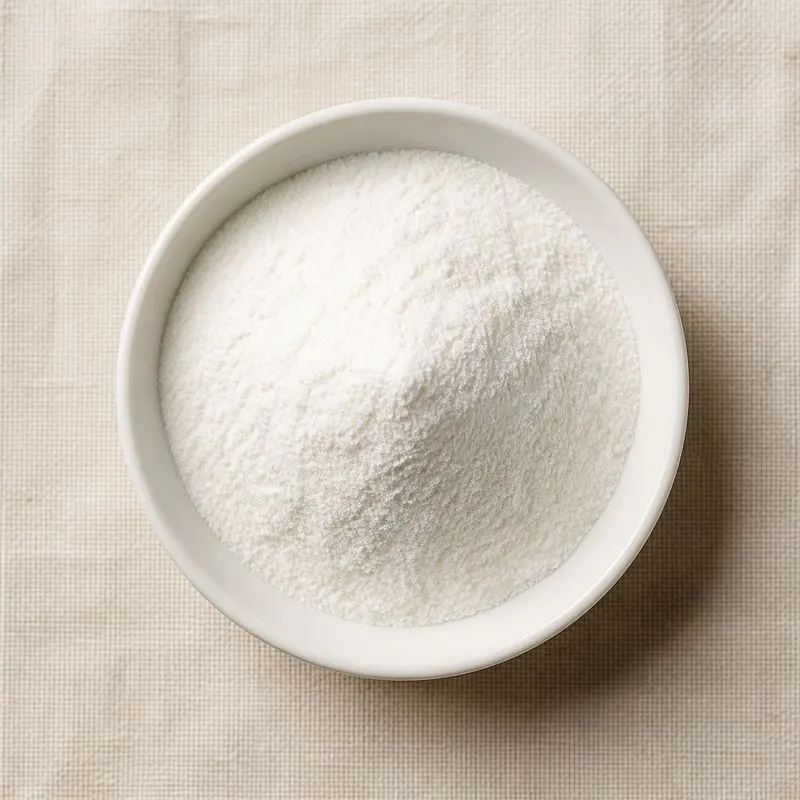
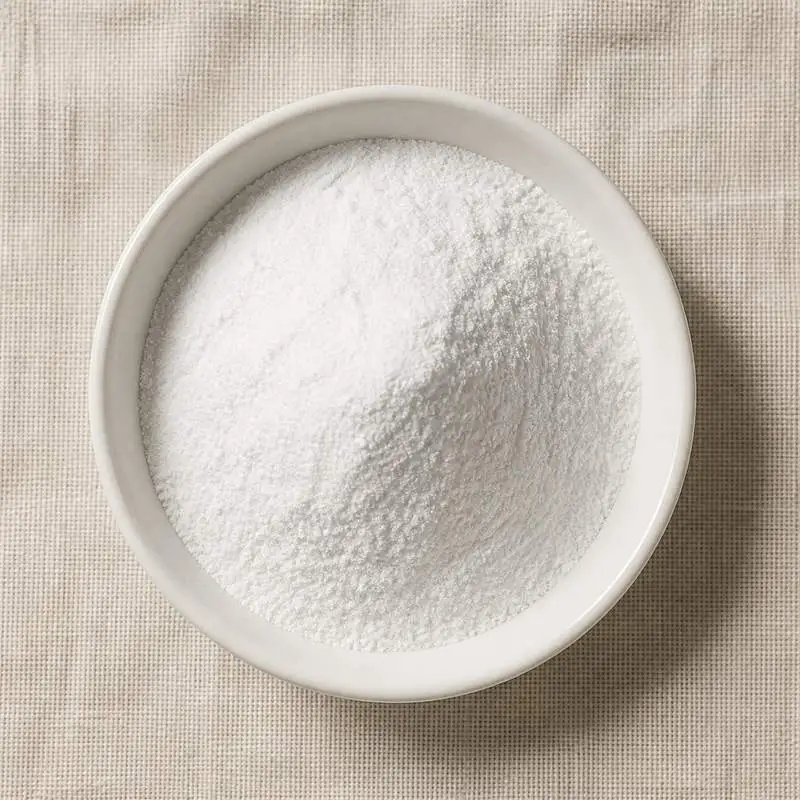
It is a white to off-white crystalline powder, freely soluble in water, with weak bitterness and a slight odour. The β-anomer is the bioactive form and is the standard commercial specification.
We source bulk β-Nicotinamide Mononucleotide from top China manufacturers for our partners, working with several of them. The manufacturers are mostly in Shanghai, Jilin and Guangdong. A smaller requirement can ship in a combined container with other ingredients.
Please send the grade you need, the volume and your destination port, and we will come back with a solution and a price.
or call +86-21-6858 0751
- Packaging
- 25 kg kraft paper bag with PE inner liner
- ISO 9001
- HACCP
- Halal
- Kosher
Specifications
| Item | Specification |
|---|---|
| Appearance | White to off-white crystalline powder |
| Assay (HPLC) | ≥99.0% |
| Isomer | β-form ≥99% |
| Moisture | ≤2.0% |
| Specific Rotation | +38° to +42° |
| pH (1% sol.) | 1.0–2.5 |
| Heavy Metals (as Pb) | ≤1 mg/kg |
| Arsenic | ≤0.5 mg/kg |
| Residue on Ignition | ≤0.5% |
| Solvent Residue | Complies with USP |
| Total Plate Count | ≤1,000 cfu/g |
| Salmonella | Absent in 10g |
Common Markets Grades
β-Nicotinamide Mononucleotide is commercialized at not less than 99 percent purity by HPLC for dietary supplement use, with tight controls on α-anomer content and related substances.
Pharmaceutical-grade material runs at 99.5 percent or higher and carries full GMP documentation including residual solvents, heavy metals, microbial limits, and endotoxin specifications.
An enteric-coated beadlet grade is produced for supplement applications where gastric protection is desired. Sublingual lozenge and orally disintegrating tablet grades use micronized powder for rapid mucosal absorption.
Cosmetic-grade NMN comes as a 1 to 5 percent solution in water or glycerin carrier for topical anti-aging serums, with low-temperature packaging to preserve stability.
Applications
- Longevity and anti-aging dietary supplements as a NAD+ booster
- Energy and metabolic support formulas paired with resveratrol or pterostilbene
- Sports nutrition for recovery, endurance, and metabolic flexibility
- Cognitive support stacks with PQQ, CoQ10, and acetyl-L-carnitine
- Sublingual lozenges and orally disintegrating tablets for direct mucosal delivery
- Functional beverages and beauty drinks in nutricosmetic positioning
- Topical anti-aging serums and eye creams targeting cellular energy
- Veterinary supplements for senior dogs and performance horses
- Investigational pharmaceutical preparations in metabolic and neurodegenerative research
- Skincare combination products with niacinamide for synergistic positioning
- Reference standard for analytical method development in NAD+ metabolomics
Brands Using β-Nicotinamide Mononucleotide
Widely-distributed consumer products that list β-Nicotinamide Mononucleotide on the ingredient label.
- DoNotAgePure NMN 500mg (Powder & Capsules) ↗99.8% pure NMN (Uthever brand); 500mg per capsule or scoop.Label verified 2026-05-24
- DoNotAgePure NMN Powder ↗Bulk Uthever NMN powder; no fillers or additives.Label verified 2026-05-24
- ProHealth LongevityNMN Pro 500 Enhanced Absorption (60 capsules) ↗500mg Uthever NMN per capsule with enhanced absorption delivery.Label verified 2026-05-24
- ProHealth LongevityNMN Pro Powder (500 grams) ↗Bulk Uthever NMN powder for longevity NAD+ support.Label verified 2026-05-24
- Renue By ScienceNMN (Liposomal) 90 ct x 250 mg ↗250mg liposomal NMN per capsule for enhanced bioavailability.Label verified 2026-05-24
- Renue By ScienceNMN Resveratrol Gel (Sublingual) ↗Sublingual NMN gel combined with resveratrol.Label verified 2026-05-24
Brand names, product names and logos are the property of their owners. They appear here as published evidence that the ingredient is used, taken from the brand's own label or website. Their appearance is not an endorsement, and it does not mean the brand buys from us or from any manufacturer listed on this site.
China Manufacturers of β-Nicotinamide Mononucleotide
Top β-Nicotinamide Mononucleotide manufacturers in China.
 Bicells Science Ltd.5 ingredients in the directory
- Effepharm (Shanghai) Ltd.4 ingredients in the directory
 Hygieia17 ingredients in the directory
 Shandong Holy Leaf Biotechnology Co., Ltd.4 ingredients in the directory
 Shanghai Natural Biotechnology Co., Ltd.9 ingredients in the directory
Company names and logos are the property of the manufacturers themselves. They are listed here because our own directory records them as producing this ingredient. A listing is not an endorsement by them, and we do not represent them or speak on their behalf.
How We Help Source β-Nicotinamide Mononucleotide
Direct Factory Sourcing
We run the whole process: selecting the manufacturer from the top Chinese food ingredient producers, negotiating the price, verifying quality, and coordinating the logistics. You deal with us instead of with several factories at once.
Original Packaging and Documents from the Manufacturer
The manufacturer sends your β-Nicotinamide Mononucleotide out of its own factory in the original packing, through to your destination port. The COA, COO, MSDS, TDS and any certifications reach you from the manufacturer as well.
Free Samples and Lead Time
We send 100 to 500 g free for your own laboratory to test and you cover only the courier, usually within 2 to 3 working days. ETD is usually within 7 to 15 days once the order is confirmed, and we check that date against the factory's own manufacturing schedule before we give it to you.
Combined Shipment
We can load β-Nicotinamide Mononucleotide together with other ingredients such as Arachidonic Acid, Coenzyme Q10 and Chondroitin Sulphate Sodium into one 20' FCL. If your quantity is small, we can also ship LCL.
Regulatory Status
Regulatory status of NMN is in flux across major markets. In the United States, FDA issued a position in 2022 excluding NMN from the dietary supplement definition on the basis that it had been authorised for investigation as a new drug prior to marketing as a supplement. The position remains under industry challenge.
The European Union has not authorised NMN as a novel food, and it is not legally marketable as a food supplement in EU member states pending an authorisation decision.
Japan permits NMN in food supplements without novel food restrictions, and several Japanese suppliers serve both domestic and export markets.
Kosher and Halal certifications exist depending on the production route. Fermentation-derived material from suitable strains has the broadest certification coverage.
Manufacturing Process
Commercial NMN is produced by three main routes: chemical synthesis, enzymatic synthesis, and microbial fermentation. All three are in active industrial use, with different cost and purity profiles.
Chemical synthesis typically starts from nicotinamide and a protected ribose phosphate, with selective glycosylation to form the β-glycosidic bond. Yield and α/β selectivity are the central technical challenges, and modern processes use enzymatic resolution to improve the β-anomer purity.
Enzymatic synthesis uses immobilized nicotinamide phosphoribosyltransferase (NAMPT) or related enzymes to condense nicotinamide with phosphoribosyl pyrophosphate. This route delivers high β-anomer selectivity but depends on enzyme cost and PRPP supply.
Microbial fermentation in engineered Escherichia coli or Saccharomyces cerevisiae is the newest route, with several Chinese and U.S. suppliers scaling production to multi-ton output. Downstream recovery uses ion-exchange chromatography and crystallisation from aqueous ethanol.