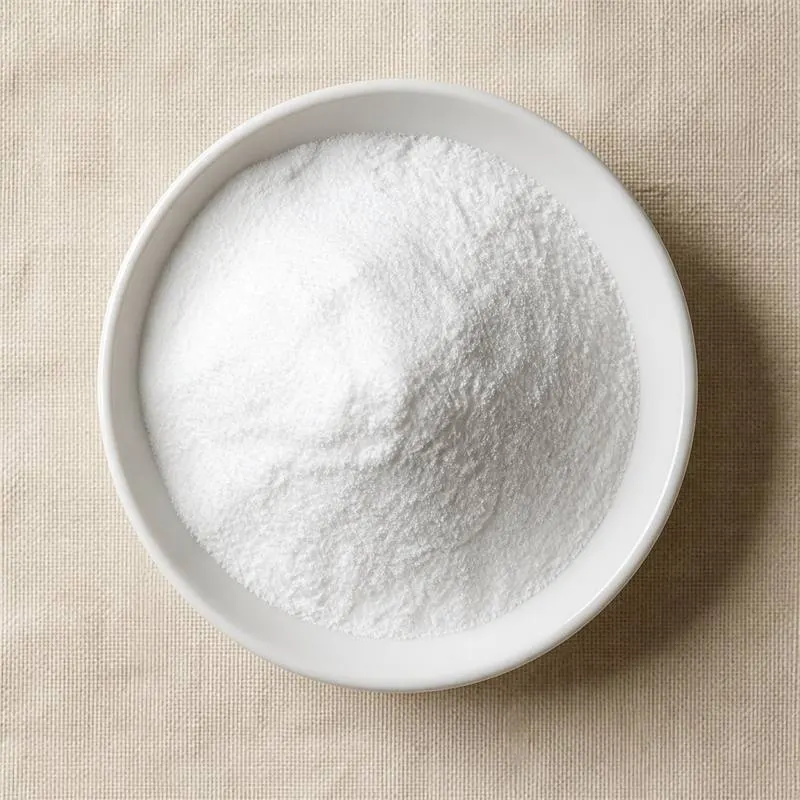
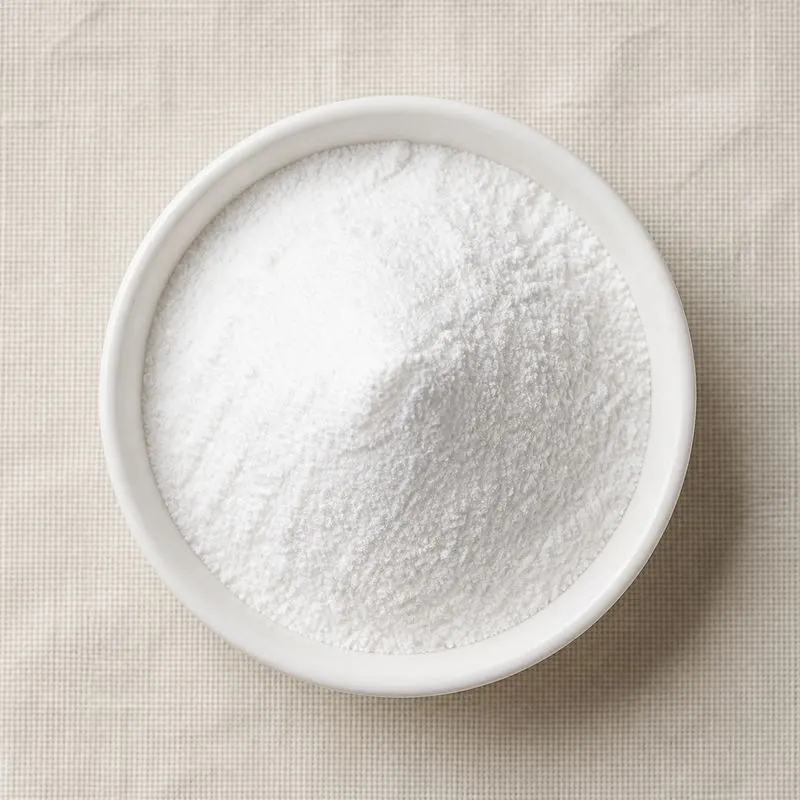
B-Aminobutyric Acid
B-Aminobutyric Acid, more commonly written as beta-aminobutyric acid or BABA, is a non-protein amino acid with the formula C₄H₉NO₂ and CAS 541-48-0.
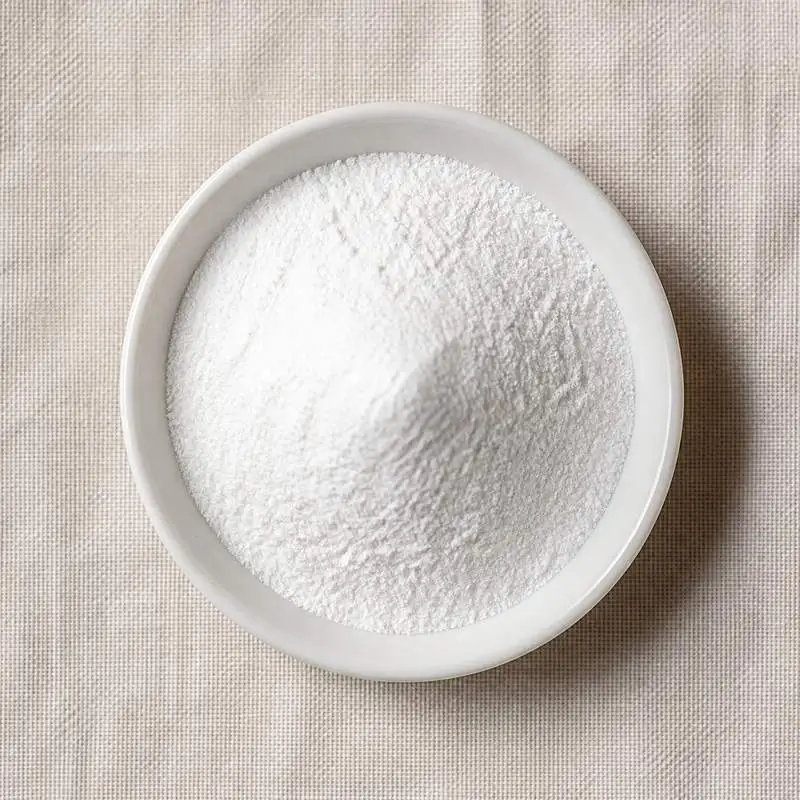
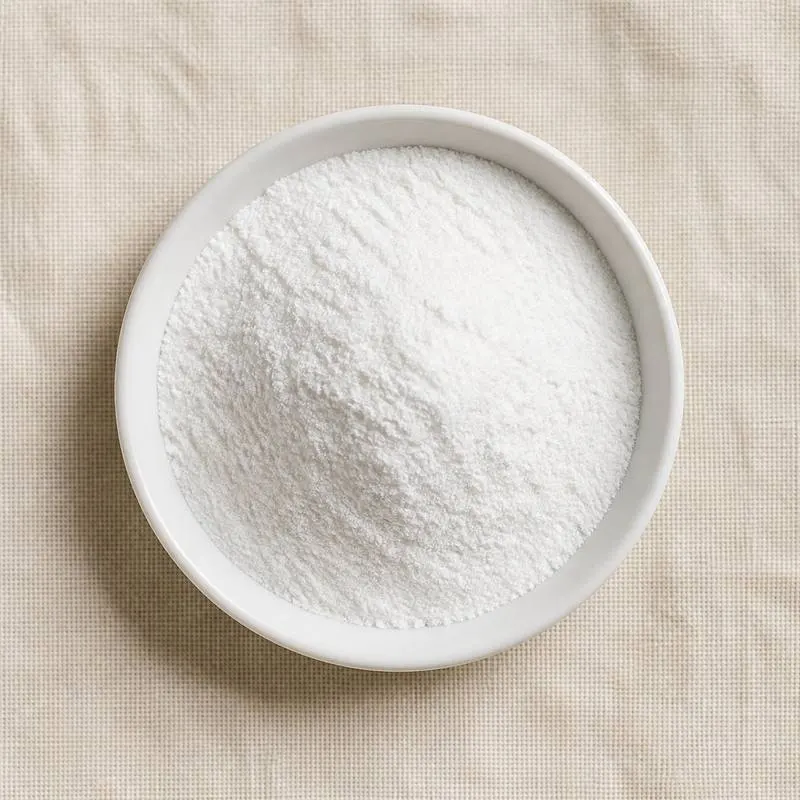
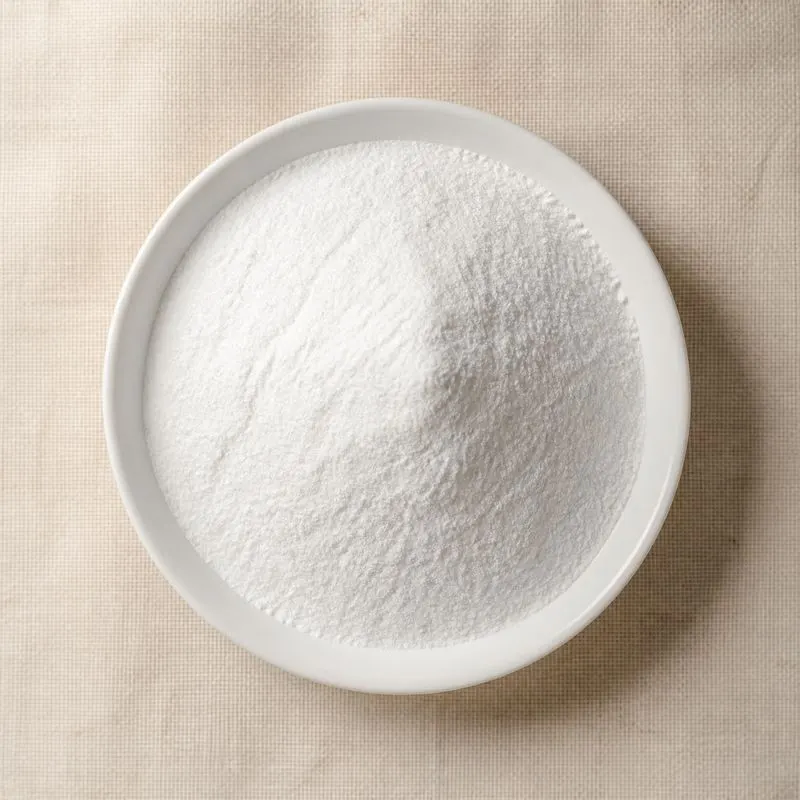
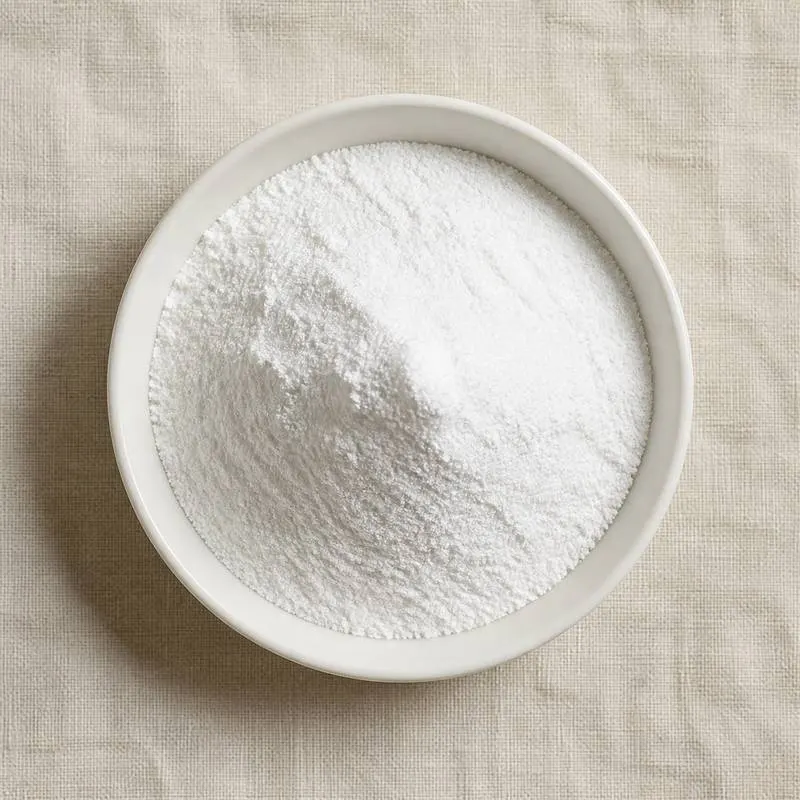
BABA is a structural homolog of beta-alanine with one additional methyl group on the beta carbon. It is used in agriculture as a plant defense activator and resistance inducer, not as a human food or supplement ingredient. Commercial material is a white crystalline powder, freely soluble in water.
We source bulk B-Aminobutyric Acid from top China manufacturers for our partners. The manufacturer is in Shanghai. A smaller requirement can ship in a combined container with other ingredients.
Please send the grade you need, the volume and your destination port, and we will come back with a solution and a price.
or call +86-21-6858 0751
- Packaging
- 25 kg kraft paper bag with PE inner liner
- ISO 9001
- HACCP
- Halal
- Kosher
Specifications
| Item | Specification |
|---|---|
| Appearance | White crystalline powder |
| Assay (dry basis) | ≥99.0% |
| Moisture | ≤0.5% |
| Ash (sulphated) | ≤0.2% |
| pH (5% sol.) | 6.5–7.5 |
| Melting Point | 200–202 °C (dec.) |
| Specific Rotation | Optically inactive |
| Heavy Metals (as Pb) | ≤10 mg/kg |
| Arsenic | ≤1 mg/kg |
| Residue on Ignition | ≤0.2% |
| Total Plate Count | ≤1,000 cfu/g |
Common Markets Grades
BABA has two principal grades.
Technical grade at 97 to 99 percent assay is the standard agricultural grade, formulated into wettable powders, soluble granules, and liquid concentrates for foliar and soil application. It is used as a stand-alone defense activator or in tank-mix programs with conventional fungicides.
Analytical grade at 99 percent or higher with full impurity characterisation supplies plant pathology research and agrochemical formulation development.
BABA is racemic in most commercial production, and both enantiomers contribute to the biological activity, though the R-enantiomer is reported to be the more potent inducer of plant defense responses in several pathosystems.
Applications
- Foliar spray applications for downy mildew control on grapes and lettuce
- Soil drench treatments for systemic resistance induction in potato and tomato
- Seed treatment formulations for early-season disease protection
- Tank-mix partner with reduced-rate fungicides under integrated pest management
- Postharvest treatment for fruits and vegetables against grey mould and blue mould
- Greenhouse and nursery applications for ornamental and vegetable transplants
- Research tool in plant immunology for studying induced systemic resistance and priming
- Substrate for plant pathology assays of pathogenesis-related (PR) protein induction
- Abiotic stress mitigation research in salinity, drought, and cold tolerance
- Component of biostimulant formulations targeted at vineyards and horticultural crops
- Reference standard for residue analysis in regulated crops
China Manufacturers of B-Aminobutyric Acid
Top B-Aminobutyric Acid manufacturers in China.

Company names and logos are the property of the manufacturers themselves. They are listed here because our own directory records them as producing this ingredient. A listing is not an endorsement by them, and we do not represent them or speak on their behalf.
How We Help Source B-Aminobutyric Acid
Direct Factory Sourcing
We run the whole process: selecting the manufacturer from the top Chinese food ingredient producers, negotiating the price, verifying quality, and coordinating the logistics. You deal with us instead of with several factories at once.
Original Packaging and Documents from the Manufacturer
The manufacturer sends your B-Aminobutyric Acid out of its own factory in the original packing, through to your destination port. The COA, COO, MSDS, TDS and any certifications reach you from the manufacturer as well.
Free Samples and Lead Time
We send 100 to 500 g free for your own laboratory to test and you cover only the courier, usually within 2 to 3 working days. ETD is usually within 7 to 15 days once the order is confirmed, and we check that date against the factory's own manufacturing schedule before we give it to you.
Combined Shipment
We can load B-Aminobutyric Acid together with other ingredients such as Glycine, L-Arginine and L-Leucine into one 20' FCL. If your quantity is small, we can also ship LCL.
Regulatory Status
BABA is regulated as an agricultural input rather than as a food or supplement ingredient. It is not approved for human dietary use in any major market.
In the European Union, BABA is included in Commission Implementing Regulation as a basic substance for plant protection use against specified diseases on specified crops, with use conditions defined per crop and pathogen.
Several EU member states have national authorisations for plant protection products containing BABA as the active ingredient, primarily for viticulture and protected horticulture.
In the United States, plant defense activators are regulated as pesticides by the U.S. Environmental Protection Agency. BABA itself is not a registered active ingredient on a federal label, though related chemistries have been registered for similar use.
Maximum residue limits (MRLs) where established, and applicable label rates, set the pre-harvest intervals and re-entry intervals for field applications. Buyers should verify current registration status for the destination country and target crop.
Manufacturing Process
BABA is produced exclusively by chemical synthesis at agrochemical-scale facilities.
The dominant route begins with crotononitrile or methyl crotonate. Addition of ammonia across the double bond, followed by hydrolysis of the nitrile or ester, gives the racemic beta-aminobutyric acid product.
An alternative pathway uses the Michael addition of ammonia to methyl 2-butenoate, followed by saponification, neutralisation, and crystallisation from aqueous ethanol.
Both routes yield racemic BABA. Resolution into single enantiomers, when required for research, is performed by enzymatic kinetic resolution with an aminoacylase or by chiral chromatography.
The final product is decolorised over activated carbon, crystallised, washed, dried, and milled to a free-flowing powder suitable for agrochemical formulation.