Beta-Alanine
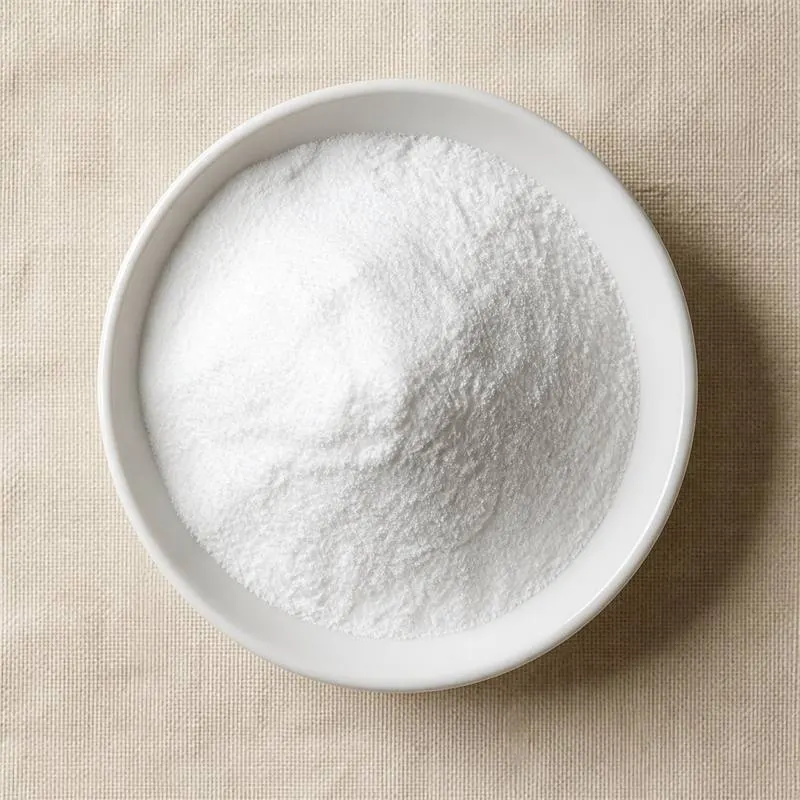
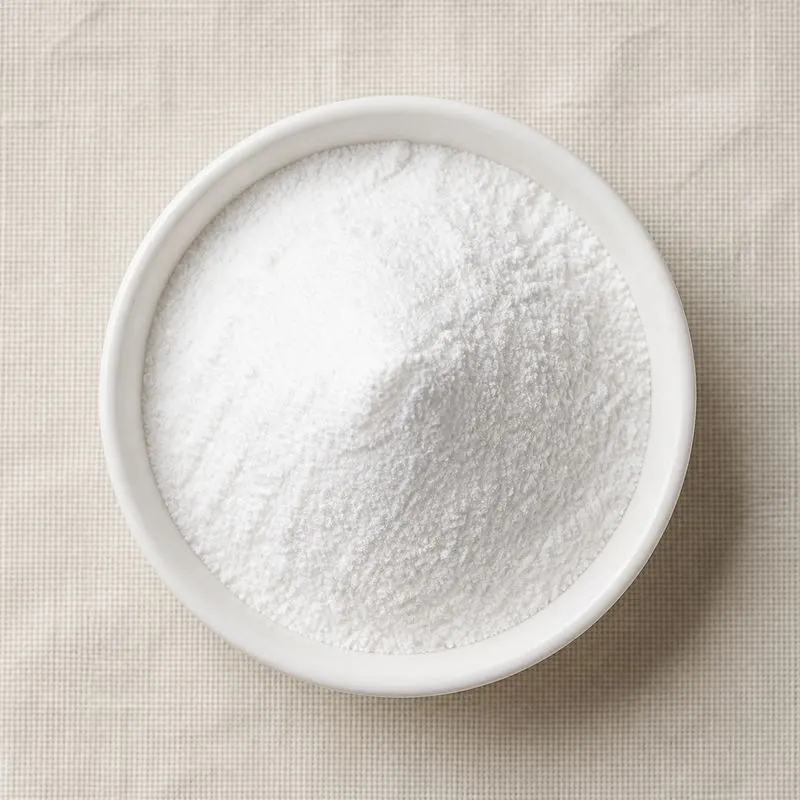
Beta-Alanine is a non-proteinogenic amino acid with the systematic name 3-aminopropanoic acid, formula C₃H₇NO₂, and CAS 107-95-9.
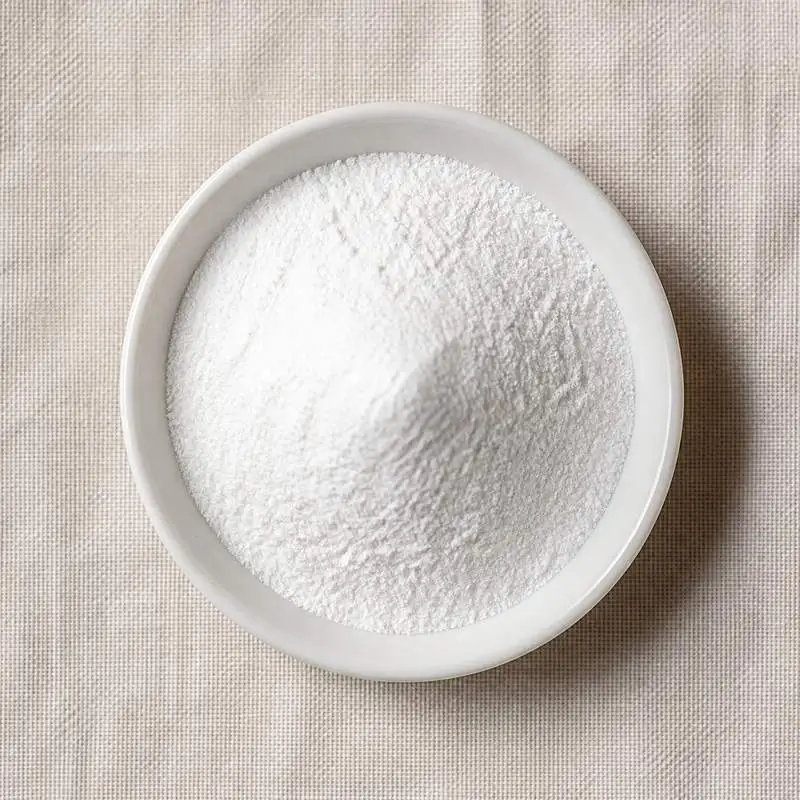
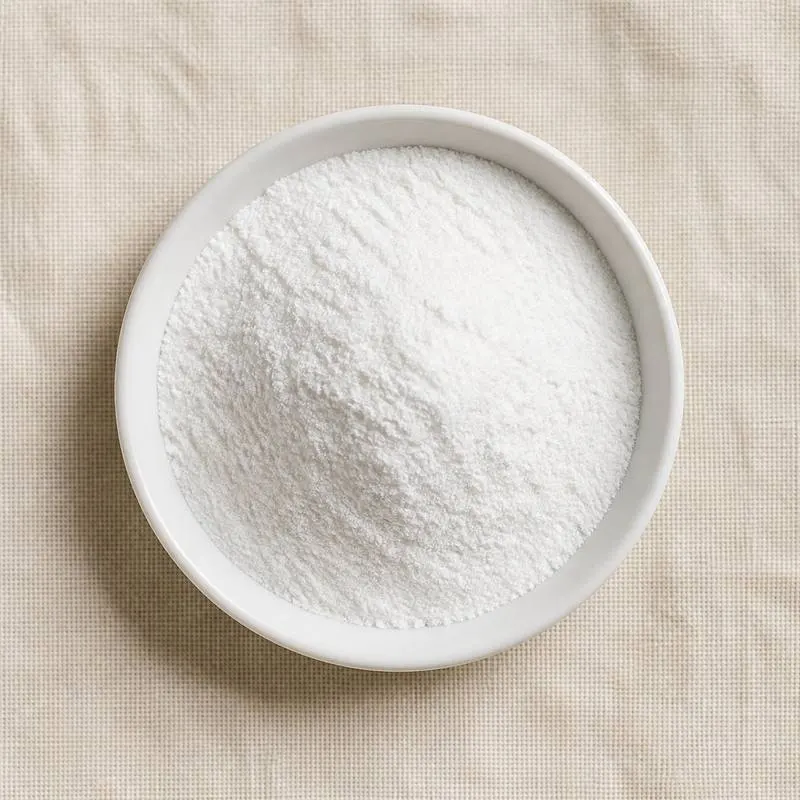
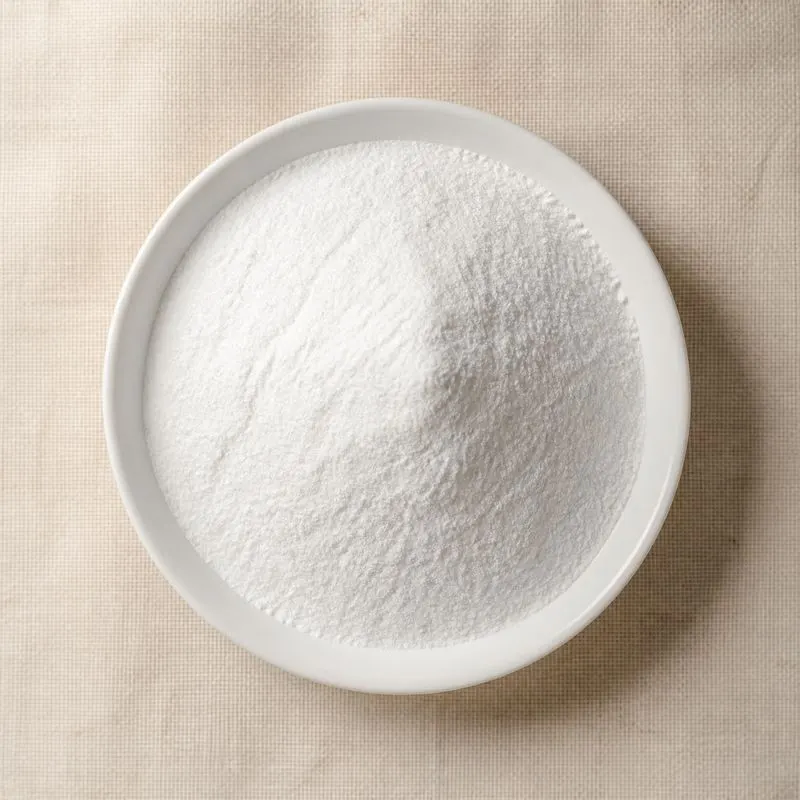
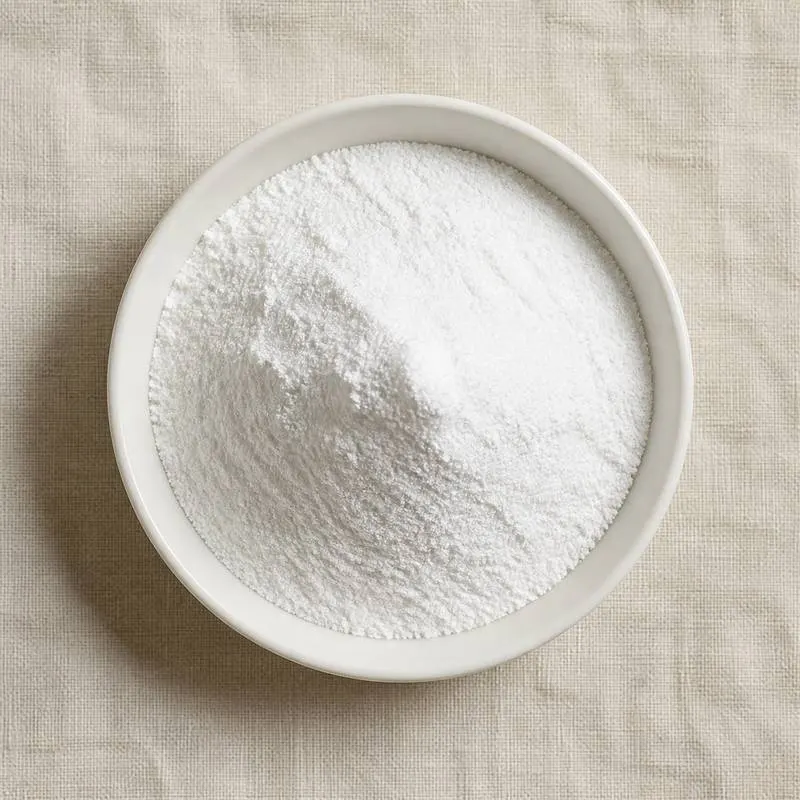
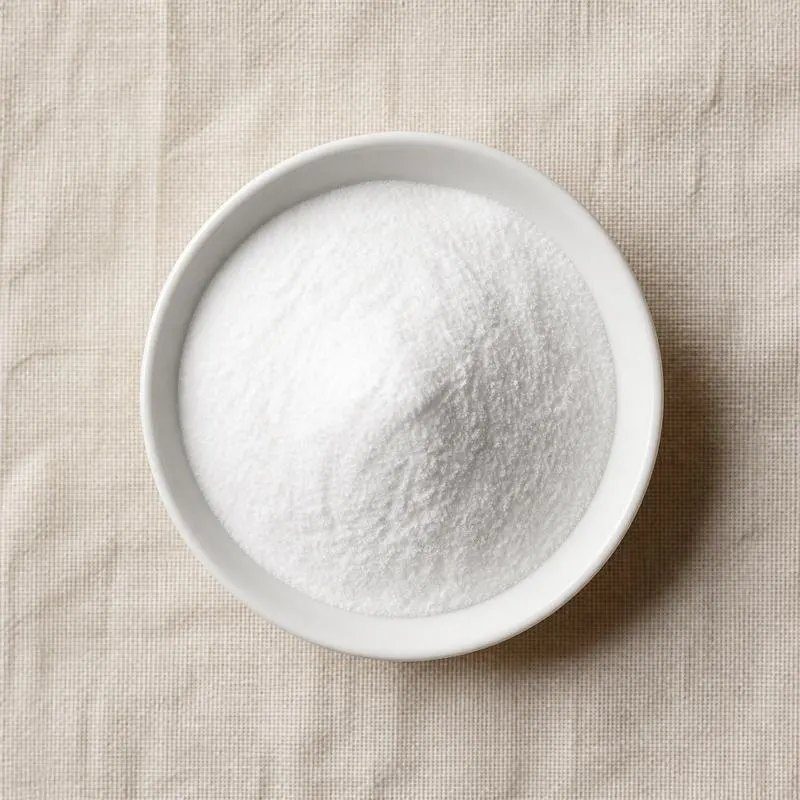
It is the only naturally occurring beta amino acid in mammalian metabolism, distinguished from L-alanine by the position of its amino group on the beta carbon rather than the alpha. Supplement-grade material is a white crystalline powder with high water solubility and a mildly sweet, slightly salty taste.
We source bulk Beta-Alanine from top China manufacturers for our partners, working with several of them. The manufacturers are in Anhui, Zhejiang and Hebei. A smaller requirement can ship in a combined container with other ingredients.
Please send the grade you need, the volume and your destination port, and we will come back with a solution and a price.
or call +86-21-6858 0751
- Packaging
- 25 kg kraft paper bag with PE inner liner
- ISO 9001
- HACCP
- Halal
- Kosher
Specifications
Grades / Types Available: Pharma Grade (USP38), Food Grade (FCCV)
| Item | Specification |
|---|---|
| Appearance | White crystalline powder |
| Assay | ≥98.5% |
| Loss on Drying | ≤0.5% |
| Residue on Ignition | ≤0.1% |
| pH (5% solution) | 5.5–7.0 |
| Heavy Metals (as Pb) | ≤10 ppm |
| Arsenic | ≤1 ppm |
| Lead | ≤0.5 ppm |
| Melting Point | 196–200°C |
| Total Plate Count | ≤1000 CFU/g |
| Specific rotation | +13.7º ~ +15.1º |
Common Markets Grades
Three markets take beta-alanine: food, supplement, and reference standard.
Sports supplement grade at 99 percent assay is the dominant commercial format and is produced both as bulk crystal and as a directly compressible granulation for tablets.
A patented sustained-release form, marketed under various trade names, uses encapsulation or co-processing to spread the dose over a longer absorption window and reduce the characteristic paresthesia at higher single doses.
Reference grade at 99.5 percent or higher with full impurity profiling is used in carnosine synthesis research and as an analytical standard.
Material may be specified Kosher and Halal, and fermentation-derived grades are increasingly offered for vegan and clean-label finished products.
Applications
- Pre-workout powders and capsules at the established efficacious dose range
- Endurance and high-intensity interval training supplements for buffering capacity
- Combat sports and strength-training stacks aimed at delaying neuromuscular fatigue
- Standalone beta-alanine powders and tablets for daily loading protocols
- Intra-workout amino acid blends combined with BCAAs and electrolytes
- Carnosine precursor in dietary supplements positioned for muscle endurance
- Building block in the chemical and enzymatic synthesis of L-carnosine and anserine
- Intermediate for synthesis of pantothenic acid (vitamin B5) and calcium D-pantothenate
- Component of clinical nutrition for sarcopenia and frailty research
- Veterinary and equine performance supplements for racing and endurance disciplines
- Plant biostimulant and amino acid foliar spray ingredient
- Agricultural plant defense activator (BABA-class research applications)
Brands Using Beta-Alanine
Widely-distributed consumer products that list Beta-Alanine on the ingredient label.
- CellucorC4 Original Pre-Workout ↗Supplement Facts list 2 g CarnoSyn Beta-Alanine per scoop as the headline ingredient driving the trademark pre-workout tingles.Label verified 2026-05-24
- NOW SportsBeta-Alanine Powder ↗Pure CarnoSyn Beta-Alanine powder dosed at 2.0 g per serving with no other added ingredients.Label verified 2026-05-24
- Transparent LabsBULK Pre-Workout ↗Supplement Facts disclose 4,000 mg Beta-Alanine per scoop alongside 8,000 mg Citrulline Malate in the clinically-dosed pre-workout.Label verified 2026-05-24
- Optimum NutritionGold Standard Pre Advanced ↗Advanced pre-workout supplies 3.2 g CarnoSyn Beta-Alanine per scoop with 6 g micronized L-Citrulline and 300 mg caffeine.Label verified 2026-05-24
- MuscleTechAmino Build ↗Formula includes Beta-Alanine to buffer lactic acid buildup, alongside BCAAs, EAAs and L-Citrulline Malate.Label verified 2026-05-24
Brand names, product names and logos are the property of their owners. They appear here as published evidence that the ingredient is used, taken from the brand's own label or website. Their appearance is not an endorsement, and it does not mean the brand buys from us or from any manufacturer listed on this site.
China Manufacturers of Beta-Alanine
Top Beta-Alanine manufacturers in China.
 Anhui Huaheng Biotechnology Co.,Ltd.8 ingredients in the directory
 Brother Enterprises Holding Co., Ltd.11 ingredients in the directory
 Jing Jing Pharmaceutical Co., Ltd.14 ingredients in the directory
Company names and logos are the property of the manufacturers themselves. They are listed here because our own directory records them as producing this ingredient. A listing is not an endorsement by them, and we do not represent them or speak on their behalf.
How We Help Source Beta-Alanine
Direct Factory Sourcing
We run the whole process: selecting the manufacturer from the top Chinese food ingredient producers, negotiating the price, verifying quality, and coordinating the logistics. You deal with us instead of with several factories at once.
Original Packaging and Documents from the Manufacturer
The manufacturer sends your Beta-Alanine out of its own factory in the original packing, through to your destination port. The COA, COO, MSDS, TDS and any certifications reach you from the manufacturer as well.
Free Samples and Lead Time
We send 100 to 500 g free for your own laboratory to test and you cover only the courier, usually within 2 to 3 working days. ETD is usually within 7 to 15 days once the order is confirmed, and we check that date against the factory's own manufacturing schedule before we give it to you.
Combined Shipment
We can load Beta-Alanine together with other ingredients such as Glycine, L-Arginine and L-Leucine into one 20' FCL. If your quantity is small, we can also ship LCL.
Regulatory Status
Regulatory acceptance is broad in supplement and pharmaceutical channels.
In the United States, beta-alanine is sold as a dietary ingredient under DSHEA, and the synthetic version commercialized as CarnoSyn has received New Dietary Ingredient acknowledgment from the FDA.
In the European Union, beta-alanine is permitted in food supplements in several member states under national notification, though it has not received a centralized novel food authorisation for use in general foods.
It is widely accepted in Australia, Canada, Japan, and South Korea as a supplement ingredient. The International Olympic Committee, World Anti-Doping Agency, and major sports federations do not list beta-alanine as a prohibited substance.
Pharmacopoeial monographs are not yet standardised across regions, so suppliers typically issue in-house specifications referencing FCC-aligned testing for heavy metals, residual solvents, and microbiological limits.
Manufacturing Process
Two industrial routes account for nearly all commercial beta-alanine.
The classical chemical route reacts acrylonitrile with ammonia to give 3-aminopropionitrile, which is then hydrolysed under acidic conditions to yield beta-alanine and ammonium salts. The crude product is neutralised, decolorised through activated carbon, and crystallised from aqueous ethanol.
An alternative route hydrolyses beta-aminopropionitrile derived from succinimide or from the ring opening of beta-propiolactone. This pathway is less common at scale due to handling concerns around the lactone intermediate.
Enzymatic and fermentation routes using engineered Escherichia coli or Corynebacterium glutamicum strains expressing L-aspartate alpha-decarboxylase are now in commercial production. These routes decarboxylate L-aspartate directly to beta-alanine and qualify finished material for non-GMO and vegan labelling in many markets.