Baicalein
Baicalein is a naturally occurring trihydroxyflavone, 5,6,7 trihydroxyflavone, with the molecular formula C15H10O5 and a molar mass of 270.24. It is the aglycone of baicalin and is obtained almost entirely from the root of Scutellaria baicalensis, the Chinese skullcap, a perennial of the Lamiaceae family.
In the root the compound occurs predominantly as its 7 O glucuronide, baicalin, which is converted to the free aglycone by enzymatic or acid hydrolysis. The loss of the sugar changes the physical behaviour completely: baicalin is a weak acid with limited but usable water solubility, while baicalein is a lipophilic yellow solid that is practically insoluble in water and dissolves in ethanol, methanol, dimethyl sulphoxide and dilute alkali.
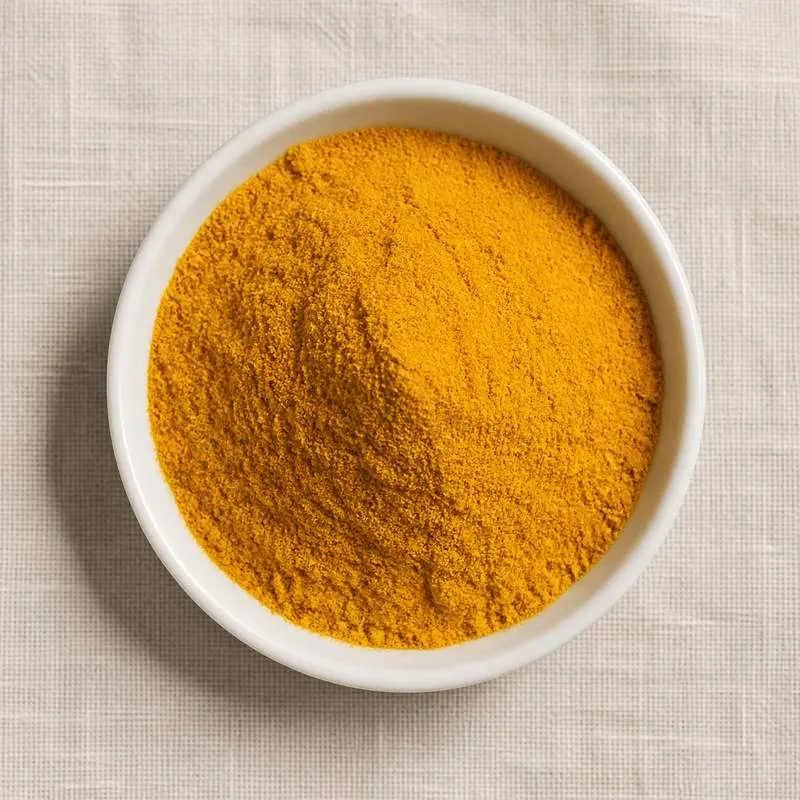
The commercial material is a light yellow to yellowish brown crystalline powder with a bitter taste. It is sensitive to alkali and to prolonged light exposure, under which the catechol like B ring oxidises and the powder darkens towards green brown. It also chelates iron readily, which discolours solutions. Formulators therefore hold it below neutral pH, protect it from light, and where aqueous dosing is required they use a cyclodextrin complex, a solid dispersion or a phospholipid carrier rather than attempting to dissolve the free compound.
We source bulk Baicalein from top China manufacturers for our partners. The manufacturer is in Shaanxi. A smaller requirement can ship in a combined container with other ingredients.
Please send the grade you need, the volume and your destination port, and we will come back with a solution and a price.
or call +86-21-6858 0751
- Function
- Plant extract
Specifications
| Item | Specification |
|---|---|
| Appearance | Light yellow to yellowish brown crystalline powder |
| Chemical Name | 5,6,7 Trihydroxyflavone |
| Identification | HPLC retention and UV spectrum match reference standard |
| Assay | ≥ 98.0% (HPLC) |
| Baicalin | ≤ 0.5% |
| Wogonin | ≤ 1.0% |
| Melting Range | 262 °C to 267 °C |
| Loss on Drying | ≤ 1.0% |
| Residue on Ignition | ≤ 0.5% |
| Residual Ethanol | ≤ 0.5% |
| Heavy Metals (as Pb) | ≤ 10 mg/kg |
| Lead | ≤ 2.0 mg/kg |
| Arsenic | ≤ 1.0 mg/kg |
| Total Plate Count | ≤ 1,000 cfu/g |
| Yeast and Mould | ≤ 100 cfu/g |
| Escherichia coli | Negative in 1 g |
| Salmonella | Negative in 25 g |
Common Markets Grades
The material is traded on a single principal axis, purity by HPLC. The mainstream food supplement grade is 98 percent, with 95 percent offered where cost matters more than assay and 99 percent and above used for analytical reference and for pharmaceutical development work. A lower purity grade around 85 percent, essentially a partially purified hydrolysate still carrying wogonin and residual baicalin, is used where the whole flavone fraction rather than the single compound is wanted.
Beyond assay, lots are distinguished by particle size, with standard 80 mesh powder, micronised material for dispersion, and a granulated form for direct compression. Water dispersible presentations are traded as separate items, including baicalein cyclodextrin inclusion complexes and phytosome style phospholipid complexes, both of which carry a much lower baicalein assay by design. Cosmetic grade material is sold against the same purity figure but with a different residual solvent and preservative documentation package.
Applications
- Capsule and tablet supplements, usually paired with catechins or other flavones in joint comfort and liver support formulations
- Solid dispersion and cyclodextrin complexed preparations, where the poor water solubility of the free compound is the problem being solved
- Skin care serums and creams, added to the cool down phase for its flavone content and its light absorbing behaviour
- Sun care and after sun formulations, where flavone chromophores contribute to the finished product's absorbance profile
- Oral care gels and rinses, formulated at acidic pH so the compound stays stable through shelf life
- Hair care products, included in scalp treatments alongside other Scutellaria derived flavones
- Traditional formula supplements, where purified baicalein replaces crude skullcap extract for a defined dose
- Analytical and reference use, as the certified standard for quantifying flavones in skullcap raw material
- Feed additive premixes, applied in poultry and aquaculture as a plant derived flavone
China Manufacturers of Baicalein
Top Baicalein manufacturers in China.
Company names and logos are the property of the manufacturers themselves. They are listed here because our own directory records them as producing this ingredient. A listing is not an endorsement by them, and we do not represent them or speak on their behalf.
Regulatory Status
In the United States, baicalein and skullcap flavone preparations are marketed as dietary ingredients under the Dietary Supplement Health and Education Act, with finished products manufactured under 21 CFR Part 111. Scutellaria baicalensis root has a history of use in the American food supply predating the 1994 cut off, but a purified single flavone at high assay is a different article from the traditional extract, and suppliers of such material commonly support it with a new dietary ingredient notification. The compound has no food additive listing and is not a permitted colour additive.
In the European Union, purified baicalein has no authorisation as a food additive, so no E number applies, and at high purity it has no established history of consumption in the Union, which places it within the scope of the novel food regulation for food and supplement use. Its position in cosmetics is governed by the cosmetics regulation rather than by food law. Codex has no commodity standard covering the compound and JECFA has issued no additive specification for it.
Manufacturing Process
Dried skullcap root is milled and extracted with hot water or with dilute alkali, both of which recover baicalin efficiently. The liquor is separated from the marc, filtered, and acidified, which drops crude baicalin out of solution as a yellow precipitate that is collected by centrifugation. This crude baicalin is the starting point for the aglycone.
Conversion to baicalein is by hydrolysis of the glucuronide bond, either with mineral acid under heat or, in the routes now preferred for colour and impurity control, with a beta glucuronidase enzyme in a buffered aqueous system. The reaction mixture is cooled and the liberated baicalein, being insoluble in water, precipitates and is filtered off. The crude cake is washed to remove glucuronic acid and residual acid, then recrystallised from ethanol or an ethanol water mixture, often with an activated carbon treatment to lift colour. Purified crystals are dried under vacuum at moderate temperature, milled to the target particle size, sieved and packed in light protective aluminium foil bags inside fibre drums.