Baicalin
Baicalin is a flavone glucuronide with the formula C₂₁H₁₈O₁₁, CAS number 21967-41-9, and a molar mass of 446.4 g/mol.
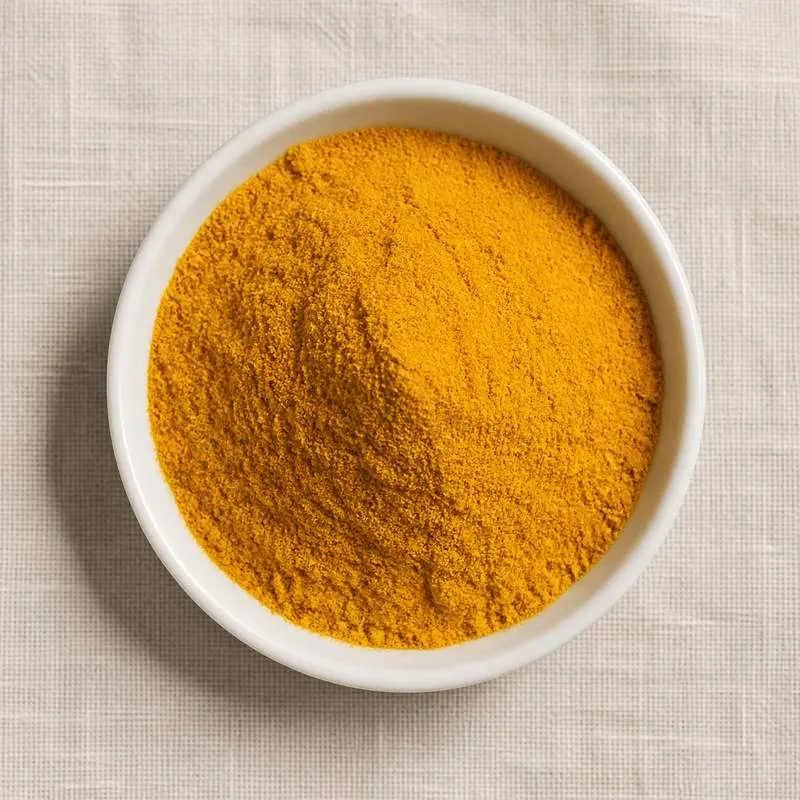
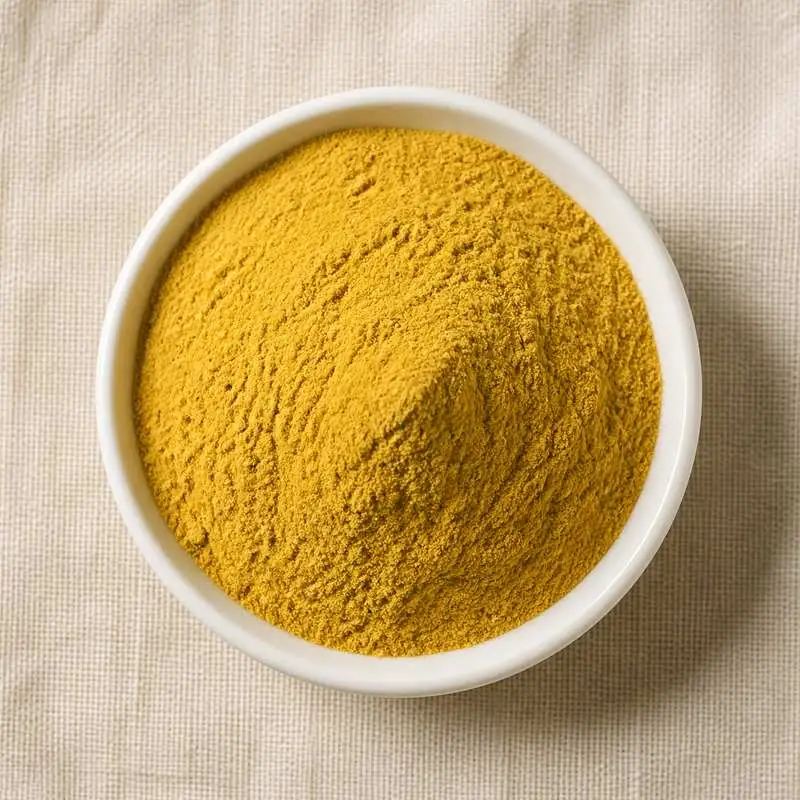
The substance is the dominant active marker of the dried root of Scutellaria baicalensis, the Chinese skullcap or huang qin of traditional Chinese herbal practice. Commercial material is a yellow to brownish-yellow crystalline powder, faintly bitter on the tongue and only sparingly soluble in cold water.
We source bulk Baicalin from top China manufacturers for our partners. The manufacturer is in Shandong. A smaller requirement can ship in a combined container with other ingredients.
Please send the grade you need, the volume and your destination port, and we will come back with a solution and a price.
or call +86-21-6858 0751
- Packaging
- 25 kg kraft paper bag with PE inner liner
- ISO 9001
- HACCP
- Halal
- Kosher
Specifications
| Item | Specification |
|---|---|
| Appearance | Light yellow to yellow powder |
| Purity (HPLC) | ≥ 85% |
| Loss on Drying | ≤ 5.0% |
| Ash | ≤ 1.0% |
| Heavy Metals (as Pb) | ≤ 10 ppm |
| Residual Solvents | Meets USP requirements |
| Total Plate Count | ≤ 1000 CFU/g |
| Assay/Purity | ≥ 95% (HPLC) |
| Moisture | ≤ 5% |
| pH | 4.5 - 7.0 |
| Lead | ≤ 2 ppm |
| Arsenic | ≤ 1 ppm |
| Residue on Ignition | ≤ 0.5% |
| Yeast & Mold | ≤ 100 cfu/g |
| E.Coli | Negative |
| Salmonella | Negative |
Common Markets Grades
Catalogue grades are graded by HPLC purity against a baicalin reference.
The general botanical-extract grade is 85 percent baicalin, suited to traditional herbal tablets and to multi-ingredient formulas where huang qin is part of a classical blend.
A 90 to 95 percent grade is the most widely traded form and serves both supplement and pharmaceutical buyers.
A 98 percent grade is produced for injectable pharmaceutical formulations registered in China and for analytical reference material.
An aglycone grade, baicalein at 90 to 98 percent, is produced separately. It is produced by enzymatic or acid hydrolysis of baicalin and shows much higher membrane permeability.
Applications
- Traditional Chinese herbal tablets, capsules, and granules built around huang qin
- Modern dietary supplements positioned for immune balance and respiratory comfort
- Joint-care formulas combining baicalin with curcumin, boswellia, or collagen peptides
- Liver-support and detoxification stacks alongside silymarin or schisandra
- Oral-care products for gum health and breath freshness
- Topical cosmetic actives in soothing serums, after-sun lotions, and sensitive-skin creams
- Hair-care formulas targeting scalp comfort and follicle support
- Veterinary preparations for small-animal skin and urinary applications
- Reference and starting material for hemi-synthetic flavone derivatives
- Functional tea blends, where standardised baicalin replaces variable crude root
Brands Using Baicalin
Widely-distributed consumer products that list Baicalin on the ingredient label.
- Dragon HerbsDragon Herbs Baicalin (Standardized Scute) ↗Official Dragon Herbs product page: Scutellaria baicalensis root extract standardised to deliver baicalin (commercial labels 120-425 mg baicalin per capsule across SKUs) in a base of whole Scutellaria extract.Label verified 2026-05-24
- Nootropics DepotNootropics Depot Baikal Skullcap Extract Tablets (Scutellaria baicalensis) ↗Official ND product page: Baikal Skullcap (Scutellaria baicalensis) root extract standardised to 50% Baicalin, 20% Baicalein and 15% Apigenin/Wogonin.Label verified 2026-05-24
- MCS FormulasMCS Formulas Baicalein Pro Liposomal 200 mg ↗Official MCS Formulas product page: liposomal baicalein (the aglycone of baicalin from Scutellaria baicalensis) at 200 mg per dose.Label verified 2026-05-24
Brand names, product names and logos are the property of their owners. They appear here as published evidence that the ingredient is used, taken from the brand's own label or website. Their appearance is not an endorsement, and it does not mean the brand buys from us or from any manufacturer listed on this site.
China Manufacturers of Baicalin
Top Baicalin manufacturers in China.

Company names and logos are the property of the manufacturers themselves. They are listed here because our own directory records them as producing this ingredient. A listing is not an endorsement by them, and we do not represent them or speak on their behalf.
How We Help Source Baicalin
Direct Factory Sourcing
We run the whole process: selecting the manufacturer from the top Chinese food ingredient producers, negotiating the price, verifying quality, and coordinating the logistics. You deal with us instead of with several factories at once.
Original Packaging and Documents from the Manufacturer
The manufacturer sends your Baicalin out of its own factory in the original packing, through to your destination port. The COA, COO, MSDS, TDS and any certifications reach you from the manufacturer as well.
Free Samples and Lead Time
We send 100 to 500 g free for your own laboratory to test and you cover only the courier, usually within 2 to 3 working days. ETD is usually within 7 to 15 days once the order is confirmed, and we check that date against the factory's own manufacturing schedule before we give it to you.
Combined Shipment
We can load Baicalin together with other ingredients such as Astaxanthin, Dehydrated Garlic and Lutein into one 20' FCL. If your quantity is small, we can also ship LCL.
Regulatory Status
Baicalin and the parent Scutellaria baicalensis root are listed in the Chinese Pharmacopoeia, where a minimum baicalin assay defines the quality of the crude drug.
The European Pharmacopoeia carries a monograph on Baical skullcap root with HPLC identification and assay of baicalin.
In the United States the root and its standardised extracts are sold as dietary ingredients with a long history of pre-1994 trade and use.
The European Union treats Scutellaria baicalensis root as a traditional herbal substance, and several finished products hold national registrations under the Traditional Herbal Medicinal Product framework.
Halal and Kosher certificates are routinely available for water and ethanol extracted material.
Manufacturing Process
The botanical source is the dried root of Scutellaria baicalensis, cultivated primarily in Shanxi, Shaanxi, Hebei, Inner Mongolia, and the Russian Far East.
Roots are harvested in autumn from three to four year old plants, washed, sliced, and dried under shade or in low-temperature tunnel driers to protect the flavonoid content.
Industrial extraction uses hot water, dilute ethanol, or a sequential combination. The crude extract is acidified to pH 1.5 to 2.0, which precipitates baicalin as a yellow flocculate because of its low solubility at low pH.
The precipitate is collected, redissolved at neutral pH, decolourised with activated carbon, and reprecipitated. Repeated cycles, optionally combined with column chromatography on macroporous resin, lift purity to the 95 to 98 percent range.
Baicalein, the corresponding aglycone, is produced by enzymatic hydrolysis with β-glucuronidase or by mild acid hydrolysis, followed by recrystallisation from ethanol.