Bakuchiol
Bakuchiol is a meroterpene phenol, a monoterpene chain attached to a para substituted phenol ring, with the molecular formula C18H24O and a molar mass of 256.4. It occurs in the seeds and leaves of Psoralea corylifolia, the babchi plant of the Fabaceae family, and in smaller amounts in a few other species including Otholobium pubescens.
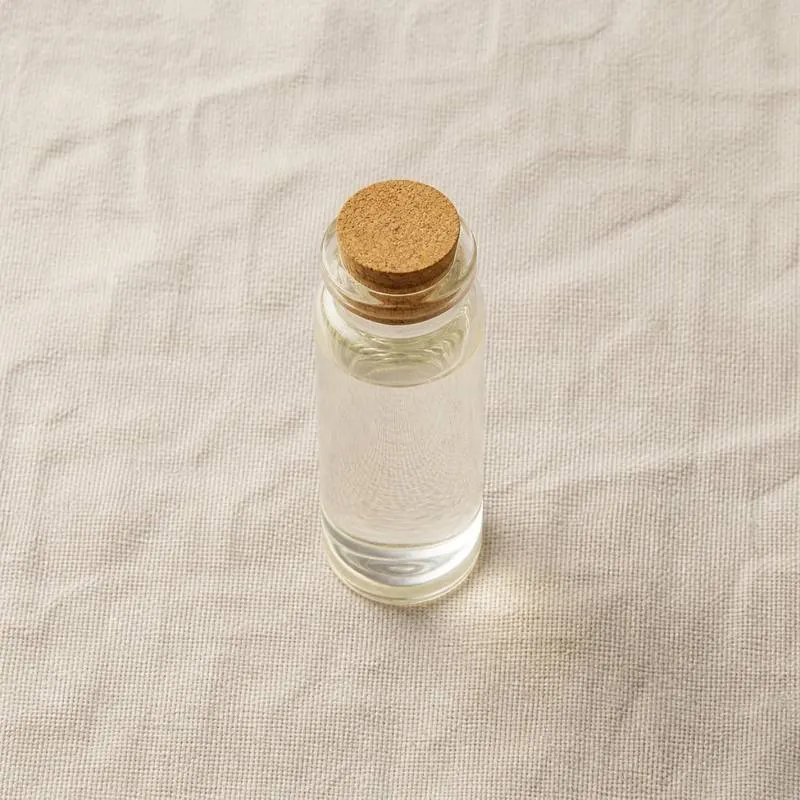
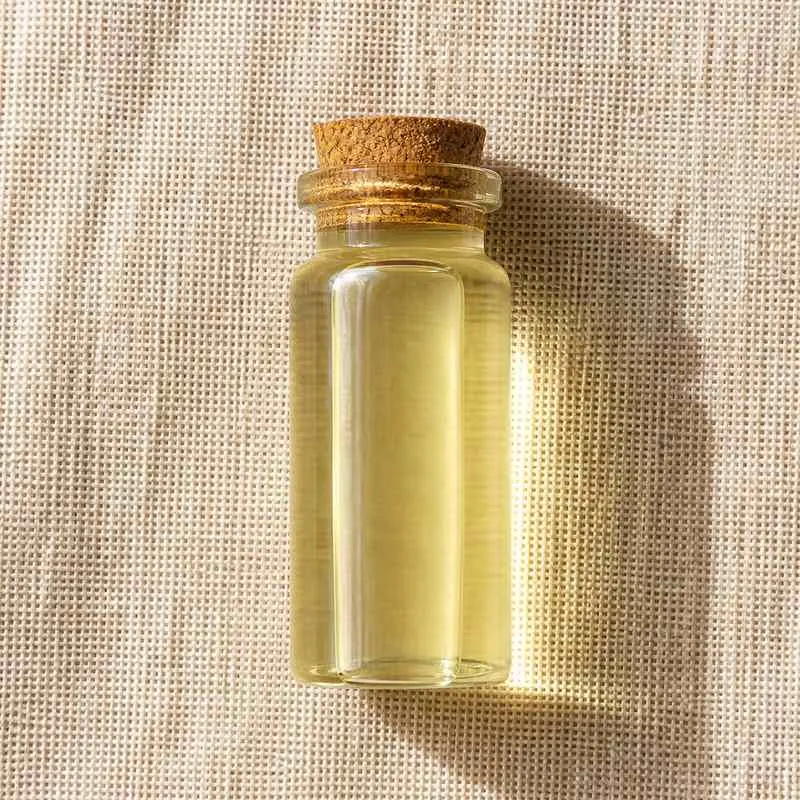
The compound is an oily to waxy pale yellow liquid or low melting solid with a faint characteristic odour. It is lipophilic, practically insoluble in water and freely soluble in ethanol, vegetable oils and common cosmetic esters, so it is dosed into an oil phase or pre dissolved in a carrier rather than added to water. It is stable across the pH range normally used in emulsions and shows better oxidative and photostability than retinol, which is the practical reason it displaced retinoids in some formulations.
Bakuchiol is not a food ingredient. Its commercial use is essentially confined to cosmetics and topical personal care, where it is dosed at fractions of a percent to a few percent of a finished formulation. The associated concern in sourcing is not the compound itself but the furanocoumarins of the parent seed, psoralen and isopsoralen, which are phototoxic and have to be removed during purification.
We source bulk Bakuchiol from top China manufacturers for our partners. The manufacturer is in Guangdong. A smaller requirement can ship in a combined container with other ingredients.
Please send the grade you need, the volume and your destination port, and we will come back with a solution and a price.
or call +86-21-6858 0751
Specifications
| Item | Specification |
|---|---|
| Appearance | Pale yellow viscous oil to soft solid |
| Chemical Name | 4-[(1E,3S)-3-ethenyl-3,7-dimethylocta-1,6-dien-1-yl]phenol |
| Identification | HPLC and infrared spectrum match reference standard |
| Assay | ≥ 98.0% (HPLC) |
| Psoralen | ≤ 1 mg/kg |
| Isopsoralen | ≤ 1 mg/kg |
| Refractive Index (20 °C) | 1.545 to 1.560 |
| Acid Value | ≤ 2.0 mg KOH/g |
| Loss on Drying | ≤ 0.5% |
| Residue on Ignition | ≤ 0.2% |
| Residual Hexane | ≤ 25 mg/kg |
| Lead | ≤ 2.0 mg/kg |
| Arsenic | ≤ 1.0 mg/kg |
| Total Plate Count | ≤ 100 cfu/g |
| Yeast and Mould | ≤ 100 cfu/g |
Common Markets Grades
Trade centres on purity by HPLC or gas chromatography, with 98 and 99 percent the standard cosmetic grades and 95 percent offered where the material is being diluted anyway. A natural grade extracted from Psoralea corylifolia seed and a synthetic grade produced by chemical routes are both on the market, and the specification states which, since the natural material carries a trace terpenoid profile that the synthetic does not.
Every specification carries a furanocoumarin limit, with psoralen and isopsoralen each controlled to low parts per million or reported as not detected, and this figure rather than the assay is what distinguishes lots in practice. Diluted presentations are traded as separate items, most commonly 1, 5 and 10 percent solutions in caprylic capric triglyceride or in jojoba oil, which remove the need to handle a viscous neat material. Organic certified natural bakuchiol is available from certified seed supply chains.
Applications
- Anti ageing facial serums and creams, where it is used as an alternative to retinol in the oil phase
- Night treatment products, dosed alongside peptides or niacinamide in leave on formulations
- Acne and blemish targeted products, formulated with salicylic acid or azelaic acid systems
- Sensitive skin ranges, chosen because it does not require the same tolerance building as a retinoid
- Eye contour creams, where the low irritation profile matters for the application site
- Body lotions and firming creams, at lower inclusion than facial products
- Hair and scalp treatments, included in leave on tonics
- Pre dispersed oil concentrates sold to formulators, which are then blended into finished emulsions
Brands Using Bakuchiol
Widely-distributed consumer products that list Bakuchiol on the ingredient label.
- Herbivore BotanicalsBAKUCHIOL Dual-Retinol Alternative Face Serum ↗Face serum built on two forms of bakuchiol as a plant-based retinol alternative, with bakuchiol listed first in the ingredient list alongside pea and white mulberry bark extracts.Label verified 2026-08-31
- Herbivore BotanicalsBAKUCHIOL Retinol Alternative Body Serum ↗Daily body serum whose ingredient list names both bakuchiol and bakuchiol salicylate as the retinol-alternative actives.Label verified 2026-08-31
- Paula's ChoiceCLINICAL 0.3% Retinol + 2% Bakuchiol Treatment ↗Face serum that pairs 0.3 percent retinol with 2 percent bakuchiol and peptides, with the bakuchiol concentration stated in the product name.Label verified 2026-08-31
- VersedPress Restart Gentle Retinol Serum ↗Retinol serum whose published ingredient list includes bakuchiol after retinol and the tocopherols.Label verified 2026-08-31
Brand names, product names and logos are the property of their owners. They appear here as published evidence that the ingredient is used, taken from the brand's own label or website. Their appearance is not an endorsement, and it does not mean the brand buys from us or from any manufacturer listed on this site.
China Manufacturers of Bakuchiol
Top Bakuchiol manufacturers in China.

Company names and logos are the property of the manufacturers themselves. They are listed here because our own directory records them as producing this ingredient. A listing is not an endorsement by them, and we do not represent them or speak on their behalf.
Regulatory Status
Bakuchiol is regulated as a cosmetic ingredient rather than as a food ingredient. In the United States it is used in cosmetics under the general provisions of the Federal Food, Drug and Cosmetic Act, which requires that a cosmetic ingredient be safe under labelled conditions of use but does not involve premarket approval for ingredients of this type. It carries no food additive listing, no generally recognised as safe status for food use, and it is not marketed as a dietary ingredient in any significant volume.
In the European Union bakuchiol is listed in the cosmetic ingredient inventory under the name Bakuchiol and is used in cosmetic products under the cosmetics regulation, which places responsibility on the safety assessment in the product information file. It is not an authorised food additive, so no E number applies, and preparations of Psoralea corylifolia have no established history of food consumption in the Union, which places any food use within the novel food regulation. Both jurisdictions expect furanocoumarin content to be controlled, since psoralen and isopsoralen are phototoxic. Codex has no standard for the compound and JECFA has issued no specification for it.
Manufacturing Process
Natural bakuchiol is recovered from Psoralea corylifolia seed. Cleaned seed is milled and extracted with a non polar solvent such as hexane, or with supercritical carbon dioxide, giving an oleoresin that contains bakuchiol together with fixed oil, psoralen, isopsoralen and the bakuchiol dimers. The oleoresin is de oiled by winterisation or by partition between solvents, then taken through alkali extraction that uses the phenolic acidity of bakuchiol: the compound moves into an aqueous alkaline phase as its phenolate while the neutral furanocoumarins remain in the organic layer, and it is recovered by acidifying and back extracting.
The enriched fraction is purified further by molecular or short path distillation under high vacuum, which separates bakuchiol from the higher boiling dimers, and in some plants by column chromatography where the furanocoumarin limit is tight. The purified material is checked by chromatography for psoralen and isopsoralen, blanketed with nitrogen and filled into light protective containers. Synthetic routes reach the same molecule by coupling a protected phenol with a monoterpene fragment and deprotecting, followed by distillation, and the resulting material contains no furanocoumarins.