Bitter Melon Seed
Bitter melon seed is the seed of Momordica charantia, the cucurbit whose immature fruit is traded as bitter melon or balsam pear. The seed sits inside the fruit surrounded by a pithy placenta that turns bright red on ripening, and it is recovered either from mature fruit harvested for seed or as a by product of processing the flesh.
In composition it differs sharply from the flesh. The kernel is oil rich, carrying 30 to 45 percent lipid, and that oil is dominated by alpha eleostearic acid, a conjugated linolenic acid making up half or more of the fatty acids, which is unusual among edible seed oils and gives the material both its nutraceutical interest and its oxidative instability. The seed also carries protein, and it is the tissue in which the plant concentrates several biologically active proteins, including momordin and the insulin like polypeptide p, along with the pyrimidine glycoside vicine.
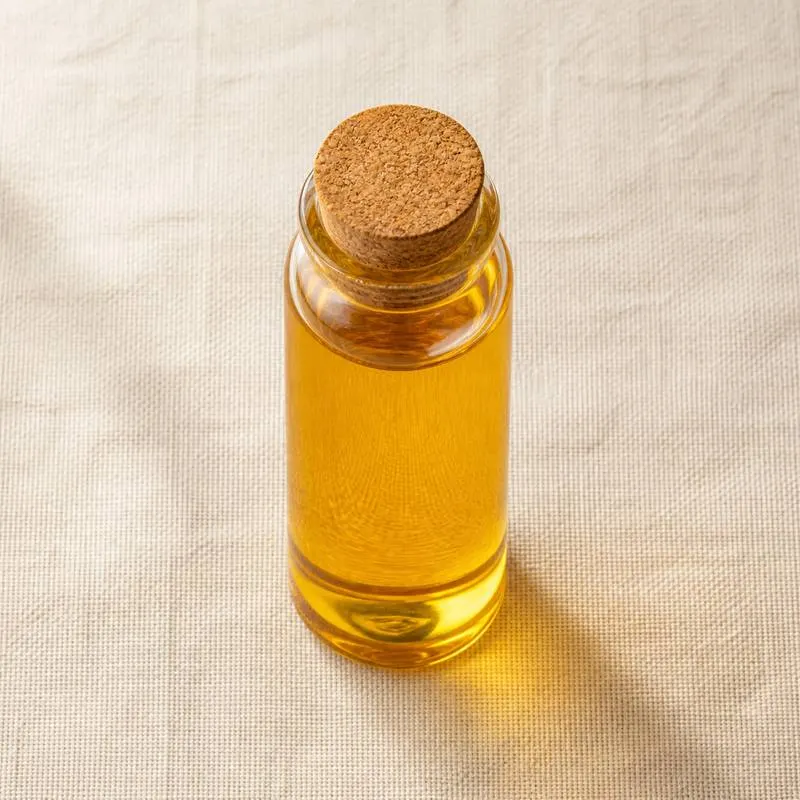
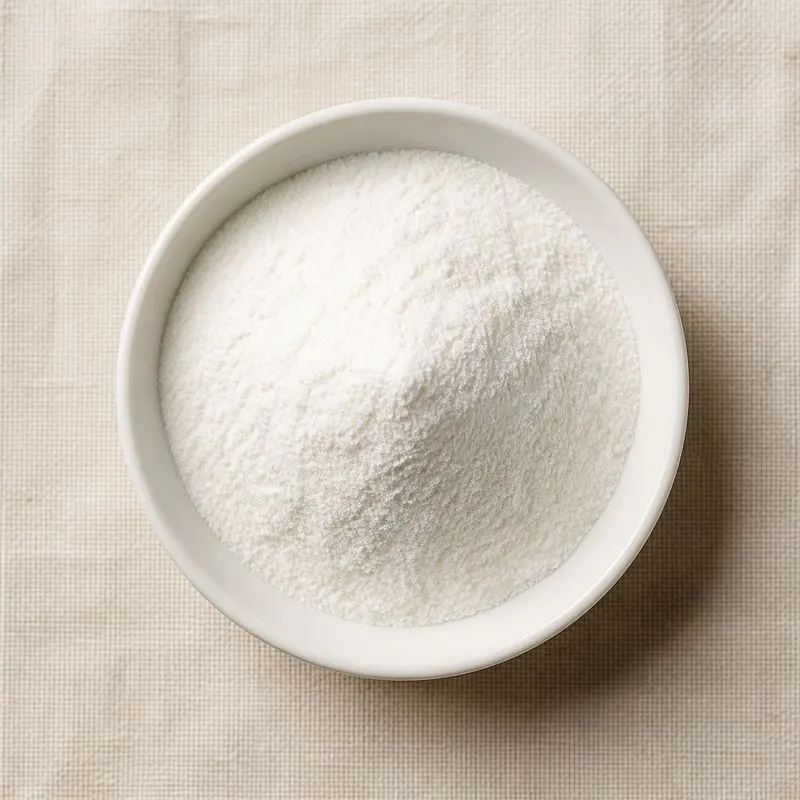
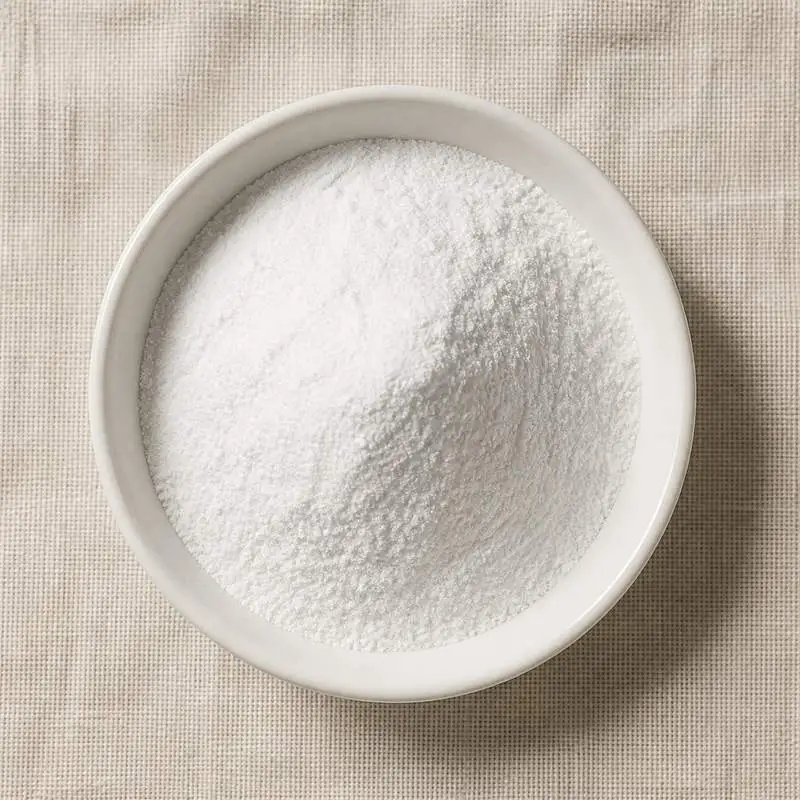
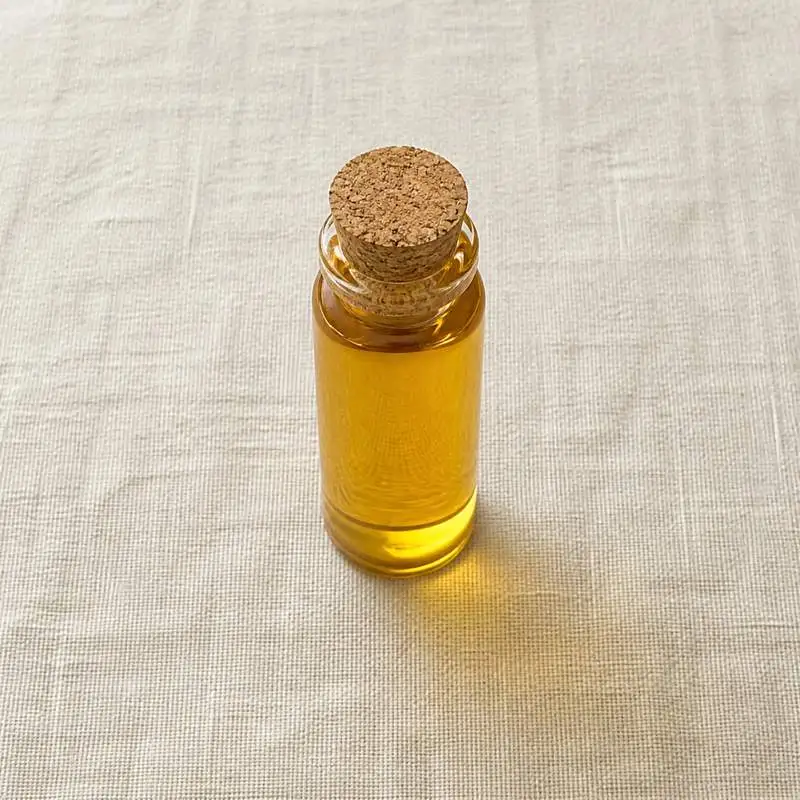
Ingredient forms are whole dried seed, milled seed powder, defatted seed meal and cold pressed or supercritical extracted seed oil. The oil is a golden to reddish liquid that polymerises readily because the conjugated triene system is far more reactive than an ordinary polyunsaturated chain, so it is handled under nitrogen with antioxidant and kept cold. The seed is bitter and the powder carries that bitterness into any formulation.
We source bulk Bitter Melon Seed from top China manufacturers for our partners. The manufacturer is in Jilin. A smaller requirement can ship in a combined container with other ingredients.
Please send the grade you need, the volume and your destination port, and we will come back with a solution and a price.
or call +86-21-6858 0751
- Function
- Nutraceutical
Specifications
| Item | Specification |
|---|---|
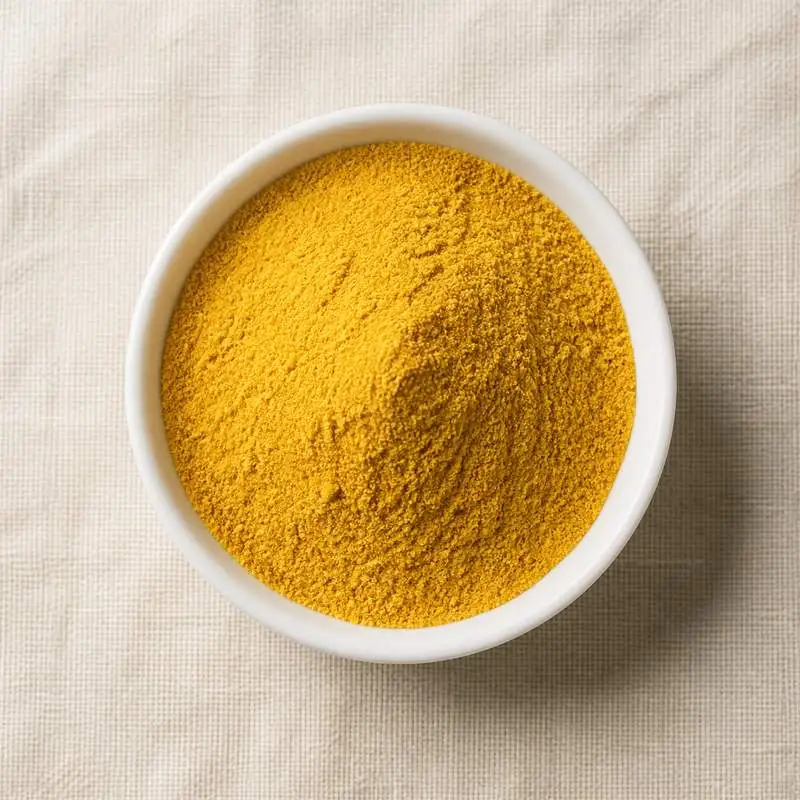
| Appearance | Golden to reddish clear oil, or pale brown milled seed powder |
| Odour and Taste | Characteristic, bitter |
| Identification | Fatty acid profile by gas chromatography conforms to reference |
| Alpha Eleostearic Acid | Not less than 50.0 percent of total fatty acids |
| Free Fatty Acid (as oleic) | Not more than 2.0 percent |
| Peroxide Value | Not more than 5.0 meq/kg |
| Anisidine Value | Not more than 20 |
| Moisture and Volatile Matter | Not more than 0.2 percent, oil |
| Insoluble Impurities | Not more than 0.1 percent |
| Unsaponifiable Matter | Not more than 2.0 percent |
| Residual Solvent | Not more than 10 mg/kg |
| Lead | Not more than 0.5 mg/kg |
| Arsenic | Not more than 0.5 mg/kg |
| Cadmium | Not more than 0.5 mg/kg |
| Total Plate Count | Not more than 10000 cfu/g |
| Yeast and Mould | Not more than 500 cfu/g |
| Salmonella | Absent in 25 g |
Common Markets Grades
Whole seed is graded on cleanliness, moisture, oil content and the proportion of hull to kernel, since the hull is largely inert fibre and dilutes both the oil and the active protein fraction. Dehulled kernel is traded separately and at a premium where oil pressing or protein work is the destination. Seed powder is graded on mesh and on whether hull is included.
Oil grades are specified on alpha eleostearic acid content, commonly 50 to 65 percent of total fatty acids, and on extraction route, cold pressed material commanding a premium over solvent extracted for supplement use and supercritical carbon dioxide extracted oil forming a third and more expensive tier. Free fatty acid, peroxide and anisidine values matter more than in an ordinary seed oil because the conjugated system oxidises so readily. Defatted meal is graded on protein. A separate and more specialised trade exists in purified protein preparations from the seed, which are laboratory rather than food scale. Buyers should note that vicine content and the seed specific proteins are the reason the seed is treated differently from the flesh in food safety terms, and a specification for food use should address them explicitly.
Applications
- Bitter melon seed oil for supplement softgels, sold on its conjugated linolenic acid content
- Blood glucose and metabolic support formulations combining seed and fruit material
- Weight management supplements positioned on the conjugated fatty acid fraction
- Traditional Chinese and Ayurvedic preparations, where the seed has documented historical use
- Whole fruit powders and extracts in which the seed fraction is deliberately retained
- Defatted seed meal as a protein and fibre component in nutraceutical blends
- Cosmetic and skin care formulations using the seed oil as a conditioning lipid
- Research material for work on plant ribosome inactivating proteins and on insulin like plant peptides
- Seed stock for cultivation, the largest non ingredient outlet for the material
- Analytical reference material for conjugated linolenic acid method development
China Manufacturers of Bitter Melon Seed
Top Bitter Melon Seed manufacturers in China.
Company names and logos are the property of the manufacturers themselves. They are listed here because our own directory records them as producing this ingredient. A listing is not an endorsement by them, and we do not represent them or speak on their behalf.
Regulatory Status
The regulatory position of bitter melon seed is distinctly less settled than that of the fruit, and the distinction matters. In the United States bitter melon fruit is a conventional food and seed containing preparations are marketed as dietary ingredients under the dietary supplement framework, with structure function claims permitted and disease claims not. Blood glucose claims are the recurring compliance issue, and the Food and Drug Administration has issued warning letters where products carried claims to treat diabetes.
In the European Union bitter melon fruit has a history of consumption as a vegetable, but the seed and preparations concentrated from it should be assessed against the novel food regulation for the specific preparation, since a pressed seed oil or a concentrated seed extract may not share the food status of the fruit flesh. Seed material carries the additional safety considerations that led to advisory labelling across the category: vicine, the seed proteins, and reports of effects in pregnancy, which is why products containing seed derived material commonly carry a caution for pregnant women. It is not a food additive and holds no E number, no health claim covers the plant, and neither JECFA nor Codex has published specifications. Pesticide residue and contaminant limits apply as for other oilseed material.
Manufacturing Process
Seed is recovered in one of two ways. Where seed is the target, fruit is left on the vine to ripen fully until the pod splits and exposes the red arils, and the seed is then extracted, washed free of the sticky aril tissue, and dried. Where seed is a by product, it is separated during processing of the green fruit at the deseeding station and is washed and dried in the same way. Drying is done at low temperature in hot air driers, since the seed lipid is highly reactive and heat drives both oxidation and polymerisation. Dried seed is cleaned on aspirators and gravity tables to remove aril residue, pod fragments and light material, then graded on screens.
Downstream processing depends on the product. Dehulling is done on impact or abrasive hullers followed by aspiration to separate hull from kernel. Oil is recovered by cold screw pressing at a controlled low barrel temperature, which protects the conjugated fatty acid at the cost of yield, or by hexane extraction of the pressed cake, or by supercritical carbon dioxide extraction of milled kernel where a solvent free product is wanted. Crude oil is settled, filtered and, where a refined product is required, given a minimal refining train of degumming and light bleaching, deodorisation being kept short and cool or omitted altogether because the conjugated system isomerises and polymerises under the conditions used for ordinary seed oils. Antioxidant is dosed and the oil is filled under nitrogen. Press cake is milled into defatted meal and sieved. Whole seed powder is produced by chilled milling of cleaned seed and is packed in oxygen barrier material.