Blood Protein Polypeptide
Blood protein polypeptide is a protein hydrolysate made from the blood of food animals, usually pigs or cattle, collected at slaughter and enzymatically digested into short peptides. Blood divides into two protein fractions with very different characters, and the finished product reflects which of them was used: the plasma fraction, dominated by albumin, globulins and fibrinogen, and the cell fraction, which is almost entirely haemoglobin.
The amino acid profile is the reason the material is traded. Blood protein is exceptionally high in lysine, which is the limiting amino acid in cereal diets, and the globin chain of haemoglobin is also high in valine, leucine and histidine, though both fractions are low in isoleucine. Haemoglobin derived material additionally carries haem iron, which is absorbed by a different intestinal route than inorganic iron salts and is the basis of the haem iron supplement products built on this raw material.
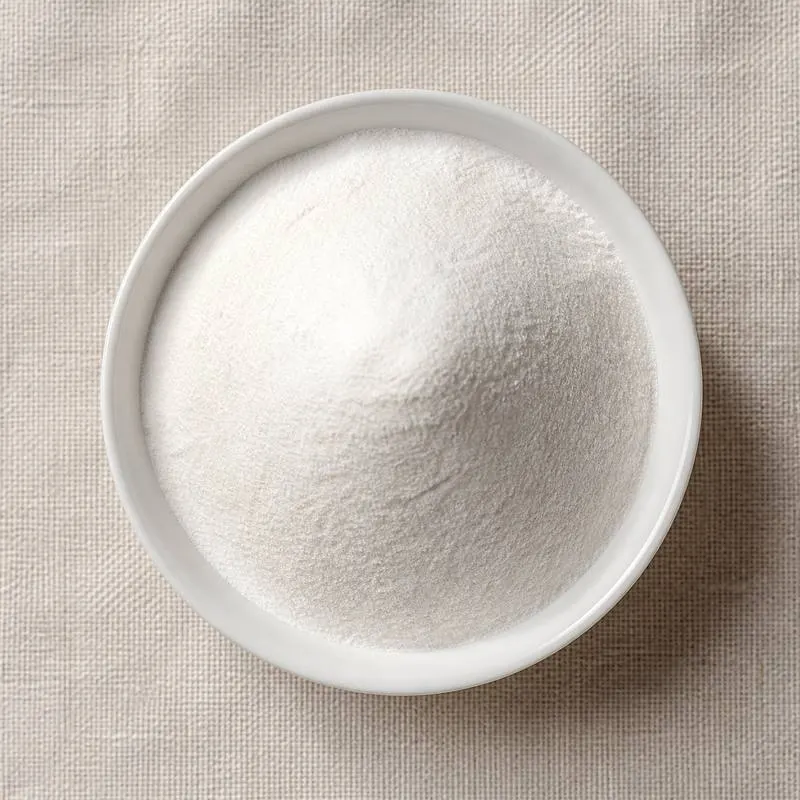
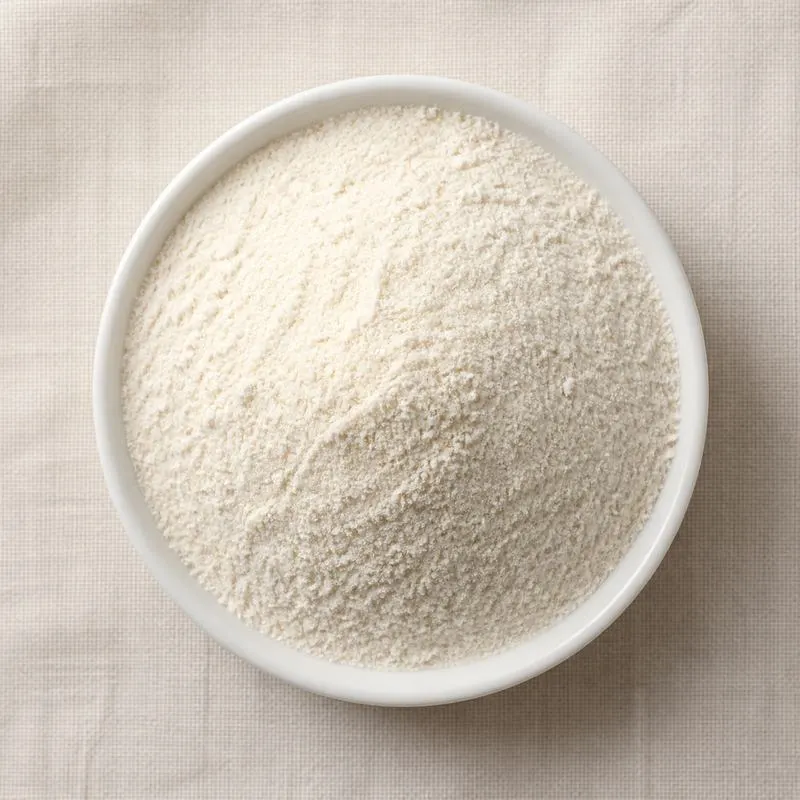
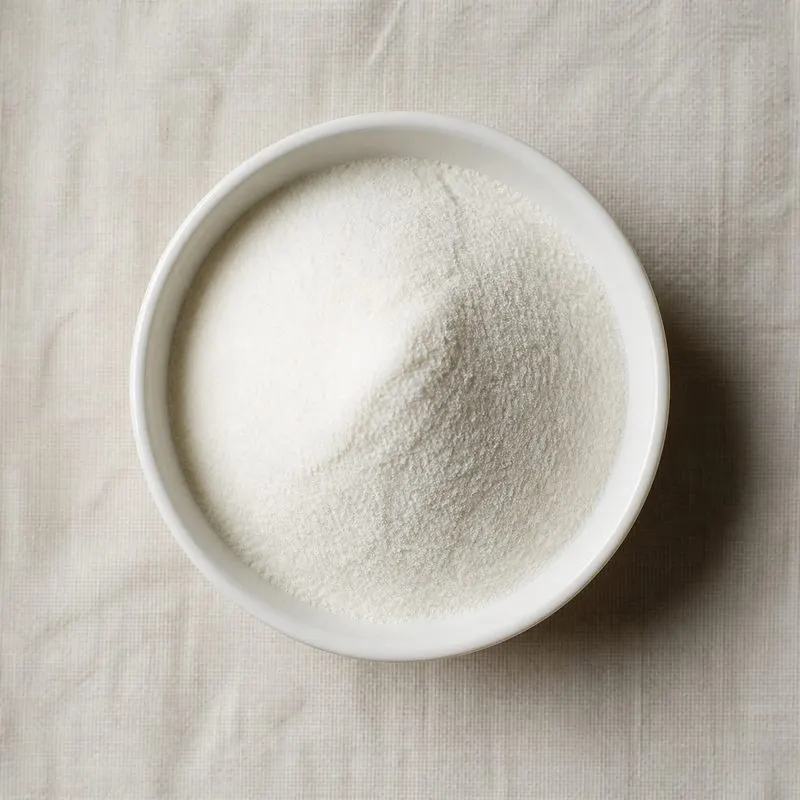
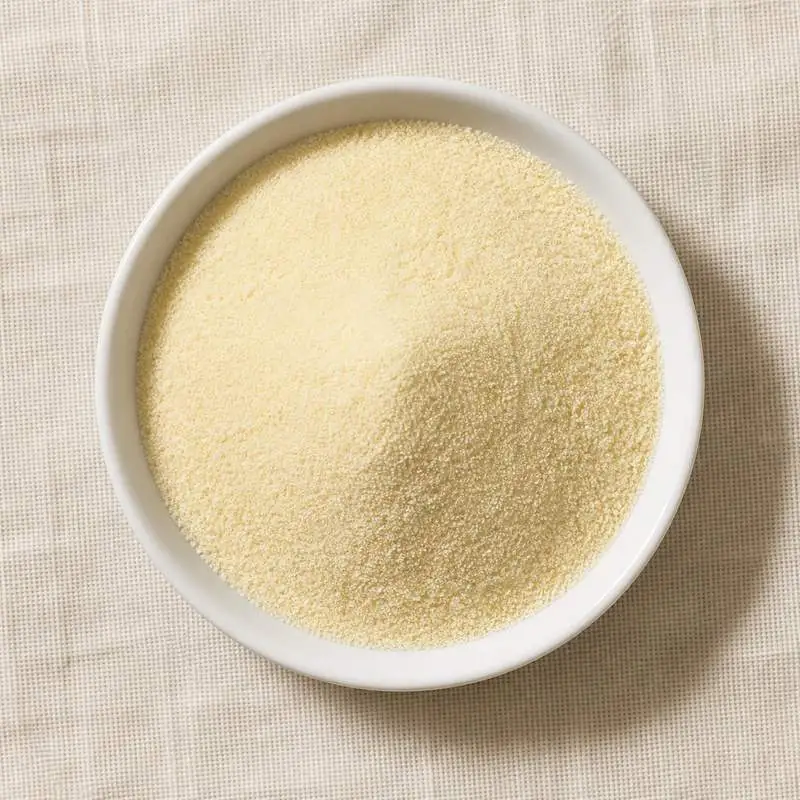
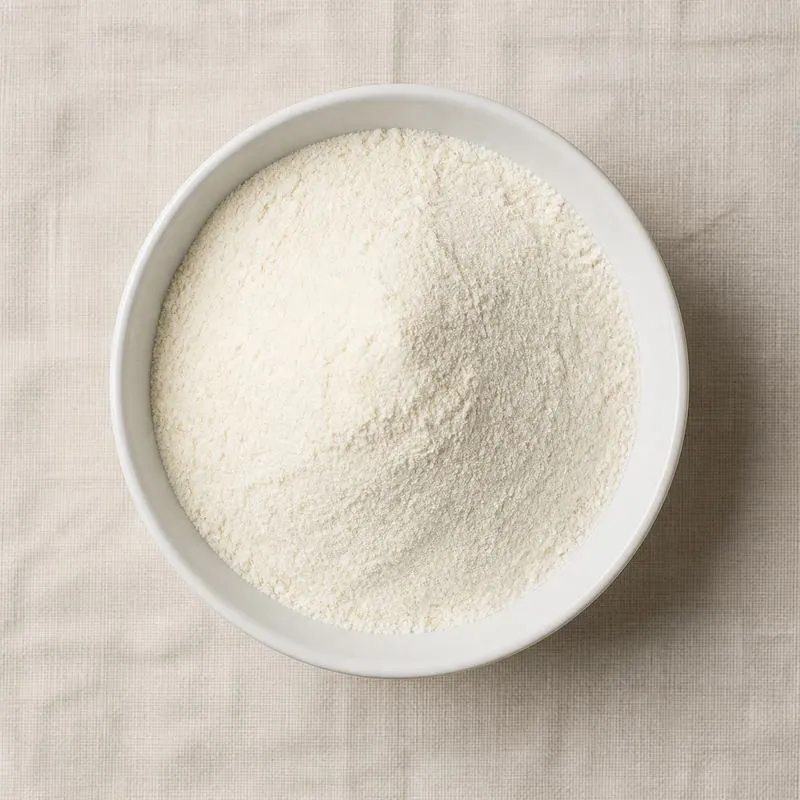
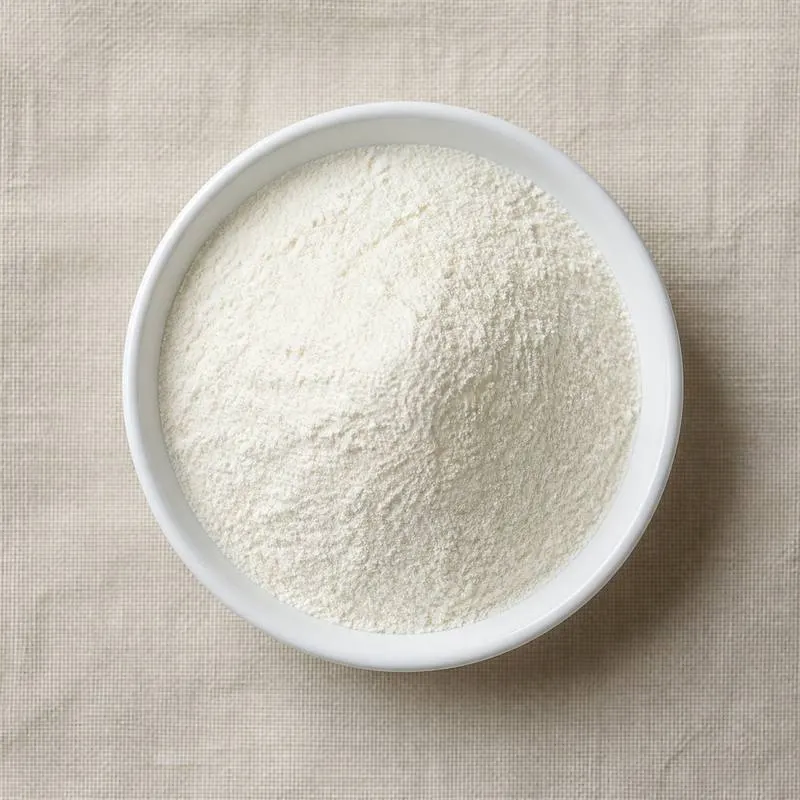
Colour is the defining processing difficulty. Untreated haemoglobin hydrolysate is a dark brown to almost black powder with a strong metallic taste, so the trade splits between decoloured grades that have been through carbon and resin treatment for use in foods, and undecoloured grades sold into feed and pet applications. Plasma derived material is much lighter, a cream to pale yellow powder, and needs no such treatment.
We source bulk Blood Protein Polypeptide from top China manufacturers for our partners. The manufacturer is in Inner Mongolia. A smaller requirement can ship in a combined container with other ingredients.
Please send the grade you need, the volume and your destination port, and we will come back with a solution and a price.
or call +86-21-6858 0751
- Function
- Protein
Specifications
| Item | Specification |
|---|---|
| Appearance | Cream to light brown powder for plasma grades, dark brown for undecoloured haemoglobin grades |
| Odour and Taste | Slight characteristic odour, bland to faintly metallic |
| Species and Fraction of Origin | Declared on the specification and traceable to inspected slaughter |
| Protein (dry basis, N x 6.25) | Not less than 85.0 percent |
| Peptides below 1000 Daltons | Not less than 80.0 percent |
| Iron (haem iron grades) | 0.8 to 2.5 percent as declared |
| Loss on Drying | Not more than 8.0 percent |
| Ash | Not more than 8.0 percent |
| pH (1 percent solution) | 5.5 to 7.5 |
| Solubility in Water | Not less than 95.0 percent |
| Residual Solvent | Not more than 0.05 percent |
| Lead | Not more than 0.5 mg/kg |
| Arsenic | Not more than 0.5 mg/kg |
| Heavy Metals (as Pb) | Not more than 10 mg/kg |
| Total Plate Count | Not more than 10000 cfu/g |
| Yeast and Mould | Not more than 100 cfu/g |
| E. coli | Negative in 1 g |
| Salmonella | Negative in 25 g |
Common Markets Grades
The first distinction is fraction. Plasma protein hydrolysate is light coloured, bland and used in food and clinical nutrition. Haemoglobin or globin hydrolysate is dark, iron bearing and directed either to iron supplement production after decolourisation or to feed and pet food without it. Whole blood hydrolysate combines both and is essentially a feed grade item.
The second distinction is degree of purification. Feed grades are specified on crude protein, typically 85 percent or above, ash and moisture alone. Food grades add molecular weight distribution, usually declaring 80 to 90 percent of peptides below 1000 daltons, together with limits on residual haem, on colour measured against a reference, and on the metallic off note. Iron supplement grades are specified on haem iron content rather than on protein, and are traded on the iron figure. Species declaration is mandatory in trade because porcine blood is unacceptable in several markets, and bovine material carries the additional sourcing documentation that applies to ruminant tissue.
Applications
- Haem iron supplements and iron fortified powders, using the iron carrying globin fraction
- Iron fortification of nutritional beverages and cereal products in markets where haem iron is permitted
- Lysine enrichment of cereal based foods and nutritional blends
- Meat processing, where plasma derived peptides improve water binding and cooked yield
- Piglet and calf milk replacer feeds, where plasma protein improves growth and gut health
- Pet food palatants and premium pet food protein, using undecoloured hydrolysate
- Aquaculture feeds, as a highly digestible protein and attractant
- Microbiological culture media and fermentation nitrogen sources
- Antioxidant peptide preparations, where specific fragments of globin are the target
China Manufacturers of Blood Protein Polypeptide
Top Blood Protein Polypeptide manufacturers in China.

Company names and logos are the property of the manufacturers themselves. They are listed here because our own directory records them as producing this ingredient. A listing is not an endorsement by them, and we do not represent them or speak on their behalf.
Regulatory Status
In the United States blood from animals slaughtered under federal inspection is an edible product and its hydrolysates are handled as conventional food ingredients on generally recognised as safe status that the manufacturer establishes, with processing subject to the meat inspection rules of the Food Safety and Inspection Service. Bovine blood carries the sourcing restrictions that apply to ruminant material under the specified risk material controls. Supplement presentations, including haem iron products, fall under the dietary supplement framework and must declare iron content in the supplement facts panel.
In the European Union blood and blood products intended for human consumption are covered by the hygiene rules for food of animal origin, which require collection hygiene, prohibit the use of blood from animals whose carcass is rejected, and set the conditions under which blood may be processed for food. Ruminant blood is additionally restricted under the transmissible spongiform encephalopathy regulation. A concentrated haem iron preparation for supplement use is likely to require novel food authorisation unless it falls within an existing entry, and the iron sources permitted for addition to foods and supplements are set out in closed lists that do not currently include haem iron peptide. Blood products are not food additives and hold no E numbers, and Codex has published no specification for them.
Manufacturing Process
Blood is collected hygienically at slaughter, which in practice means a closed collection knife and an anticoagulant such as sodium citrate dosed immediately, since clotted blood cannot be processed. The collected blood is chilled and centrifuged, which splits it into a straw coloured plasma layer at roughly 7 percent protein and a red cell concentrate at around 35 percent protein. The two streams are handled separately from that point.
Whichever fraction is used, it is diluted, adjusted to the pH and temperature window of the enzyme system and hydrolysed with a food grade protease, typically an alkaline endoprotease taken to a defined degree of hydrolysis and then an exopeptidase stage to reduce bitterness. For haemoglobin the additional and critical step is separation of the haem group from the globin chains, achieved by acidifying in the presence of a solvent such as acetone or ethanol so that the haem precipitates and can be filtered off, or by adsorbing the pigment onto activated carbon or an ion exchange resin after hydrolysis. The clarified hydrolysate is then ultrafiltered to control molecular weight, nanofiltered to concentrate and desalt, evaporated under vacuum and spray dried at a controlled inlet temperature, then sieved and packed with a moisture barrier.