Sodium Citrate
Sodium Citrate is the umbrella name for the sodium salts of citric acid, covering monosodium citrate, disodium citrate, and trisodium citrate. The European food additive number E331 spans all three.
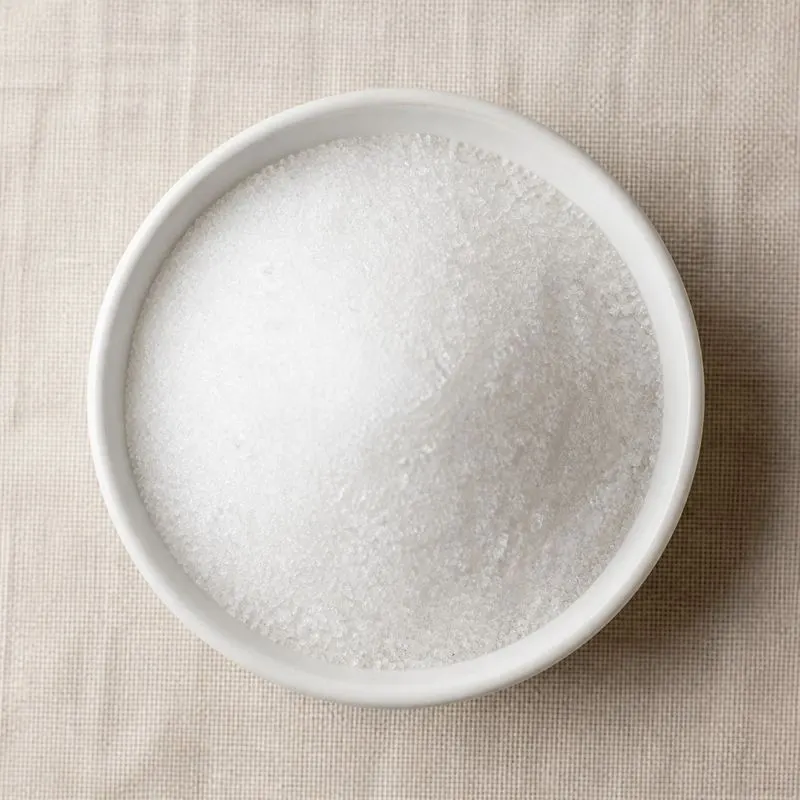
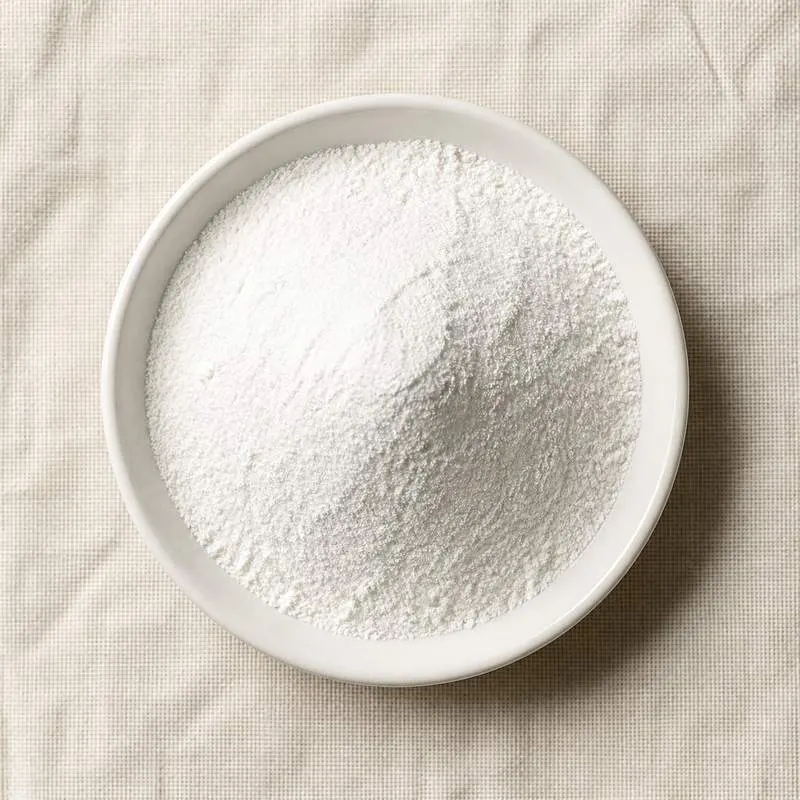
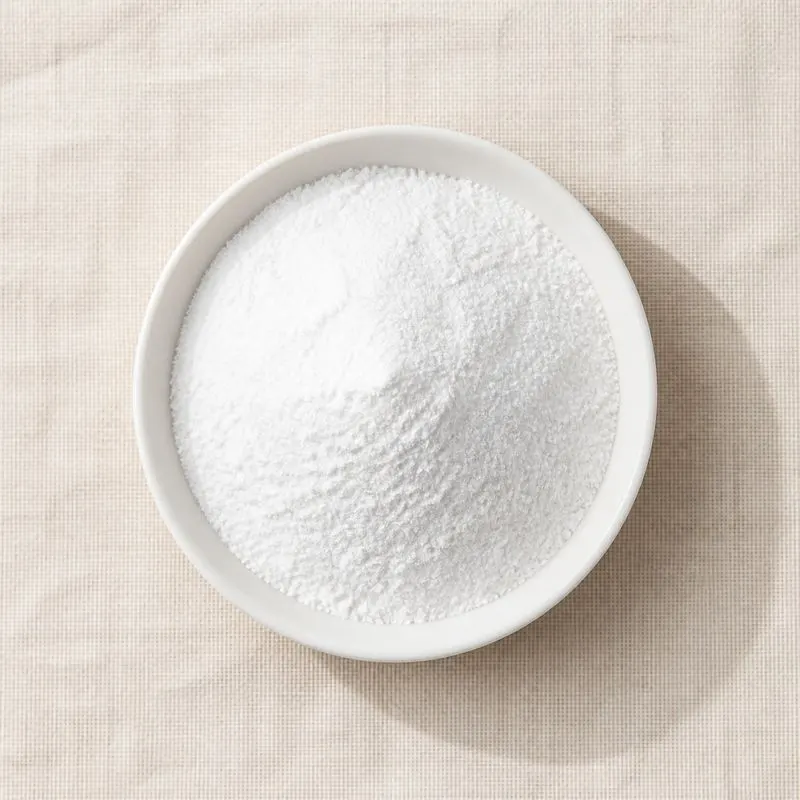
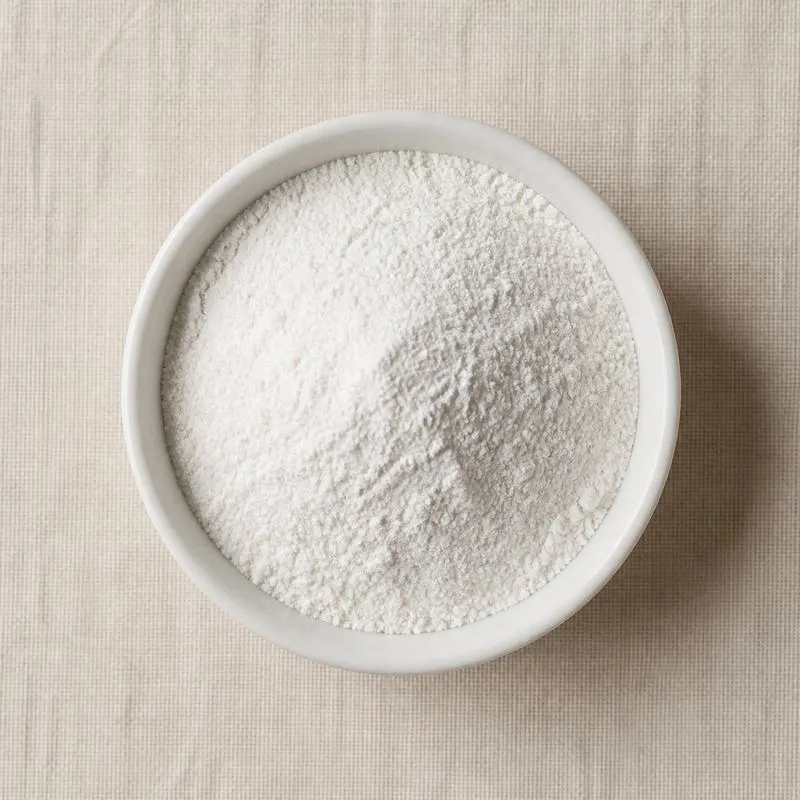
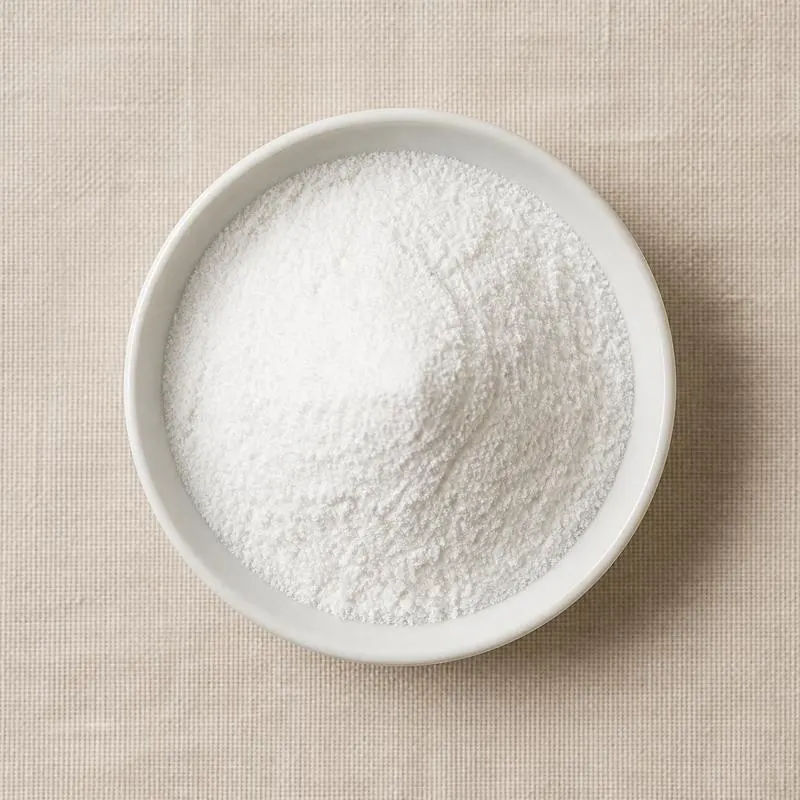
In commercial practice, when a buyer asks for sodium citrate without further qualification they almost always mean trisodium citrate dihydrate (Na₃C₆H₅O₇·2H₂O), the dominant form in the food, beverage, dairy, and pharmaceutical trade. The compound is a white, odourless, slightly hygroscopic crystalline powder with a cooling, mildly salty-sour taste.
We source bulk Sodium Citrate from top China manufacturers for our partners, working with several of them. The manufacturers are in Shandong and Jiangsu. For this ingredient the minimum order is 1,000 kg and a 20-foot container takes 25 MT, and a smaller requirement can ship in a combined container with other ingredients.
Please send the grade you need, the volume and your destination port, and we will come back with a solution and a price.
or call +86-21-6858 0751
- Minimum order
- 1,000 kg
- Qty in 20' FCL
- 25 MT
- Packaging
- 25 kg kraft paper bag with PE inner liner
- ISO 9001
- HACCP
- Halal
- Kosher
Specifications
| Item | Specification |
|---|---|
| Appearance | White crystalline powder or granules |
| Assay (dry basis) | 99.0% to 101.0% |
| Water content (dihydrate) | 10.0% to 13.0% |
| pH (5% solution) | 7.5 to 9.0 |
| Alkalinity | Passes test |
| Tartrate and oxalate | Passes test |
| Heavy metals (as Pb) | ≤ 5 mg/kg |
| Arsenic | ≤ 3 mg/kg |
| Lead | ≤ 2 mg/kg |
Common Markets Grades
The merchant market recognises three chemical subgrades under E331.
E331(i) monosodium citrate (NaH₂C₆H₅O₇) gives an acidic solution at around pH 3.5 to 4.0 and is used in effervescent tablets and some specialty beverage formulations.
E331(ii) disodium citrate (Na₂HC₆H₅O₇) sits in the middle of the range, giving a pH near 5, and is used in dairy stabilisation and pharmaceutical preparations.
E331(iii) trisodium citrate (Na₃C₆H₅O₇) is the dominant grade. It dissolves to give a pH of 7.5 to 9.0 and is used wherever a strong buffer or sequestrant in the neutral range is required.
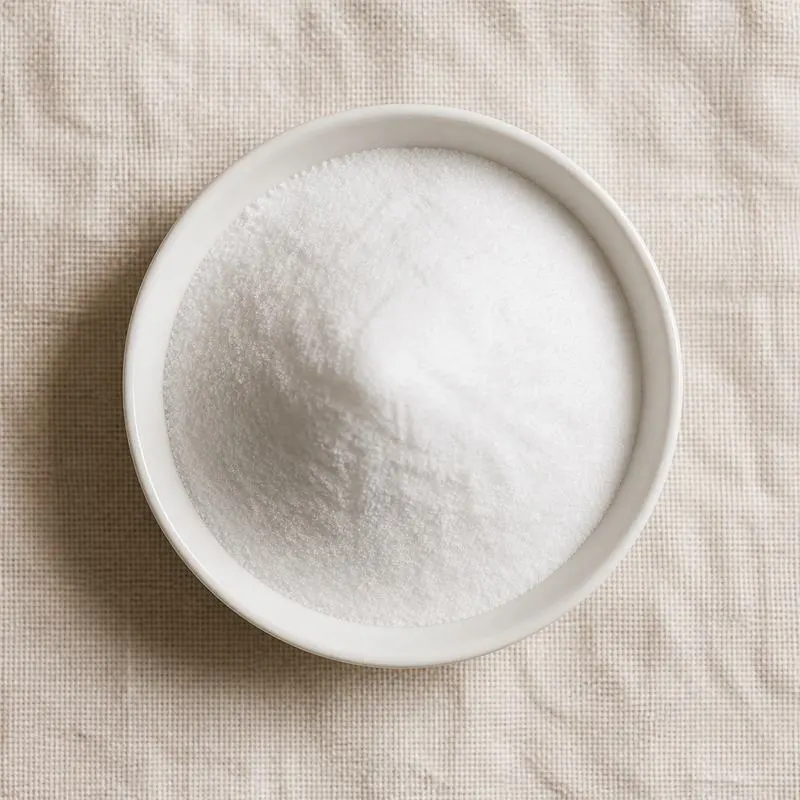
Within trisodium citrate the dihydrate is the standard commercial form. Particle-size grades range from fine powder for instant beverages, through standard granular for general food use, to coarse granular and pearl-shaped crystals for direct-compression tableting and free-flowing dry blends.
Applications
- Beverage acidity regulator and buffering agent in fruit juice, soft drinks, sports drinks, and flavoured waters
- Processed cheese, cheese slices, and cheese sauces as the principal emulsifying salt, where it sequesters calcium and disperses casein
- Dairy beverages and evaporated milk as a stabiliser against heat-induced protein aggregation
- Plant-based milks and creamers as a calcium-binding buffer
- Pharmaceutical effervescent tablets and oral rehydration solutions
- Anticoagulant in blood collection tubes and apheresis (the citrate sequesters calcium and prevents clotting)
- Meat and poultry brines for moisture retention and pH control
- Jams, jellies, and fruit preserves as a setting aid with pectin
- Ice cream and frozen desserts as a stabiliser
- Photographic developer and stop-bath formulations
- Detergent formulations as a phosphate replacement and water softener
Brands Using Sodium Citrate
Widely-distributed consumer products that list Sodium Citrate on the ingredient label.
- Kraft Heinz (Velveeta)Velveeta Original Pasteurized Recipe Cheese Product, 8 oz Block ↗Kraft Heinz SmartLabel ingredient panel lists Sodium Citrate as an emulsifying/melting salt in Velveeta processed cheese.Label verified 2026-05-24
- Kraft Heinz (Kraft Singles)Kraft Singles American Pasteurized Prepared Cheese Product ↗Kraft Heinz official SmartLabel discloses Sodium Citrate as emulsifying salt in Kraft Singles slices.Label verified 2026-05-24
- Unilever (Liquid I.V.)Liquid I.V. Hydration Multiplier ↗Brand official ingredients page lists Sodium Citrate as an electrolyte/tartness agent in the powdered drink mix.Label verified 2026-05-24
- Abbott (Pedialyte)Pedialyte Classic Oral Electrolyte Solution ↗Abbott Nutrition product page ingredient list includes Sodium Citrate as electrolyte buffer in Pedialyte Classic.Label verified 2026-05-24
- Red BullRed Bull Energy Drink ↗Brand official ingredients page lists Sodium Citrate among ingredients in Red Bull Energy Drink.Label verified 2026-05-24
- PepsiCo (Gatorade)Gatorade Thirst Quencher ↗Brand ingredient panel lists Sodium Citrate as electrolyte/buffer ingredient in Gatorade Thirst Quencher.Label verified 2026-05-24
- The Coca-Cola Company (Powerade)Powerade Mountain Berry Blast Sports Drink ↗Brand-listed ingredients include Sodium Citrate as an acidity regulator/electrolyte source.Label verified 2026-05-24
Brand names, product names and logos are the property of their owners. They appear here as published evidence that the ingredient is used, taken from the brand's own label or website. Their appearance is not an endorsement, and it does not mean the brand buys from us or from any manufacturer listed on this site.
China Manufacturers of Sodium Citrate
Top Sodium Citrate manufacturers in China.
- Jiangsu Debang Duoling Health Technology Co., Ltd.10 ingredients in the directory
 Jiangsu Guoxin Union Energy Co., Ltd.3 ingredients in the directory
- Lianyungang Shuren Kechuang Food Additive Co., Ltd.4 ingredients in the directory
- Natural Biological Group Co., Ltd.9 ingredients in the directory
 Nature Food Technology Co.;Ltd.12 ingredients in the directory
 RZBC Group Co., Ltd.13 ingredients in the directory
 Shandong Ensign Industry Co., Ltd.3 ingredients in the directory
 Ttca Co., Ltd.5 ingredients in the directory
Company names and logos are the property of the manufacturers themselves. They are listed here because our own directory records them as producing this ingredient. A listing is not an endorsement by them, and we do not represent them or speak on their behalf.
How We Help Source Sodium Citrate
Direct Factory Sourcing
We run the whole process: selecting the manufacturer from the top Chinese food ingredient producers, negotiating the price, verifying quality, and coordinating the logistics. You deal with us instead of with several factories at once.
Original Packaging and Documents from the Manufacturer
The manufacturer sends your Sodium Citrate out of its own factory in the original packing, through to your destination port. The COA, COO, MSDS, TDS and any certifications reach you from the manufacturer as well.
Free Samples and Lead Time
We send 100 to 500 g free for your own laboratory to test and you cover only the courier, usually within 2 to 3 working days. ETD is usually within 7 to 15 days once the order is confirmed, and we check that date against the factory's own manufacturing schedule before we give it to you.
Combined Shipment
We can load Sodium Citrate together with other ingredients such as Sodium Acetate, Calcium Citrate and Sodium Lactate into one 20' FCL. If your quantity is small, we can also ship LCL.
Regulatory Status
The sodium salts of citric acid are among the most broadly cleared food additives in use.
The European Union assigns E331 with three subgrades, E331(i), (ii), and (iii). EFSA has reviewed the citrates and concluded no safety concern at current intake levels, with no numerical limit.
The U.S. Food and Drug Administration lists sodium citrate as Generally Recognized as Safe under 21 CFR 184.1751 for use as a sequestrant, buffer, and emulsifying salt. The Codex Alimentarius general standard for food additives permits sodium citrate across nearly all food categories.
JECFA has placed the citrates in the not-specified category, reflecting normal metabolic handling of both sodium and citrate. Pharmacopoeial monographs for sodium citrate dihydrate and anhydrous sodium citrate appear in the United States Pharmacopeia, the European Pharmacopoeia, the British Pharmacopoeia, and the Japanese Pharmacopoeia.
The Food Chemicals Codex specifies trisodium citrate dihydrate with a water content of 10 to 13 percent and an assay of 99 to 100.5 percent on the dry basis. Halal and Kosher certifications are routinely available.
Manufacturing Process
Sodium citrate is produced by neutralising citric acid with a sodium base.
The starting citric acid is itself produced by submerged fermentation of glucose or sucrose feedstocks using the mould Aspergillus niger. The fermentation broth is filtered to remove biomass, the citric acid is recovered as calcium citrate by precipitation, and then liberated again by treatment with sulphuric acid.
For sodium citrate production, food-grade citric acid solution is metered into a stirred reactor with sodium hydroxide or sodium carbonate at controlled temperature and pH. The endpoint pH determines the product: 3.5 to 4 for monosodium, around 5 for disodium, 7.5 to 9 for trisodium.
The neutralised solution is filtered, treated with activated carbon if needed, and concentrated by vacuum evaporation. Cooling crystallisation gives the dihydrate of trisodium citrate, which is centrifuged and dried in fluid-bed dryers below about 50 °C to preserve the crystal water. For anhydrous trisodium citrate, the drying continues at 150 °C or above.
Production is concentrated in China, which holds the majority of global capacity, with additional plants in Western Europe, North America, and Brazil. Most plants are integrated with citric-acid fermentation.