Bonito Paste
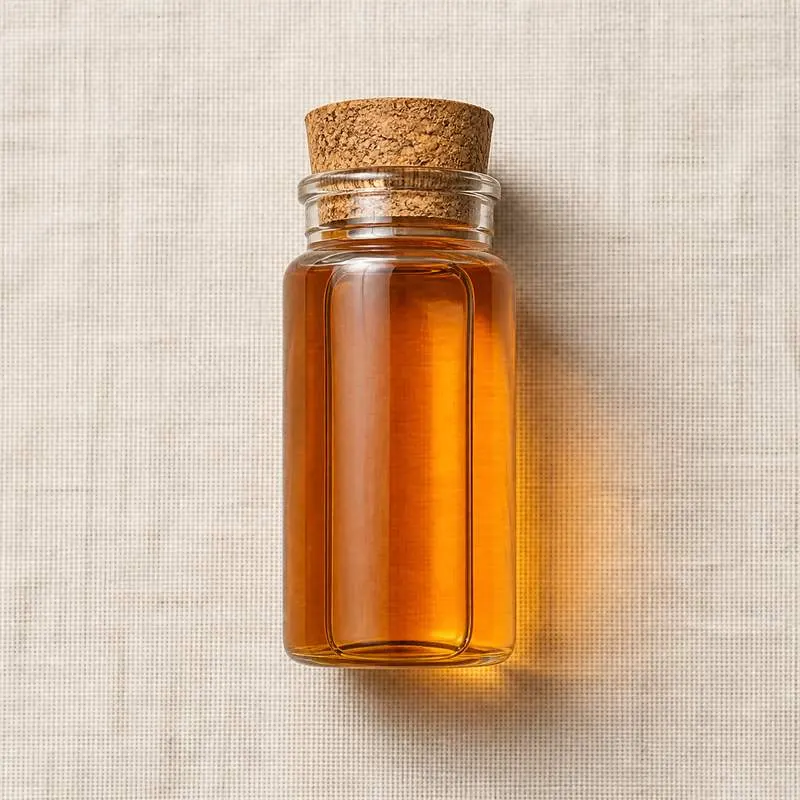
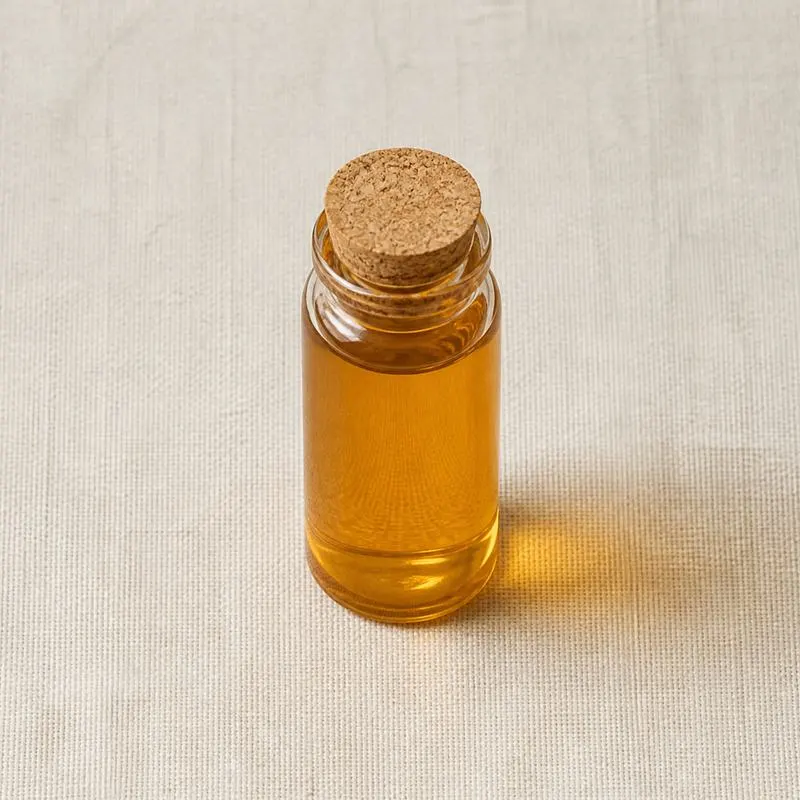
Bonito paste is a concentrated savoury base made from skipjack tuna, the fish traded as bonito or katsuo, reduced to a thick brown paste that carries the smoked, fermented, umami character of Japanese dashi. It is produced either by extracting dried bonito flakes in hot water and concentrating the liquor, or by cooking and enzymatically hydrolysing fresh bonito meat and reducing the resulting broth.
Its taste rests on free amino acids and nucleotides. Bonito is unusually rich in inosinate, which acts synergistically with the glutamate present in kombu, soy sauce and yeast extract, so a small addition of bonito paste lifts the perceived savouriness of a whole seasoning far beyond its own dose. Smoked grades add the phenolic notes carried over from the smoking of the dried fish.
The paste runs around sixty to seventy percent solids, brown to dark brown, and firm enough to hold its shape at ambient temperature. It disperses fully in hot water and only slowly in cold, so it is normally melted into a warm phase before being blended. The salt content of most grades acts as a preservative and contributes to a long ambient shelf life in sealed pails.
We source bulk Bonito Paste from top China manufacturers for our partners. The manufacturer is in Zhejiang. A smaller requirement can ship in a combined container with other ingredients.
Please send the grade you need, the volume and your destination port, and we will come back with a solution and a price.
or call +86-21-6858 0751
- Function
- Flavours and Aromas
Specifications
| Item | Specification |
|---|---|
| Appearance | Brown to dark brown thick paste, free from foreign matter |
| Odour and taste | Characteristic smoked bonito, matching retained standard |
| Total solids | 60 to 70 percent |
| Total nitrogen, dry basis | 7.0 percent minimum |
| Amino nitrogen, dry basis | 2.0 percent minimum |
| Salt as sodium chloride | To declared value, typically 8 to 20 percent |
| pH, 10 percent solution | 5.0 to 6.5 |
| Fat | 3.0 percent maximum |
| Histamine | 100 mg per kg maximum |
| Lead | 1 mg per kg maximum |
| Arsenic | 1 mg per kg maximum |
| Mercury | 0.5 mg per kg maximum |
| Total plate count | 10000 cfu per gram maximum |
| E. coli | Absent in 1 gram |
| Salmonella | Absent in 25 grams |
Common Markets Grades
The main division is between paste made from dried and smoked bonito, which carries the classic dashi profile at a higher price, and paste made from fresh or frozen bonito by hydrolysis, which is cheaper and more strongly savoury but lacks the smoke and fermentation notes. Within each route, grades differ by solids content, salt level and nitrogen content, with salted and low salt versions both traded because salt limits how much paste a formulator can use before the salt budget of the finished product is exhausted.
Beyond the paste, the same base is sold as a liquid concentrate at lower solids and as a spray dried powder on a maltodextrin or salt carrier. Clean label grades declare only bonito extract, water and salt, while extended grades include yeast extract, hydrolysed protein or added inosinate to reach a target savoury intensity at a lower fish content. Halal and kosher certified lines are available, and low histamine grades are specified where the finished product carries a tight scombroid limit.
Applications
- Instant dashi and soup base, as the primary source of the smoked fish note
- Ramen and udon soup concentrates, paired with kombu or soy sauce so the inosinate and glutamate reinforce each other
- Noodle dipping sauces, where it supplies savoury depth against a sweet soy base
- Retail and foodservice sauce production, including teriyaki, ponzu and okonomiyaki style sauces
- Savoury snack and rice cracker seasonings, using the dried powder form in topical dusts
- Ready meals and retort dishes, contributing a fish character that survives sterilisation
- Surimi and fish cake seasoning, reinforcing the fish note lost during washing of the mince
- Rice seasonings and furikake blends
- Pet food palatants, a large outlet for fish extract solids in general
China Manufacturers of Bonito Paste
Top Bonito Paste manufacturers in China.
Company names and logos are the property of the manufacturers themselves. They are listed here because our own directory records them as producing this ingredient. A listing is not an endorsement by them, and we do not represent them or speak on their behalf.
Regulatory Status
Bonito paste is a fish derived food ingredient rather than a food additive, so it carries no E number. In the United States it counts as a seafood product, and the seafood hazard analysis requirements in 21 CFR Part 123 cover its manufacture and import, specifically addressing histamine formation in scombroid species such as skipjack tuna. Fish is a major food allergen in United States labelling law and the label must declare it, and 21 CFR 101.22 governs any component sold as a natural flavour.
In the European Union fishery product establishments must be approved under the hygiene rules for products of animal origin, consignments require the corresponding health certification and catch documentation, and histamine limits for scombroid species apply to the raw material and the finished product. Fish is a declarable allergen in European labelling law. Codex covers the material through its standards and codes of practice for fish and fishery products and its guidance on histamine control, rather than through a commodity standard for bonito extract.
Manufacturing Process
Where the base is dried bonito, the fish is first filleted, simmered, boned, smoked repeatedly over hardwood and dried into hard blocks, then shaved into flakes. Those flakes are extracted with hot water in a countercurrent or batch extractor, which draws out inosinate, amino acids and the smoke derived phenolics. The extract is screened and centrifuged to remove fish solids and fat, then concentrated under vacuum in a falling film evaporator so the reduction proceeds at a temperature low enough to keep the aroma.
The alternative route starts from fresh or frozen bonito meat and trimmings, which are minced, cooked to denature the protein and treated with a protease at controlled temperature and pH. Hydrolysis converts muscle protein into free amino acids and peptides, the enzyme is deactivated by heating, and the slurry is separated into oil, solids and broth before the broth is concentrated in the same way. Either concentrate is then standardised for solids, salt and nitrogen, blended with any additional savoury components, sterilised or hot filled into pails and drums, and cooled. Powder grades are diverted before filling, blended with a carrier and spray dried.