Bovine Gelatin
Bovine gelatin is the partially hydrolysed form of collagen extracted from cattle hide and bone, in which the triple helix of native collagen has been unwound by pretreatment and hot water extraction into single and partly associated chains. It is the classic thermoreversible hydrocolloid: it dissolves in water above roughly 40 degrees Celsius and sets to a gel as it cools below about 30 degrees, and the cycle can be repeated indefinitely.
The gel forms because a proportion of the chains reassociate into collagen like helical junction zones on cooling, held together by hydrogen bonding through the proline and hydroxyproline residues. This mechanism gives gelatin the property no plant hydrocolloid reproduces, a melting point just below body temperature, which is why gelatin gels release flavour cleanly in the mouth and why gelatin remains the reference material for confectionery and dessert textures.
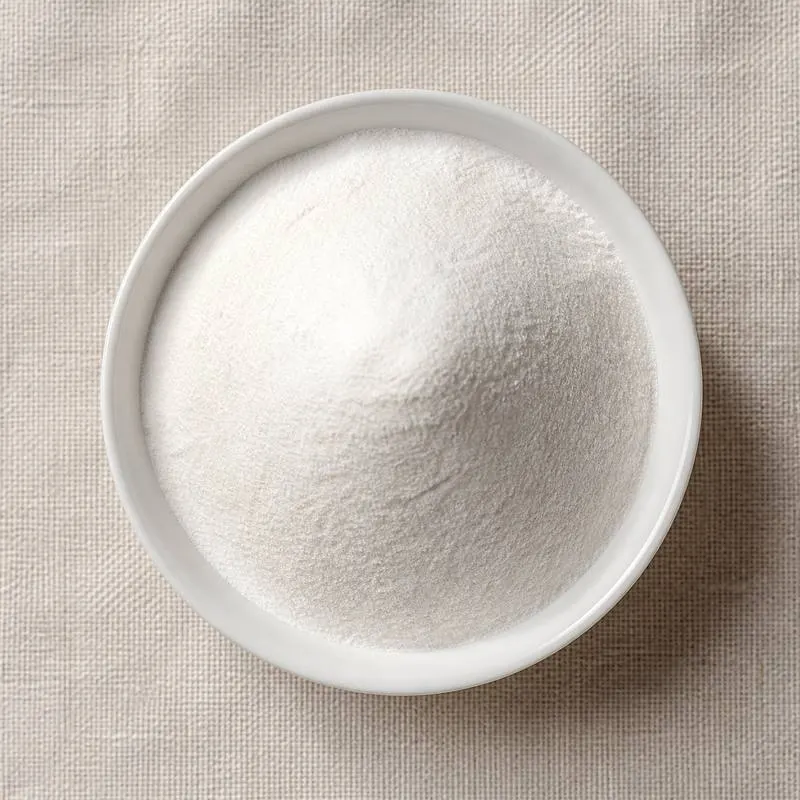
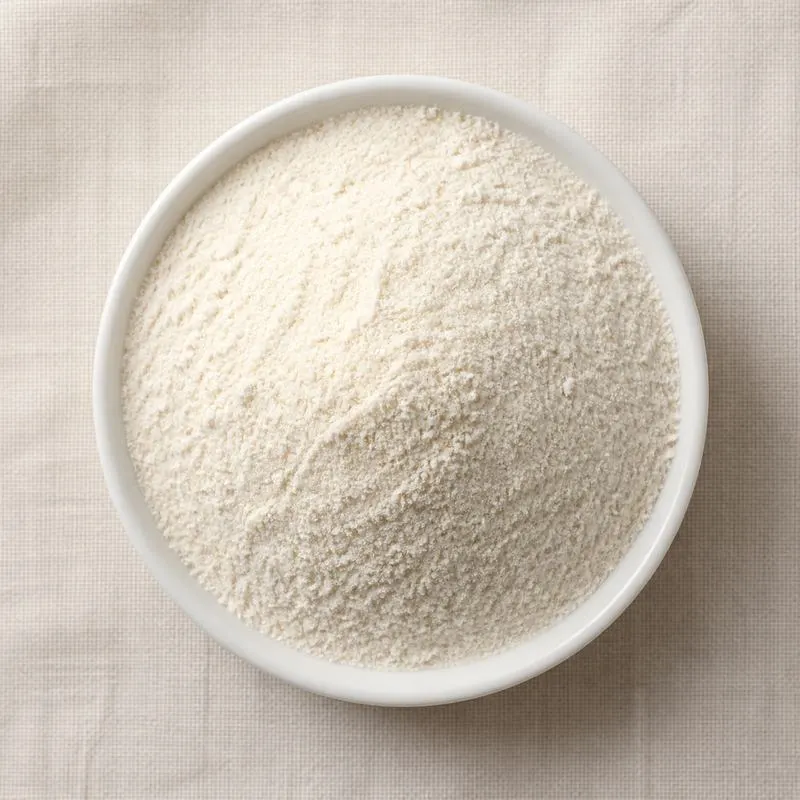
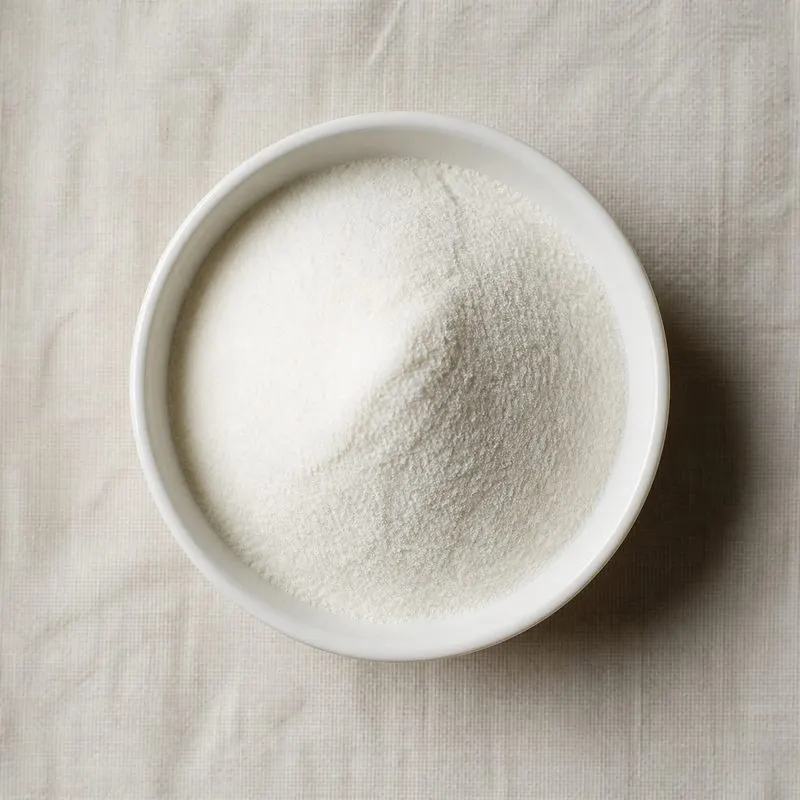
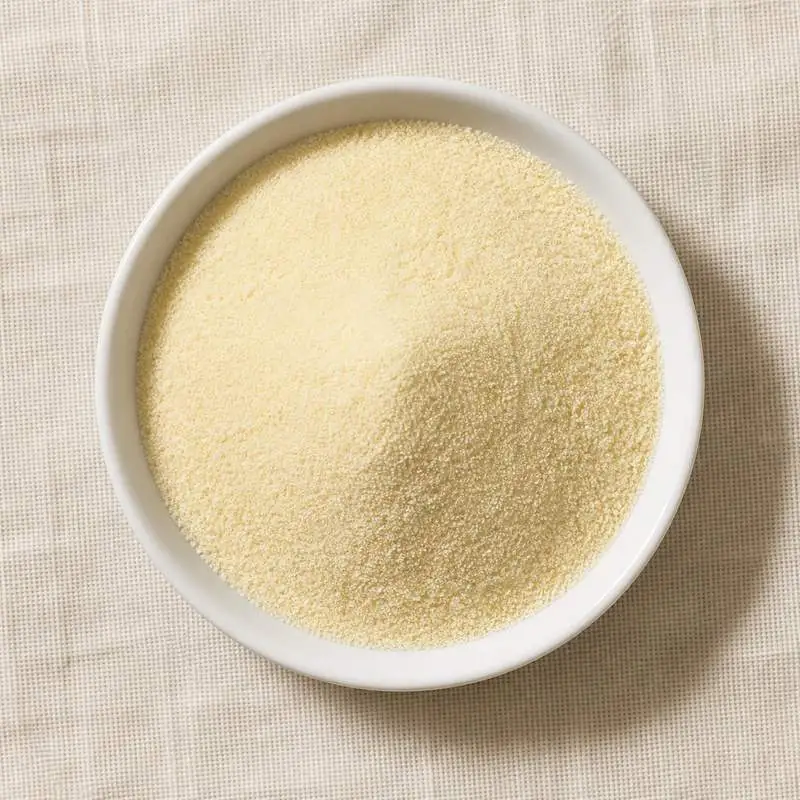
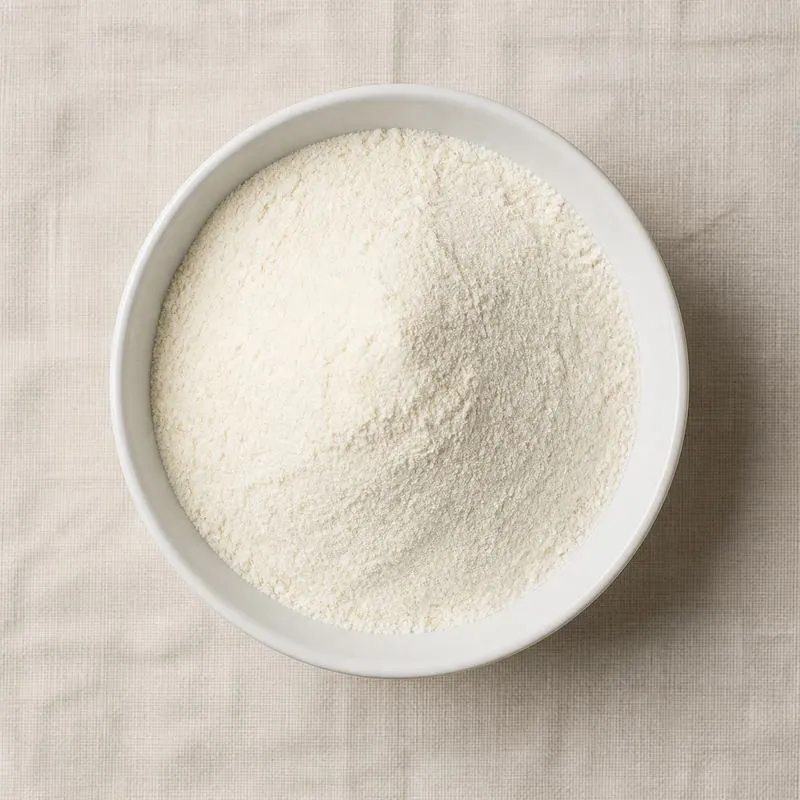
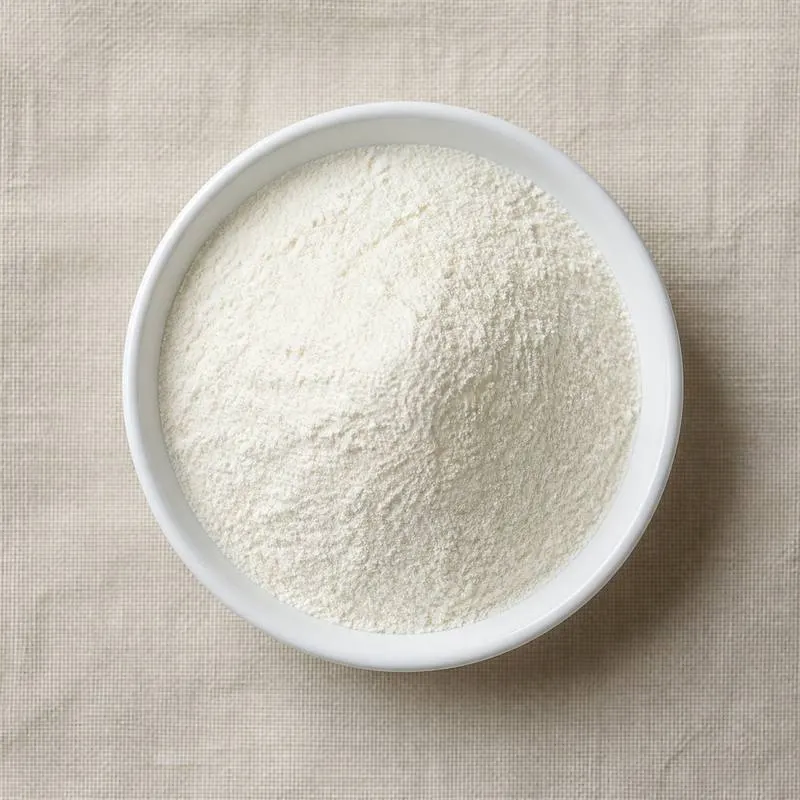
It reaches the buyer as a pale yellow to amber granular powder or as sheets, essentially odourless and tasteless when properly manufactured, hygroscopic, and requiring cold hydration before heating to avoid lumping. Alongside gelation it functions as a foaming agent, an emulsion stabiliser, a fining agent and a film former, and its performance in each of those roles tracks the same specifications that describe its gel strength.
We source bulk Bovine Gelatin from top China manufacturers for our partners. The manufacturer is in Guangdong. A smaller requirement can ship in a combined container with other ingredients.
Please send the grade you need, the volume and your destination port, and we will come back with a solution and a price.
or call +86-21-6858 0751
- Function
- Protein
Specifications
| Item | Specification |
|---|---|
| Appearance | Pale yellow to amber granules or powder, free from foreign matter |
| Odour and Taste | Practically odourless and tasteless |
| Bloom Strength | 220 to 240 g |
| Viscosity at 60 C, 6.67 percent solution | 3.5 to 4.5 mPa s |
| Protein (dry basis, N x 5.55) | Not less than 88.0 percent |
| Identification | Amino acid profile characteristic of collagen, positive gelation test |
| Loss on Drying | Not more than 12.0 percent |
| Ash | Not more than 2.0 percent |
| pH (1 percent solution) | 5.0 to 7.0 |
| Transparency | Not less than 300 mm |
| Sulphur Dioxide | Not more than 50 mg/kg |
| Hydrogen Peroxide Residue | Not more than 10 mg/kg |
| Chromium | Not more than 2.0 mg/kg |
| Lead | Not more than 1.5 mg/kg |
| Arsenic | Not more than 0.8 mg/kg |
| Total Plate Count | Not more than 1000 cfu/g |
| E. coli | Negative in 1 g |
| Salmonella | Negative in 25 g |
Common Markets Grades
Gelatin is traded on Bloom strength, the force in grams needed to depress a standard plunger into a set gel under defined conditions. Low Bloom material at 80 to 140 gives soft, slow setting gels and is used where the gelatin is a stabiliser or a protein source rather than a gelling agent. Medium Bloom at 150 to 200 covers most dessert and dairy work. High Bloom at 220 to 300 sets fast and firm and is chosen for confectionery and capsule shells, where it commands the highest price. Viscosity is specified alongside Bloom because the two together determine handling behaviour.
The second variable is the pretreatment route. Type B gelatin comes from the alkaline lime process used on hide and bone, has an isoelectric point around pH 5 and carries a lower amide content. Type A gelatin comes from the acid process, has an isoelectric point around pH 8 to 9, and behaves differently in systems containing charged proteins or gums, which matters when gelatin is combined with other hydrocolloids. Beyond that, grades differ in particle size, from fine powder for rapid dissolution to coarse granules for dust free handling, and in whether the material is presented as leaf gelatin for craft and food service use.
Applications
- Gummy sweets, wine gums and marshmallow, where gelatin provides the chew and the clean melt
- Hard and soft capsule shells in the pharmaceutical and supplement trade
- Set desserts, jellies and panna cotta, where the thermoreversible gel is the entire structure
- Yoghurt and fermented dairy, at low dosage to prevent syneresis and firm the set
- Mousses and aerated desserts, where gelatin stabilises the foam as it cools
- Low fat spreads and dairy analogues, where it builds body in the aqueous phase
- Meat products, aspics and canned hams, where the gel binds the pack and holds released juices
- Wine, beer and fruit juice fining, where gelatin flocculates tannins and haze forming particles
- Microencapsulation of flavours and oils, using gelatin in coacervation systems
- Photographic and technical films, the historic non food outlet for lower grades
Brands Using Bovine Gelatin
Widely-distributed consumer products that list Bovine Gelatin on the ingredient label.
- Great Lakes WellnessGrass-Fed Beef Gelatin Powder ↗The unflavored powder provides 12 g of grass-fed bovine gelatin per tablespoon for gummies, marshmallows and soups.Label verified 2026-08-31
- Perfect SupplementsPerfect Bovine Gelatin ↗The page states the only ingredient is bovine gelatin, sourced from Brazilian pasture-raised cows.Label verified 2026-08-31
- Zint NutritionBeef Gelatin Powder ↗Zint describes the gelatin as derived from non-GMO, kosher-certified, grass-fed bovine hides.Label verified 2026-08-31
- Vital ProteinsBeef Gelatin Unflavored ↗Vital Proteins sources this cooking gelatin from bovine hide as its single ingredient.Label verified 2026-08-31
Brand names, product names and logos are the property of their owners. They appear here as published evidence that the ingredient is used, taken from the brand's own label or website. Their appearance is not an endorsement, and it does not mean the brand buys from us or from any manufacturer listed on this site.
China Manufacturers of Bovine Gelatin
Top Bovine Gelatin manufacturers in China.

Company names and logos are the property of the manufacturers themselves. They are listed here because our own directory records them as producing this ingredient. A listing is not an endorsement by them, and we do not represent them or speak on their behalf.
Regulatory Status
In the United States gelatin is an established food ingredient with generally recognised as safe status and is used without a food additive listing. Gelatin for pharmaceutical use is covered by a pharmacopoeia monograph setting identity, Bloom, viscosity, ash, heavy metal and microbiological requirements. The controlling regulatory issue for bovine gelatin is sourcing, since the specified risk material controls exclude central nervous tissue and restrict material by the transmissible spongiform encephalopathy status of the country of origin, and manufacturers maintain documentation demonstrating compliance. Gelatin is not a major food allergen and requires no allergen declaration.
In the European Union gelatin has a dedicated section in the hygiene rules for food of animal origin, which lists the raw materials that may be used, requires the acid or alkaline treatment followed by heat extraction, and specifies the health documentation that must accompany consignments. The transmissible spongiform encephalopathy regulation places further restrictions on ruminant material and requires bone gelatin to be produced by a process that removes the mineral phase. Gelatin is treated as a food ingredient rather than an additive and carries no E number in food use. The European Pharmacopoeia and other pharmacopoeias maintain gelatin monographs, and Codex has not issued a separate commodity standard, so trade works from the pharmacopoeial monographs and the manufacturer specification.
Manufacturing Process
Hide splits, trimmings and crushed bone are received from establishments under veterinary inspection and washed. Bone is first demineralised in dilute hydrochloric acid over several days, dissolving away the hydroxyapatite and leaving the flexible collagen matrix known as ossein. Hide takes one of two pretreatments. The alkaline route immerses the material in a saturated lime slurry for several weeks, which breaks the crosslinks between collagen molecules and deamidates glutamine and asparagine residues, giving type B gelatin. The acid route uses dilute mineral acid over roughly a day and gives type A. Pretreated stock is washed to neutrality and the pH adjusted.
Extraction is carried out with hot water in a series of batches at rising temperature, typically starting near 55 degrees Celsius and finishing near 90. Each successive extract is weaker in Bloom, and the fractions are kept separate and later blended to hit the target specification. The liquors are filtered, passed through ion exchange resin to remove salts, and concentrated in a multiple effect evaporator to a viscous syrup. That syrup is flash sterilised, chilled to a gel, extruded as noodles onto a belt dryer where filtered air of rising temperature dries it to about 10 percent moisture, then milled, sieved and blended to the final Bloom and viscosity specification.