Bone Gelatin
Bone gelatin is gelatin manufactured from animal bone rather than from hide or skin. Bone is a composite of calcium hydroxyapatite and an organic matrix that is almost entirely type I collagen, and the process consists of dissolving the mineral away with dilute acid to leave ossein, then converting that collagen to gelatin by controlled partial hydrolysis in hot water.
Gelatin is defined by what it does rather than by a chemical assay. Above about 35 degrees Celsius it is a solution of random coil polypeptides; on cooling below roughly 30 degrees the chains partially reassociate into triple helical junction zones and set a thermoreversible gel, and warming melts it again close to body temperature. That melt-in-the-mouth behaviour is the property no hydrocolloid substitute reproduces exactly, and it is why gelatin persists in confectionery and dessert applications.
Bone gelatin is produced almost entirely by the alkaline process and is therefore type B, with an isoelectric point around pH 4.7 to 5.3, in contrast to the acid processed type A made mainly from pork skin. Type B carries a net negative charge at neutral pH, which affects how it interacts with other charged ingredients in a formulation.
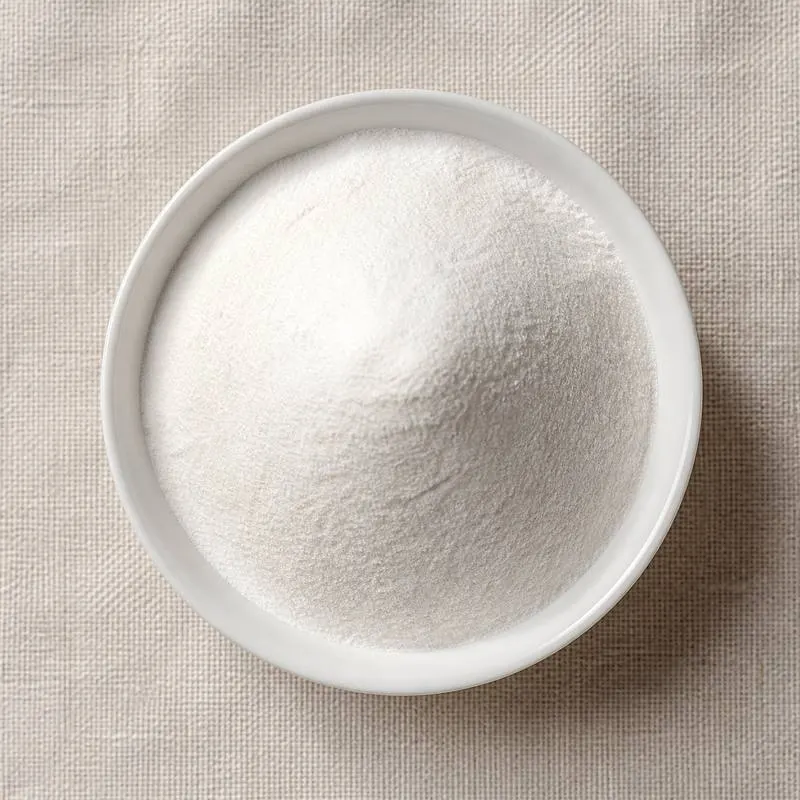
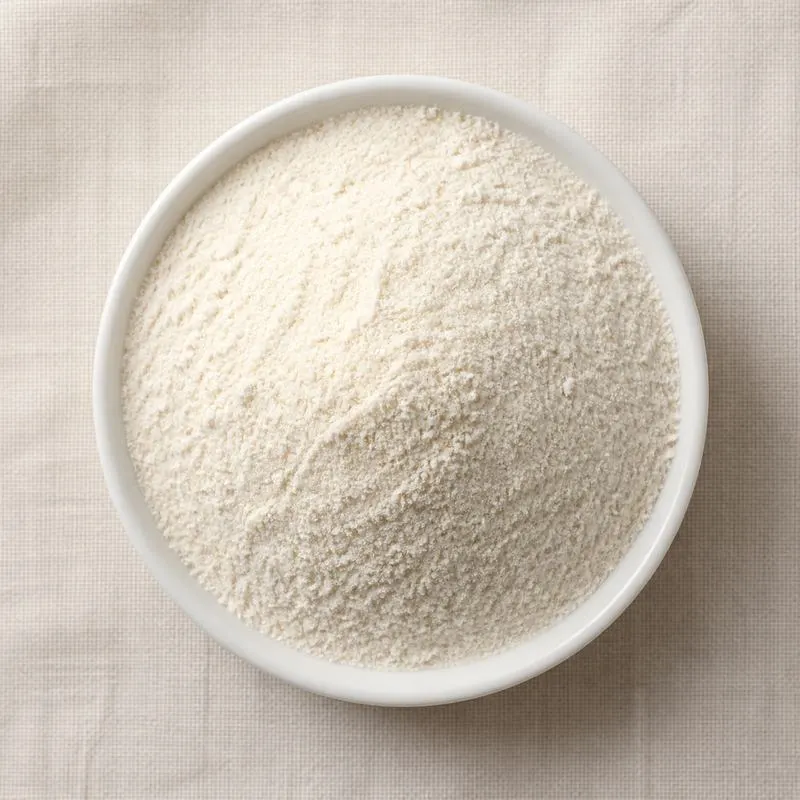
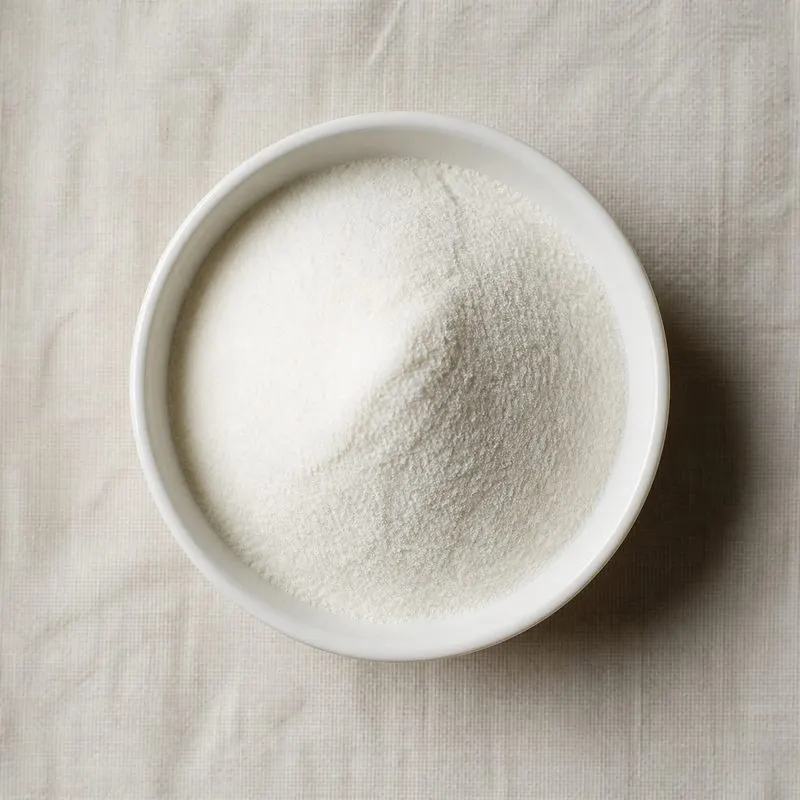
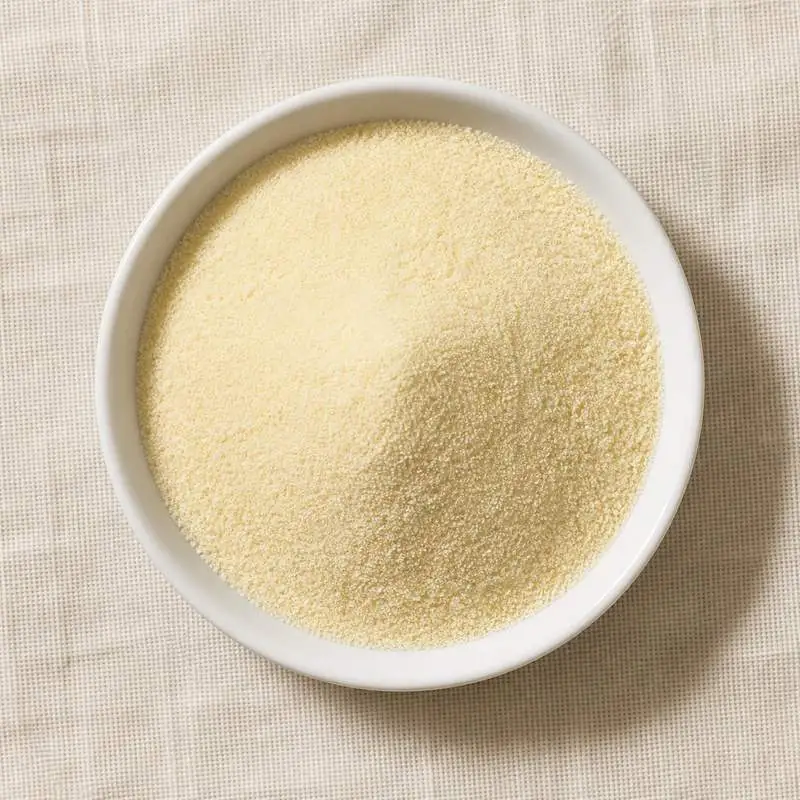
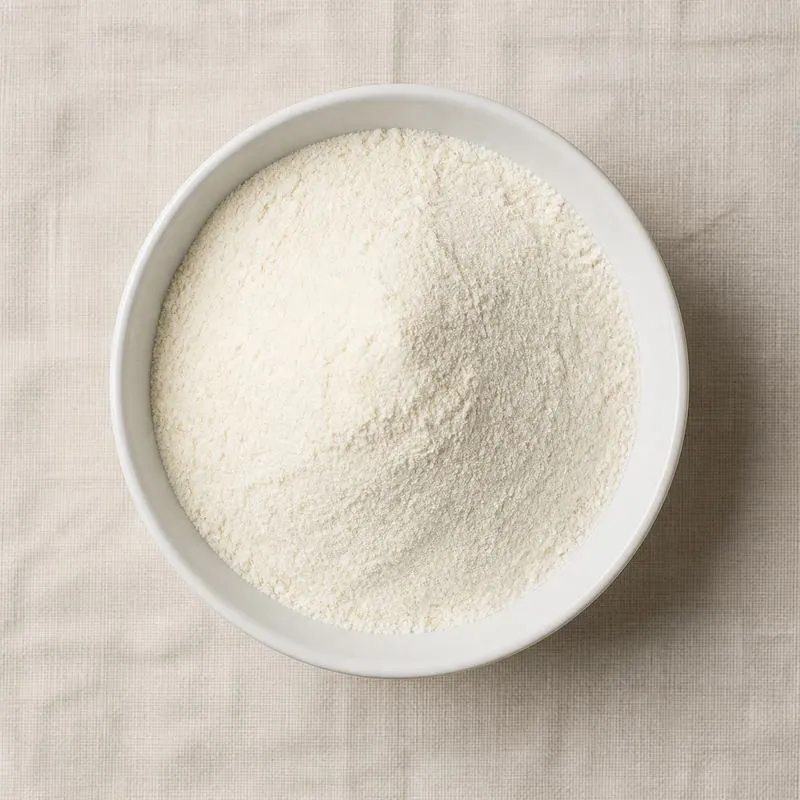
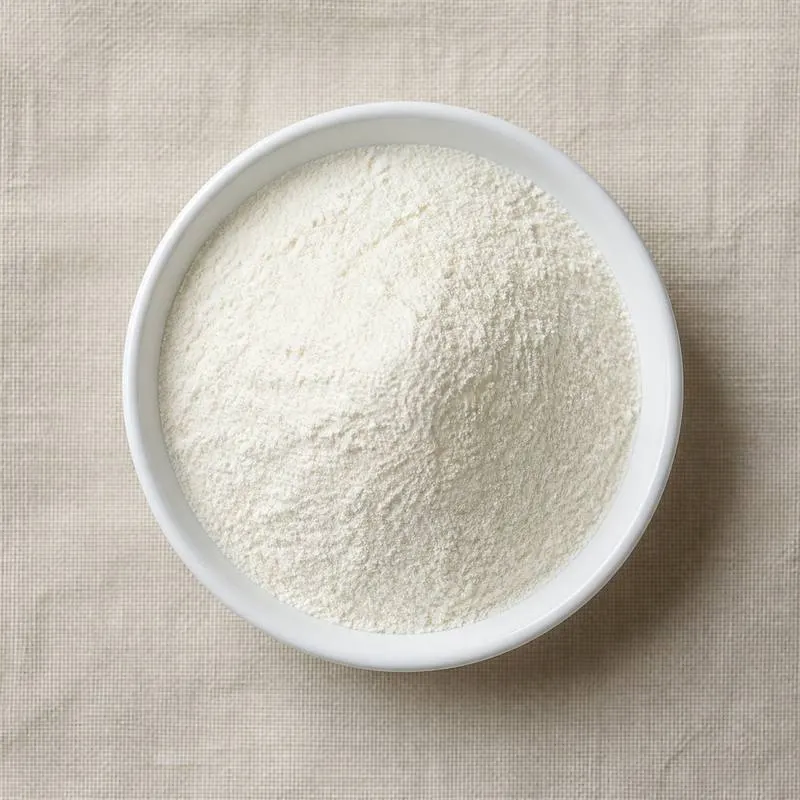
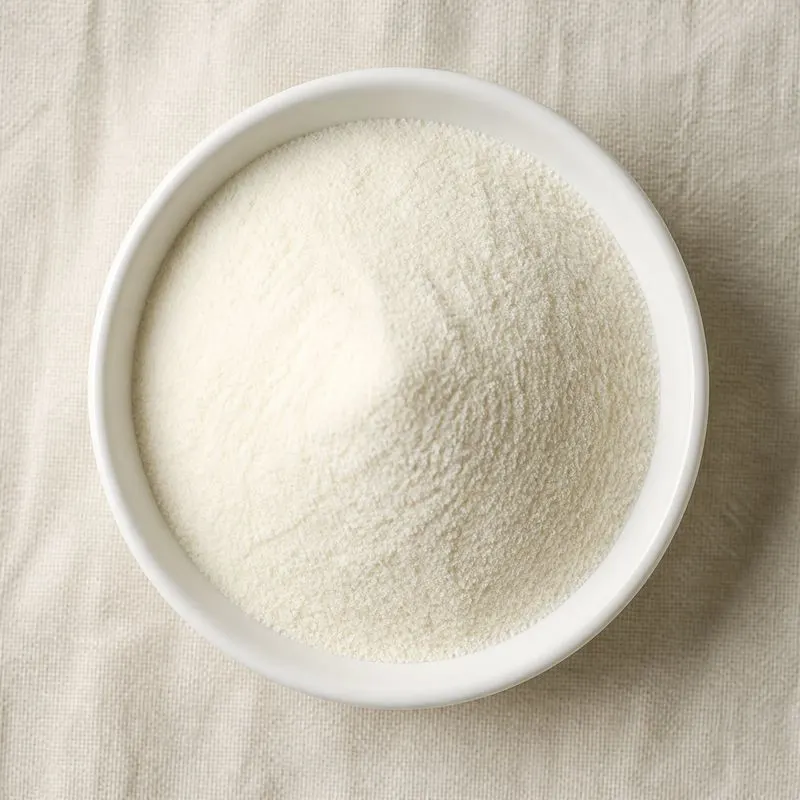
It is a pale yellow to light amber granule, powder or sheet at 8 to 12 percent moisture, odourless and bland. It hydrates by swelling in cold water and dissolves only above about 40 degrees Celsius.
We source bulk Bone Gelatin from top China manufacturers for our partners. The manufacturers are in Guangdong and Jilin. A smaller requirement can ship in a combined container with other ingredients.
Please send the grade you need, the volume and your destination port, and we will come back with a solution and a price.
or call +86-21-6858 0751
- Function
- Protein
Specifications
| Item | Specification |
|---|---|
| Appearance | Pale yellow to light amber granules, powder or sheet |
| Odour and Taste | Odourless and bland, free from off notes |
| Bloom Strength | 150 to 260 g, per declared grade |
| Viscosity, 6.67% at 60°C | 2.0 to 5.0 mPa·s, per grade |
| Protein, N x 5.55, dry basis | ≥ 87.0% |
| Isoelectric Point | pH 4.7 to 5.3, type B |
| Moisture | ≤ 12.0% |
| Ash | ≤ 2.0% |
| pH, 1% solution | 5.0 to 7.0 |
| Sulphur Dioxide | ≤ 50 mg/kg |
| Peroxides | ≤ 10 mg/kg |
| Lead | ≤ 1.5 mg/kg |
| Arsenic | ≤ 1.0 mg/kg |
| Chromium | ≤ 10 mg/kg |
| Total Plate Count | ≤ 1,000 CFU/g |
| E. coli | Absent in 1 g |
| Salmonella | Absent in 25 g |
Common Markets Grades
Gelatin is traded on Bloom, the measured force in grams needed to depress the surface of a standard 6.67 percent gel by a fixed distance, which is the single most important number on the specification. Commercial grades run from around 80 Bloom, weak and used where binding rather than gelling matters, through the 150 to 200 Bloom range used in most food work, to 250 to 300 Bloom for firm confectionery gels and hard capsules. Viscosity is declared alongside Bloom and is a partly independent property, since two gelatins of equal Bloom can differ in solution viscosity and behave differently on a depositing line.
Particle size is specified because it controls dissolution: coarse granules disperse without lumping and dissolve slowly, fine powders dissolve fast but agglomerate if not dispersed carefully. Beyond that, grades divide by end use into food, pharmaceutical and photographic quality, the pharmaceutical grade carrying a pharmacopoeial monograph and tighter microbiological and heavy metal limits. Bovine and porcine bone sources are traded separately, since porcine material is excluded from halal and kosher supply, and halal or kosher certified bovine gelatin is a distinct and more expensive category.
Applications
- Gummy and jelly confectionery, the largest single outlet, where the melting gel gives the characteristic chew
- Marshmallow and aerated confectionery, where gelatin stabilises the foam as well as setting it
- Hard and soft capsule shells for pharmaceuticals and supplements
- Tablet binding and granulation in pharmaceutical manufacture
- Dairy desserts, mousses and yoghurt, where it prevents whey separation and gives body
- Jellied meat products, aspic, pâté and canned pet food, setting the jelly around the solids
- Wine, beer and juice fining, where the positively or negatively charged protein flocculates haze forming polyphenols
- Reduced fat products, where the gel network substitutes for the mouthfeel of fat
- Photographic emulsions and specialist industrial coatings
- Raw material for collagen peptide manufacture, which is gelatin taken one hydrolysis step further
China Manufacturers of Bone Gelatin
Top Bone Gelatin manufacturers in China.
 Guandong Audima Bio-tech Co., Ltd.6 ingredients in the directory
- Jilin Province Tianzheng Pharmaceuticals Co., Ltd.4 ingredients in the directory
Company names and logos are the property of the manufacturers themselves. They are listed here because our own directory records them as producing this ingredient. A listing is not an endorsement by them, and we do not represent them or speak on their behalf.
Regulatory Status
In the United States gelatin is generally recognised as safe for food use. Gelatin from bovine sources is subject to the Food and Drug Administration's rules restricting the use of certain cattle material, which specify the source tissues and the origin and age of the cattle in order to manage the risk of bovine spongiform encephalopathy, and the agency has issued specific guidance on the sourcing and manufacture of gelatin. Pharmaceutical gelatin is additionally subject to the United States Pharmacopoeia monograph and to the current good manufacturing practice requirements for drug components.
In the European Union gelatin for human consumption is covered by the hygiene regulation for food of animal origin, which sets out the raw materials that may be used, the approval requirements for gelatin plants and the treatments that must be applied, together with the transmissible spongiform encephalopathy controls specific to bovine bone. Gelatin is a food ingredient rather than a food additive, so it carries no E number, though it is listed as an authorised fining agent for wine under the oenological rules. Pharmaceutical grade material is covered by a European Pharmacopoeia monograph. Codex addresses gelatin through JECFA specifications and its general standards for contaminants and hygiene.
Manufacturing Process
Bone is received as crushed, degreased chip, sorted, washed and degreased again with hot water or steam to strip residual fat that would otherwise carry rancid notes through the process. The clean chip is demineralised by steeping in dilute hydrochloric acid over several days, which dissolves the calcium phosphate and leaves ossein, the soft translucent collagen matrix of the bone. The spent liquor is processed into dicalcium phosphate as a co-product.
The ossein is washed to neutrality and then limed, held in a saturated calcium hydroxide bath for several weeks. This is the slow step that defines the alkaline process: the alkali removes non-collagen protein, hydrolyses the amide groups of asparagine and glutamine, which is what shifts the isoelectric point down and makes the product type B, and it opens the cross-linked structure so the collagen will extract cleanly.
The limed ossein is washed, neutralised with acid, and extracted with hot water in a series of batches at progressively rising temperature. The first extraction yields the highest Bloom gelatin and later ones progressively weaker material, and the batches are kept separate and blended afterwards to hit a target specification. The liquors are filtered, deionised on ion exchange resin, concentrated by evaporation, sterilised, then chilled to a gel, extruded as noodles and dried in a filtered air tunnel. The dried gelatin is milled, blended to the target Bloom and viscosity, and packed.