Calcium Sorbate
Calcium Sorbate is the calcium salt of sorbic acid, sharing the antifungal activity of the parent acid while offering lower hygroscopicity than the potassium analogue.
The compound has the molecular formula C₁₂H₁₄CaO₄ and a molar mass of 262.32 g/mol. Solubility in water is intermediate (around 1.2 g per 100 mL at 20 °C), much lower than potassium sorbate but higher than the free acid.
The reduced hygroscopicity historically made it attractive for dry mixes, surface treatments, and other dosing formats where moisture pickup creates handling problems.
We source bulk Calcium Sorbate from top China manufacturers for our partners, working with several of them. The manufacturers are in Jiangsu. A smaller requirement can ship in a combined container with other ingredients.
Please send the grade you need, the volume and your destination port, and we will come back with a solution and a price.
or call +86-21-6858 0751
- Packaging
- 25 kg kraft paper bag with PE inner liner
- ISO 9001
- HACCP
- Halal
- Kosher
Specifications
| Item | Specification |
|---|---|
| Appearance | White to light yellow crystalline powder |
| Assay (dried basis) | 98.0–101.0% |
| Loss on Drying | ≤ 2.0% |
| pH (1% solution) | 7.0–9.5 |
| Sorbic Acid Equivalent | ≥ 74.0% |
| Calcium Content | 13.5–14.5% |
| Heavy Metals (as Pb) | ≤ 10 mg/kg |
| Lead (as Pb) | ≤ 2 mg/kg |
| Arsenic (as As) | ≤ 1 mg/kg |
| Total Plate Count | ≤ 1,000 CFU/g |
| Yeast & Mold | ≤ 100 CFU/g |
| E. coli | Negative/g |
| Salmonella | Negative/25g |
| Acidity | ≤1% |
| Alkalinity | ≤1% |
| Heavy Metal | ≤10ppm |
| Particle Size | 120-150 mesh |
Common Markets Grades
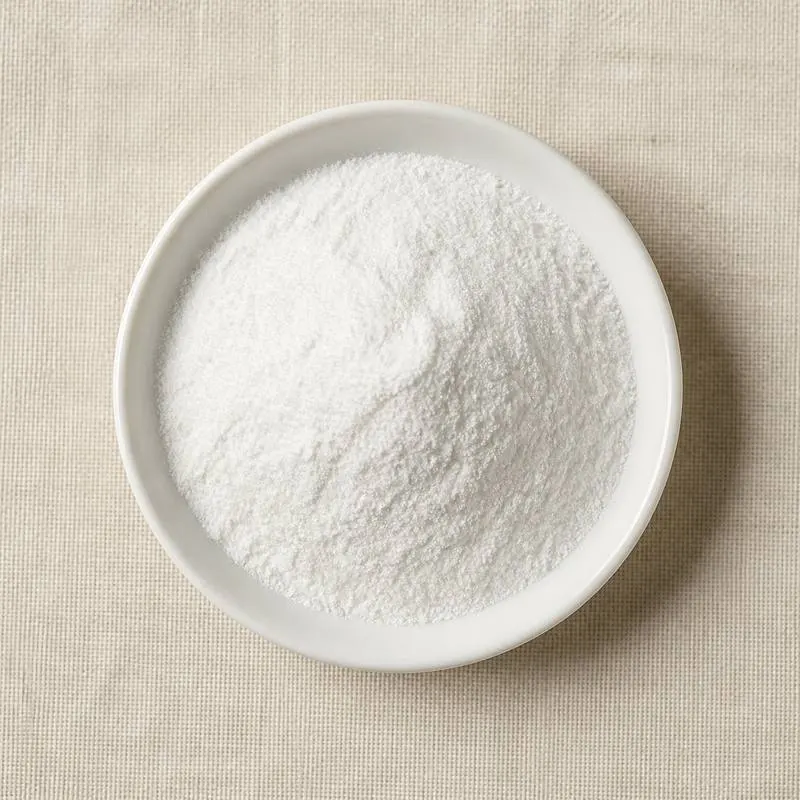
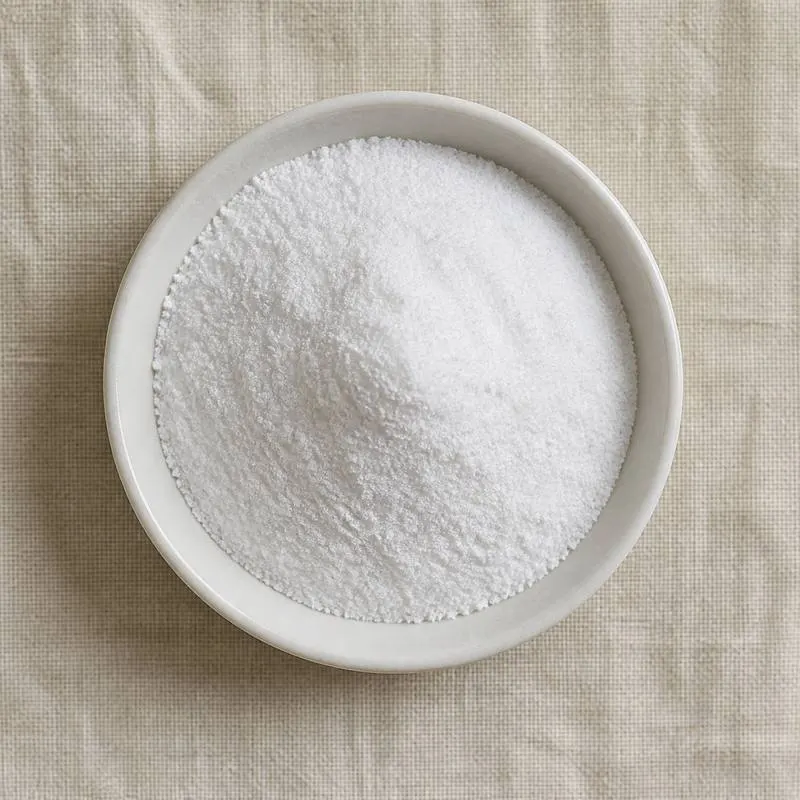
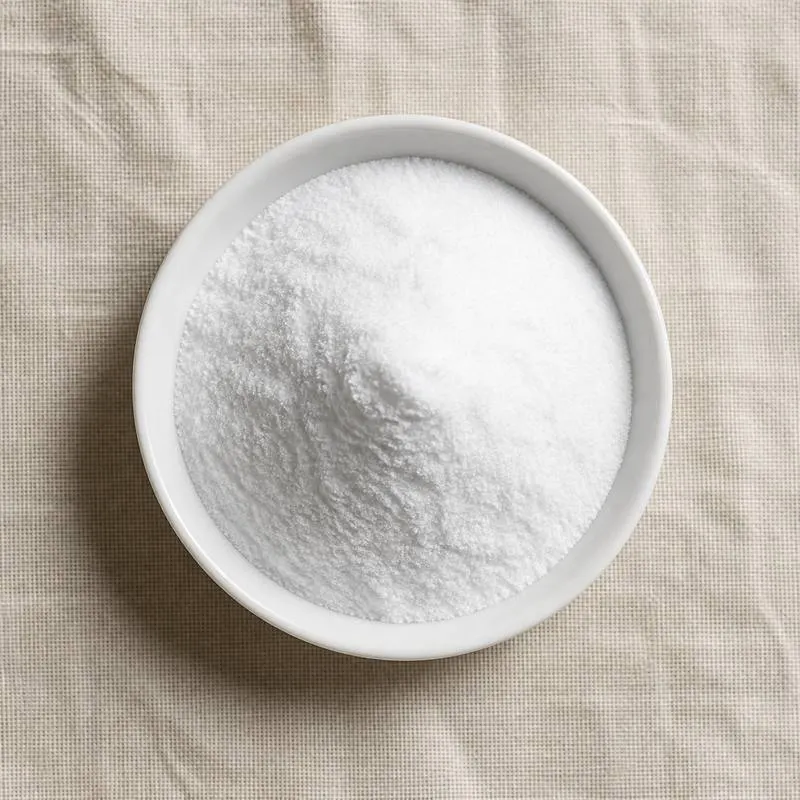
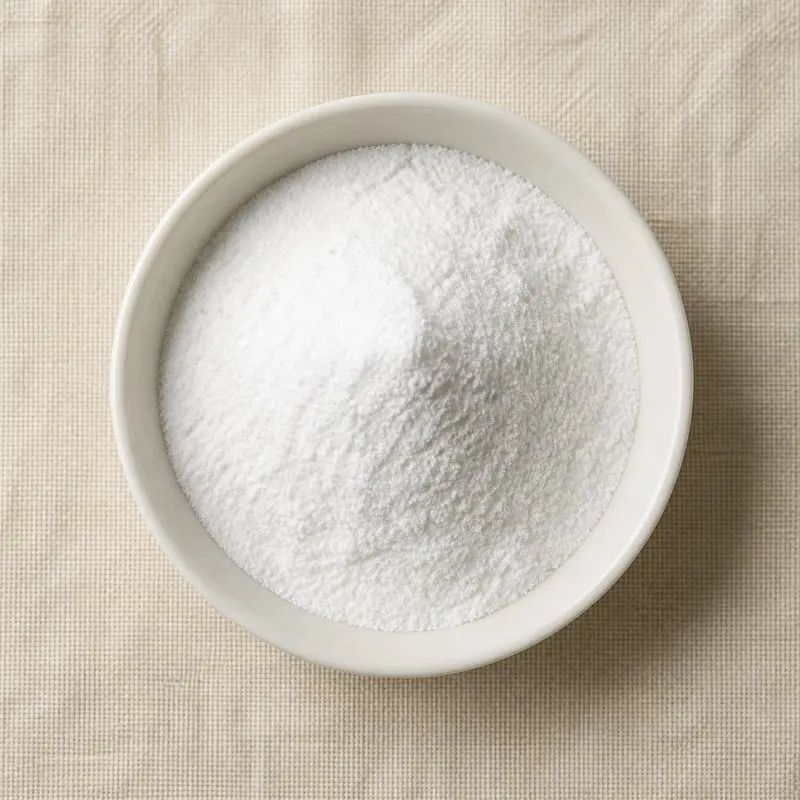
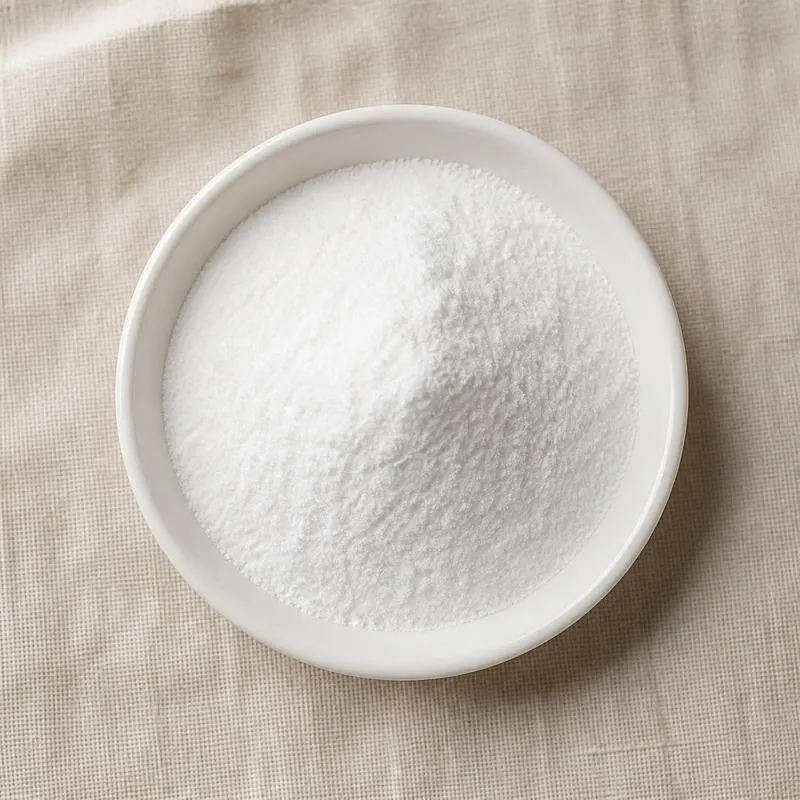
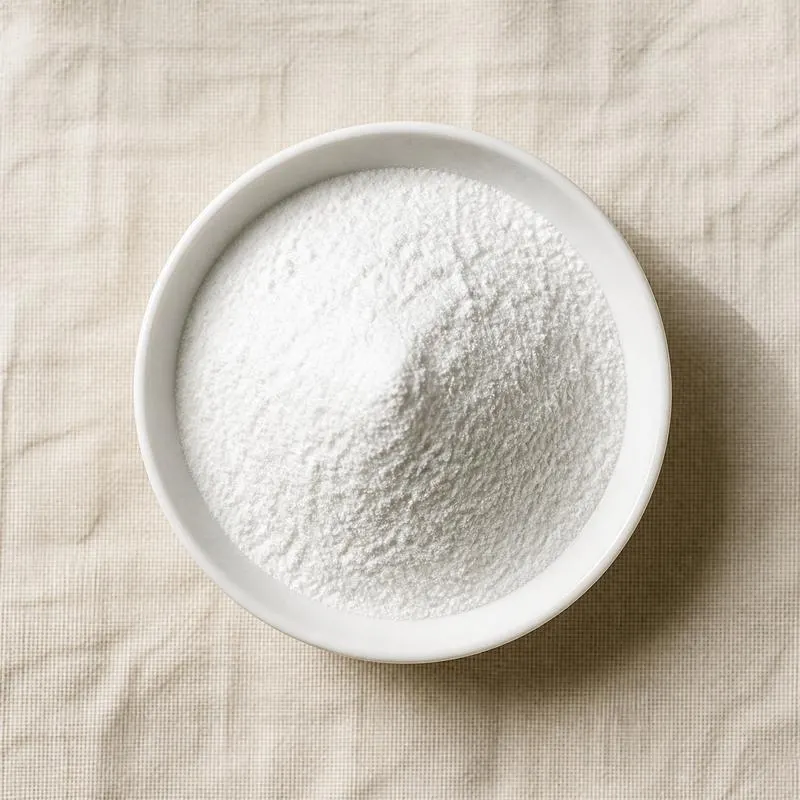
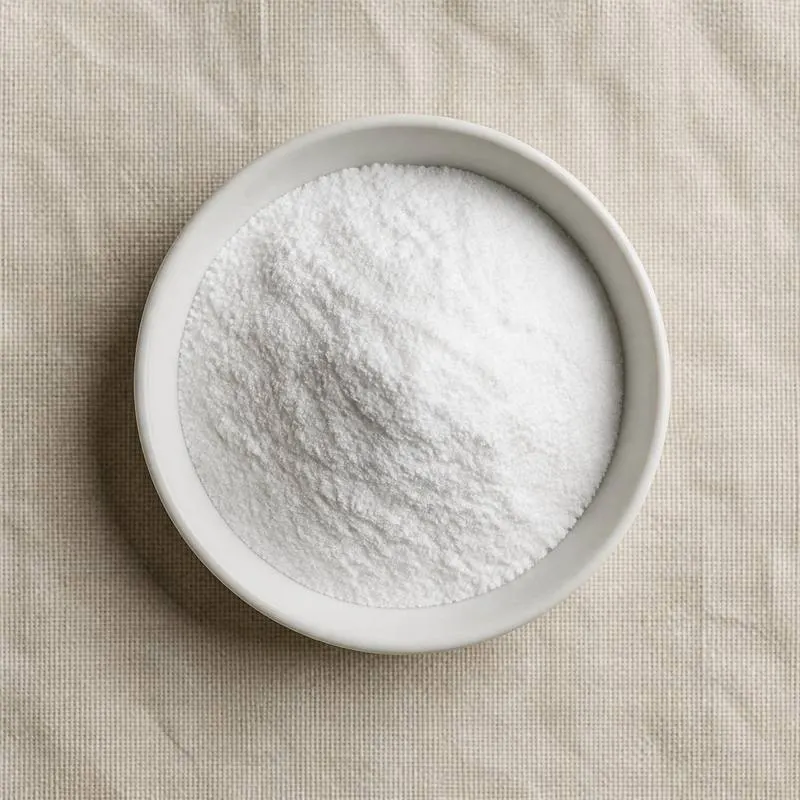
Calcium Sorbate is a fine white crystalline powder.
Food grade complies with FCC and FAO/WHO specifications and historically served bakery, cheese, and dry-mix applications.
Use today is largely concentrated in markets outside the European Union, and the global supply base is much smaller than for sorbic acid or potassium sorbate.
Applications
- Cheese surfaces and cheese-coating waxes as a low-hygroscopicity mould inhibitor
- Bread and bakery products in formulations preferring a calcium-only mineral profile
- Dry beverage and dessert mixes where moisture pickup must be minimised
- Fruit preparations and bakery fillings
- Margarine and fat spreads
- Pickled and acidified vegetable products
- Salad dressings and emulsified condiments
- Pet food and treats in markets that still permit the additive
- Surface coatings and dipping solutions for processed meats outside the EU
- Tobacco casings and similar non-food applications
Brands Using Calcium Sorbate
Widely-distributed consumer products that list Calcium Sorbate on the ingredient label.
Brand names, product names and logos are the property of their owners. They appear here as published evidence that the ingredient is used, taken from the brand's own label or website. Their appearance is not an endorsement, and it does not mean the brand buys from us or from any manufacturer listed on this site.
China Manufacturers of Calcium Sorbate
Top Calcium Sorbate manufacturers in China.
 Jiangbei Additive Co., Ltd.5 ingredients in the directory
 Nantong Changjiang Food Ingredient Co., Ltd.5 ingredients in the directory
 Rugao Changjiang Food Co., Ltd.5 ingredients in the directory
Company names and logos are the property of the manufacturers themselves. They are listed here because our own directory records them as producing this ingredient. A listing is not an endorsement by them, and we do not represent them or speak on their behalf.
How We Help Source Calcium Sorbate
Direct Factory Sourcing
We run the whole process: selecting the manufacturer from the top Chinese food ingredient producers, negotiating the price, verifying quality, and coordinating the logistics. You deal with us instead of with several factories at once.
Original Packaging and Documents from the Manufacturer
The manufacturer sends your Calcium Sorbate out of its own factory in the original packing, through to your destination port. The COA, COO, MSDS, TDS and any certifications reach you from the manufacturer as well.
Free Samples and Lead Time
We send 100 to 500 g free for your own laboratory to test and you cover only the courier, usually within 2 to 3 working days. ETD is usually within 7 to 15 days once the order is confirmed, and we check that date against the factory's own manufacturing schedule before we give it to you.
Combined Shipment
We can load Calcium Sorbate together with other ingredients such as Calcium Propionate, Sodium Diacetate and Sodium Propionate into one 20' FCL. If your quantity is small, we can also ship LCL.
Regulatory Status
Calcium Sorbate carries the European food additive number E203, but it was withdrawn from the EU additives list by Commission Regulation (EU) 2018/98, which came into force in 2018. Following a re-evaluation by EFSA in 2015 that identified data gaps on calcium-specific toxicology, no manufacturer supported the substance through the renewal process. It can no longer be used in food in the European Union.
In the United States it remains permitted as a chemical preservative under 21 CFR 182.3225. JECFA continues to evaluate it as part of the sorbic acid group based on shared activity through the free acid.
The substance does not appear in major pharmacopoeial monographs and is rarely used in pharmaceutical or cosmetic applications today.
Where it is still permitted, maximum-use levels and food categories are typically aligned with those of sorbic acid and potassium sorbate, expressed as sorbic-acid equivalents.
Manufacturing Process
Calcium sorbate is made by neutralising sorbic acid with calcium hydroxide or calcium carbonate in aqueous slurry.
The sorbic acid feedstock comes from the same ketene plus crotonaldehyde route used for sorbic acid and potassium sorbate, with the polyester intermediate hydrolysed and isomerised to the free trans,trans diene acid.
Neutralisation is run with a slight excess of calcium base to ensure complete salt formation. The slurry is then filtered, washed to remove residual soluble salts, and dried under vacuum or in a fluid-bed dryer.
The dried cake is milled to a uniform powder. Because the conjugated diene is oxidation-sensitive, finished material is typically packaged with limited headspace and stored under cool, dry conditions.