Calcium Carbonate
Calcium Carbonate is an inorganic salt of formula CaCO₃ (CAS 471-34-1) that supplies elemental calcium for nutrition, neutralises acid in antacid formulations, and serves as a high-brightness white filler in food, pharmaceutical, and industrial applications.
The compound delivers roughly 40 percent elemental calcium by mass, the highest concentration of any common calcium salt. It occurs naturally as limestone, marble, chalk, and the aragonite or calcite shells of marine organisms.
We source bulk Calcium Carbonate from top China manufacturers for our partners, working with several of them. The manufacturers are mostly in Guangxi, Shandong and Jiangxi. A smaller requirement can ship in a combined container with other ingredients.
Please send the grade you need, the volume and your destination port, and we will come back with a solution and a price.
or call +86-21-6858 0751
- Packaging
- 25 kg kraft paper bag with PE inner liner
- ISO 9001
- HACCP
- Halal
- Kosher
Specifications
| Item | Specification |
|---|---|
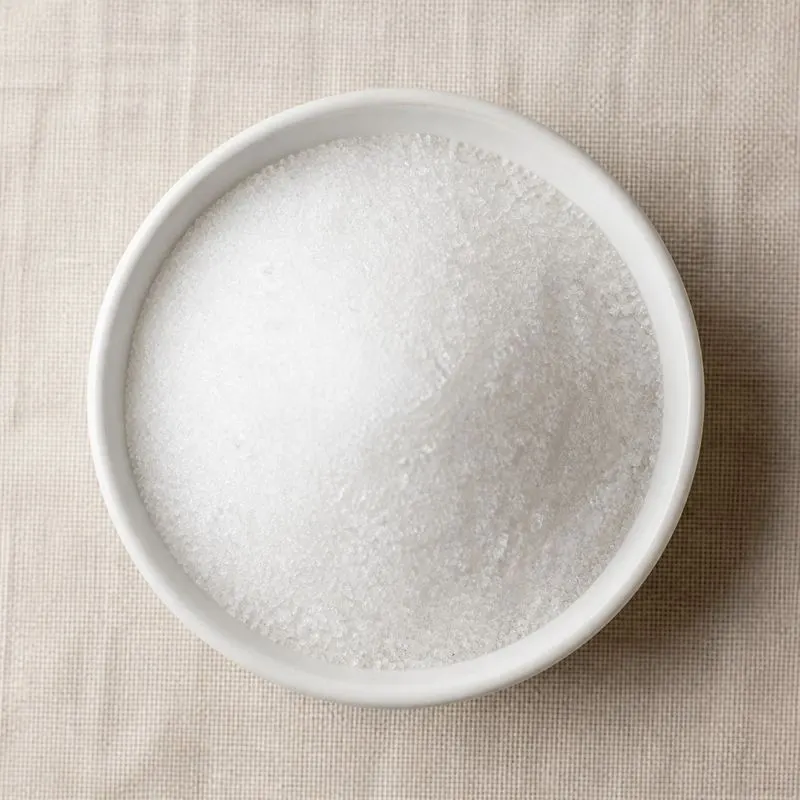
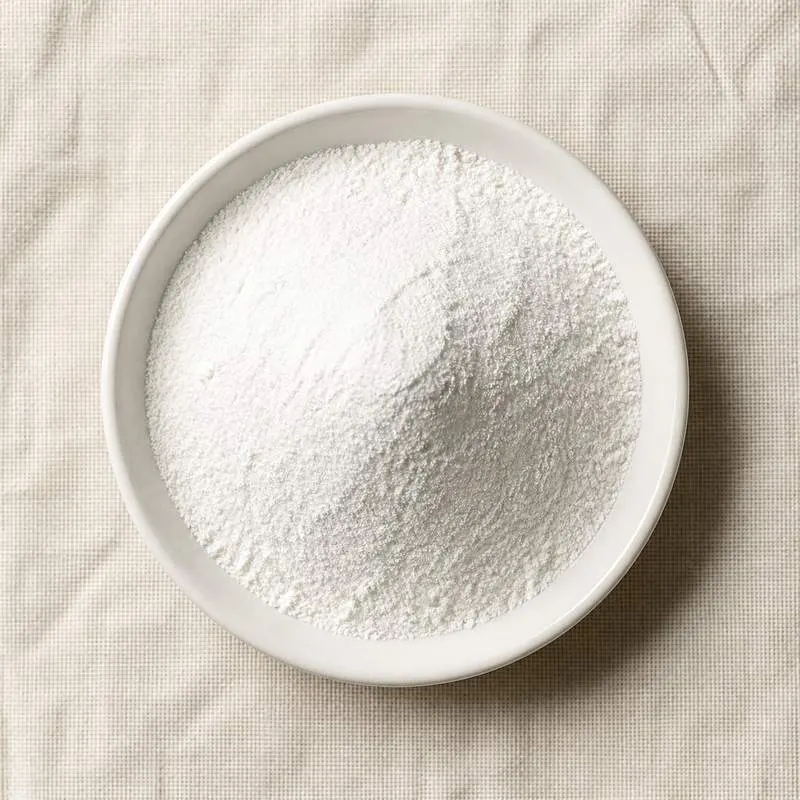
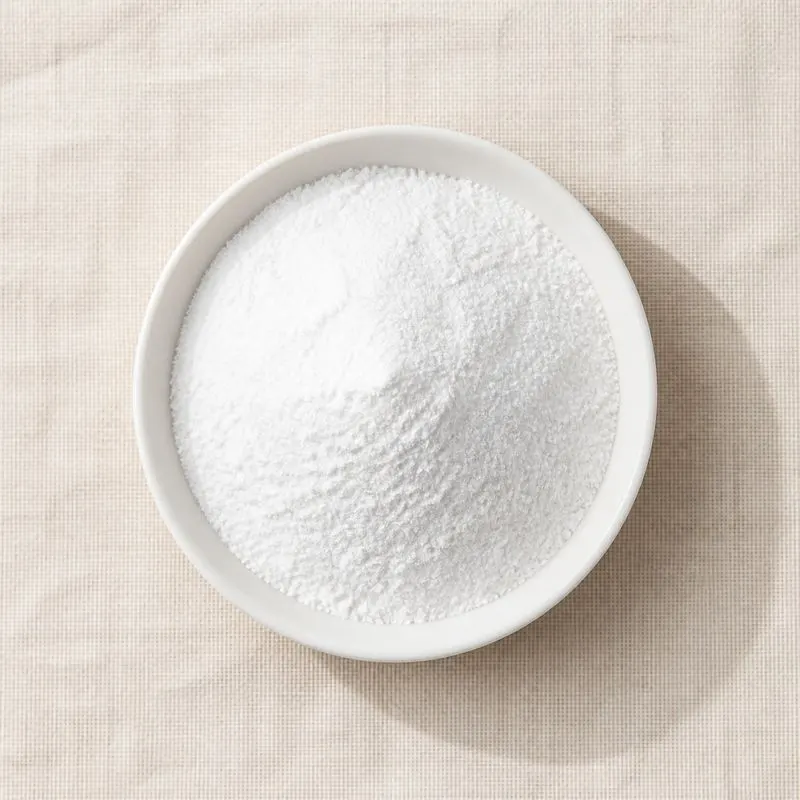
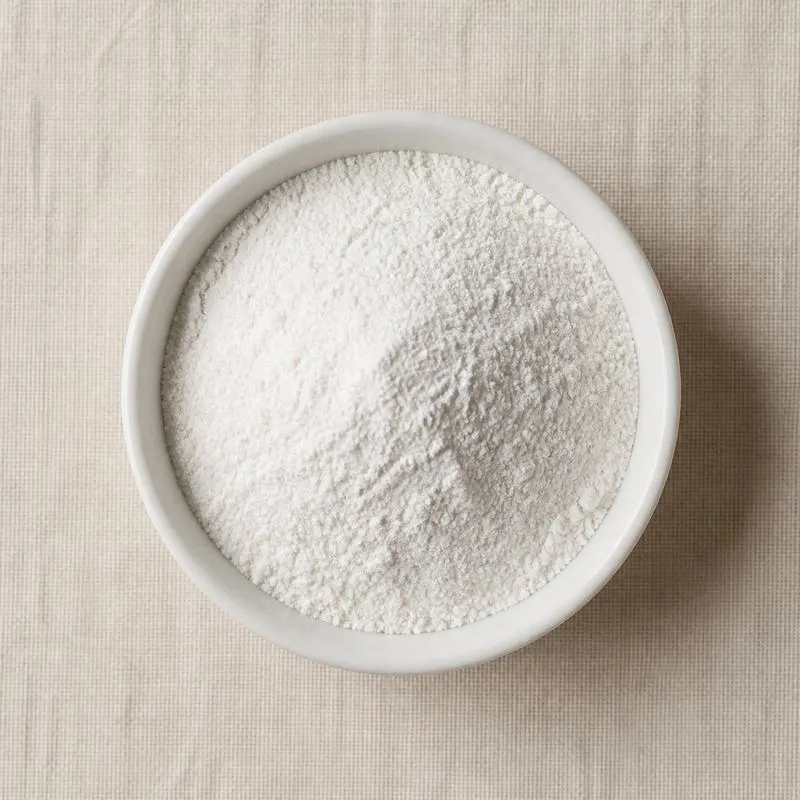
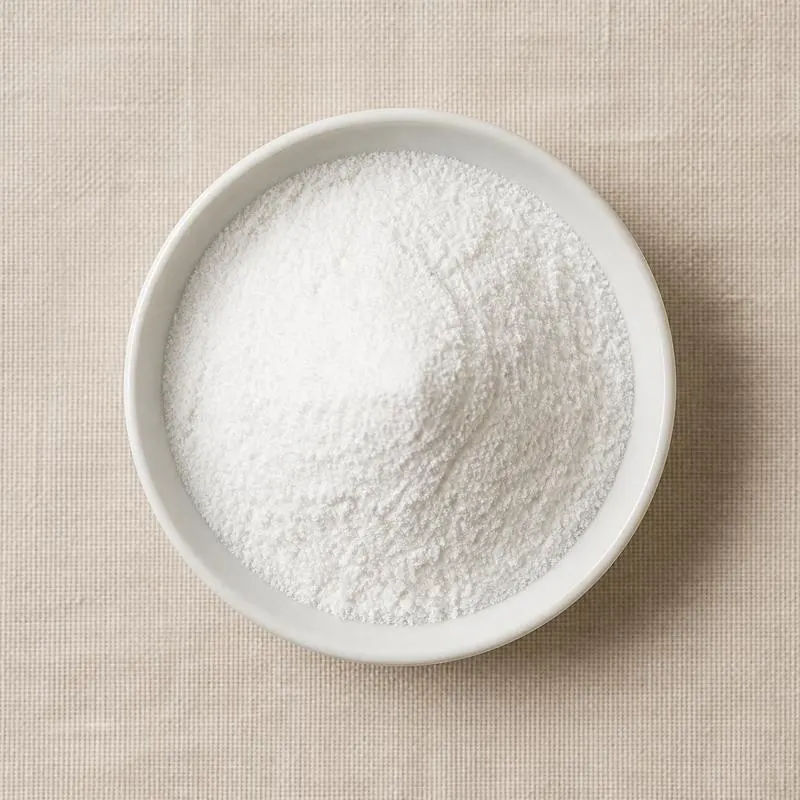
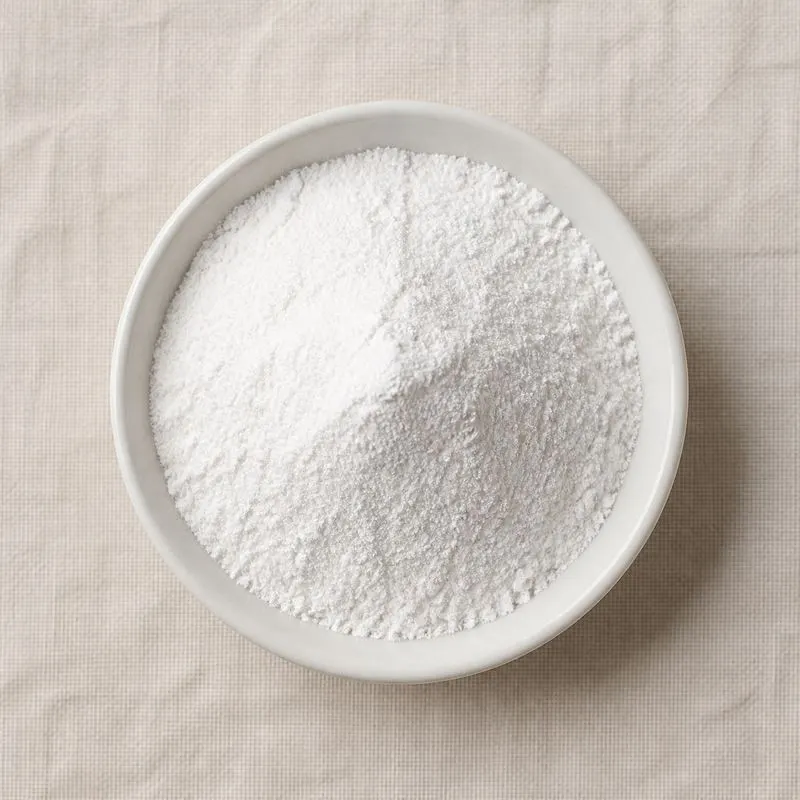
| Appearance | White odorless crystalline powder |
| Assay (dry basis) | 98.5% to 100.5% |
| Calcium content | ≥ 39.0% |
| Loss on drying | ≤ 2.0% |
| Acid-insoluble matter | ≤ 0.2% |
| Magnesium and alkali salts | ≤ 1.0% |
| Fluoride | ≤ 50 mg/kg |
| Heavy metals (as Pb) | ≤ 3 mg/kg |
| Arsenic | ≤ 2 mg/kg |
| Total plate count | ≤ 1000 CFU/g |
| Yeast and mold | ≤ 100 CFU/g |
| Particle size | 200 to 2500 mesh, or per customer specification |
Common Markets Grades
Calcium Carbonate is graded by particle size, source, and purity tier.
Ground Calcium Carbonate (GCC) is mechanically milled from limestone or marble. Coarse food-grade GCC at d50 of 5 to 15 microns is typical for bakery dusting, fortified flour, and tablet diluent use.
Precipitated Calcium Carbonate (PCC) is chemically synthesised from quicklime and CO₂, producing controlled rhombic or scalenohedral crystals with d50 below 2 microns. PCC is preferred for chewable tablets, dentifrice, and high-loading fortification.
Pharmaceutical grades meet USP, BP, EP, and JP monographs, with strict limits on heavy metals, fluoride, and acid-insoluble matter. Aragonite from oyster shell and coral is also sold under marine-source labelling for natural-positioning supplements.
Applications
- Antacid tablets and chewable formulations for the relief of heartburn and indigestion
- Calcium fortification of milk, plant-based beverages, breakfast cereals, and orange juice
- Pharmaceutical tablet diluent, disintegrant, and coating filler in compressed dosage forms
- Toothpaste and dentifrice as a mild abrasive and polishing agent
- Bakery flour fortification mandated in several national programs for public-health calcium intake
- Confectionery dusting powder for chewing gum, panned candies, and tabletted lozenges
- Acidity regulator and firming agent in canned vegetables, tofu, and dough conditioners
- Anticaking carrier in salt, spice blends, and powdered seasonings
- Animal feed mineral premix for poultry layer rations and ruminant supplementation
- White pigment and opacifier in paper coatings, paints, and polymer compounding
- Flue-gas desulfurization, water hardness adjustment, and soil pH correction in agriculture
- Wine deacidification under controlled additions to lower titratable acidity
Brands Using Calcium Carbonate
Widely-distributed consumer products that list Calcium Carbonate on the ingredient label.
- Haleon (TUMS)TUMS Ultra Strength 1000 Antacid ↗Tums product pages and 'About' page state calcium carbonate is the active ingredient (mined from limestone) used as the antacid; Ultra Strength contains 1000 mg calcium carbonate per chewable.Label verified 2026-05-24
- Haleon (TUMS)TUMS Chewy Bites Antacid Chews ↗Tums Chewy Bites product page lists calcium carbonate as the antacid active ingredient (750 mg per chew).Label verified 2026-05-24
- Haleon (Caltrate)Caltrate 600 + D3 ↗Caltrate 600+D3 official PDF supplement facts list 'Calcium Carbonate' as the calcium source (600 mg elemental per tablet).Label verified 2026-05-24
- Haleon (Caltrate)Caltrate 600 + D3 Plus Minerals ↗Caltrate 600+D3 Plus Minerals NFP PDF lists ingredients 'Calcium Carbonate, Magnesium Oxide, Maltodextrin'.Label verified 2026-05-24
- Pharmavite (Nature Made)Nature Made Calcium 600 mg with Vitamin D3 Tablets ↗Nature Made product page confirms calcium is supplied as calcium carbonate (derived from limestone); 600 mg elemental Ca per tablet.Label verified 2026-05-24
- Danone (Silk)Silk Original Almondmilk ↗Silk Original Almondmilk ingredient list shows a Vitamin & Mineral Blend that includes Calcium Carbonate (fortification giving 470 mg Ca per cup).Label verified 2026-05-24
- Sanofi (Maalox)Maalox Regular Strength Chewable Tablets ↗Maalox Regular Strength chewable tablets contain 600 mg calcium carbonate per tablet as the antacid active ingredient (Maalox Extra Strength + Anti-Gas uses 1000 mg calcium carbonate with 60 mg simethicone).Label verified 2026-05-24
Brand names, product names and logos are the property of their owners. They appear here as published evidence that the ingredient is used, taken from the brand's own label or website. Their appearance is not an endorsement, and it does not mean the brand buys from us or from any manufacturer listed on this site.
China Manufacturers of Calcium Carbonate
Top Calcium Carbonate manufacturers in China.
 Gangxi Yunbo Health Technology Co., Ltd.10 ingredients in the directory
 Guangxi Keding New Materials Technology Co.,Led1 ingredient in the directory
 Guilin Hongxing Chemical Co., Ltd.4 ingredients in the directory
 Jiangxi Chuangxian Fine Calcium Co., Ltd.3 ingredients in the directory
 Jining Liguo Biotechnology Co., Ltd.4 ingredients in the directory
 Penglai Marine (Shandong) Co., Ltd.10 ingredients in the directory
- Shanghai Nuofeng Industrial Co., Ltd.1 ingredient in the directory
- Zhejiang Jiande Zhengfa Pharmaceutical Co., Ltd.1 ingredient in the directory
Company names and logos are the property of the manufacturers themselves. They are listed here because our own directory records them as producing this ingredient. A listing is not an endorsement by them, and we do not represent them or speak on their behalf.
How We Help Source Calcium Carbonate
Direct Factory Sourcing
We run the whole process: selecting the manufacturer from the top Chinese food ingredient producers, negotiating the price, verifying quality, and coordinating the logistics. You deal with us instead of with several factories at once.
Original Packaging and Documents from the Manufacturer
The manufacturer sends your Calcium Carbonate out of its own factory in the original packing, through to your destination port. The COA, COO, MSDS, TDS and any certifications reach you from the manufacturer as well.
Free Samples and Lead Time
We send 100 to 500 g free for your own laboratory to test and you cover only the courier, usually within 2 to 3 working days. ETD is usually within 7 to 15 days once the order is confirmed, and we check that date against the factory's own manufacturing schedule before we give it to you.
Combined Shipment
We can load Calcium Carbonate together with other ingredients such as Sodium Acetate, Calcium Citrate and Sodium Lactate into one 20' FCL. If your quantity is small, we can also ship LCL.
Regulatory Status
Calcium Carbonate is among the most widely cleared food and pharmaceutical ingredients in the world.
In the European Union it carries the E number E170, and Regulation (EC) 1333/2008 approves it as a colour additive, acidity regulator, anticaking agent, firming agent, and nutrient source. The U.S. Food and Drug Administration affirms it as GRAS under 21 CFR 184.1191 for use as a nutrient supplement, dough conditioner, and firming agent.
The FDA OTC monograph 21 CFR 331.11 lists it as an over-the-counter antacid active ingredient, with labelled dose ranges for adult heartburn relief. Pharmacopoeial monographs appear in USP-NF, Ph. Eur., BP, and JP.
Kosher and Halal certifications are routinely available, since the material is mineral-sourced and free of animal inputs.
Manufacturing Process
Two industrial paths dominate global Calcium Carbonate supply.
Ground Calcium Carbonate is produced by quarrying high-purity limestone, marble, or chalk deposits, then crushing, classifying, and dry- or wet-milling the rock to the target particle size. Surface coating with stearic acid is applied for polymer-grade material to improve dispersion.
Precipitated Calcium Carbonate is made by calcining limestone at around 900 to 1000 °C to yield quicklime (CaO), slaking with water to milk of lime (Ca(OH)₂), and carbonating with purified CO₂ gas. The carbonation step controls crystal habit, particle size, and surface area through temperature, agitation, and additive addition.
Pharmaceutical and supplement grades undergo additional washing, drying, and milling, followed by acid-insoluble residue testing and heavy-metals screening to satisfy pharmacopoeial limits.