Calcium Hydroxide
Calcium Hydroxide is the strong inorganic base of formula Ca(OH)₂ (CAS 1305-62-0), known traditionally as slaked lime, hydrated lime, or builders' lime. It is produced by the controlled hydration of calcium oxide and is one of the highest-tonnage industrial chemicals worldwide.
In food applications it is best known for masa nixtamalization, the alkaline cooking of maize that produces tortillas and tamales. It also plays a central role in sugar refining, dairy processing, and municipal water treatment.
We source bulk Calcium Hydroxide from top China manufacturers for our partners, working with several of them. The manufacturers are mostly in Guangxi, Jiangxi and Shandong. A smaller requirement can ship in a combined container with other ingredients.
Please send the grade you need, the volume and your destination port, and we will come back with a solution and a price.
or call +86-21-6858 0751
- Packaging
- 25 kg kraft paper bag with PE inner liner
- ISO 9001
- HACCP
- Halal
- Kosher
Specifications
| Item | Specification |
|---|---|
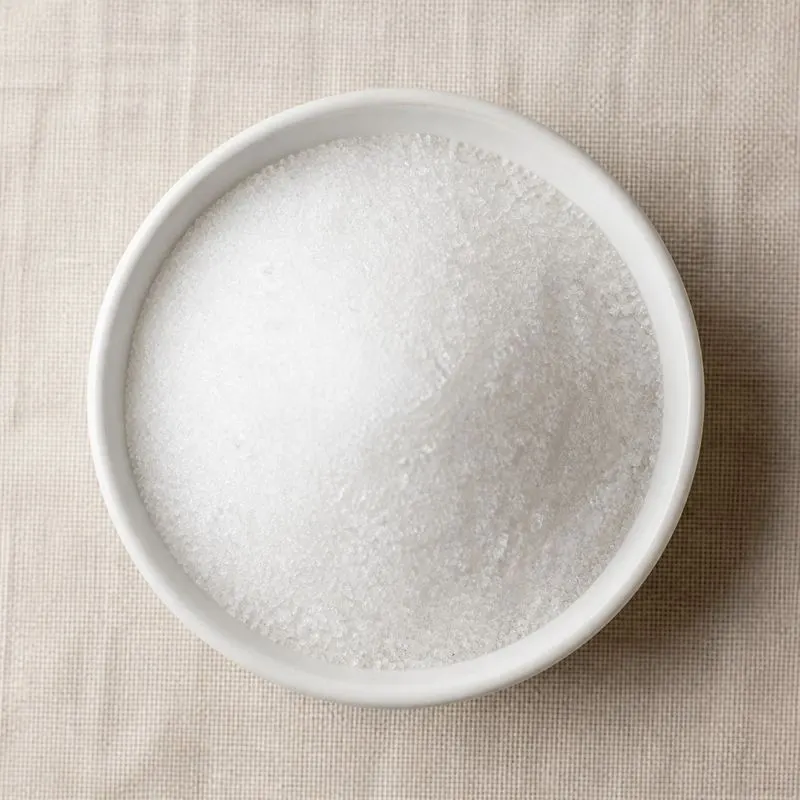
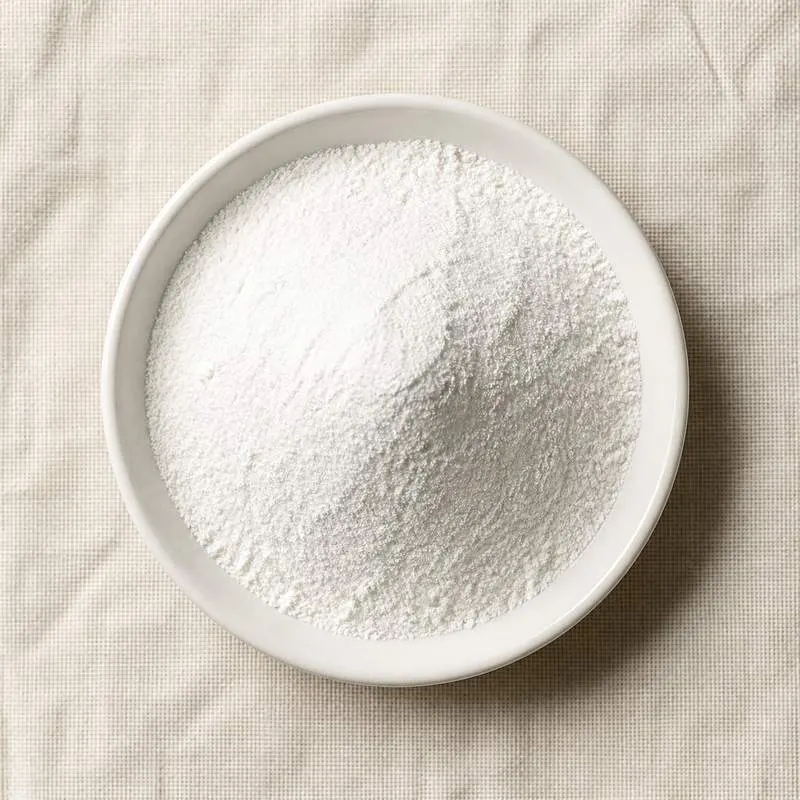
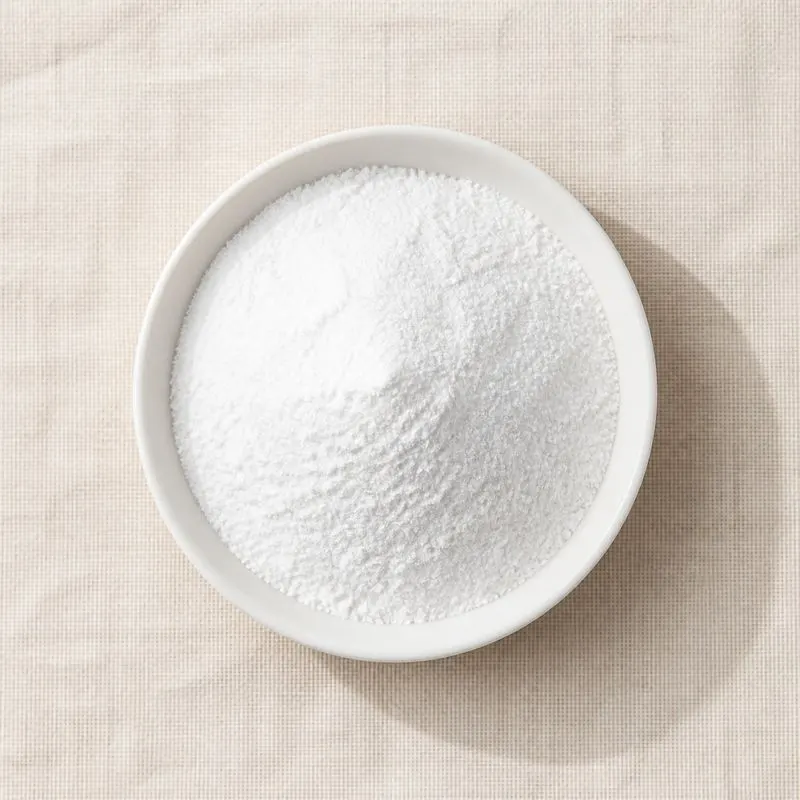
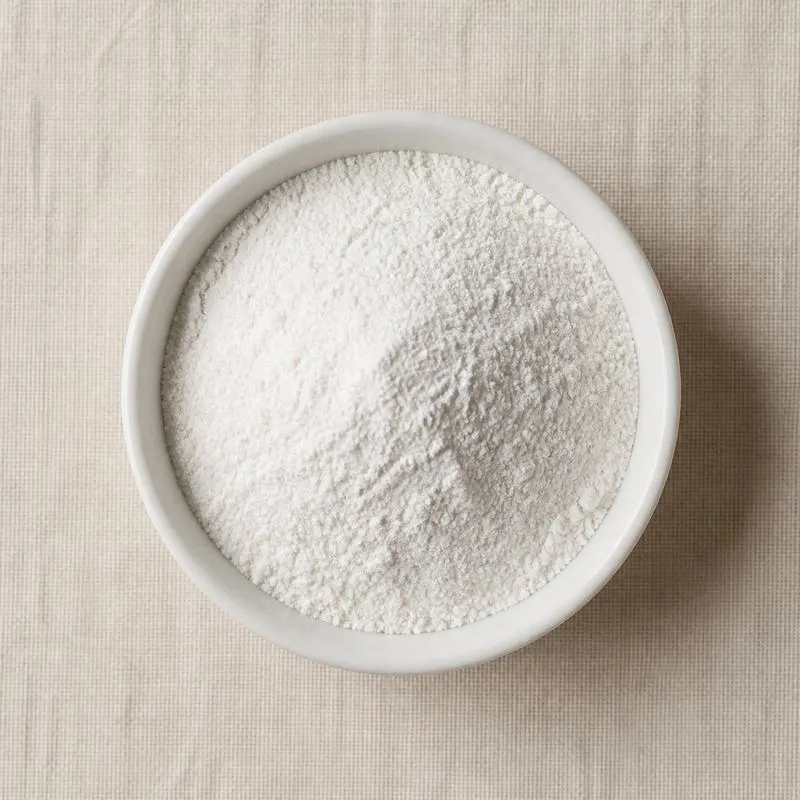
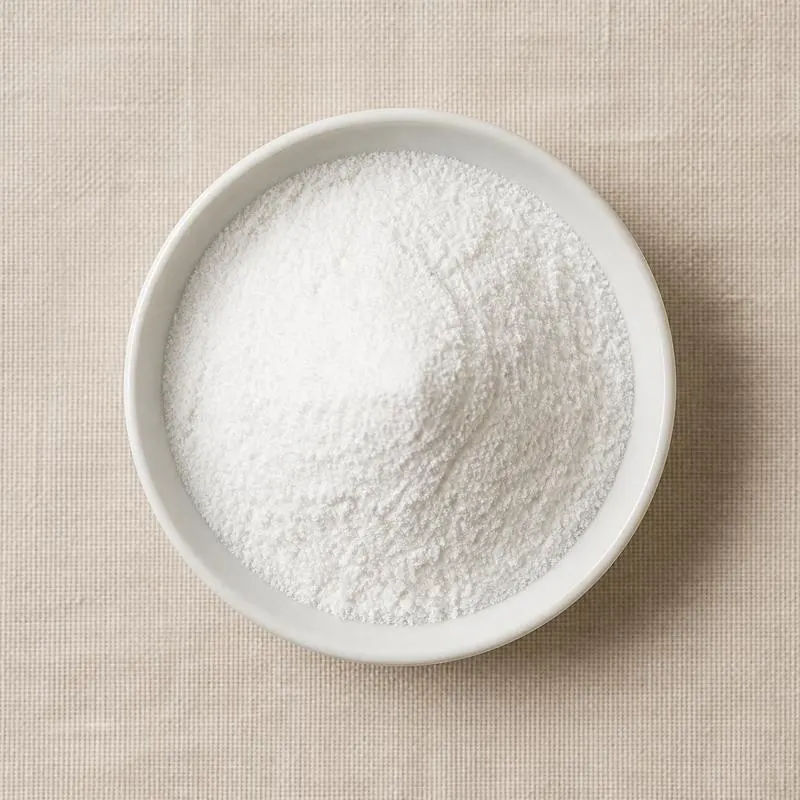
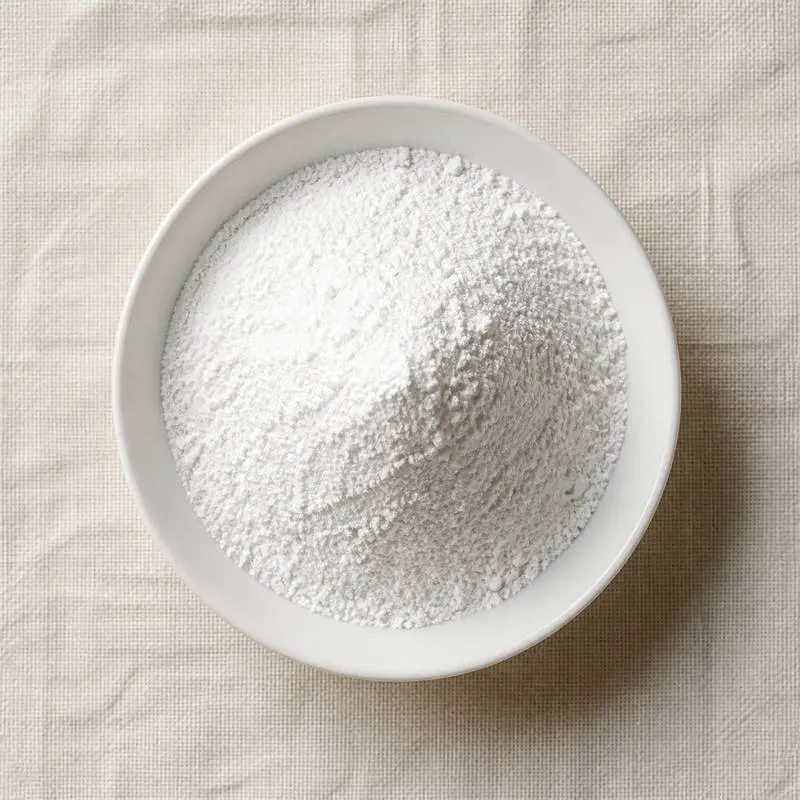
| Appearance | White fine powder |
| Assay (as Ca(OH)₂) | ≥ 95.0% |
| Calcium Oxide Content | ≥ 68.0% |
| Moisture | ≤ 1.0% |
| Acid Insolubles | ≤ 1.0% |
| Heavy Metals (as Pb) | ≤ 10 mg/kg |
| Arsenic | ≤ 3 mg/kg |
| Fluoride | ≤ 50 mg/kg |
Common Markets Grades
Calcium Hydroxide is graded by purity, particle size, and intended end-use.
Food-grade Calcium Hydroxide (FCC, USP) is the highest-purity tier, with strict limits on heavy metals, magnesium, and acid-insoluble residue. It is used directly in masa preparation, sugar refining, and pickle-making.
Pharmaceutical-grade material meets USP, BP, EP, and JP monographs and is produced for the manufacture of calcium hydroxide solution (limewater), topical preparations, and dental endodontic medicaments.
Technical-grade hydrated lime, with broader impurity tolerances, dominates the construction, mortar, water-treatment, and flue-gas desulfurization markets. Particle sizes range from very fine air-classified powders for slurry applications to coarse granular grades for soil and sediment treatment.
Applications
- Masa nixtamalization for tortillas, tamales, hominy, and corn chips
- Calcium fortification of pickle brines, infant formula, and selected fruit juices
- Sugar refining for clarification of cane and beet juice (carbonatation and defecation)
- Dairy processing for casein recovery and butter-fat neutralisation
- pH adjustment in beer brewing water and brewing-process control
- Dental endodontic medicament for root canal disinfection and apexification
- Topical pharmaceutical preparations including calamine and limewater lotions
- Drinking-water treatment for softening, pH control, and removal of dissolved metals
- Wastewater neutralisation and sludge stabilisation in municipal and industrial plants
- Flue-gas desulfurization in coal-fired power plants for SO₂ removal
- Mortar, plaster, lime-wash, and historic building restoration
- Soil pH correction and agricultural liming for acidic farmland
Brands Using Calcium Hydroxide
Widely-distributed consumer products that list Calcium Hydroxide on the ingredient label.
- MasiendaMasienda Cal (Calcium Hydroxide / Slaked Lime) for Nixtamal ↗Masienda Cal product page: 'Chef-grade powdered cal (calcium hydroxide or slaked lime) is the key to nixtamalization, to transform raw corn into masa for tortillas.' Recommended ratio ~1% cal to corn weight.Label verified 2026-05-24
- MasiendaMasienda Nixtamal Starter Kit (Heirloom Corn + Cal) ↗Beginner nixtamal kit pairs 4 x 2.2 lb bags of heirloom corn with an 8 oz bag of cal (calcium hydroxide) for home tortilla / tamale making.Label verified 2026-05-24
- Mrs. Wages (Kent Precision Foods)Mrs. Wages Pickling Lime (Food Grade Calcium Hydroxide) ↗Mrs. Wages Pickling Lime product page: food grade calcium hydroxide, no additives/preservatives, used to make crisp pickles (1 lb resealable bag, Kosher).Label verified 2026-05-24
- Bob's Red MillBob's Red Mill Golden Masa Harina Corn Flour ↗Masa harina milled from nixtamalized corn, corn soaked in limewater, with calcium hydroxide as the alkali used in nixtamalization.Label verified 2026-05-24
- GRUMA (Maseca)Maseca Instant Corn Masa Flour ↗Maseca brand page: corn flour produced via the nixtamalization process (since 1949), in which kernels are cooked with lime (calcium hydroxide). Fortified with folic acid, iron, zinc, and B-vitamins.Label verified 2026-05-24
Brand names, product names and logos are the property of their owners. They appear here as published evidence that the ingredient is used, taken from the brand's own label or website. Their appearance is not an endorsement, and it does not mean the brand buys from us or from any manufacturer listed on this site.
China Manufacturers of Calcium Hydroxide
Top Calcium Hydroxide manufacturers in China.
 Guilin Hongxing Chemical Co., Ltd.4 ingredients in the directory
 Jiangxi Chuangxian Fine Calcium Co., Ltd.3 ingredients in the directory
 Jining Liguo Biotechnology Co., Ltd.4 ingredients in the directory
 Qianan Xinglong Biotechnology Co., Ltd.4 ingredients in the directory
- Shanghai Jianghu Titanium White Product Co., Ltd.2 ingredients in the directory
Company names and logos are the property of the manufacturers themselves. They are listed here because our own directory records them as producing this ingredient. A listing is not an endorsement by them, and we do not represent them or speak on their behalf.
How We Help Source Calcium Hydroxide
Direct Factory Sourcing
We run the whole process: selecting the manufacturer from the top Chinese food ingredient producers, negotiating the price, verifying quality, and coordinating the logistics. You deal with us instead of with several factories at once.
Original Packaging and Documents from the Manufacturer
The manufacturer sends your Calcium Hydroxide out of its own factory in the original packing, through to your destination port. The COA, COO, MSDS, TDS and any certifications reach you from the manufacturer as well.
Free Samples and Lead Time
We send 100 to 500 g free for your own laboratory to test and you cover only the courier, usually within 2 to 3 working days. ETD is usually within 7 to 15 days once the order is confirmed, and we check that date against the factory's own manufacturing schedule before we give it to you.
Combined Shipment
We can load Calcium Hydroxide together with other ingredients such as Sodium Acetate, Calcium Citrate and Sodium Lactate into one 20' FCL. If your quantity is small, we can also ship LCL.
Regulatory Status
Calcium Hydroxide is approved as a food, pharmaceutical, and water-treatment ingredient in essentially all regulated markets.
In the European Union it carries the food additive number E526 and is permitted as an acidity regulator and firming agent. The U.S. Food and Drug Administration affirms it as GRAS under 21 CFR 184.1205 for direct food use, with specific recognition for nixtamalization and other traditional applications.
Pharmacopoeial monographs appear in USP-NF, Ph. Eur., BP, and JP. Calcium Hydroxide solution (limewater) and Calcium Hydroxide Topical Solution have their own monographs covering preparation and assay.
For drinking-water treatment, NSF/ANSI 60 certification is widely available and required by many municipal water utilities in North America. Workplace exposure limits and skin-contact handling guidance are set by OSHA, NIOSH, and equivalent agencies given the material's caustic nature.
Manufacturing Process
Calcium Hydroxide is produced by the slaking of quicklime (calcium oxide) with water.
Limestone or marble is calcined in vertical, rotary, or annular shaft kilns at 900 to 1100 °C, driving off CO₂ to yield calcium oxide. The CaO is then crushed and reacted with a controlled excess of water in mechanical slakers. The reaction is highly exothermic and releases roughly 1.16 megajoules of heat per kilogram of lime.
The freshly slaked hydroxide is air-classified to remove unreacted core particles (grit), milled to the target particle size, and packaged in bulk or paper bags. Wet slaking produces lime putty for traditional mortar work, while dry slaking with stoichiometric water yields the free-flowing powder used in industry.
Food-grade material is produced from selected low-magnesium limestone and undergoes additional washing, classification, and impurity testing to meet FCC and USP specifications.