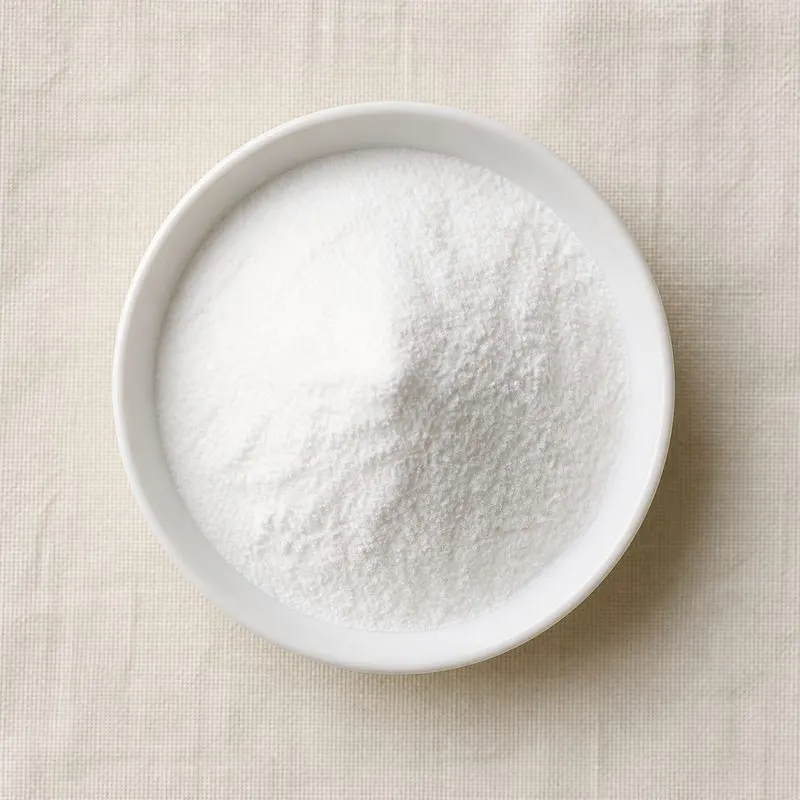
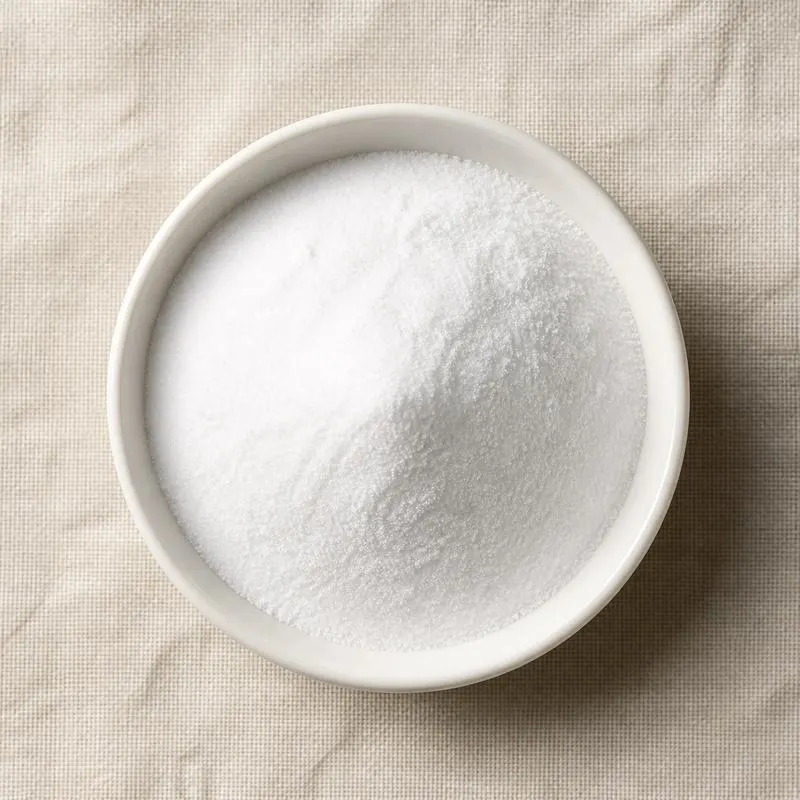
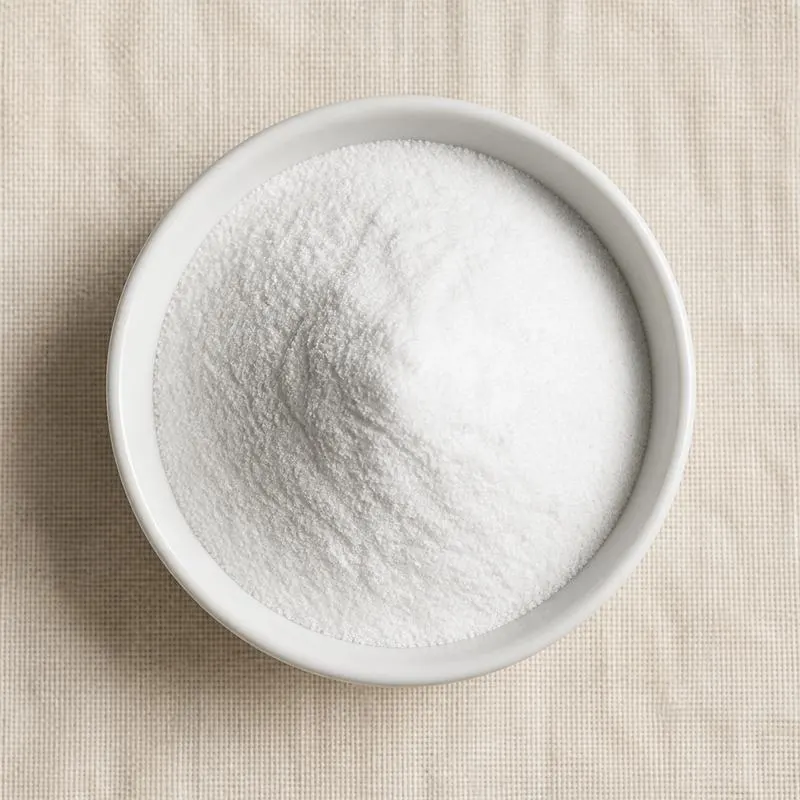
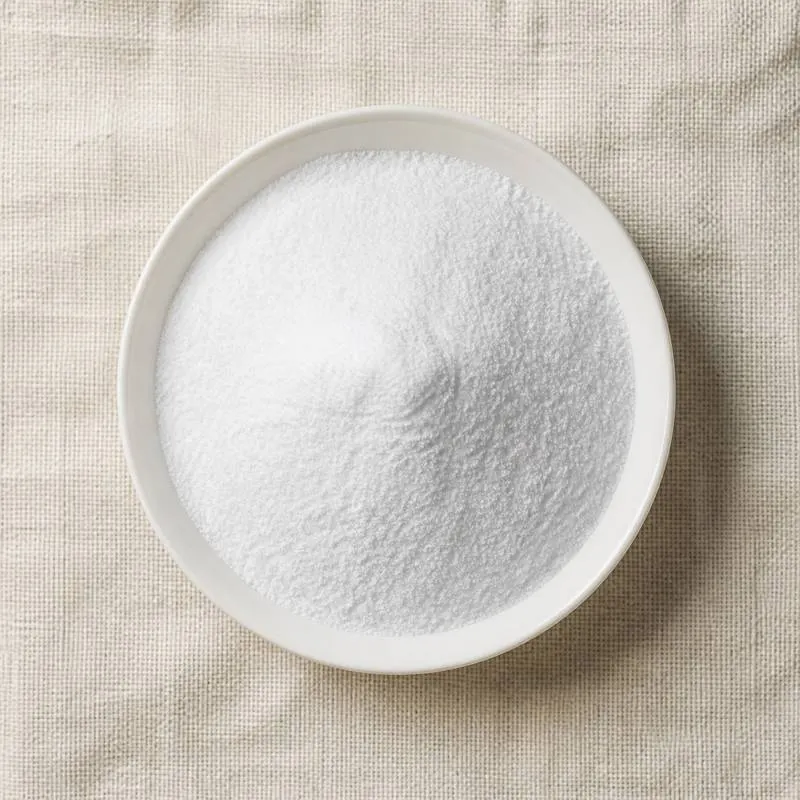
Cane Syrup
Cane Syrup is a thick amber liquid produced by boiling fresh sugarcane juice down to a viscous concentrate, without the centrifugal separation step that turns the juice into crystalline sugar.
Because the cane juice retains its mineral and molasses fraction, the finished syrup carries a deep caramel character with grassy and slightly mineral notes that distinguish it from refined sugar syrups and from molasses byproducts.
We source bulk Cane Syrup from top China manufacturers for our partners. The manufacturer is in Guangdong. A smaller requirement can ship in a combined container with other ingredients.
Please send the grade you need, the volume and your destination port, and we will come back with a solution and a price.
or call +86-21-6858 0751
- Packaging
- 250 kg plastic drum or 1,000 kg IBC tote
- ISO 9001
- HACCP
- Halal
- Kosher
Specifications
| Item | Specification |
|---|---|
| Appearance | Golden-amber viscous liquid |
| Brix | 70–78% |
| Total Sugars | ≥68% |
| Sucrose | 50–65% |
| Invert Sugars | 5–15% |
| pH | 5.0–6.5 |
| Colour (Icumsa) | 2,000–8,000 IU |
| Density (20°C) | 1.35–1.40 g/ml |
| Ash | ≤1.0% |
| Total Plate Count | ≤1,000 cfu/g |
| Yeast & Mould | ≤100 cfu/g |
Common Markets Grades
Cane Syrup is graded by Brix and by colour.
A standard table grade is concentrated to 74 to 78 degrees Brix, with a medium-amber colour in the 1500 to 3000 ICUMSA range, and is used as a finished pancake and dessert topping.
A darker baker's grade is held at 78 to 82 degrees Brix and 4000 to 8000 ICUMSA, with a stronger molasses and licorice-like note that suits gingerbread, rum cakes, and barbecue sauces.
A pale evaporated cane juice grade is filtered and lightly clarified, with a softer colour and a cleaner sweetness, and is produced for craft beverage and confectionery use.
A premium open-kettle grade, evaporated in shallow pans over direct heat in the traditional manner, carries the deepest flavour and is the format associated with Louisiana and Caribbean syrup traditions.
Applications
- Pancake, waffle, and biscuit topping in Southern United States and Caribbean cuisine
- Gingerbread, molasses cookies, and dark fruit cakes
- Rum, rhum agricole, and cachaça production as a fermentable substrate
- Craft beer brewing in dark ales, porters, and tropical stouts
- Barbecue sauces, glazes, and marinades for pork and chicken
- Pecan pie, sweet potato pie, and Southern dessert fillings
- Granola, energy bars, and breakfast cereals as a binder and sweetener
- Specialty sodas, root beers, and craft cola syrups
- Caramels, toffees, and pulled candies
- Glaze for hams and roasted root vegetables
- Cocktail bitters, tiki cocktails, and demerara-style drinks
- Bread baking for colour, flavour, and yeast activity
Brands Using Cane Syrup
Widely-distributed consumer products that list Cane Syrup on the ingredient label.
- Steen'sSteen's 100% Pure Cane Syrup ↗Single-ingredient product: Sugarcane Juice; open-kettle cooked Louisiana cane syrup, no additives or preservativesLabel verified 2026-05-24
- Lyle's Golden SyrupLyle's Original Golden Syrup ↗Cane sugar syrup (partially inverted refiners syrup) made from natural ingredients with no artificial flavours, colours or preservativesLabel verified 2026-05-24
Brand names, product names and logos are the property of their owners. They appear here as published evidence that the ingredient is used, taken from the brand's own label or website. Their appearance is not an endorsement, and it does not mean the brand buys from us or from any manufacturer listed on this site.
China Manufacturers of Cane Syrup
Top Cane Syrup manufacturers in China.

Company names and logos are the property of the manufacturers themselves. They are listed here because our own directory records them as producing this ingredient. A listing is not an endorsement by them, and we do not represent them or speak on their behalf.
How We Help Source Cane Syrup
Direct Factory Sourcing
We run the whole process: selecting the manufacturer from the top Chinese food ingredient producers, negotiating the price, verifying quality, and coordinating the logistics. You deal with us instead of with several factories at once.
Original Packaging and Documents from the Manufacturer
The manufacturer sends your Cane Syrup out of its own factory in the original packing, through to your destination port. The COA, COO, MSDS, TDS and any certifications reach you from the manufacturer as well.
Free Samples and Lead Time
We send 100 to 500 g free for your own laboratory to test and you cover only the courier, usually within 2 to 3 working days. ETD is usually within 7 to 15 days once the order is confirmed, and we check that date against the factory's own manufacturing schedule before we give it to you.
Combined Shipment
We can load Cane Syrup together with other ingredients such as Stevia, Erythritol and Maltitol into one 20' FCL. If your quantity is small, we can also ship LCL.
Regulatory Status
Cane Syrup is treated as a conventional food in most regulated markets and does not require an additive number.
In the United States, 21 CFR 168.130 sets a standard of identity for cane syrup that requires a minimum of 74 percent soluble solids and prohibits any added sugar or colouring.
The United States Department of Agriculture grades cane syrup voluntarily into US Grade A and US Grade B based on colour, flavour, and clarity.
European Union and Codex Alimentarius recognise cane syrup under general sugar and syrup standards. Organic, Fairtrade, Kosher, and Halal certifications are routinely available, particularly from Caribbean, Brazilian, and Louisiana producers.
Manufacturing Process
Production begins in the cane field. Freshly cut stalks are crushed in roller mills within hours of harvest to release the green juice, which contains roughly 12 to 15 percent sucrose along with invert sugars, organic acids, and mineral salts.
The raw juice is screened, often clarified with hot lime to settle suspended solids, and then evaporated. In the traditional open-kettle method, the juice is reduced in a sequence of shallow copper or stainless pans over wood, gas, or steam heat, with constant skimming of the foam that carries off impurities.
Modern continuous evaporators replicate the same chemistry under vacuum, which keeps boiling temperatures low and preserves the brighter aromatic notes.
The finished syrup is filtered, standardised to the target Brix, and either bottled hot for retail or held in stainless tanks for industrial customers. Unlike refined sugar production, no centrifugation step is used to remove molasses, so all the cane solids remain in the syrup.