Erythritol
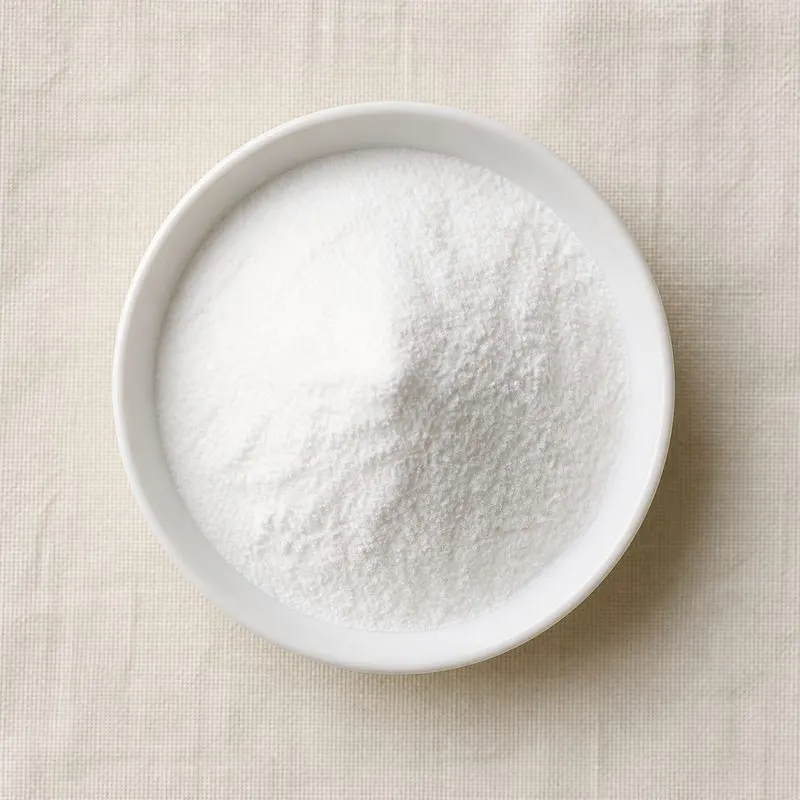
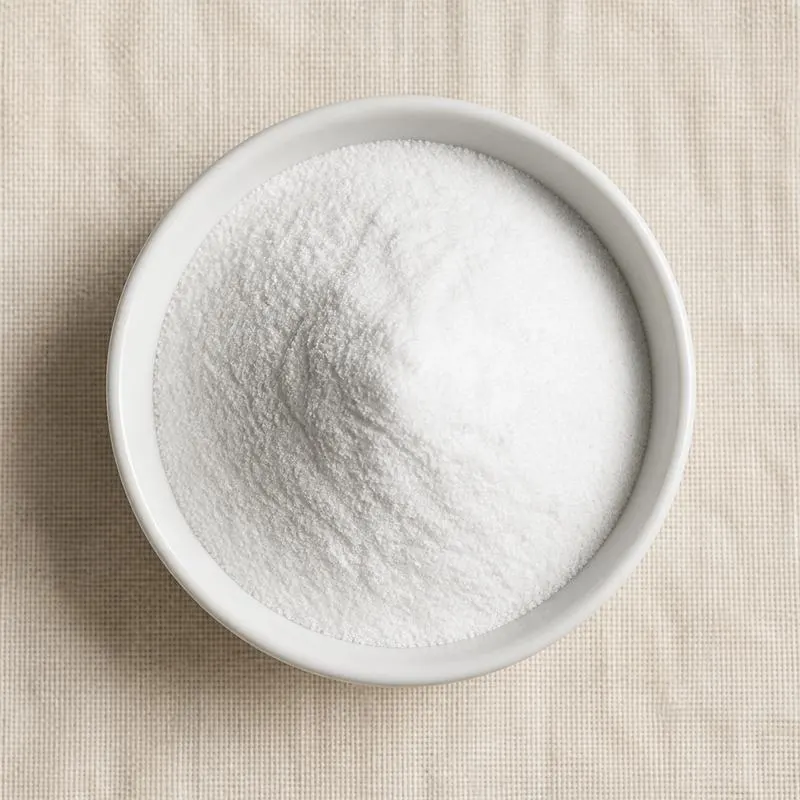
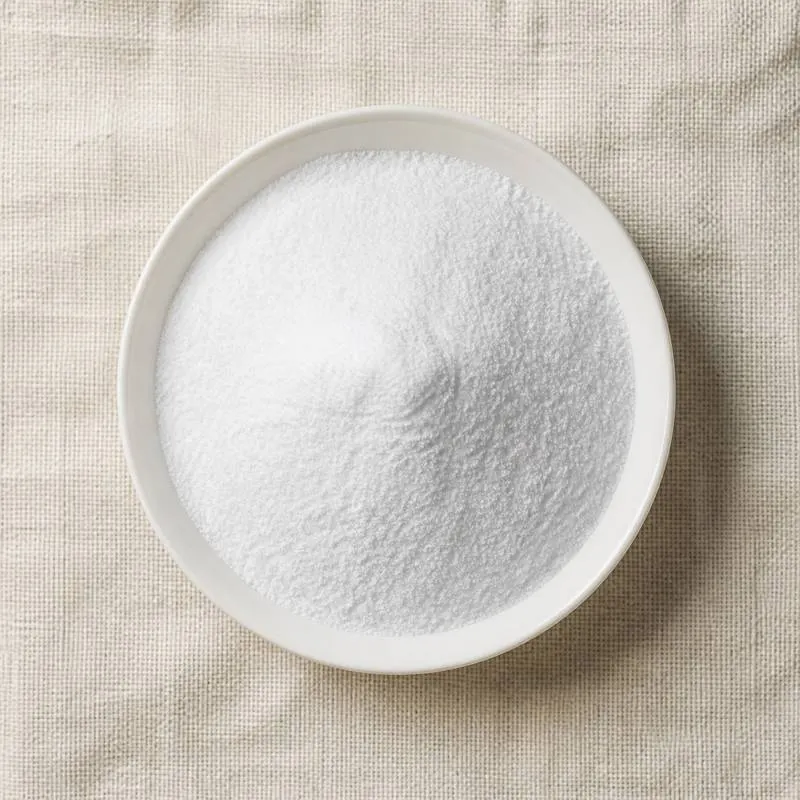
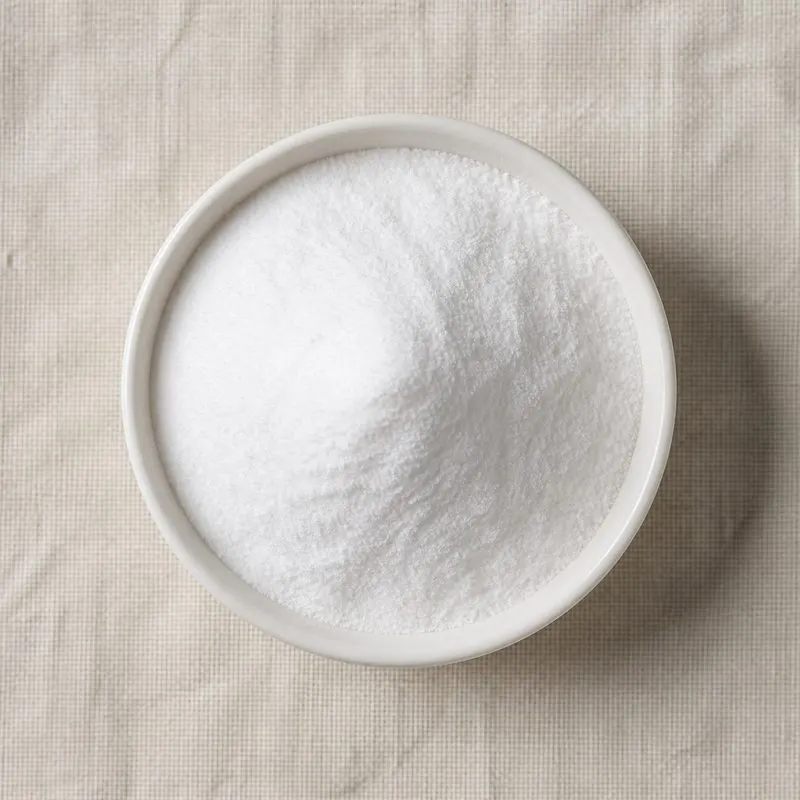
Erythritol is a four-carbon sugar alcohol (tetritol) used as a zero-calorie bulk sweetener with clean taste and a strong cooling effect on the palate.
The molecule is meso-erythritol with formula C₄H₁₀O₄ and CAS 149-32-6. It delivers about 70 percent of the sweetness of sucrose and contributes effectively zero calories because more than 90 percent is absorbed in the small intestine and excreted unchanged in urine.
We source bulk Erythritol from top China manufacturers for our partners, working with several of them. The manufacturers are mostly in Shandong, Henan and Beijing. For this ingredient the minimum order is 2,000 kg and a 20-foot container takes 20 MT, and a smaller requirement can ship in a combined container with other ingredients.
Please send the grade you need, the volume and your destination port, and we will come back with a solution and a price.
or call +86-21-6858 0751
- Minimum order
- 2,000 kg
- Qty in 20' FCL
- 20 MT
- Packaging
- 25 kg kraft paper bag with PE inner liner
- ISO 9001
- HACCP
- Halal
- Kosher
Specifications
| Item | Specification |
|---|---|
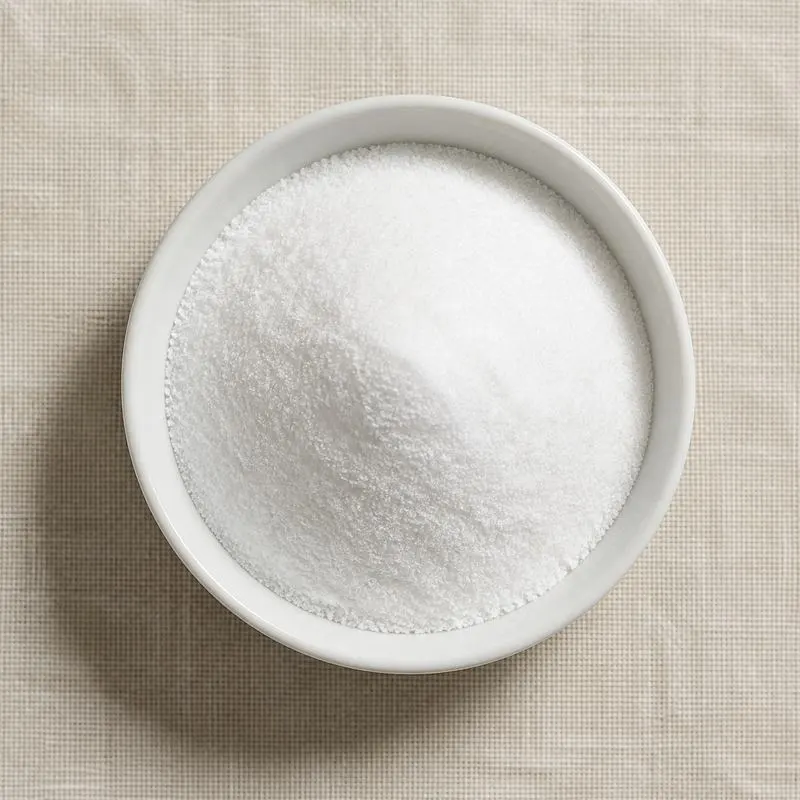
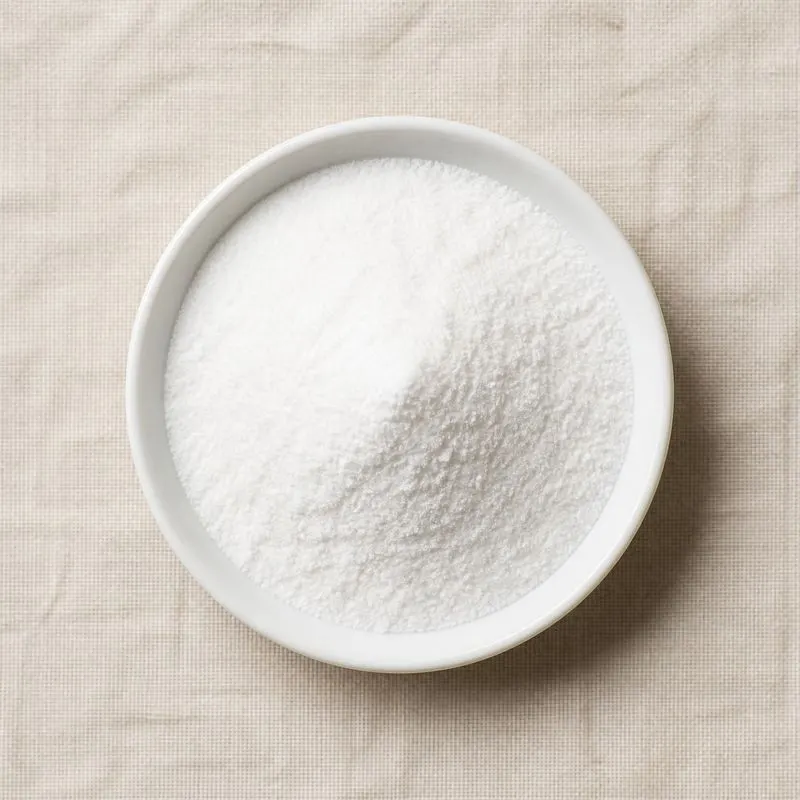
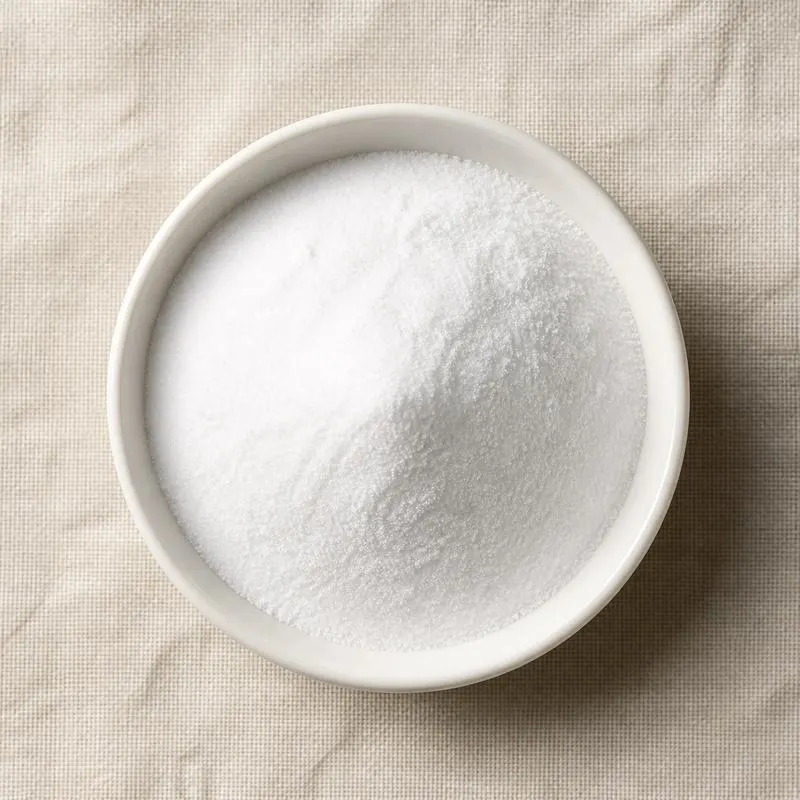
| Appearance | White crystalline powder |
| Assay (dry basis) | ≥ 99.5% |
| Loss on drying | ≤ 0.2% |
| pH (10% solution) | 5.0 to 7.0 |
| Melting point | 119 °C to 123 °C |
| Heavy metals (as Pb) | ≤ 5 mg/kg |
| Arsenic | ≤ 2 mg/kg |
| Reducing sugars | ≤ 0.3% |
| Ribitol and glycerol | ≤ 0.1% |
| Particle size | 30 to 60 mesh standard, or per customer specification |
Common Markets Grades
Erythritol is a free-flowing crystalline powder at 99.5 percent minimum assay.
Standard granulations include regular crystal, fine, extra-fine, and powdered milled forms for table-top sachets, tabletting, beverages, and confectionery.
Co-crystallised blends with high-intensity sweeteners such as stevia glycosides or monk fruit extract are produced for monk-fruit and stevia tabletop products that target a one-to-one sucrose replacement.
Pharmaceutical-grade material complies with USP-NF and Ph. Eur. monographs. Food-grade material meets FCC and JECFA specifications.
Applications
- Tabletop sweeteners as a one-to-one sugar replacement, often blended with stevia or monk fruit
- Reduced-calorie and ketogenic baked goods including cookies, cakes, and muffins
- Sugar-free chocolate where its low hygroscopicity preserves shelf stability
- Beverage powders, instant drink mixes, and ready-to-drink reduced-calorie beverages
- Sugar-free chewing gum, mints, and breath strips for the cooling cue
- Frostings, glazes, and confectionery panning where moisture must stay low
- Dairy applications including yogurt, ice cream, and flavoured milk
- Pharmaceutical chewable tablets and oral suspensions
- Toothpaste and oral-rinse formulations as a non-cariogenic sweetener
- Nutritional bars and meal-replacement products
- Diabetic confectionery and sugar-free jellies
- Cosmetic skincare as a humectant in some lotion and serum products
Brands Using Erythritol
Widely-distributed consumer products that list Erythritol on the ingredient label.
- Truvia (Cargill)Truvia Calorie-Free Sweetener Stevia Leaf Packets ↗Ingredients: stevia leaf extract, erythritol and natural flavours. Erythritol is the largest ingredient by weightLabel verified 2026-05-24
- Truvia (Cargill)Truvia Sweet Complete Granulated All-Purpose Monk Fruit Sweetener ↗Ingredients: Monk Fruit extract and erythritolLabel verified 2026-05-24
- LakantoLakanto Classic Monkfruit Sweetener (White Sugar Replacement) ↗Ingredients: Non-GMO Erythritol, Monk Fruit ExtractLabel verified 2026-05-24
- LakantoLakanto Powdered Monkfruit Sweetener ↗Ingredient panel: erythritol and monk fruit extractLabel verified 2026-05-24
- Quest NutritionQuest Double Chocolate Chunk Protein Bar ↗Ingredient panel includes: protein blend, polydextrose, almonds, water, erythritol, unsweetened chocolate, cocoa processed with alkali, glycerinLabel verified 2026-05-24
- Quest NutritionQuest Chocolate Brownie Protein Bar ↗Ingredient panel: 'protein blend, polydextrose, almonds, water, cocoa processed with alkali, erythritol, glycerin...'Label verified 2026-05-24
- Halo Top CreameryHalo Top Chocolate Ice Cream (pint) ↗A pint of chocolate ice cream listing erythritol among its ingredients.Label verified 2026-05-24
- Halo Top CreameryHalo Top Vanilla Bean Ice Cream (pint) ↗A pint of vanilla bean ice cream listing erythritol as a sweetening ingredient.Label verified 2026-05-24
- Pyure OrganicPyure Organic Granular Stevia Sweetener Pouch ↗Ingredients: Organic Erythritol, Organic Stevia Leaf ExtractLabel verified 2026-05-24
- Pyure OrganicPyure Organic Confectioners Powdered Stevia Sweetener ↗Ingredients: Organic Erythritol, Organic Soluble Tapioca Fiber, Organic Stevia Leaf Extract (Reb A), Natural FlavorsLabel verified 2026-05-24
Brand names, product names and logos are the property of their owners. They appear here as published evidence that the ingredient is used, taken from the brand's own label or website. Their appearance is not an endorsement, and it does not mean the brand buys from us or from any manufacturer listed on this site.
China Manufacturers of Erythritol
Top Erythritol manufacturers in China.
 Beijing Refine Biology Co., Ltd.3 ingredients in the directory
 Deosen Biochemical (Ordos) Co., Ltd.7 ingredients in the directory
 Dongxiao Biotechnology Co., Ltd.1 ingredient in the directory
 Futaste Pharmaceutical Co., Ltd.7 ingredients in the directory
 Henan More Energy Co., Ltd.7 ingredients in the directory
 Shadnong Fuyang Bio-tech.Co., Ltd.7 ingredients in the directory
- Shandong Fuyang Biotechonlogy Co., Ltd.6 ingredients in the directory
 Shandong Kunda Biotechnology Co., Ltd.4 ingredients in the directory
 Shandong Sanyuan Biotechnology Co., Ltd.4 ingredients in the directory
 Shandong Starlight So True Biotechnology Co., Ltd.9 ingredients in the directory
 Yusweet Co., Ltd.5 ingredients in the directory
- Zhejiang Huakang Pharmaceutical Co., Ltd.11 ingredients in the directory
Company names and logos are the property of the manufacturers themselves. They are listed here because our own directory records them as producing this ingredient. A listing is not an endorsement by them, and we do not represent them or speak on their behalf.
How We Help Source Erythritol
Direct Factory Sourcing
We run the whole process: selecting the manufacturer from the top Chinese food ingredient producers, negotiating the price, verifying quality, and coordinating the logistics. You deal with us instead of with several factories at once.
Original Packaging and Documents from the Manufacturer
The manufacturer sends your Erythritol out of its own factory in the original packing, through to your destination port. The COA, COO, MSDS, TDS and any certifications reach you from the manufacturer as well.
Free Samples and Lead Time
We send 100 to 500 g free for your own laboratory to test and you cover only the courier, usually within 2 to 3 working days. ETD is usually within 7 to 15 days once the order is confirmed, and we check that date against the factory's own manufacturing schedule before we give it to you.
Combined Shipment
We can load Erythritol together with other ingredients such as Stevia, Maltitol and Sorbitol into one 20' FCL. If your quantity is small, we can also ship LCL.
Regulatory Status
Erythritol holds broad regulatory approval as a food additive and sweetener.
In the European Union it carries E number E968, authorised for use in many food categories. Beverages have a specific maximum-use restriction to limit laxative potential at high single servings.
The U.S. Food and Drug Administration accepted GRAS notifications for erythritol starting in 1997, with the most recent confirmations covering both chemical and fermentation-derived material. The agency has accepted a labelling caloric value of 0 kcal per gram in some contexts and 0.2 kcal per gram in others.
JECFA has evaluated erythritol as safe for food use. Pharmacopoeial monographs appear in USP-NF and Ph. Eur.
In October 2023 a Cleveland Clinic study (Witkowski et al., Nature Medicine) reported an association between elevated plasma erythritol and major adverse cardiovascular events, with supporting in vitro work on platelet aggregation. FDA, EFSA, and other authorities have reviewed the findings but have not changed the regulatory status of erythritol. The substance is Halal and Kosher certifiable and is not a recognised food allergen.
Manufacturing Process
Modern erythritol is produced by microbial fermentation rather than chemical synthesis.
A glucose or sucrose feedstock derived from corn, wheat, tapioca, or cane is sterilised and inoculated with an osmophilic yeast, most commonly Moniliella pollinis or Yarrowia lipolytica. Under high-osmotic-pressure aerobic conditions the yeast converts sugar to erythritol as an intracellular osmoprotectant that is excreted into the broth.
After fermentation the cells are separated by filtration or centrifugation. The cell-free broth is decolorised with activated carbon, demineralized through ion-exchange resins, and concentrated under vacuum.
The concentrated solution is cooled with seeding to crystallise erythritol. The crystals are centrifuged, washed, dried, and screened to the target particle size, yielding a 99.5 percent purity product.