Steviol Glycosides
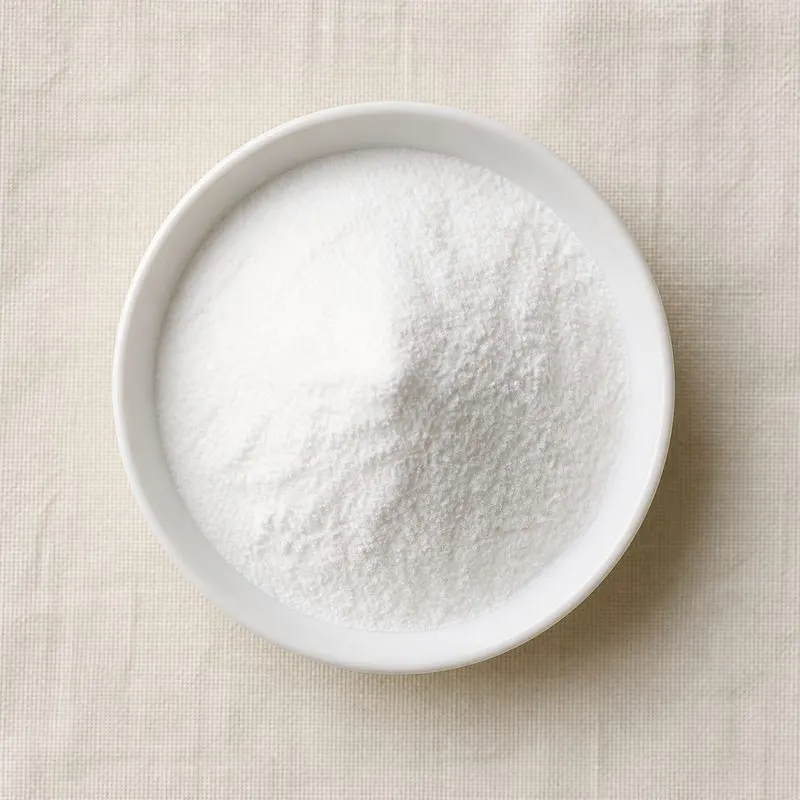
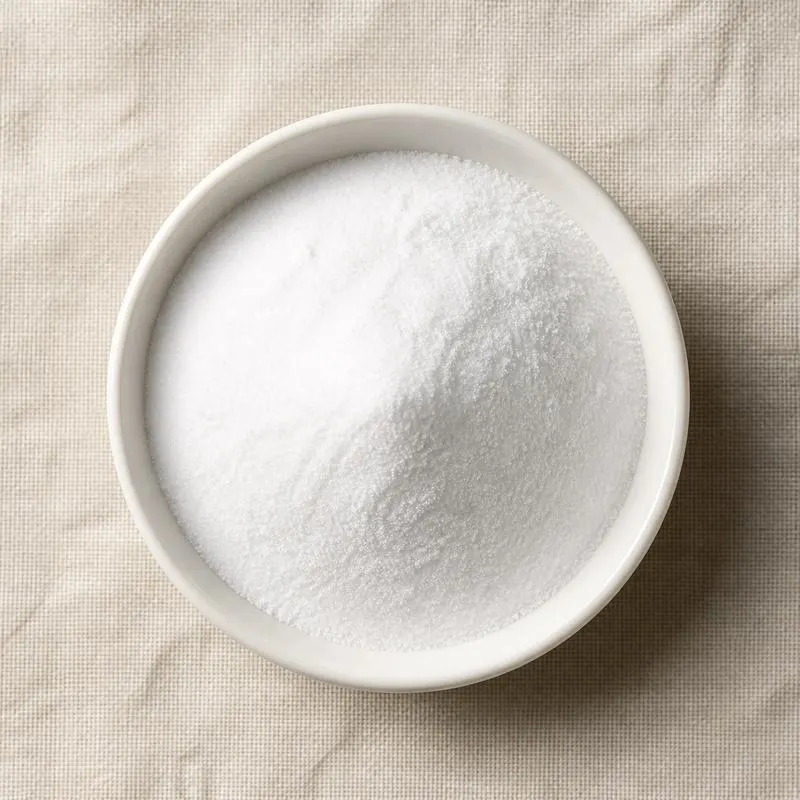
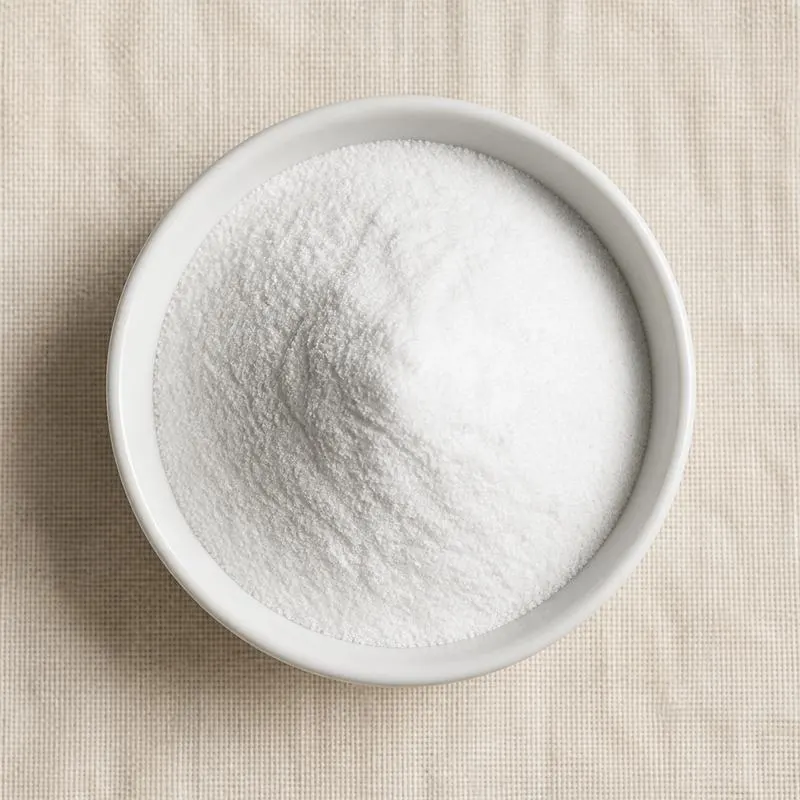
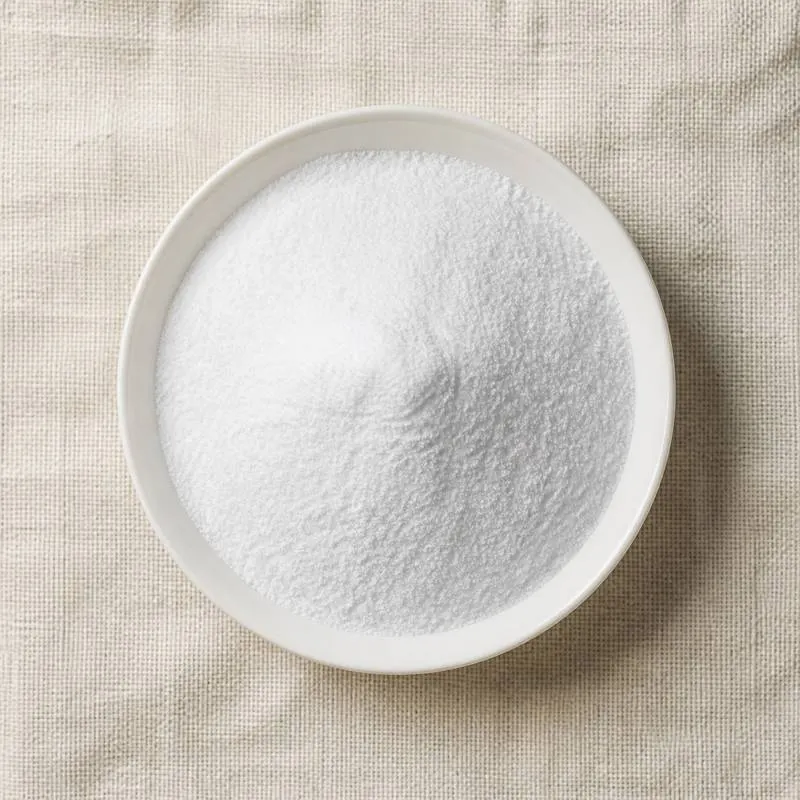
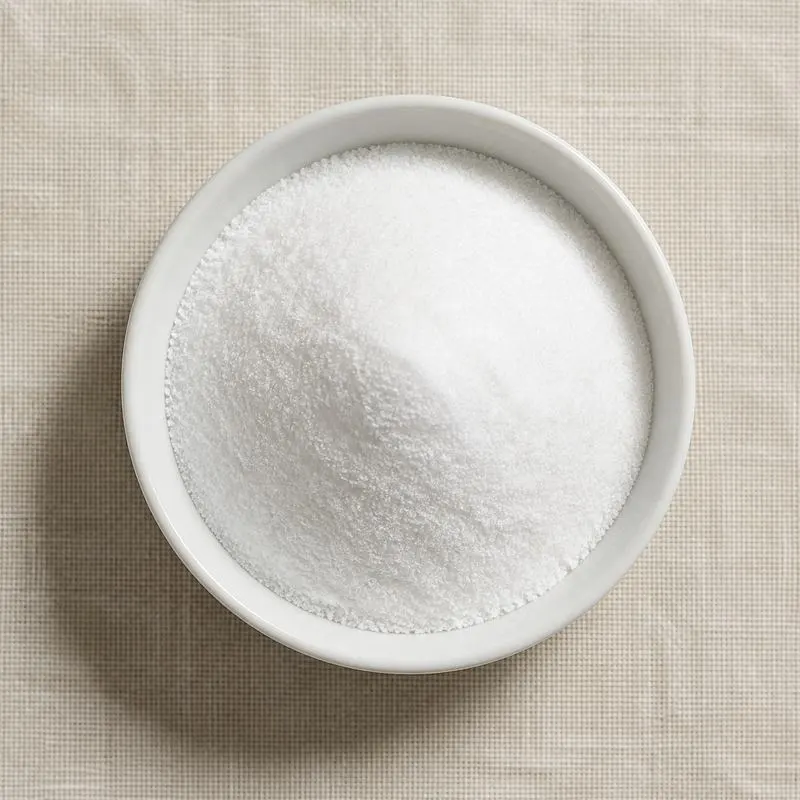
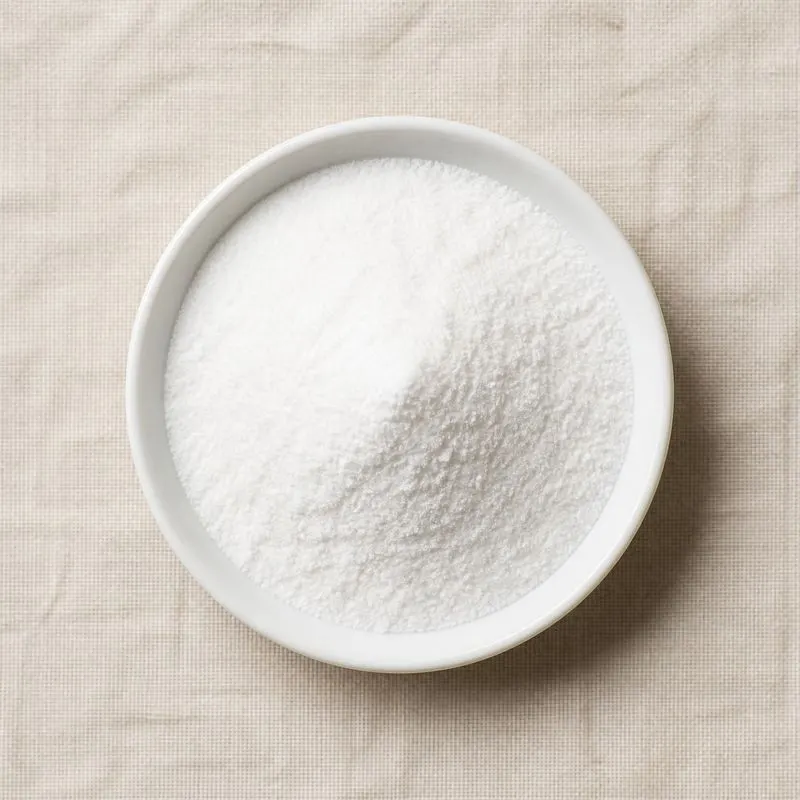
Steviol Glycosides is the ingredient designation for purified sweet diterpene glycosides isolated from Stevia rebaudiana leaf, sold at 95 percent or higher total glycoside content on a dry basis.
All members of the family share a common aglycone called steviol. Differences in sweetness, onset, and aftertaste come from the number and arrangement of glucose, rhamnose, and xylose residues at the C13 hydroxyl and C19 carboxyl positions.
We source bulk Steviol Glycosides from top China manufacturers for our partners, working with several of them. The manufacturers are mostly in Shandong, Beijing and Shanghai. For this ingredient the minimum order is 500 kg and a 20-foot container takes 8 MT, and a smaller requirement can ship in a combined container with other ingredients.
Please send the grade you need, the volume and your destination port, and we will come back with a solution and a price.
or call +86-21-6858 0751
- Minimum order
- 500 kg
- Qty in 20' FCL
- 8 MT
- Packaging
- 25 kg kraft paper bag with PE inner liner
- ISO 9001
- HACCP
- Halal
- Kosher
Specifications
| Item | Specification |
|---|---|
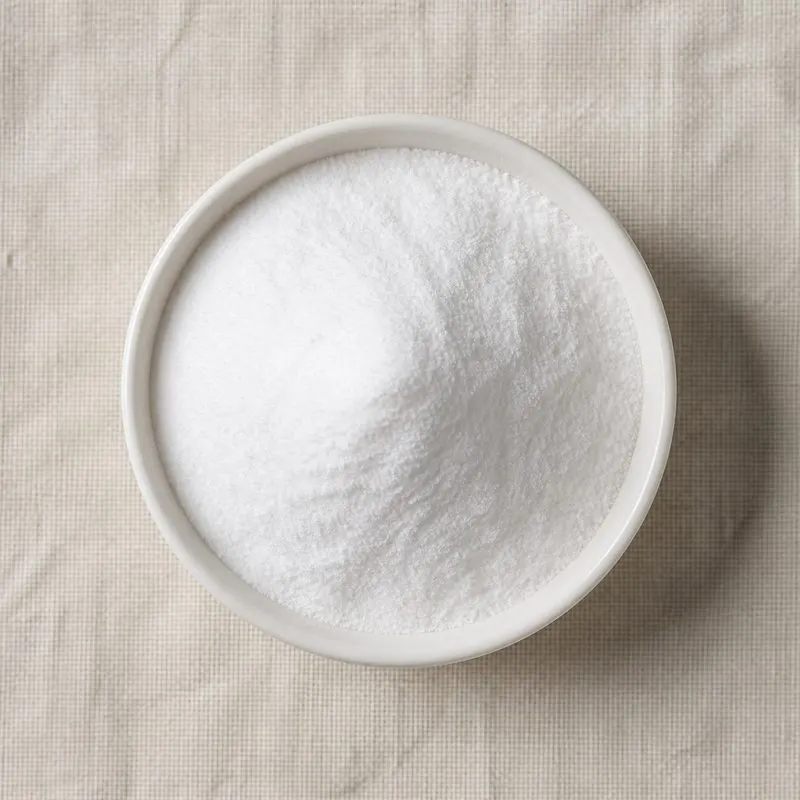
| Appearance | White to off-white crystalline powder |
| Total Steviol Glycosides (on the dried basis) | ≥ 95.0% |
| Rebaudioside A (on total steviol glycosides) | ≥ 60.0%, ≥ 80.0%, ≥ 95.0% or ≥ 97.0% by grade |
| Loss on Drying | ≤ 6.0% (105°C, 2 h) |
| Residue on Ignition | ≤ 1.0% |
| pH (1% Solution) | 4.5-7.0 |
| Solubility | Freely soluble in water and in aqueous ethanol |
| Residual Methanol | ≤ 200 mg/kg |
| Residual Ethanol | ≤ 5000 mg/kg |
| Arsenic (as As) | ≤ 1 mg/kg |
| Lead | ≤ 1 mg/kg |
| Heavy Metals (as Pb) | ≤ 10 mg/kg |
| Total Plate Count | ≤ 1000 CFU/g |
| Yeast and Mould | ≤ 100 CFU/g |
| E. coli | Negative/25g |
Common Markets Grades
The purified ingredient is traded almost exclusively at 95 percent or higher total steviol glycoside (TSG) content, the threshold the JECFA specification sets.
Within the 95 percent plus range, material is differentiated by glycoside profile rather than by total assay.
Rebaudioside A 60, 80, 95, and 97 percent grades cover the bulk of beverage and dairy use. Stevioside 95 percent is used where a sharper sweet onset is acceptable and cost is the driver.
Reb D and Reb M enriched cuts, typically 50 to 95 percent of the named glycoside on a TSG basis, are produced for premium sugar-like profiles in carbonated soft drinks, dairy, and confectionery.
Soluble grades use particle engineering or co-crystallisation with maltodextrin or fibre to improve dispersibility in cold liquids.
Applications
- Zero and reduced-sugar carbonated soft drinks for cleaner label calls
- Functional beverages, energy drinks, and electrolyte mixes
- Premium dairy: flavoured milk, drinking yogurt, and protein shakes
- Tabletop sweetener formulations at high intensity per serving
- Chocolate, confectionery, and chewing gum
- Reduced-sugar bakery items including cookies, biscuits, and fillings
- Sports and clinical nutrition powders and bars
- Sauces, dressings, condiments, and pickled products
- Ice cream, sorbet, and frozen novelties
- Pharmaceutical syrups, lozenges, and chewables for taste masking
- Oral care products including toothpaste and mouthwash
- Supplement gummies, effervescent tablets, and stick packs
Brands Using Steviol Glycosides
Widely-distributed consumer products that list Steviol Glycosides on the ingredient label.
- NOW FoodsNOW BetterStevia Organic Extract Powder ↗Ingredients include Organic Steviol Glycosides (Stevia rebaudiana leaf extract)Label verified 2026-05-24
- NOW FoodsNOW BetterStevia Liquid Original ↗Ingredients: De-Ionized Water, Certified Organic Stevia Leaf Extract (steviol glycosides), 11% Organic Cane AlcoholLabel verified 2026-05-24
- SukrinSukrin:1 Granulated Sweetener ↗Ingredients: erythritol and steviol glycosides from steviaLabel verified 2026-05-24
- SukrinSukrin Gold Brown Sugar Substitute ↗Ingredients: erythritol, malt extract, glycerol, steviol glycosides from steviaLabel verified 2026-05-24
- PyurePyure Organic Granular Stevia Blend ↗Ingredients: organic erythritol, organic stevia leaf extract (Reb A, a steviol glycoside), organic natural flavourLabel verified 2026-05-24
- WholesomeWholesome Organic Stevia Packets ↗Contains organic erythritol and organic stevia extract (stevia rebaudiana / steviol glycosides)Label verified 2026-05-24
- SweetLeafSweetLeaf Organic Stevia Sweetener Packets ↗Ingredients: Organic Inulin, Organic Stevia Leaf Extract (steviol glycosides), SilicaLabel verified 2026-05-24
Brand names, product names and logos are the property of their owners. They appear here as published evidence that the ingredient is used, taken from the brand's own label or website. Their appearance is not an endorsement, and it does not mean the brand buys from us or from any manufacturer listed on this site.
China Manufacturers of Steviol Glycosides
Top Steviol Glycosides manufacturers in China.
 Beijing Gingko Group Biotechnology Co., Ltd.12 ingredients in the directory
- Delytose (Shanghai) Biotech.Co., Ltd.1 ingredient in the directory
- Qufu Shengren Pharmaceutical Co., Ltd.3 ingredients in the directory
 Shandong Aojing Biotechnology Co., Ltd.3 ingredients in the directory
 Shandong Haigen Biotechnology Co., Ltd.2 ingredients in the directory
 Shandong Huaxian Healthy Biotech Co., Ltd.4 ingredients in the directory
 Shandong Shengxiangyuan Biotechnology Co., Ltd.2 ingredients in the directory
 Shandong TangbaobaoBiotechnology Co., Ltd.2 ingredients in the directory
 Sichuan Ingia Biosynthetic Co., Ltd.5 ingredients in the directory
 Xinghua Gl Stevia Co., Ltd.2 ingredients in the directory
Company names and logos are the property of the manufacturers themselves. They are listed here because our own directory records them as producing this ingredient. A listing is not an endorsement by them, and we do not represent them or speak on their behalf.
How We Help Source Steviol Glycosides
Direct Factory Sourcing
We run the whole process: selecting the manufacturer from the top Chinese food ingredient producers, negotiating the price, verifying quality, and coordinating the logistics. You deal with us instead of with several factories at once.
Original Packaging and Documents from the Manufacturer
The manufacturer sends your Steviol Glycosides out of its own factory in the original packing, through to your destination port. The COA, COO, MSDS, TDS and any certifications reach you from the manufacturer as well.
Free Samples and Lead Time
We send 100 to 500 g free for your own laboratory to test and you cover only the courier, usually within 2 to 3 working days. ETD is usually within 7 to 15 days once the order is confirmed, and we check that date against the factory's own manufacturing schedule before we give it to you.
Combined Shipment
We can load Steviol Glycosides together with other ingredients such as Stevia, Erythritol and Maltitol into one 20' FCL. If your quantity is small, we can also ship LCL.
Regulatory Status
Steviol Glycosides at 95 percent or higher purity are approved as a sweetener in essentially every regulated market.
The European Union lists the additive as E960, with sub-categories now in place to distinguish leaf-derived, enzyme-modified, and fermentation-derived material.
The U.S. Food and Drug Administration accepts high-purity steviol glycosides under multiple GRAS notices. JECFA has set a permanent specification, an ADI expressed as steviol, and updated entries for bioconversion routes.
JECFA, EFSA, and FSANZ all recognise the bioconverted Reb D and Reb M products as steviol glycosides for regulatory purposes, provided the final specification is met.
Pharmacopoeial monographs are in place in the United States Pharmacopeia Food Chemicals Codex. Kosher, Halal, and Non-GMO Project options are routinely available.
Manufacturing Process
Production starts with a crude stevia extract, typically 80 to 90 percent TSG, generated from leaf by hot water or aqueous ethanol extraction.
The crude is dissolved, polished through activated carbon, and loaded onto macroporous polymeric resins that selectively bind the glycosides. Elution with food-grade ethanol releases an enriched glycoside fraction.
Targeted crystallisation in ethanol or aqueous ethanol then separates individual glycosides. Rebaudioside A crystallises readily and is the easiest to isolate at high purity. Stevioside, Reb C, and other minor species are recovered from mother liquors.
For Reb D and Reb M, bioconversion is now the dominant route. UDP-glucosyltransferase enzymes from engineered yeast or E. coli transfer additional glucose units onto stevioside or Reb A in aqueous reactors. The enzymes are removed by filtration, and the converted glycosides are crystallised to high purity.