Stevia
Stevia is the consumer-facing name for the family of high-intensity sweeteners extracted from the leaves of Stevia rebaudiana, a perennial shrub native to Paraguay and Brazil.
The sweet character of the leaf comes from a mixture of diterpene glycosides built on a common steviol aglycone backbone. Depending on the cultivar and processing route, the finished extract is typically 200 to 400 times sweeter than sucrose on a weight basis.
We source bulk Stevia from top China manufacturers for our partners, working with several of them. The manufacturers are mostly in Shandong, Beijing and Anhui. For this ingredient the minimum order is 500 kg and a 20-foot container takes 8 MT, and a smaller requirement can ship in a combined container with other ingredients.
Please send the grade you need, the volume and your destination port, and we will come back with a solution and a price.
or call +86-21-6858 0751
- Minimum order
- 500 kg
- Qty in 20' FCL
- 8 MT
- Packaging
- 25 kg kraft paper bag with PE inner liner
- ISO 9001
- HACCP
- Halal
- Kosher
Specifications
Grades / Types Available: Food Grade, Pharmaceutical Grade
| Item | Specification |
|---|---|
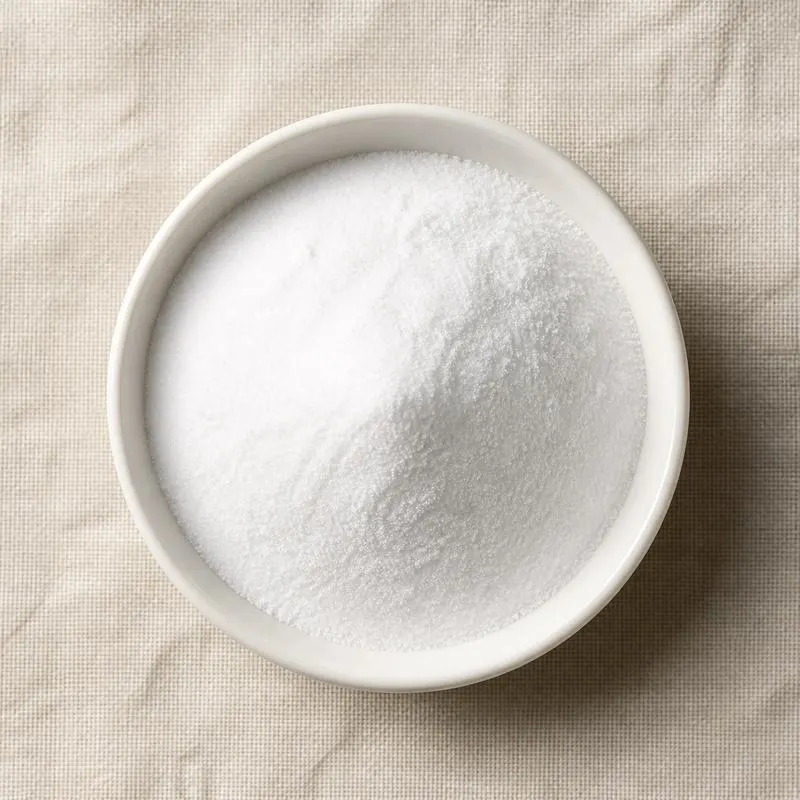
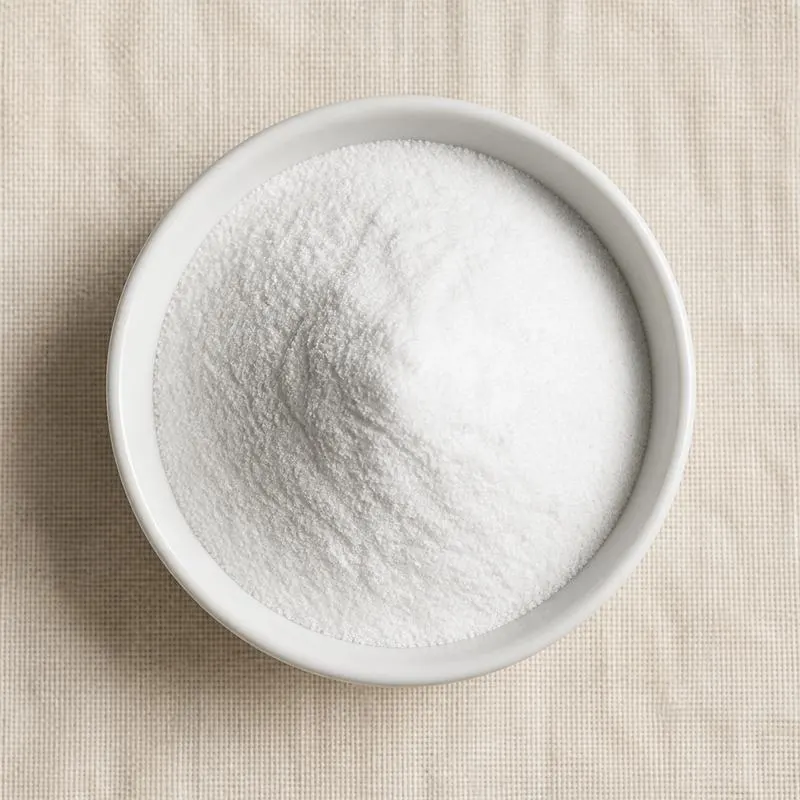
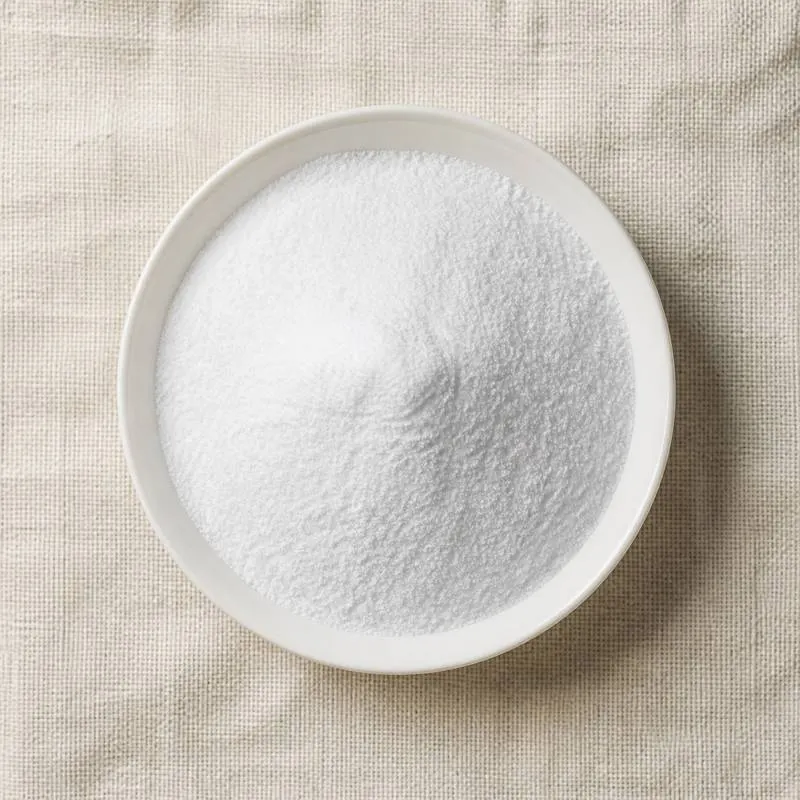
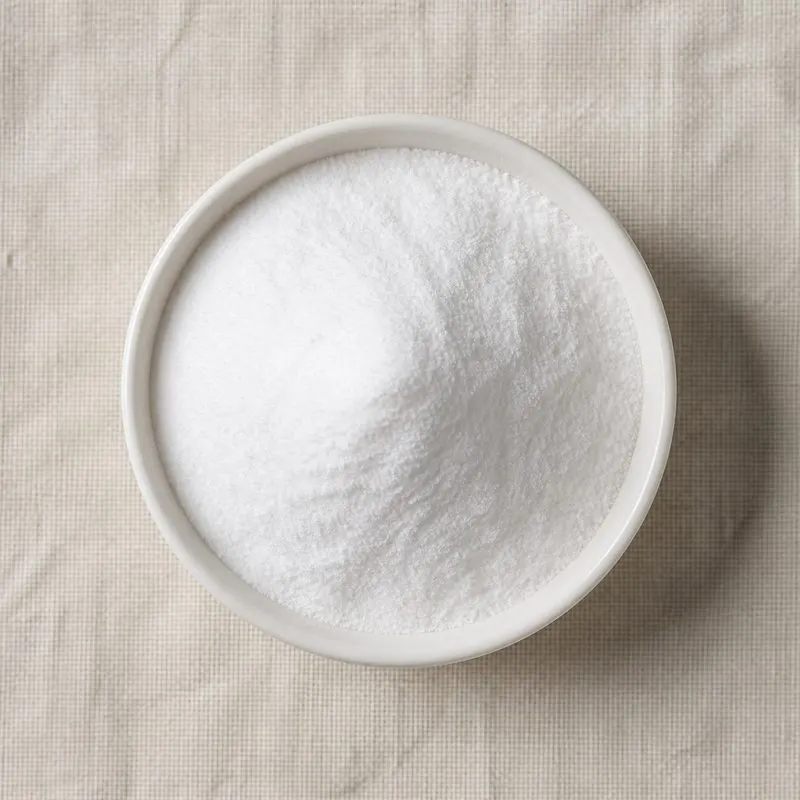
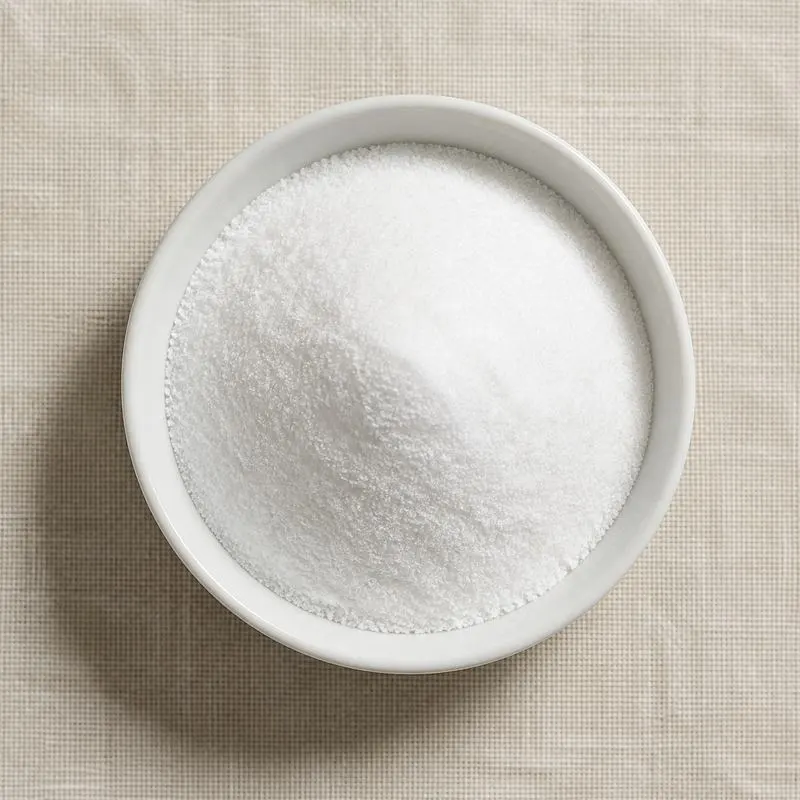
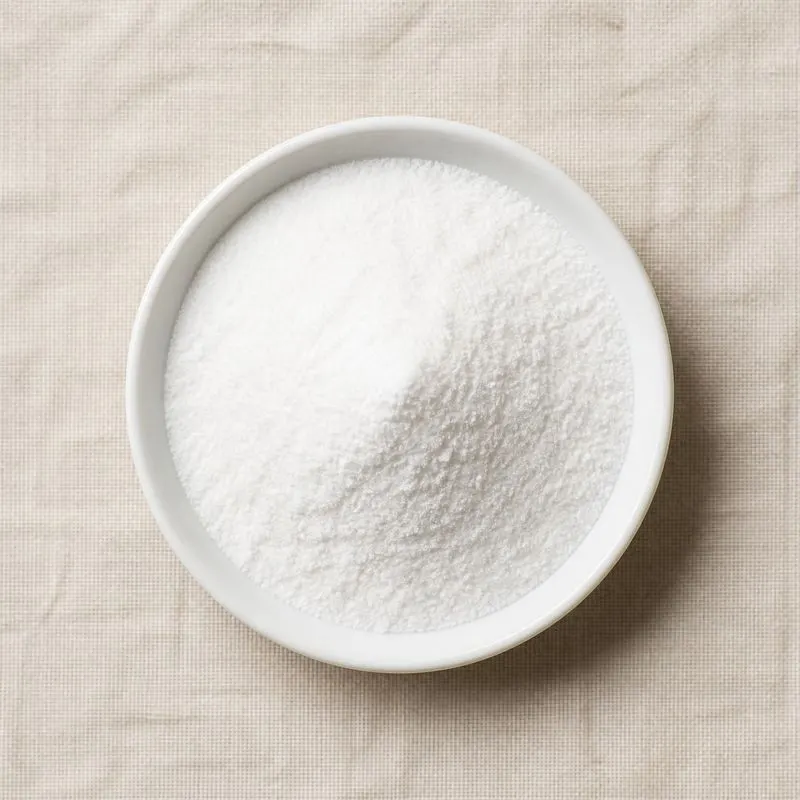
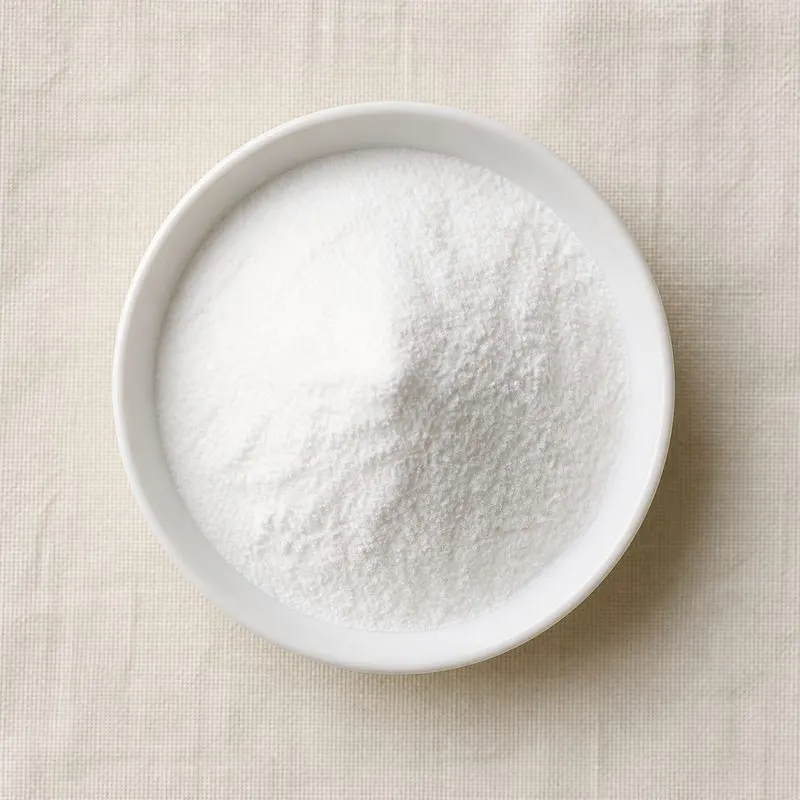
| Appearance | White to off-white free-flowing crystalline powder |
| Total Steviol Glycosides | ≥ 95.0% (dry basis) |
| Rebaudioside A | 40% / 60% / 80% / 97% / 98% (as specified) |
| Loss on Drying | ≤ 6.0% |
| pH (1% solution) | 4.5–7.0 |
| Ash | ≤ 1.0% |
| Residual Solvent (Methanol) | ≤ 200 mg/kg |
| Residual Solvent (Ethanol) | ≤ 5,000 mg/kg |
| Heavy Metals (as Pb) | ≤ 1 mg/kg |
| Lead (as Pb) | ≤ 1 mg/kg |
| Arsenic (as As) | ≤ 1 mg/kg |
| Total Plate Count | ≤ 1,000 CFU/g |
| Yeast & Mold | ≤ 200 CFU/g |
| E. coli | Negative/g |
| Salmonella | Negative/25g |
| Purity (Food Grade) | 99% |
| Moisture/Loss on Drying | <5% |
Common Markets Grades
Crude stevia extracts are usually classified by total steviol glycoside (TSG) content.
The 60 percent and 80 percent TSG grades are common entry-level powders for beverage and tabletop blends, where some residual leaf character is acceptable.
The 90 percent TSG grade sits at the boundary between crude extract and purified ingredient. It is widely used in dairy, baked goods, and sauces.
Material above 95 percent TSG is generally sold under the steviol glycosides designation rather than as stevia, and is detailed on that page.
Specialty cuts include Reb A enriched 40, 60, and 80 percent powders, where a higher rebaudioside A fraction is locked in for cleaner sweetness.
Applications
- Carbonated soft drinks and flavoured waters for full or partial sugar reduction
- Ready-to-drink teas, coffees, and dairy beverages
- Tabletop sweetener sachets and shaker jars, usually with a bulking carrier
- Yogurt, ice cream, and cultured dairy formulations
- Confectionery including chewing gum, mints, and hard candies
- Bakery applications such as cookies, muffins, and sweet sauces
- Sports nutrition powders, bars, and recovery drinks
- Sugar-free chocolate and frostings
- Jams, jellies, fruit preparations, and table syrups
- Dietary supplement chewables and effervescent tablets
- Pharmaceutical syrups and oral suspensions for taste masking
- Pet treats and palatable nutraceutical chews
Brands Using Stevia
Widely-distributed consumer products that list Stevia on the ingredient label.
- TruviaTruvia Calorie-Free Sweetener (Original) ↗Made with three ingredients: stevia leaf extract, erythritol, and natural flavoursLabel verified 2026-05-24
- TruviaTruvia Brown Sweetener ↗Brown sweetener variant from the stevia leaf, includes molasses with stevia leaf extract and erythritolLabel verified 2026-05-24
- Stevia In The RawStevia In The Raw Zero-Calorie Sweetener Packets ↗Ingredients: Dextrose and Stevia Leaf ExtractLabel verified 2026-05-24
- SweetLeafSweetLeaf Stevia Sweetener Packets ↗Stevia-based packet sweetener; includes inulin and stevia leaf extractLabel verified 2026-05-24
- SweetLeafSweetLeaf SteviaClear Sweet Drops (Liquid) ↗Ingredients: Purified Water, Organic Stevia Leaf Extract, Natural FlavorsLabel verified 2026-05-24
- Coca-ColaVitaminwater Zero Sugar ↗Sweetened with stevia leaf extract (and erythritol/monk fruit in various flavours)Label verified 2026-05-24
- Coca-ColaCoca-Cola Life ↗Reduced-calorie cola made with cane sugar and stevia leaf extractLabel verified 2026-05-24
- BodyArmorBodyArmor Lyte Sports Drink ↗Ingredient panel includes Stevia Rebaudiana Leaf Extract and erythritolLabel verified 2026-05-24
- BaiBai Antioxidant Infusion (e.g., Kula Watermelon) ↗Sweetened with erythritol and stevia leaf extractLabel verified 2026-05-24
- Stur DrinksStur Liquid Water Enhancer ↗Ingredients include Stevia Leaf Extract, citric acid, natural fruit flavour extracts, vitamin CLabel verified 2026-05-24
- ZeviaZevia Cola Zero Sugar Soda ↗Ingredients: carbonated water, natural flavours, stevia leaf extract, tartaric acid, caffeine, citric acidLabel verified 2026-05-24
- Halo TopHalo Top Vanilla Bean Light Ice Cream ↗Ingredient panel includes organic stevia leaf extract along with erythritol and cane sugarLabel verified 2026-05-24
- ChobaniChobani Zero Sugar Vanilla Greek Yogurt ↗Sweetened with allulose, monk fruit extract, and stevia leaf extract (Reb M)Label verified 2026-05-24
- Vital ProteinsVital Proteins Beauty Collagen Peptides Strawberry Lemon ↗Non-medicinal ingredients include stevia leaf extractLabel verified 2026-05-24
Brand names, product names and logos are the property of their owners. They appear here as published evidence that the ingredient is used, taken from the brand's own label or website. Their appearance is not an endorsement, and it does not mean the brand buys from us or from any manufacturer listed on this site.
China Manufacturers of Stevia
Top Stevia manufacturers in China.
 Beijing Gingko Group Biotechnology Co., Ltd.12 ingredients in the directory
 Beijing Refine Biology Co., Ltd.3 ingredients in the directory
 Bengbu Huadong Bio-tech Co., Ltd.2 ingredients in the directory
 Chenguang Biotech Group Co., Ltd.12 ingredients in the directory
 Guilin Layn Natural Ingredients Corp.3 ingredients in the directory
 Heilongjiang Fanglin Pharmaceutical Co., Ltd.6 ingredients in the directory
 Qufu Sweet Source Biotechnology Co., Ltd.1 ingredient in the directory
 Shandong Aojing Biotechnology Co., Ltd.3 ingredients in the directory
 Shandong Haigen Biotechnology Co., Ltd.2 ingredients in the directory
 Shandong Huaxian Healthy Biotech Co., Ltd.4 ingredients in the directory
 Shandong Shengxiangyuan Biotechnology Co., Ltd.2 ingredients in the directory
- Taste Legend Bio-Tech Co., Ltd.7 ingredients in the directory
 Xinghua Gl Stevia Co., Ltd.2 ingredients in the directory
 Zhejiang Skyherb Biotechnology Inc.4 ingredients in the directory
 Zhucheng Haotian Pharma Co., Ltd.5 ingredients in the directory
 Zhucheng Huayuan Bioengineering Co., Ltd.3 ingredients in the directory
Company names and logos are the property of the manufacturers themselves. They are listed here because our own directory records them as producing this ingredient. A listing is not an endorsement by them, and we do not represent them or speak on their behalf.
How We Help Source Stevia
Direct Factory Sourcing
We run the whole process: selecting the manufacturer from the top Chinese food ingredient producers, negotiating the price, verifying quality, and coordinating the logistics. You deal with us instead of with several factories at once.
Original Packaging and Documents from the Manufacturer
The manufacturer sends your Stevia out of its own factory in the original packing, through to your destination port. The COA, COO, MSDS, TDS and any certifications reach you from the manufacturer as well.
Free Samples and Lead Time
We send 100 to 500 g free for your own laboratory to test and you cover only the courier, usually within 2 to 3 working days. ETD is usually within 7 to 15 days once the order is confirmed, and we check that date against the factory's own manufacturing schedule before we give it to you.
Combined Shipment
We can load Stevia together with other ingredients such as Erythritol, Maltitol and Sorbitol into one 20' FCL. If your quantity is small, we can also ship LCL.
Regulatory Status
Stevia leaf extracts standardised to steviol glycosides are approved as sweeteners across major regulated markets.
In the European Union the additive is listed as E960 and covers steviol glycosides from Stevia rebaudiana leaf. The U.S. Food and Drug Administration accepts high-purity steviol glycoside preparations under multiple GRAS notices, while crude leaf and low-purity extracts are not covered by the GRAS conclusions.
JECFA has set a permanent specification and acceptable daily intake for steviol glycosides expressed as steviol.
Kosher and Halal certifications are routinely available. Non-GMO Project verification is common for material processed without genetically modified enzymes or carriers.
Manufacturing Process
Industrial stevia production starts with dried leaf, sourced primarily from cultivation regions in China, Paraguay, Kenya, and India.
The dried leaf is washed and extracted with hot water or aqueous ethanol. The crude extract is then decolorised over activated carbon and passed through ion-exchange or macroporous adsorbent resins that retain the glycosides while releasing pigments, salts, and bitter co-extractives.
The glycoside fraction is eluted with food-grade ethanol, concentrated under vacuum, and crystallised. Final spray drying or vacuum drying yields a free-flowing white to off-white powder.
Process control at the resin and crystallisation stages determines the final TSG percentage and the relative ratio of rebaudioside A, stevioside, and minor glycosides in the product.