Sodium Ascorbate
Sodium Ascorbate is the sodium salt of L-ascorbic acid, used industrially as the buffered, pH-neutral form of vitamin C and as the antioxidant food additive E301.
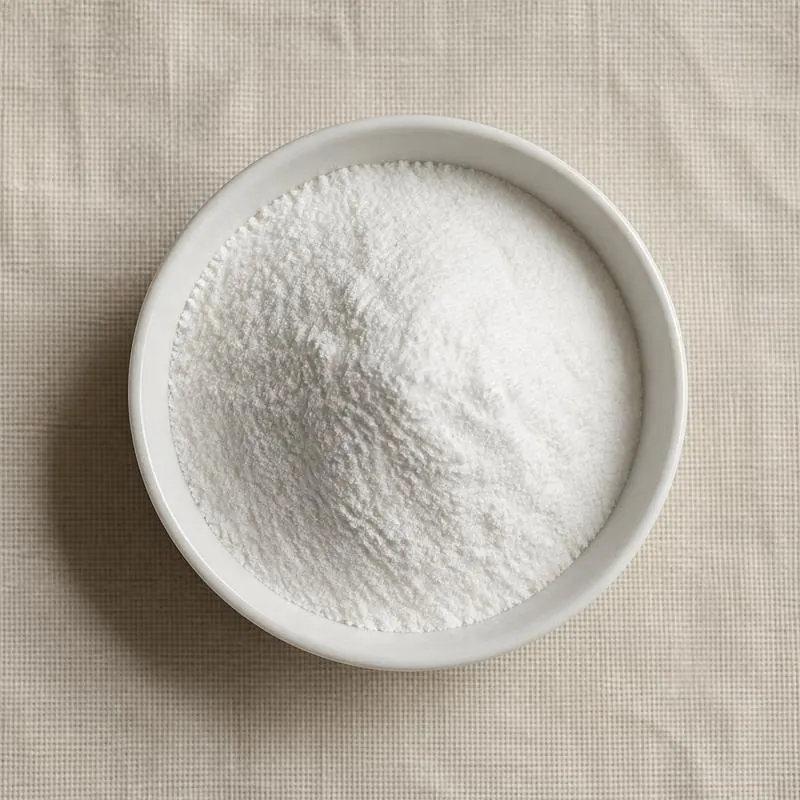
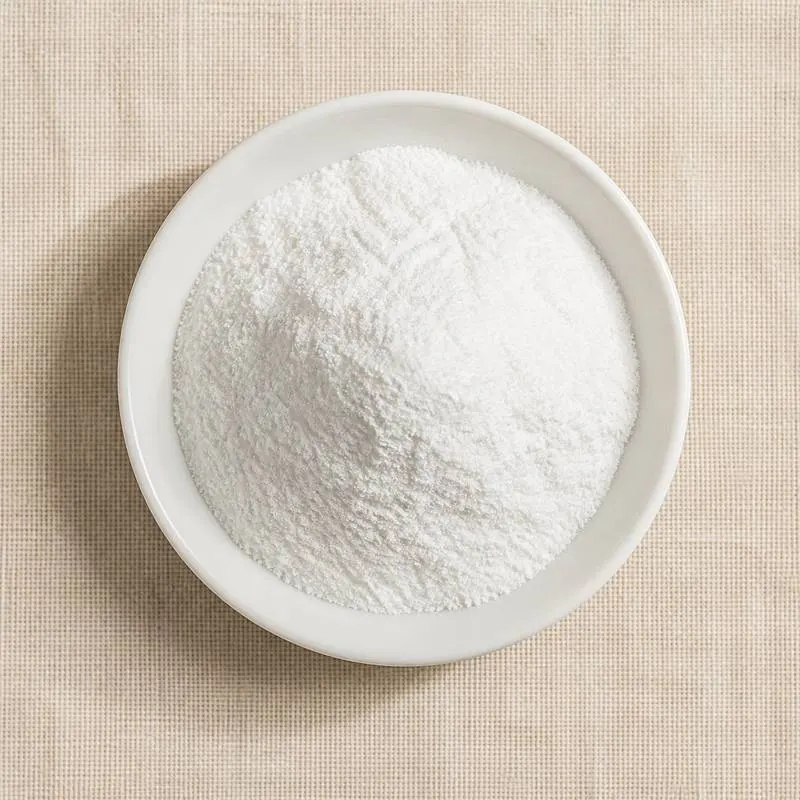
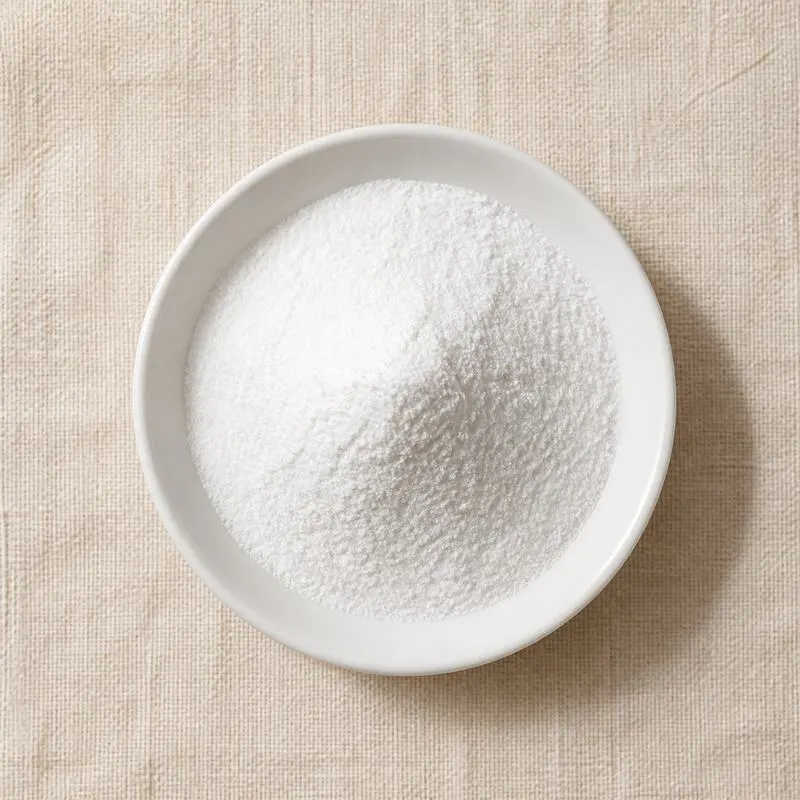
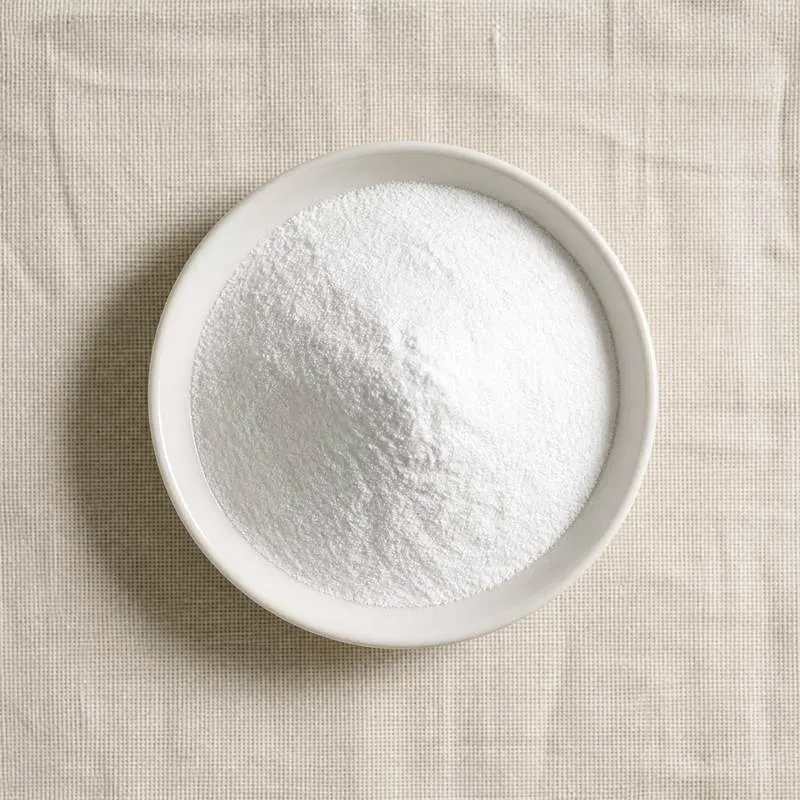
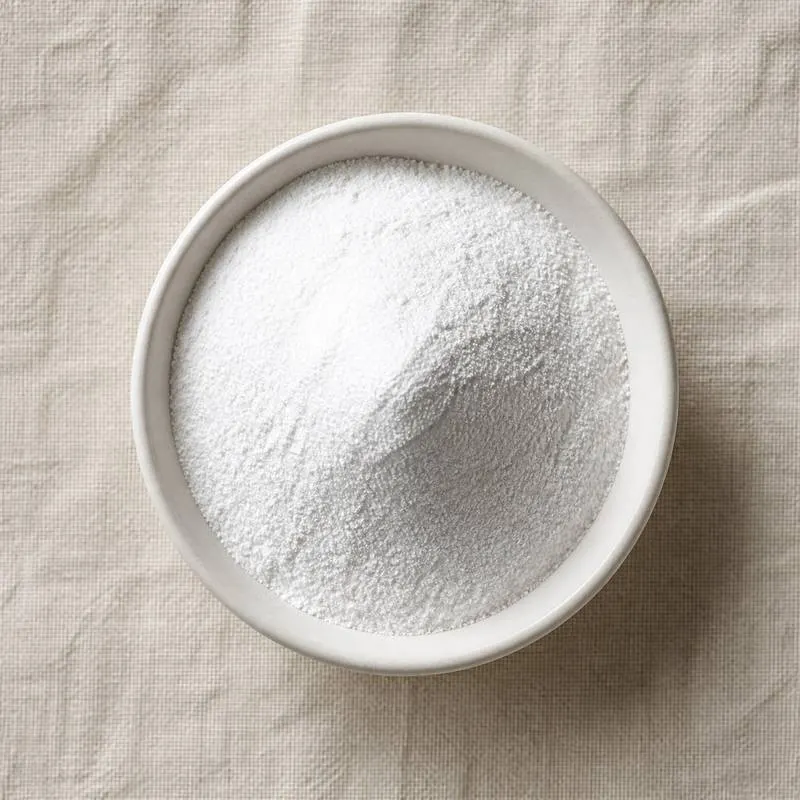
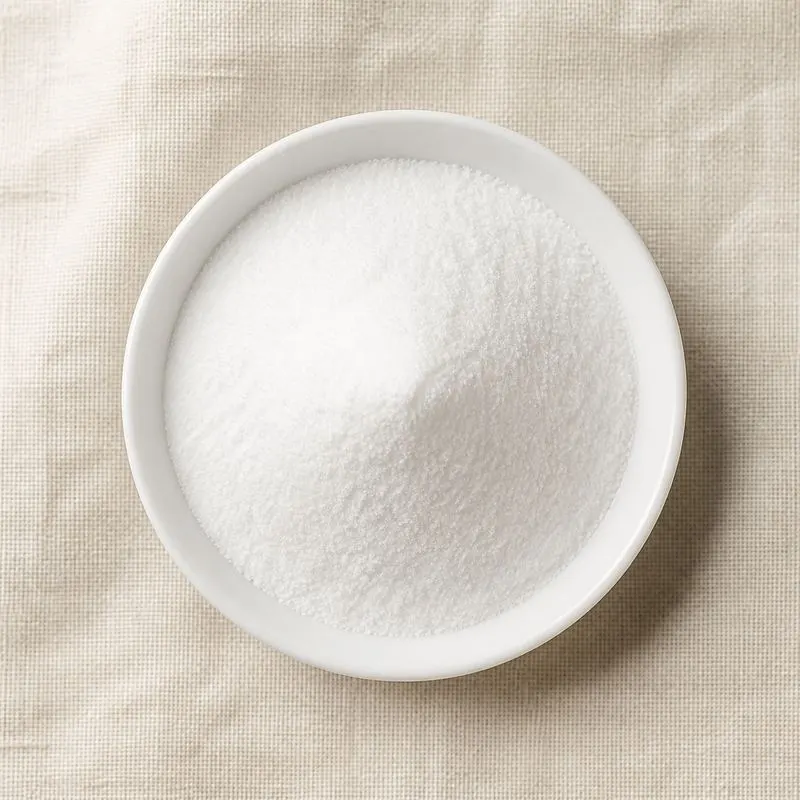
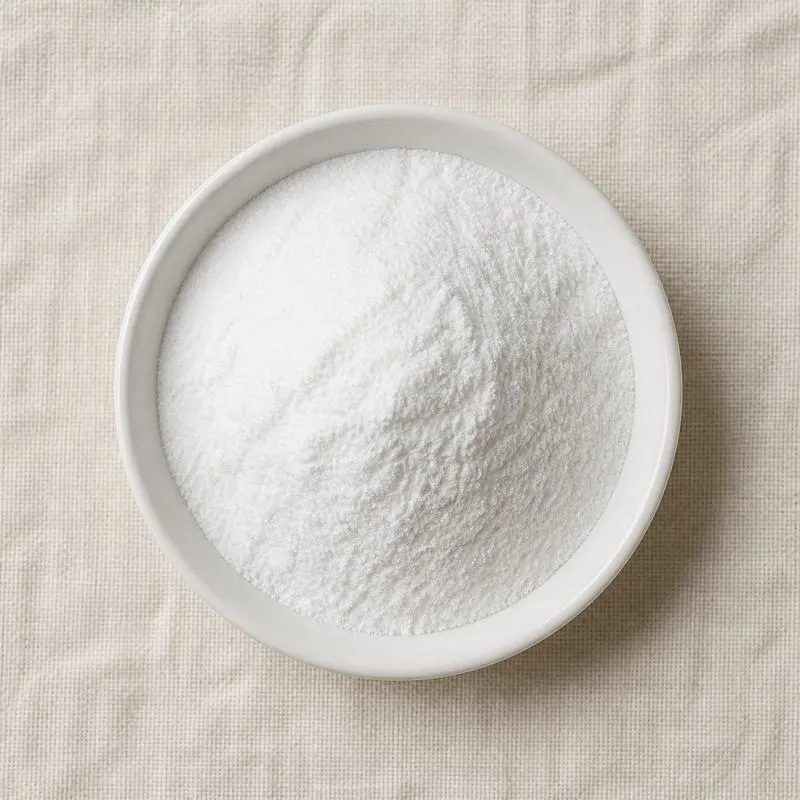
The molecule (CAS 134-03-2, C₆H₇NaO₆, molecular weight 198.11 g/mol) is a white to slightly yellow crystalline powder with much higher water solubility than free ascorbic acid and a near-neutral pH in solution (7.0 to 8.0 at 10 percent w/v).
We source bulk Sodium Ascorbate from top China manufacturers for our partners. The manufacturer is in Shandong. For this ingredient the minimum order is 3,000 kg and a 20-foot container takes 20 MT, and a smaller requirement can ship in a combined container with other ingredients.
Please send the grade you need, the volume and your destination port, and we will come back with a solution and a price.
or call +86-21-6858 0751
- Minimum order
- 3,000 kg
- Qty in 20' FCL
- 20 MT
- Packaging
- 25 kg kraft paper bag with PE inner liner
- ISO 9001
- HACCP
- Halal
- Kosher
Specifications
| Item | Specification |
|---|---|
| Appearance | White to slightly yellow crystalline powder |
| Assay (dry basis) | 99.0% to 100.5% |
| Specific rotation | +103° to +108° |
| Loss on drying | ≤ 0.25% |
| pH (10% solution) | 7.0 to 8.0 |
| Heavy metals (as Pb) | ≤ 10 mg/kg |
| Arsenic | ≤ 3 mg/kg |
| Sodium content | 10.6% to 11.6% |
| Particle size | Per customer specification |
Common Markets Grades
The physical formats of Sodium Ascorbate mirror those of ascorbic acid.
Fine crystalline grades are standard for tableting and dry premixes.
Coarse granular grades flow well in direct-compression tablets and dry beverage sticks.
Fine powder grades are preferred for cured meat applications, where rapid dissolution into the curing brine is essential.
Coated grades using vegetable fat or maltodextrin shells are produced for tablet formulations where direct contact with reactive excipients must be delayed.
All major suppliers offer USP, BP, Ph. Eur., JP, and FCC grades, typically derived from non-GMO fermentation feedstock with full traceability.
Applications
- Buffered vitamin C tablets and effervescent products for consumers sensitive to acidic ascorbic acid
- Cured meat processing including sausages, bacon, ham, and frankfurters as a cure accelerator
- Pediatric and geriatric vitamin C formulations where gastric tolerance matters
- Parenteral and intravenous vitamin C preparations
- Beverage fortification where flavour neutrality is required
- Dairy and yogurt fortification with vitamin C
- Frozen seafood and ready-meal antioxidant protection
- Wine production as a buffered antioxidant alternative to ascorbic acid
- Pharmaceutical formulations including chewable tablets and oral solutions
- Cosmetic emulsions where free ascorbic acid would lower pH below skin tolerance
- Animal feed and aquaculture premixes for vitamin C fortification
Brands Using Sodium Ascorbate
Widely-distributed consumer products that list Sodium Ascorbate on the ingredient label.
- NOW FoodsSodium Ascorbate Powder ↗A single-ingredient buffered vitamin C powder of pharmaceutical-grade sodium ascorbate.Label verified 2026-05-24
- Nature MadeCranberry 500 mg + C Gummies ↗Supplement Facts panel lists 90 mg Vitamin C '(as Ascorbic Acid, Sodium Ascorbate)' per serving.Label verified 2026-05-24
- Nature MadeAdvanced Hair, Skin & Nails Gummies ↗Supplement Facts panel lists 45 mg Vitamin C '(as Ascorbic Acid and Sodium Ascorbate)' per serving.Label verified 2026-05-24
- Centrum (Haleon)Centrum Women Multivitamin ↗Centrum Women's official product label PDF lists 'Sodium Ascorbate (to preserve freshness)' among the inactive/other ingredients.Label verified 2026-05-24
- HormelHORMEL Cup N' Crisp Pepperoni ↗Ingredient list verbatim: 'Pork, Beef, Salt, Contains 2% or less of Water, Dextrose, Spices, Lactic Acid Starter Culture, Sodium Ascorbate, Oleoresin of Paprika, Flavoring, Sodium Nitrite, Citric Acid, BHA, BHT, Beef Collagen Casing.'Label verified 2026-05-24
Brand names, product names and logos are the property of their owners. They appear here as published evidence that the ingredient is used, taken from the brand's own label or website. Their appearance is not an endorsement, and it does not mean the brand buys from us or from any manufacturer listed on this site.
China Manufacturers of Sodium Ascorbate
Top Sodium Ascorbate manufacturers in China.

Company names and logos are the property of the manufacturers themselves. They are listed here because our own directory records them as producing this ingredient. A listing is not an endorsement by them, and we do not represent them or speak on their behalf.
How We Help Source Sodium Ascorbate
Direct Factory Sourcing
We run the whole process: selecting the manufacturer from the top Chinese food ingredient producers, negotiating the price, verifying quality, and coordinating the logistics. You deal with us instead of with several factories at once.
Original Packaging and Documents from the Manufacturer
The manufacturer sends your Sodium Ascorbate out of its own factory in the original packing, through to your destination port. The COA, COO, MSDS, TDS and any certifications reach you from the manufacturer as well.
Free Samples and Lead Time
We send 100 to 500 g free for your own laboratory to test and you cover only the courier, usually within 2 to 3 working days. ETD is usually within 7 to 15 days once the order is confirmed, and we check that date against the factory's own manufacturing schedule before we give it to you.
Combined Shipment
We can load Sodium Ascorbate together with other ingredients such as Ascorbyl Palmitate, Disodium EDTA and Erythorbic Acid into one 20' FCL. If your quantity is small, we can also ship LCL.
Regulatory Status
Sodium Ascorbate is approved as both a nutrient source and an antioxidant additive globally.
In the European Union it carries the E number E301, permitted under Regulation (EC) 1333/2008 at quantum satis in most food categories.
The U.S. FDA lists it as GRAS under 21 CFR 182.3731 and as a meat cure accelerator under 21 CFR 172.379.
USDA FSIS regulations specifically permit sodium ascorbate in cured meat at defined inclusion rates.
Pharmacopoeial monographs exist in USP-NF, the European Pharmacopoeia, the British Pharmacopoeia, and the Japanese Pharmacopoeia.
JECFA assigned an ADI not specified, the most favorable classification. Halal, Kosher, and non-GMO certifications are routinely available.
Manufacturing Process
Industrial production proceeds by neutralisation of L-ascorbic acid with sodium bicarbonate or sodium carbonate in aqueous solution.
The reaction is exothermic and is run cold and under inert atmosphere to prevent oxidation of ascorbate.
The neutral solution is filtered through a polishing filter, concentrated under vacuum, and crystallised by addition of ethanol or by cooling.
Crystals are filtered, washed, and dried under vacuum at temperatures below 60 degrees Celsius to avoid Maillard browning between the ascorbate carbonyl and trace amino impurities.
The starting ascorbic acid is itself fermentation-derived in most modern plants, which means the finished sodium ascorbate carries non-GMO and corn-free or wheat-free declarations as required by the customer.
Each lot is verified by assay, water content, heavy metals, and trace iron, the last because residual iron catalyses oxidative degradation during storage.