Chicken Essence
Chicken essence is a compound savoury flavouring that supplies cooked chicken aroma and broth character to processed food. The commercial material is a thermal process flavour, produced by reacting hydrolysed protein, reducing sugars and sulphur bearing amino acids under controlled heat, then standardising the reaction mass with chicken fat, salt and a carrier.
The aroma comes from Maillard chemistry rather than from any single added chemical. Pyrazines give the roasted top note, thiazoles and thiophenes the brothy depth, and sulphur compounds such as 2-methyl-3-furanthiol and its disulphide provide the character impact that marks the aroma as chicken rather than as generic meat. Oxidation products of chicken fat, principally unsaturated aldehydes, carry the fatty note that separates a poultry profile from a beef or pork one.
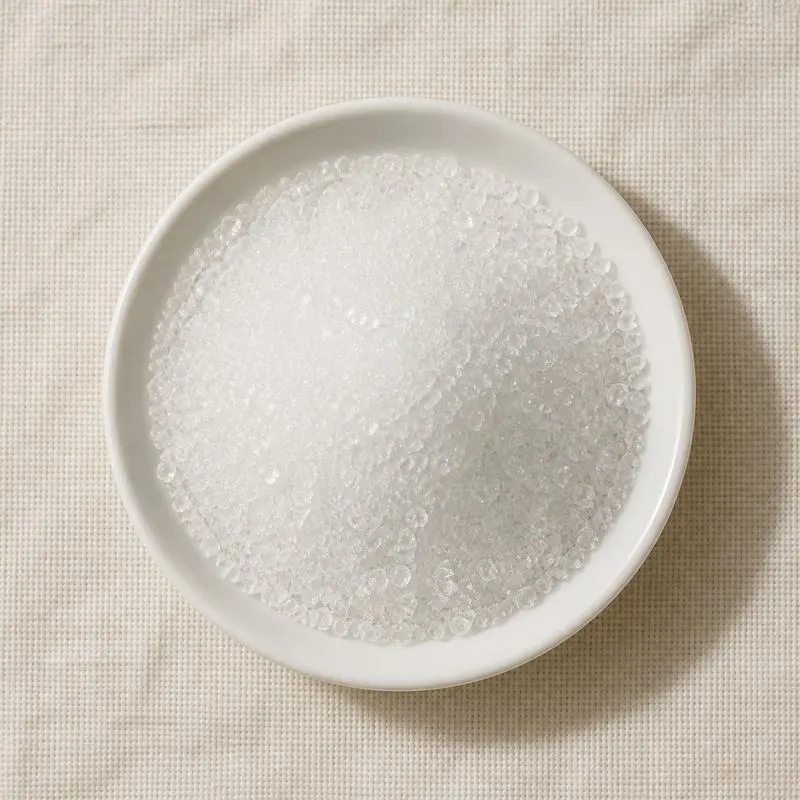
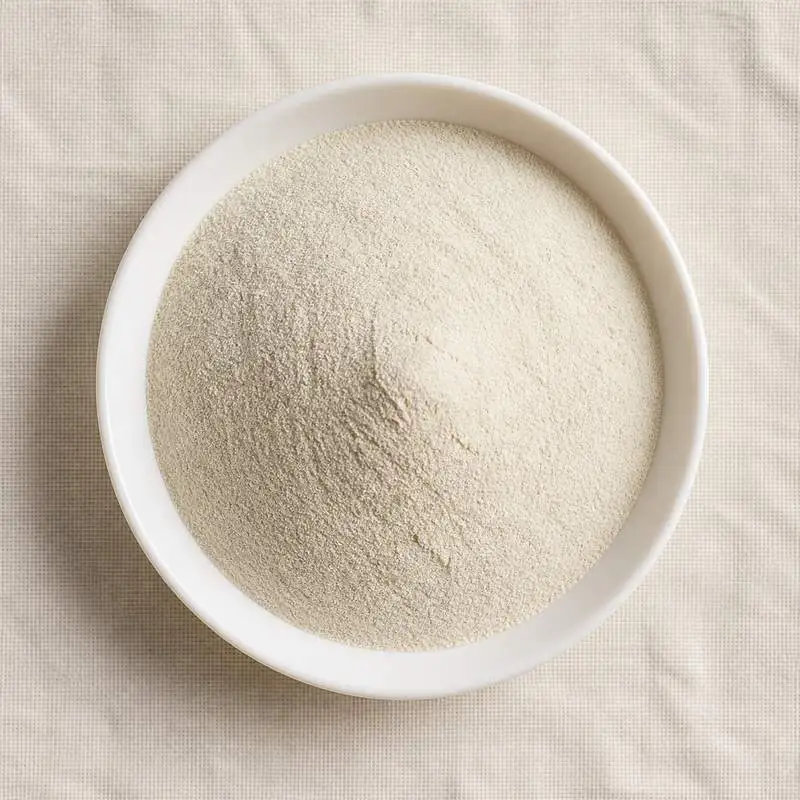
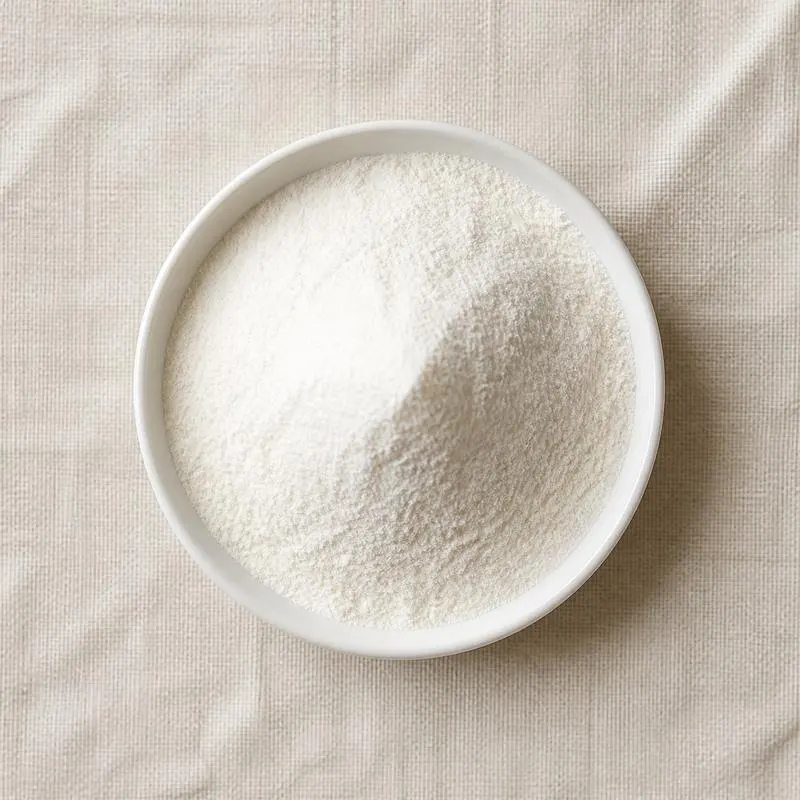
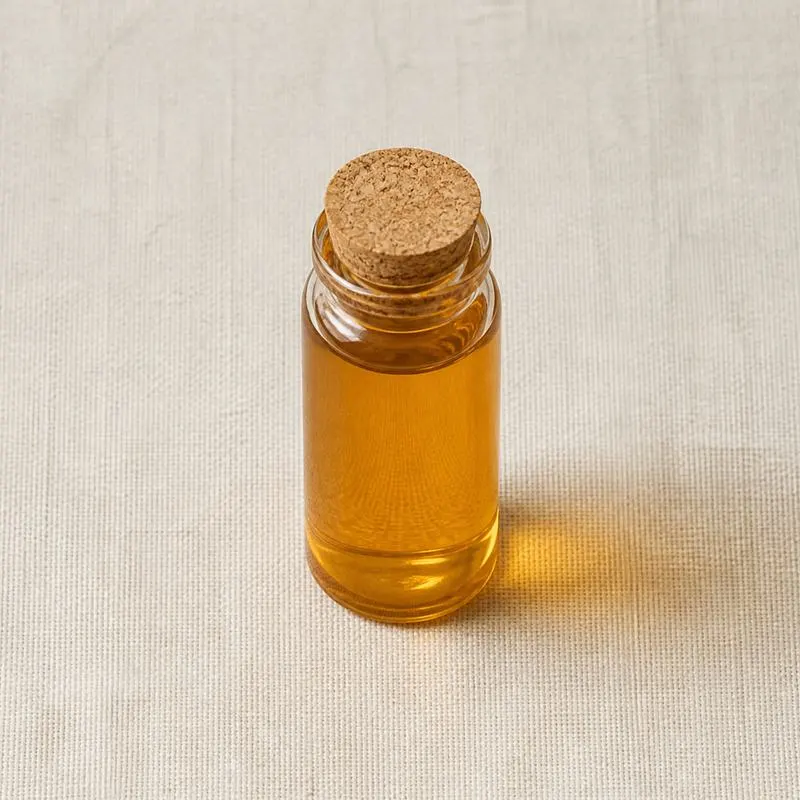
The trade takes it as a viscous paste, a clear or oil based liquid, and a spray dried powder on maltodextrin, salt or starch. Paste grades hold the most reaction character but need warm handling. Powder grades disperse in dry blends and tolerate long storage, though the lightest top notes are lost in drying unless the flavour is encapsulated.
We source bulk Chicken Essence from top China manufacturers for our partners. The manufacturers are in Shandong and Zhejiang. A smaller requirement can ship in a combined container with other ingredients.
Please send the grade you need, the volume and your destination port, and we will come back with a solution and a price.
or call +86-21-6858 0751
- Function
- Flavours and Aromas
Specifications
| Item | Specification |
|---|---|
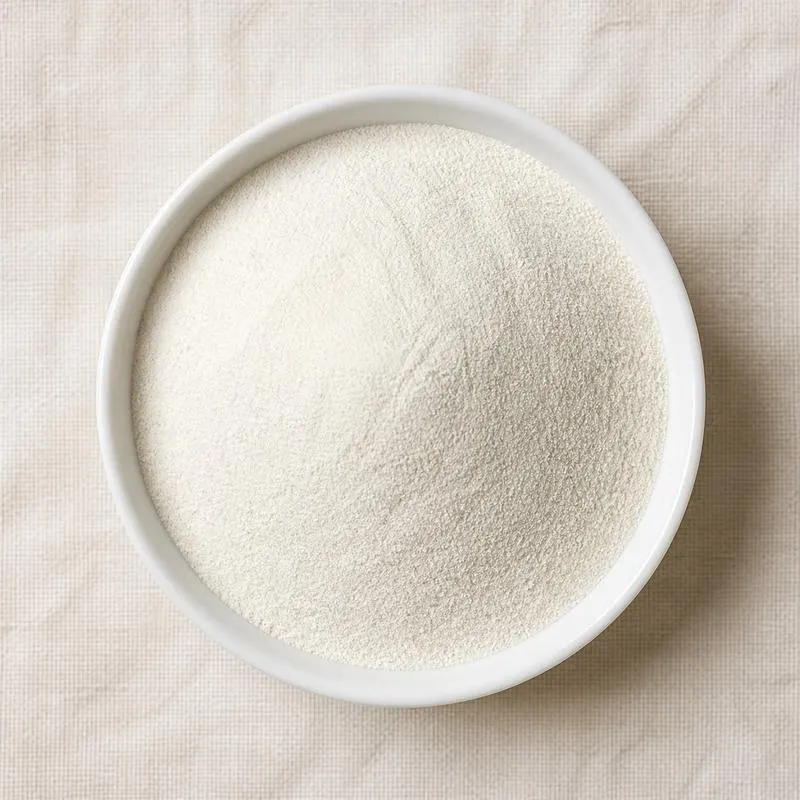
| Appearance | Free flowing pale yellow to light brown powder |
| Odour and Taste | Characteristic cooked chicken, no scorched or rancid note |
| Moisture | Not more than 5.0% |
| Total Nitrogen | Not less than 3.0% |
| Sodium Chloride | Not more than 40.0% |
| pH, 1% Solution | 5.0 to 6.8 |
| Particle Size | Not less than 95% through 40 mesh |
| Lead | Not more than 1.0 mg/kg |
| Arsenic | Not more than 0.5 mg/kg |
| Total Plate Count | Not more than 10,000 cfu/g |
| Yeast and Mould | Not more than 100 cfu/g |
| E. coli | Absent in 1 g |
| Salmonella | Absent in 25 g |
Common Markets Grades
Grades divide first by physical form and then by strength. Reaction pastes are the most concentrated and are used where a soup or sauce is cooked after dosing. Water soluble liquids suit clear broths and injection brines, while oil based liquids are used in fried products and in seasoning oils. Spray dried powders are the volume grade for instant noodle sachets and dry bouillon.
A second distinction is compositional. Grades built on chicken meat and bone hydrolysate can be declared as natural flavour and carry a real poultry content, while grades built on hydrolysed vegetable protein and yeast extract with added aroma chemicals are cheaper and vegetarian in composition even though the profile is meaty. Halal certified grades avoid porcine fat and enzymes, and low sodium grades replace the salt carrier with maltodextrin.
Applications
- Instant noodle soup sachets and seasoning oils, the largest single outlet for the powder and oil grades
- Bouillon cubes and granulated stock, where the reaction flavour replaces long simmered broth
- Retort and canned soups, where a paste grade is dosed before sterilisation so the flavour develops through the heat step
- Marinades and injection brines for poultry portions, adding roast character to meat cooked by steam or hot air
- Savoury snack seasonings, applied as a powder in the tumble drum with salt and spices
- Plant based meat analogues, which have no meat flavour of their own and rely on reaction flavours for identity
- Frozen dumpling and spring roll fillings, where a small dose lifts a diluted meat content
- Hot pot and stir fry sauce bases, using oil grades that carry into the fat phase
- Pet food palatants, where poultry reaction flavours drive first bite acceptance
China Manufacturers of Chicken Essence
Top Chicken Essence manufacturers in China.
 Shandong GeRui Food Ingredients Co., Ltd.6 ingredients in the directory
- Zhejiang Dingwei Food Co., Ltd.2 ingredients in the directory
Company names and logos are the property of the manufacturers themselves. They are listed here because our own directory records them as producing this ingredient. A listing is not an endorsement by them, and we do not represent them or speak on their behalf.
Regulatory Status
Thermal process flavourings are a defined category in European Union flavouring law, which sets the conditions under which the reaction may be carried out, including limits on reaction temperature and time and a requirement that the starting materials be food grade. Flavouring substances added after the reaction must appear on the Union list of authorised flavouring substances. No E number applies, since flavourings are not food additives.
In the United States the reaction flavour and its added components are handled as generally recognised as safe flavouring materials, mostly through the FEMA GRAS programme, and the hydrolysates are subject to the same controls as other protein hydrolysates used in food. Codex addresses flavouring substances individually through JECFA evaluation rather than assessing finished reaction flavours. Grades built on wheat or soya hydrolysate carry the corresponding allergen declaration.
Manufacturing Process
Production starts from a protein hydrolysate. Chicken meat, skin and bone are cooked and then broken down with proteases to give a peptide and amino acid rich liquor, or hydrolysed vegetable protein and yeast extract are used where a meat free composition is required. The hydrolysate is blended with reducing sugars such as xylose and glucose, with cysteine and thiamine as sulphur donors, and the pH is set to the range that favours the target reaction path.
The blend is heated in a jacketed pressure reactor, typically between one hundred and one hundred and twenty degrees for thirty to ninety minutes, with the time and temperature profile controlling how far the reaction runs toward roasted rather than brothy character. The reaction mass is cooled quickly to stop further browning, adjusted for pH and salt, then blended with rendered chicken fat and top note aroma chemicals. Liquid grades are homogenised and filtered at this point. Powder grades are emulsified with a carrier and spray dried, and may be fluid bed agglomerated to improve dispersion.