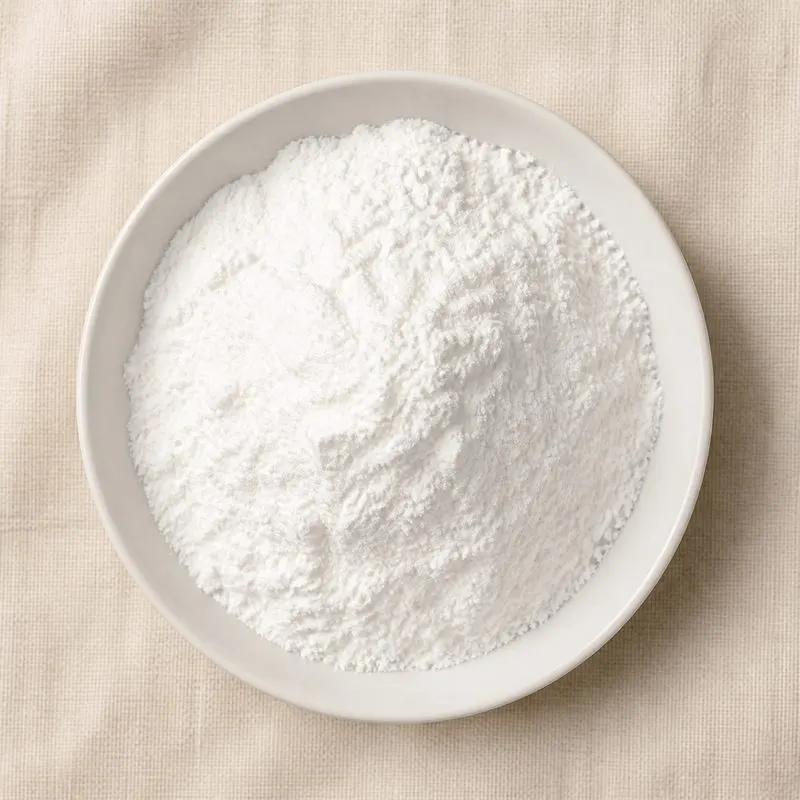
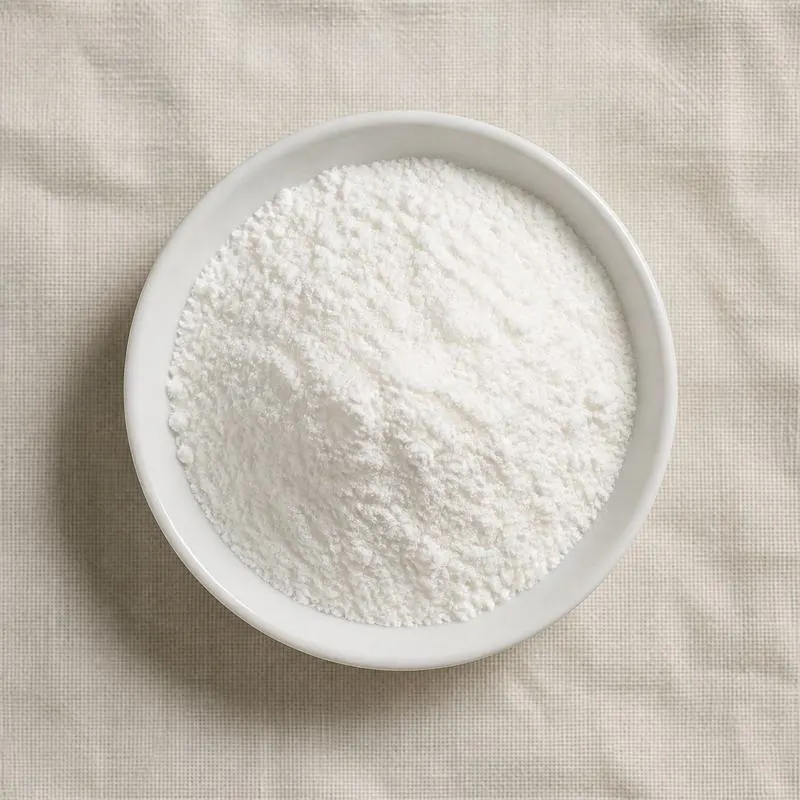
Chickpea Starch
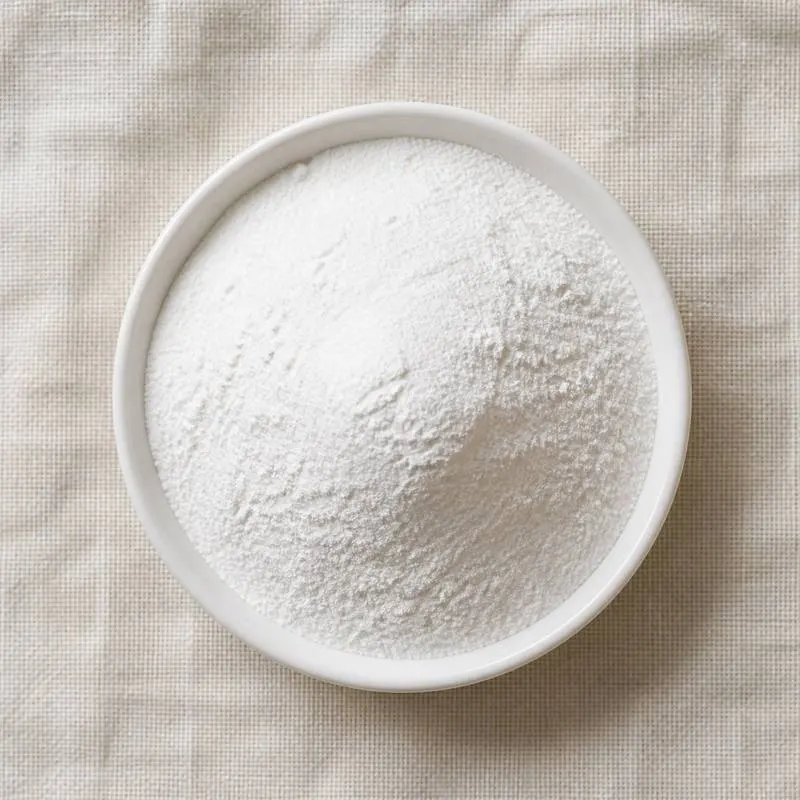
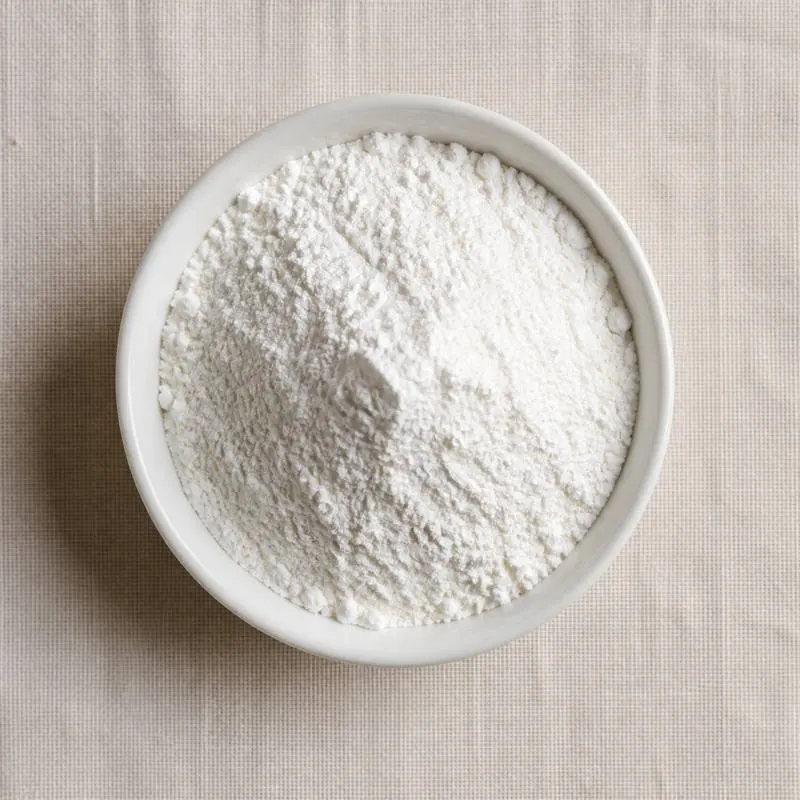
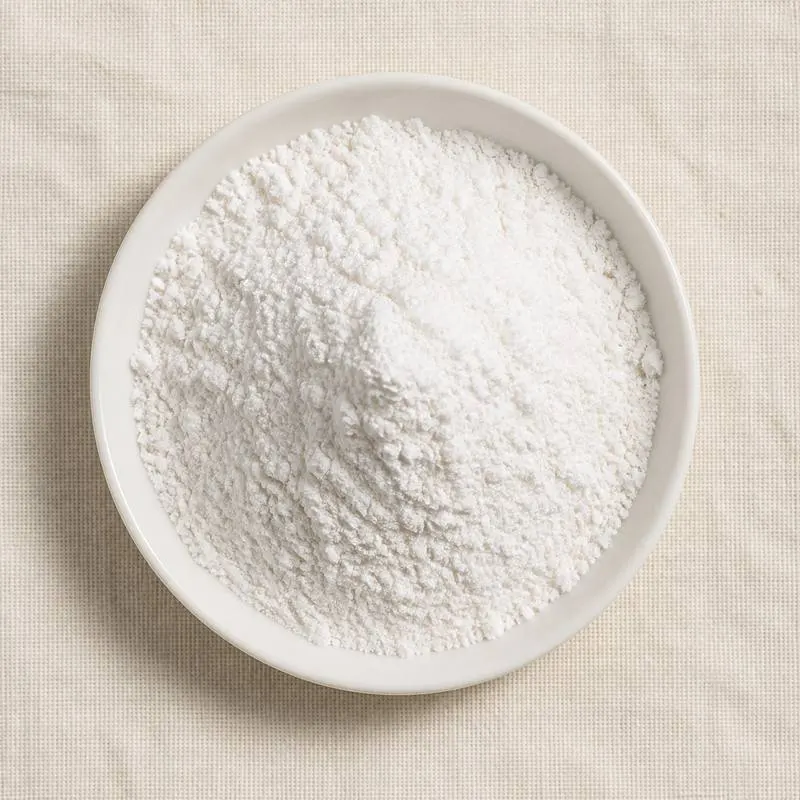
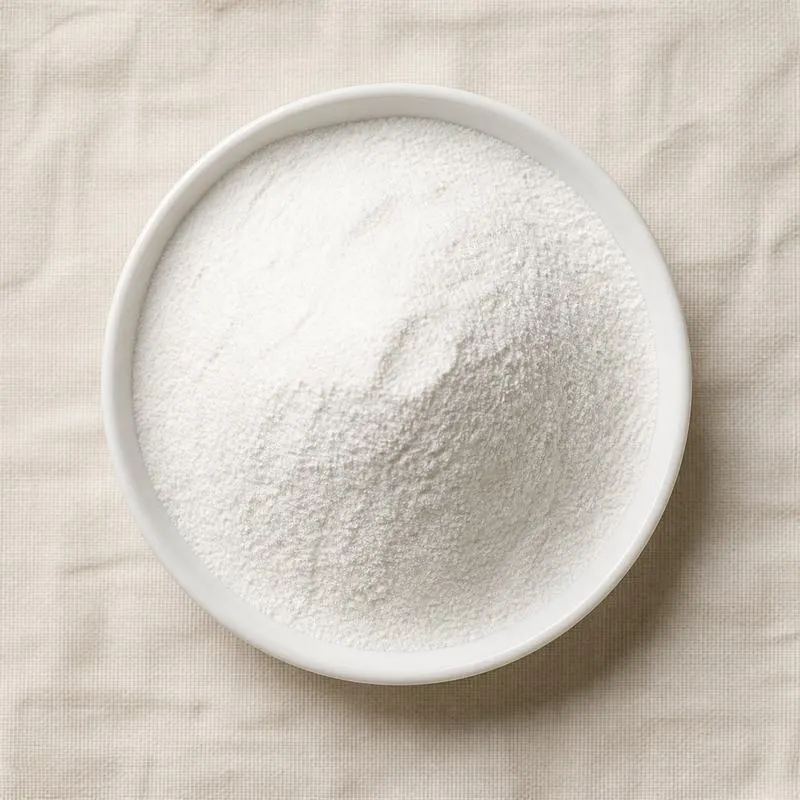
Chickpea Starch is the starch fraction recovered from chickpea (Cicer arietinum) seeds, typically as a co-product of pulse protein isolate manufacture.
It is a naturally gluten-free starch with a higher amylose content than most cereal starches, giving it firm gel structure and pronounced resistant-starch behaviour.
We source bulk Chickpea Starch from top China manufacturers for our partners. The manufacturer is in Shandong. A smaller requirement can ship in a combined container with other ingredients.
Please send the grade you need, the volume and your destination port, and we will come back with a solution and a price.
or call +86-21-6858 0751
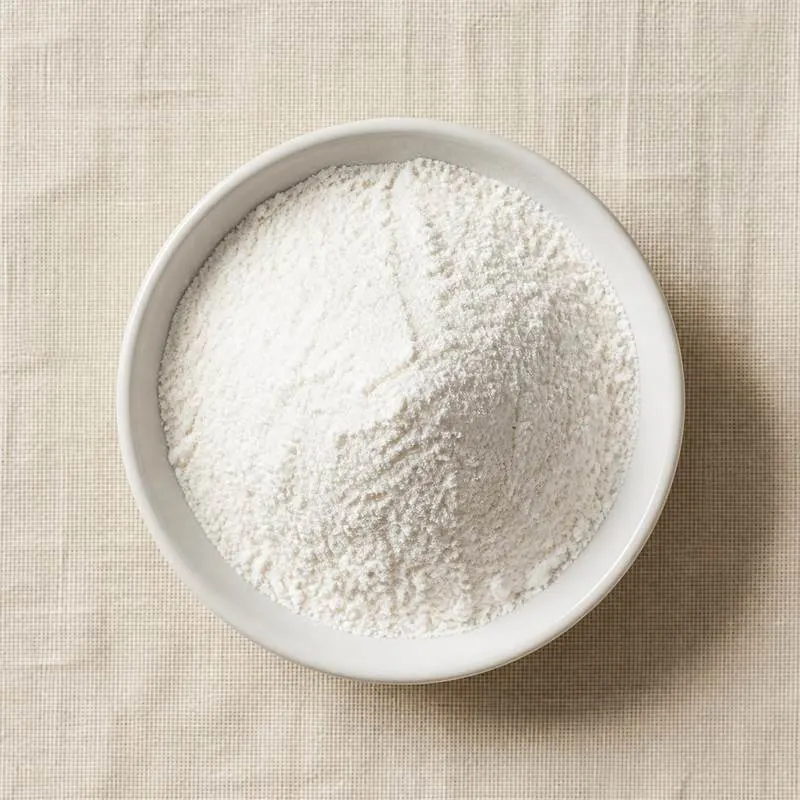
- Packaging
- 25 kg kraft paper bag with PE inner liner
- ISO 9001
- HACCP
- Halal
- Kosher
Specifications
| Item | Specification |
|---|---|
| Appearance | White to slightly cream free-flowing powder |
| Moisture | ≤ 14.0% |
| Ash (dry basis) | ≤ 0.50% |
| Protein (dry basis) | ≤ 1.0% |
| Fat (dry basis) | ≤ 0.30% |
| pH (10% slurry) | 5.5 to 7.5 |
| Brabender peak viscosity (6%) | 350 to 500 BU |
| Amylose content | 30% to 35% |
| Particle size | ≥ 95% through 100 mesh |
| Lead | ≤ 0.5 mg/kg |
| Arsenic | ≤ 0.5 mg/kg |
| Total plate count | ≤ 10,000 cfu/g |
| Yeast and mold | ≤ 100 cfu/g |
| E. coli | Negative in 5 g |
| Salmonella | Negative in 25 g |
| Source | Cicer arietinum (chickpea) seed |
Common Markets Grades
Chickpea Starch comes in food and specialty grades.
Native food-grade powder contains roughly 30 to 35 percent amylose and 65 to 70 percent amylopectin, with moisture below 13 percent and a slightly off-white colour.
Refined and washed grades carry low residual protein for clean-flavour applications in noodles, snacks, and gluten-free bakery.
Resistant-starch enriched grades are processed by controlled hydrothermal treatment to raise the resistant starch (type RS3) fraction for digestive-health positioning.
Pulse blends combining chickpea, pea, and fava starches are produced for formulators targeting clean-label, allergen-friendly thickening systems.
Applications
- Gluten-free bakery: bread, muffins, cookies, and crackers
- Noodles and pasta in pulse-based and gluten-free systems
- Snack extrusion for puffs, chips, and savory crackers
- Sauces, dressings, and soups as a clean-label thickener
- Plant-based meat analogs for texture, binding, and water-holding capacity
- Batter and coating systems for fried snack and seafood applications
- Resistant-starch fortification for digestive health positioning
- Gluten-free flatbreads, tortillas, and crepes
- Confectionery jelly and pastille molding starch
China Manufacturers of Chickpea Starch
Top Chickpea Starch manufacturers in China.

Company names and logos are the property of the manufacturers themselves. They are listed here because our own directory records them as producing this ingredient. A listing is not an endorsement by them, and we do not represent them or speak on their behalf.
How We Help Source Chickpea Starch
Direct Factory Sourcing
We run the whole process: selecting the manufacturer from the top Chinese food ingredient producers, negotiating the price, verifying quality, and coordinating the logistics. You deal with us instead of with several factories at once.
Original Packaging and Documents from the Manufacturer
The manufacturer sends your Chickpea Starch out of its own factory in the original packing, through to your destination port. The COA, COO, MSDS, TDS and any certifications reach you from the manufacturer as well.
Free Samples and Lead Time
We send 100 to 500 g free for your own laboratory to test and you cover only the courier, usually within 2 to 3 working days. ETD is usually within 7 to 15 days once the order is confirmed, and we check that date against the factory's own manufacturing schedule before we give it to you.
Combined Shipment
We can load Chickpea Starch together with other ingredients such as Modified Starch, Corn Starch and Pea Starch into one 20' FCL. If your quantity is small, we can also ship LCL.
Regulatory Status
Chickpea Starch is a food ingredient rather than a regulated additive. It does not carry an E number.
The U.S. FDA recognises chickpea-derived ingredients as ordinary food. The EU treats pulse-based starches under standard food law.
Pulse starches are free of the major regulated allergens in the United States system, though the EU lists lupin as an allergen and some markets require labelling of legume sources. Chickpea is not currently a top-priority allergen in either system.
Halal and Kosher certifications are routinely available. Non-GMO is the default position because chickpea is not commercially produced as a genetically modified crop.
Manufacturing Process
Chickpea Starch is generally recovered as a co-product of pulse protein isolate manufacture.
Dehulled chickpea flour is dispersed in water at controlled pH. The protein fraction is solubilised at alkaline pH and separated from the insoluble starch and fibre by centrifugation.
The starch-rich underflow is washed with water, screened to remove fibre, and dewatered. Multiple wash steps reduce residual protein, colour, and characteristic legume flavour.
The washed starch is flash-dried to specification moisture and milled to a free-flowing powder. The recovered protein phase is processed in parallel into chickpea protein isolate, the higher-value co-product that drives plant economics.
Production sites are concentrated in Canada, the European Union, India, and Turkey, generally tied to large pulse protein operations that have come on stream over the past decade.