Chilli Oleoresin Seasoning Oil
Chilo oil resin flavouring is a trade description for a chilli oleoresin based seasoning oil, an oil phase flavouring in which capsicum oleoresin is dissolved in an edible oil, usually together with aroma components and sometimes with infused spice notes. It delivers chilli heat, red colour and fried chilli aroma in a single pumpable liquid rather than as a dry particulate spice.
The oil carrier is functional rather than incidental. Capsaicinoids and carotenoids are both lipid soluble, so an oil phase dissolves them completely and distributes them evenly, and the same oil carries the aroma compounds released when chilli is heated in fat. Because the capsaicinoids are non volatile and heat stable, the heat delivered survives frying, baking and retort sterilisation, while the colour and aroma fractions are the parts that fade with light, oxygen and prolonged heat.
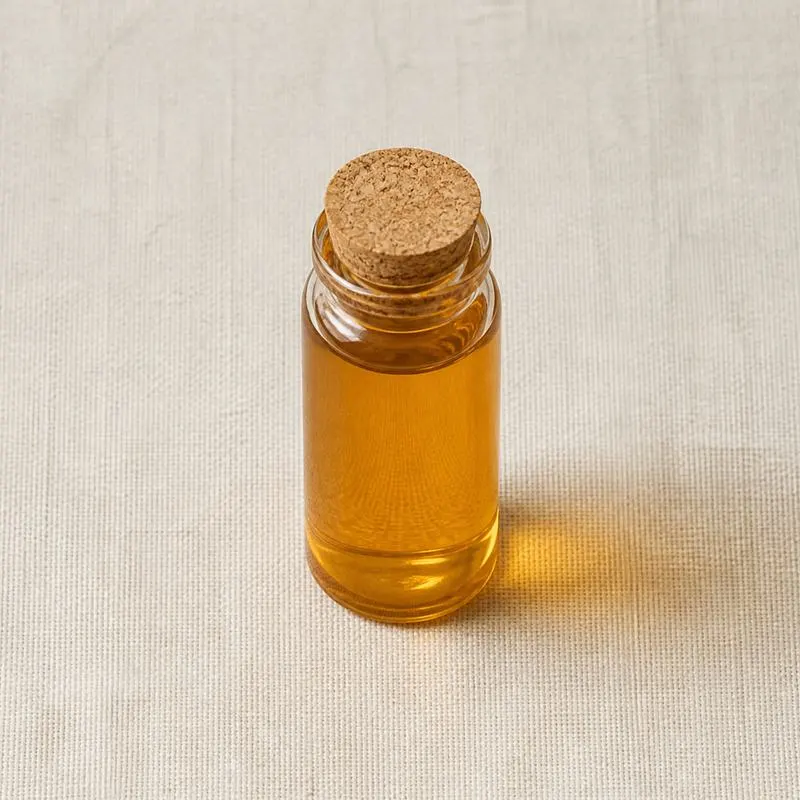
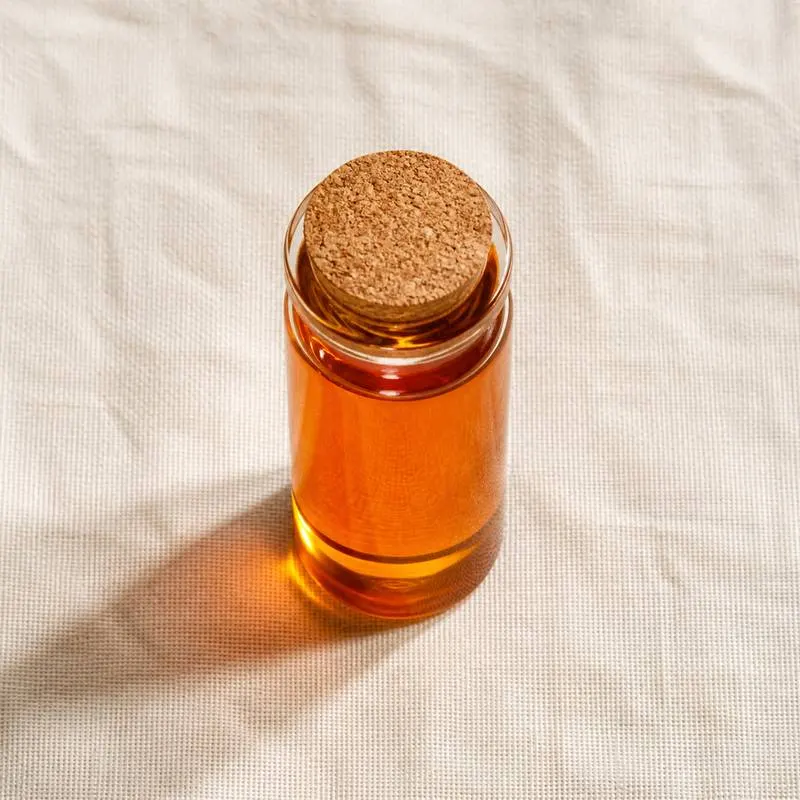
The product is a clear red to deep red oil, viscosity following the base oil used, insoluble in water and miscible with fats and other oils. It is dosed by weight or by pump as a percentage of the finished formulation, and its pungency is declared in Scoville heat units so that a processor can dose to a target. Antioxidant protection and packing under nitrogen extend its life, since both the oil and the pigment oxidise.
We source bulk Chilli Oleoresin Seasoning Oil from top China manufacturers for our partners. The manufacturer is in Hebei. A smaller requirement can ship in a combined container with other ingredients.
Please send the grade you need, the volume and your destination port, and we will come back with a solution and a price.
or call +86-21-6858 0751
- Function
- Flavours and Aromas
Specifications
| Item | Specification |
|---|---|
| Appearance | Clear red to deep red oil, free from sediment and suspended matter |
| Odour and taste | Characteristic chilli, pungent, matching retained sensory standard |
| Pungency | To declared Scoville heat units |
| Total capsaicinoids | To declared value consistent with the pungency claim |
| Colour value | To declared ASTA units |
| Base oil | As declared, refined edible vegetable oil |
| Free fatty acid as oleic acid | 0.2 percent maximum |
| Peroxide value | 3.0 milliequivalent oxygen per kg maximum |
| Moisture | 0.2 percent maximum |
| Residual hexane in oleoresin component | 25 mg per kg maximum |
| Specific gravity at 25 degrees Celsius | Within agreed range for the grade |
| Lead | 1 mg per kg maximum |
| Arsenic | 0.5 mg per kg maximum |
| Total plate count | 1000 cfu per gram maximum |
| Salmonella | Absent in 25 grams |
Common Markets Grades
Grades are set by declared pungency, running from mild seasoning oils to concentrated preparations intended for dilution, and by colour value in ASTA units, with the two adjusted independently by blending oleoresin lots and adding paprika extract for colour. The base oil is the third variable: soybean, rapeseed and sunflower oil are used where cost decides, medium chain triglyceride and high oleic oils where oxidative stability matters, and sesame or rendered animal fat where the base oil is meant to contribute flavour of its own.
Beyond the plain preparation, the market covers infused styles in which the oil has been heated with chilli flakes, Sichuan pepper, garlic, onion or ginger so that it carries a cooked aromatic profile, and clear filtered styles that leave no particulate. Water dispersible versions are emulsified with polysorbate for aqueous systems, and spray dried or plated powders are produced for dry seasoning blends. Natural grades restrict the aroma contribution to extracts and natural flavouring preparations, while standard grades use synthesised aroma chemicals. Antioxidant treated grades carry tocopherols or rosemary extract, and organic and non genetically modified lines depend on the base oil supply.
Applications
- Chilli oil and chilli crisp production, as the standardised heat and colour component of the finished oil
- Instant noodle oil sachets, dosed to a defined Scoville level so every pack tastes the same
- Hot pot and braising bases, where the oil phase carries both heat and colour into the broth
- Snack seasoning slurries, blended with the coating oil so the dry seasoning adheres and the heat spreads evenly
- Processed meat and sausage manufacture, supplying pungency without adding moisture
- Sauces, dressings and mayonnaise, where an oil borne flavour partitions naturally into the fat phase
- Retort and canned dishes, since the capsaicinoids survive sterilisation unchanged
- Coating and frying oils in foodservice, blended with neutral oil to a working strength
- Ready meals and frozen dishes, dosed into the sauce or drizzled before packing
- Pet food palatants and coating oils
China Manufacturers of Chilli Oleoresin Seasoning Oil
Top Chilli Oleoresin Seasoning Oil manufacturers in China.
Company names and logos are the property of the manufacturers themselves. They are listed here because our own directory records them as producing this ingredient. A listing is not an endorsement by them, and we do not represent them or speak on their behalf.
Regulatory Status
In the United States capsicum oleoresin is a spice extractive that is generally recognised as safe for flavour use and appears in the listing of essential oils, oleoresins and natural extractives at 21 CFR 182.20, while 21 CFR 73.345 lists paprika and paprika oleoresin used for colour as colour additives exempt from certification, and they must be declared as colour where used for that purpose. The base oil is a food ingredient, any antioxidant must be permitted and declared, and extraction solvent residues in the oleoresin are controlled under the requirements for solvent extracted food ingredients.
In the European Union the preparation is a flavouring under the flavourings regulation where its purpose is flavour, so it carries no E number and any flavouring substances present must appear on the Union list of authorised flavouring substances. Where the same extract is used to colour, paprika extract is the authorised additive E 160c with uses set by food category. Antioxidants added to the oil must be permitted for the category and declared by function and E number, and extraction solvents are restricted to those listed in the solvents legislation with residue limits for each. Codex covers flavourings through its guidelines on their use and lists paprika oleoresin among the colours in the general standard for food additives.
Manufacturing Process
The pungent base is capsicum oleoresin, produced separately by cleaning and flaking dried chilli pods, extracting them countercurrently with a food grade solvent or with supercritical carbon dioxide, concentrating the miscella, stripping the solvent under vacuum in a thin film evaporator, and winterising and filtering the extract. That oleoresin arrives at the blending plant with a declared capsaicinoid assay and colour value.
Blending is carried out in a jacketed stainless steel vessel. Refined base oil is charged and warmed enough to reduce the viscosity of the oleoresin, which is then dosed in under agitation until fully dissolved, followed by paprika extract for colour adjustment, aroma components and antioxidant. Where an infused style is required, a separate step precedes this: chilli flakes and aromatics are heated in the oil at a controlled temperature and time, long enough to develop the fried aroma without scorching, and the solids are then filtered or centrifuged out. The blend is standardised against the declared Scoville and ASTA figures, polished through a filter so that the oil packs bright, and filled under nitrogen into lined drums, intermediate bulk containers or pails. Lots are released against capsaicinoid assay, colour value, peroxide value, free fatty acid and sensory match to a retained standard.