Chinese Yam Dietary Fibre
Chinese yam dietary fibre is the fibre fraction of the tuber of Dioscorea opposita Thunb., known in Chinese medicine and cookery as shan yao. The tuber is predominantly starch, so the fibre is recovered as the residue left after the starch has been separated, or by drying and milling the peel and the outer flesh where the whole tuber is used. It consists of cellulose, hemicellulose and pectic substances, together with the mucilaginous polysaccharide fraction that gives fresh Chinese yam its characteristic slippery texture.
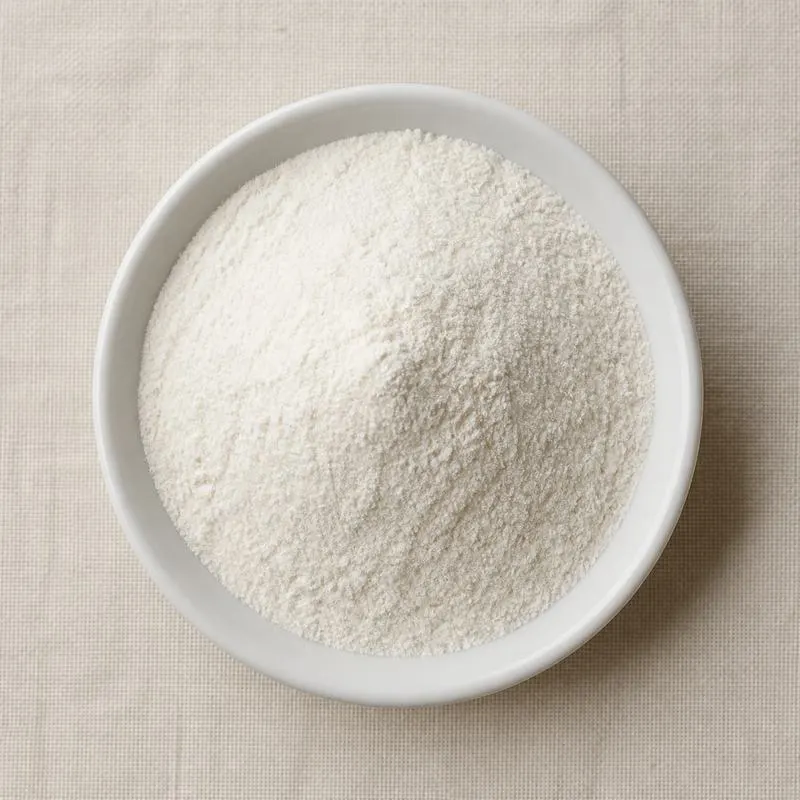
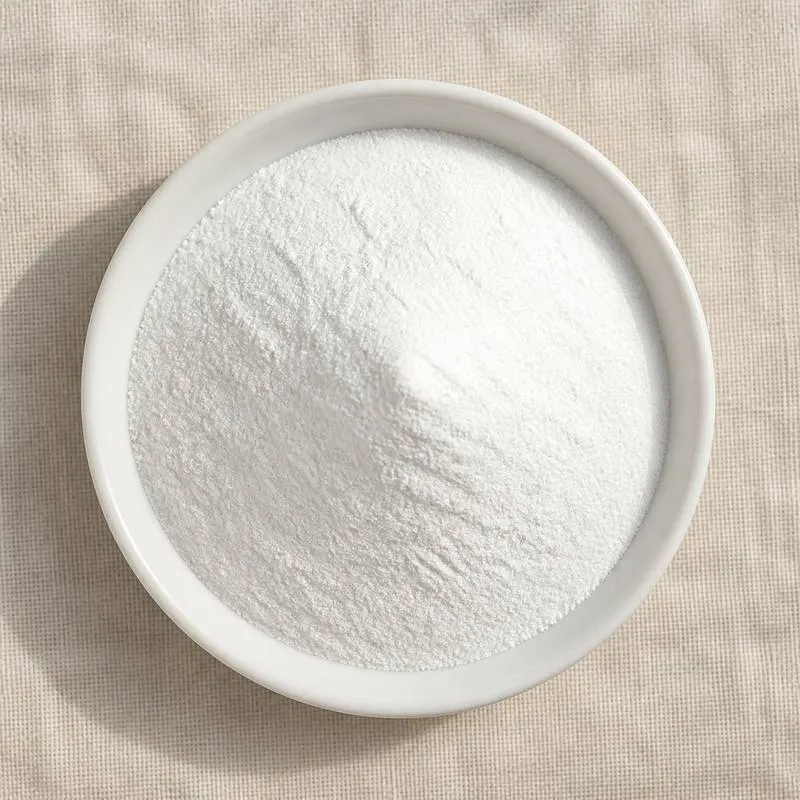
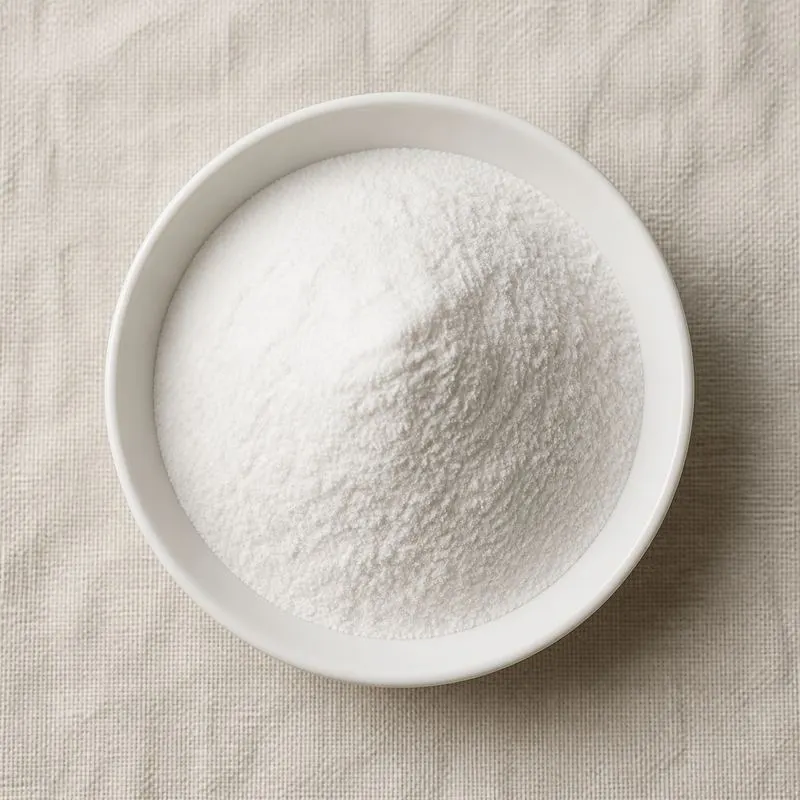
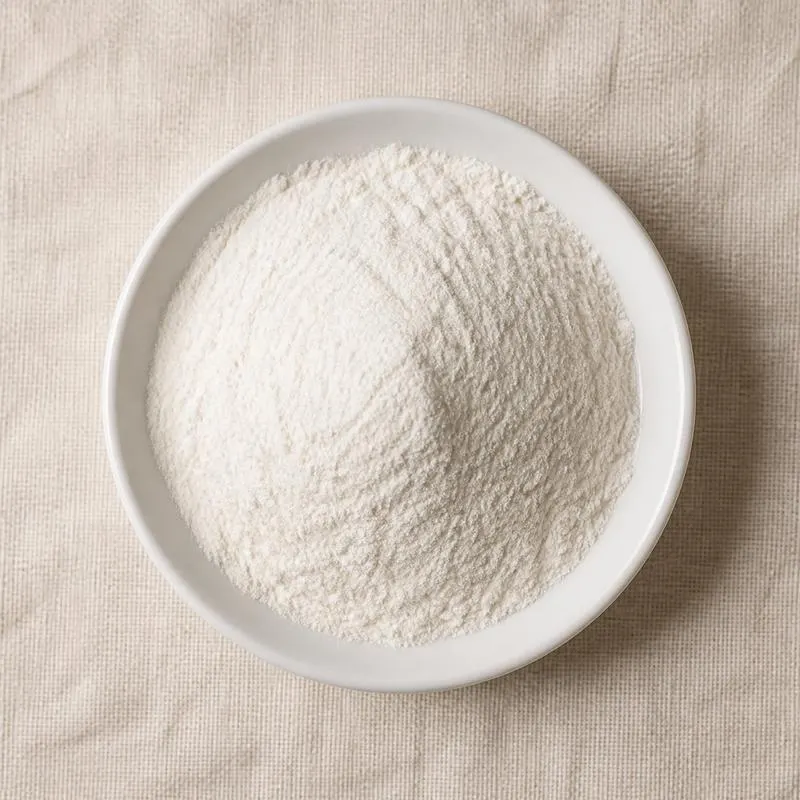
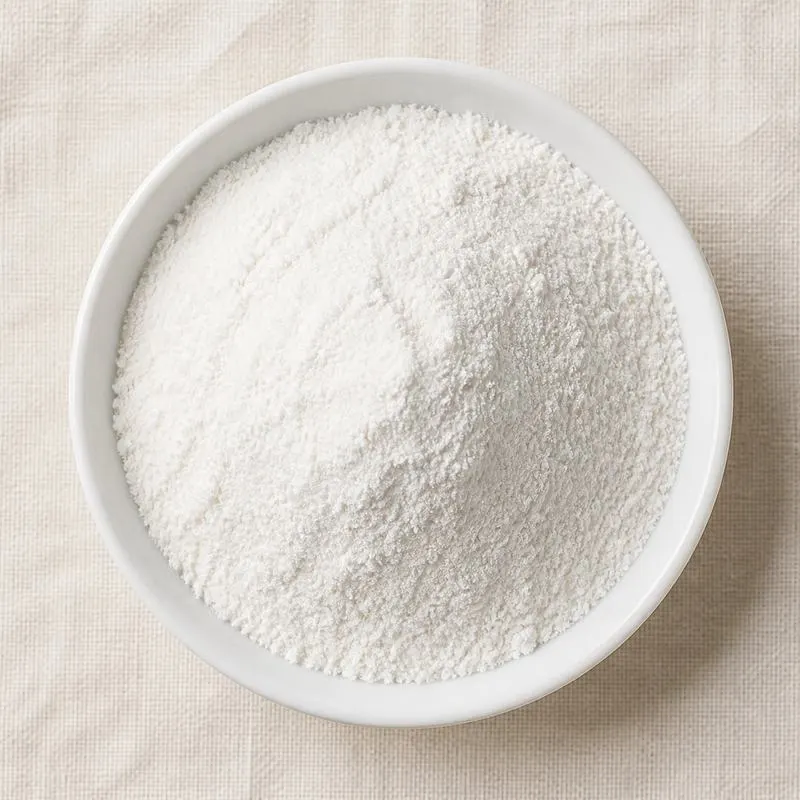
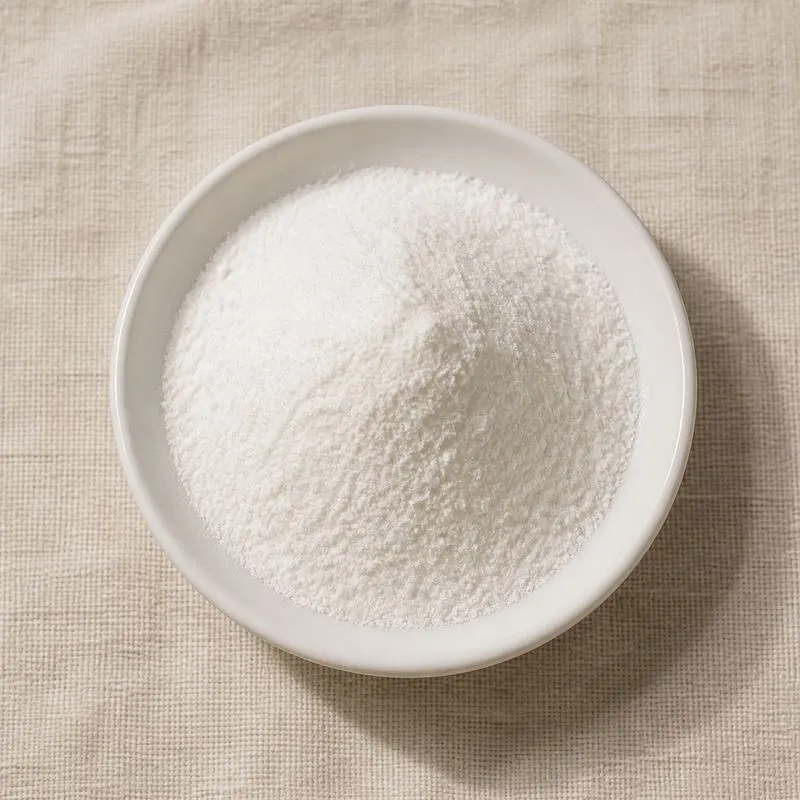
The powder is off-white to pale cream with a faint earthy odour. Total dietary fibre normally runs 60 to 85 per cent on a dry basis, with the balance made up of residual starch, protein and minerals. Most of the fibre is insoluble, but the mucilage contributes a soluble fraction, commonly 5 to 15 per cent of the total, and it is this fraction that separates Chinese yam fibre from ordinary root and tuber fibres.
Functionally the material behaves as an insoluble bulking fibre with an unusually high water holding capacity, since the mucilaginous polysaccharide hydrates strongly and gives dispersions a soft, slightly viscous body rather than the gritty suspension typical of cereal brans. It is stable to heat and to the pH range encountered in food, and it does not gel.
We source bulk Chinese Yam Dietary Fibre from top China manufacturers for our partners. The manufacturer is in Henan. A smaller requirement can ship in a combined container with other ingredients.
Please send the grade you need, the volume and your destination port, and we will come back with a solution and a price.
or call +86-21-6858 0751
- Function
- Dietary Fibres
Specifications
| Item | Specification |
|---|---|
| Appearance | Off-white to pale cream fine powder |
| Total Dietary Fibre | Not less than 60.0 per cent on dry basis |
| Soluble Dietary Fibre | Not less than 5.0 per cent |
| Protein | Not more than 8.0 per cent |
| Moisture | Not more than 8.0 per cent |
| Ash | Not more than 5.0 per cent |
| pH of 1 per cent suspension | 5.5 to 7.0 |
| Lead | Not more than 0.5 mg/kg |
| Arsenic | Not more than 0.5 mg/kg |
| Cadmium | Not more than 0.2 mg/kg |
| Total Plate Count | Not more than 10000 cfu/g |
| Yeast and Mould | Not more than 100 cfu/g |
| Escherichia coli | Absent in 1 g |
| Salmonella | Absent in 25 g |
Common Markets Grades
Grades are set by fibre content and by particle size. Standard grades at 60 to 70 per cent total dietary fibre are made from washed starch residue and retain more starch, which suits bakery and extruded applications. High-fibre grades above 80 per cent take additional enzymatic starch removal and are used where the label declaration is the objective. Particle size options run from 60 mesh through 100 mesh general purpose material to superfine grades below 200 mesh for beverages and dairy.
Colour is the other trade variable, since Chinese yam browns readily on cutting through polyphenol oxidase activity, and pale grades require rapid blanching or acidification before drying. Food grade is the standard product. Material intended for traditional health food and supplement use is often specified additionally on polysaccharide content, determined as a total polysaccharide figure rather than as a single characterised molecule, and organic-certified lots are produced where the tuber supply qualifies.
Applications
- Health food powders and instant drink sachets, where Chinese yam has a long standing traditional reputation in Asian markets
- Meal replacement and fibre supplement blends, contributing bulk with a soft mouthfeel
- Steamed buns, noodles and Chinese pastry, adding fibre while the mucilage improves dough moisture retention
- Bakery goods and biscuits, raising fibre content and slowing crumb firming
- Congee, soup bases and thickened savoury preparations, where a light body is wanted without added starch
- Yoghurt and fermented dairy, using superfine grades to add fibre without grittiness
- Meat products and analogues, binding water and reducing cook loss
- Infant and elderly nutrition products, where the soft texture on hydration is an advantage
- Pet food, as a palatable tuber-derived fibre source
China Manufacturers of Chinese Yam Dietary Fibre
Top Chinese Yam Dietary Fibre manufacturers in China.
Company names and logos are the property of the manufacturers themselves. They are listed here because our own directory records them as producing this ingredient. A listing is not an endorsement by them, and we do not represent them or speak on their behalf.
Regulatory Status
Chinese yam is a traditional food and medicinal material with a long history of consumption in East Asia, and the fibre derived from it is handled as a food ingredient rather than as an additive in the markets where that history exists. Outside those markets its status is less settled. In the European Union a preparation of Dioscorea opposita would need to be assessed against the novel food framework unless a history of significant consumption within the Union before the novel food cut-off date can be demonstrated, and that assessment depends on the specific preparation and its intended use, so the position should be confirmed before placing product on the EU market.
In the United States, yam and yam flour are used as conventional foods, and a fibre preparation would be marketed on the basis of a self-determination of generally recognised as safe status or as a dietary ingredient in supplements, with the Nutrition Facts dietary fibre declaration assessed against the Food and Drug Administration definition, under which isolated fibres require a demonstrated physiological benefit while intrinsic intact fibre from the food does not. Codex has no specific standard for the material and it is covered by the general provisions on contaminants and on nutrition labelling.
Manufacturing Process
Tubers are washed, trimmed and either peeled or used whole depending on the target grade. Because cut surfaces brown within minutes, the material is blanched in hot water or held in a mildly acidified solution immediately after cutting to deactivate polyphenol oxidase. The tuber is then rasped into a slurry and the starch is separated by washing over screens and by centrifugation or hydrocyclone, and the starch is recovered as a separate commercial product while the fibre remains as the retained solids.
The fibre cake is washed in counter current flow to remove residual starch, soluble sugars and any acid carried over from the browning control step. Where a high-fibre grade is required, a short treatment with alpha-amylase and glucoamylase hydrolyses the starch still bound in the fibre, and the sugars are washed out. The cake is dewatered on a decanter or press, dried in a flash or belt dryer at a temperature that avoids scorching, then milled and sieved to the target mesh. Finished material is blended across lots to a uniform fibre content and water holding capacity, and given a heat treatment where the microbial specification requires it.