Amylase
Amylase is the family of enzymes that hydrolyse the glycosidic bonds of starch, converting it into dextrins, maltose and glucose. Three activities dominate industrial use: alpha-amylase, an endo-acting enzyme that cuts internal alpha-1,4 bonds at random and collapses starch viscosity within minutes, beta-amylase, an exo-acting enzyme that releases maltose from non-reducing chain ends, and glucoamylase, which strips single glucose units and also attacks the alpha-1,6 branch points.
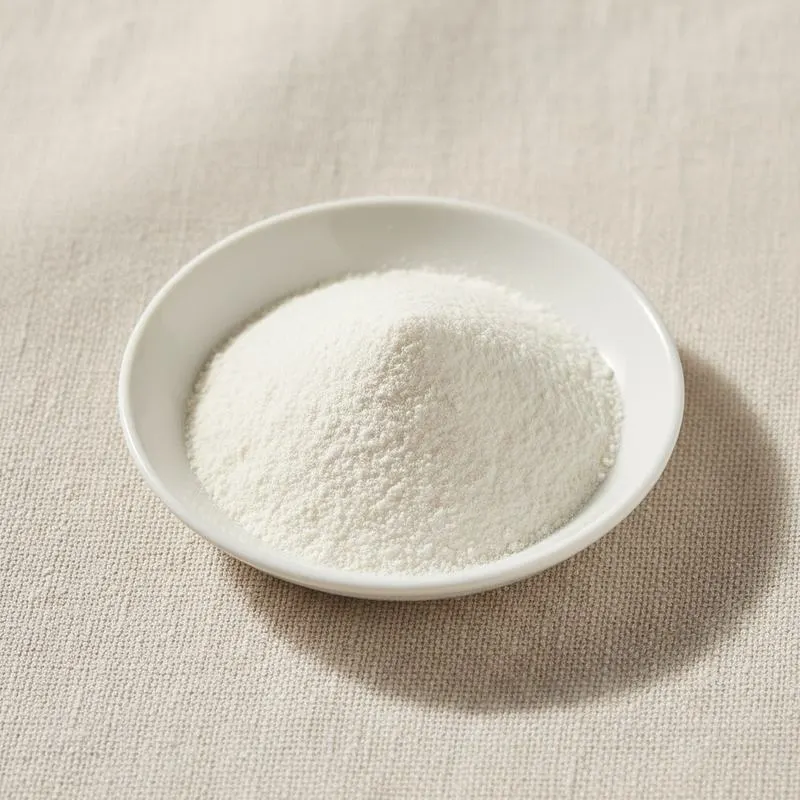
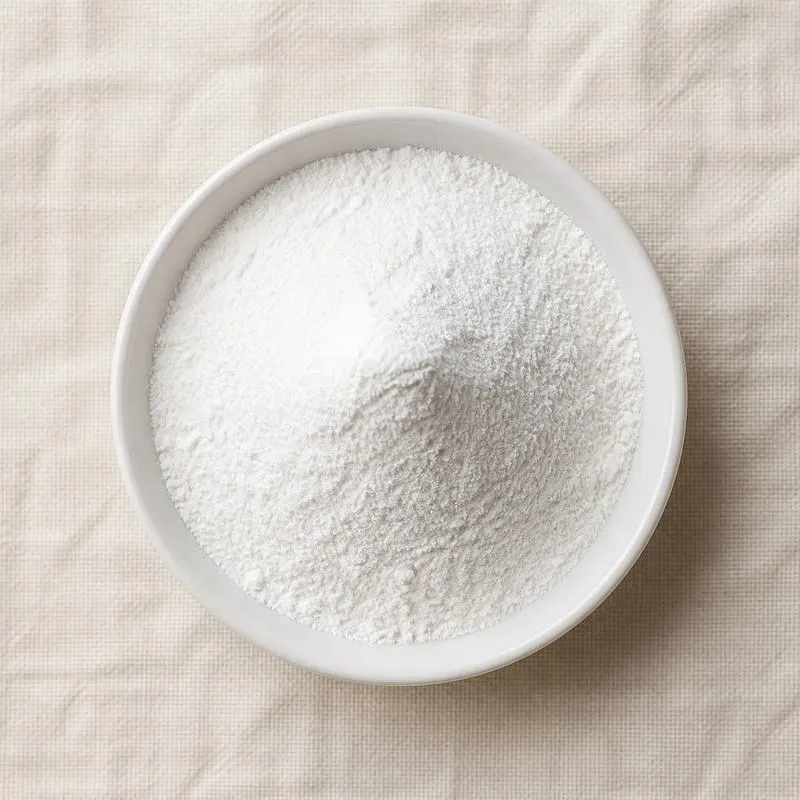
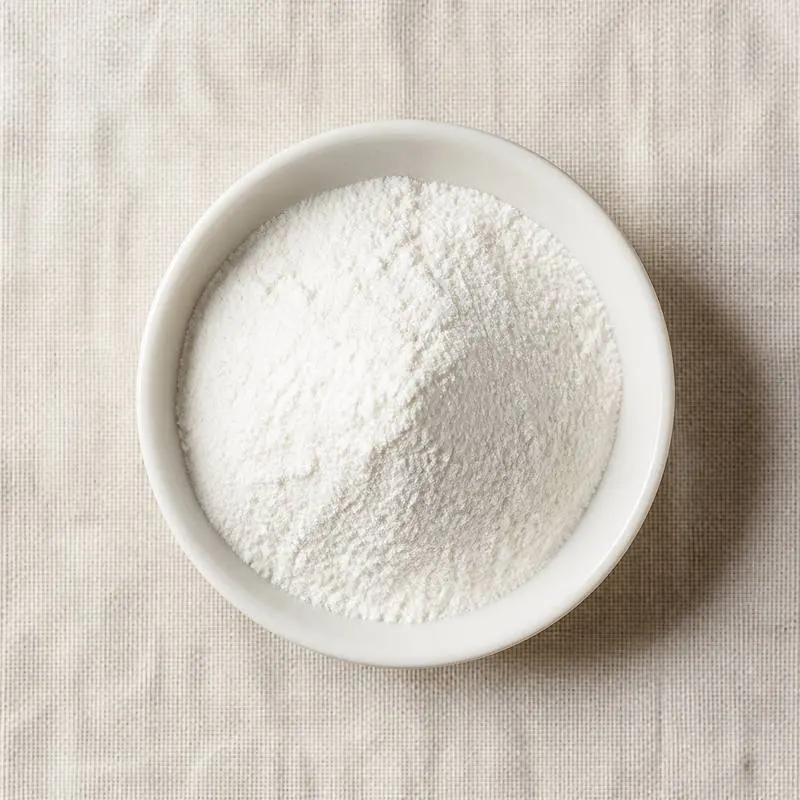
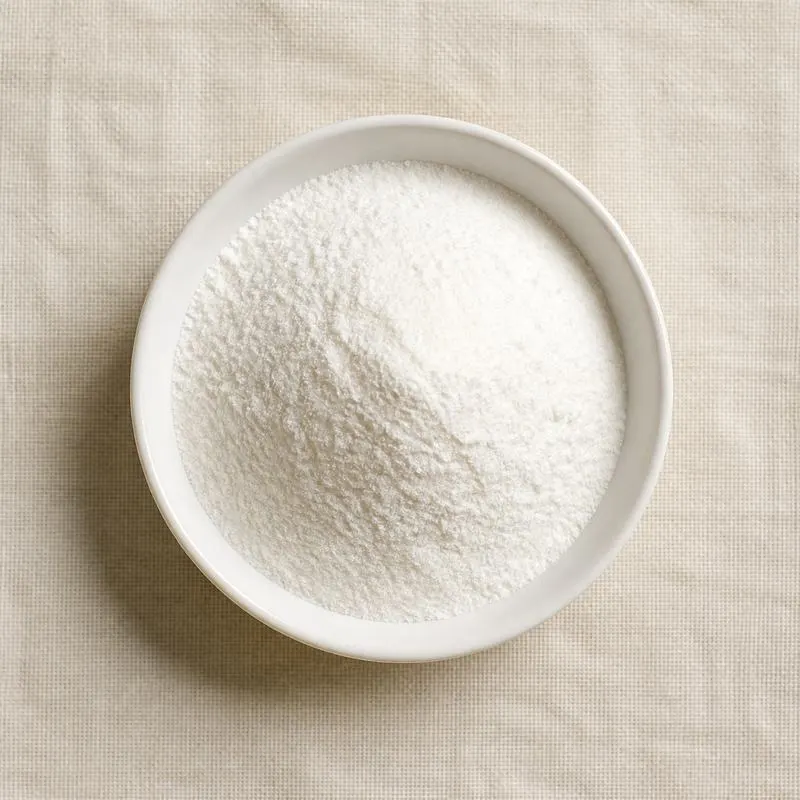
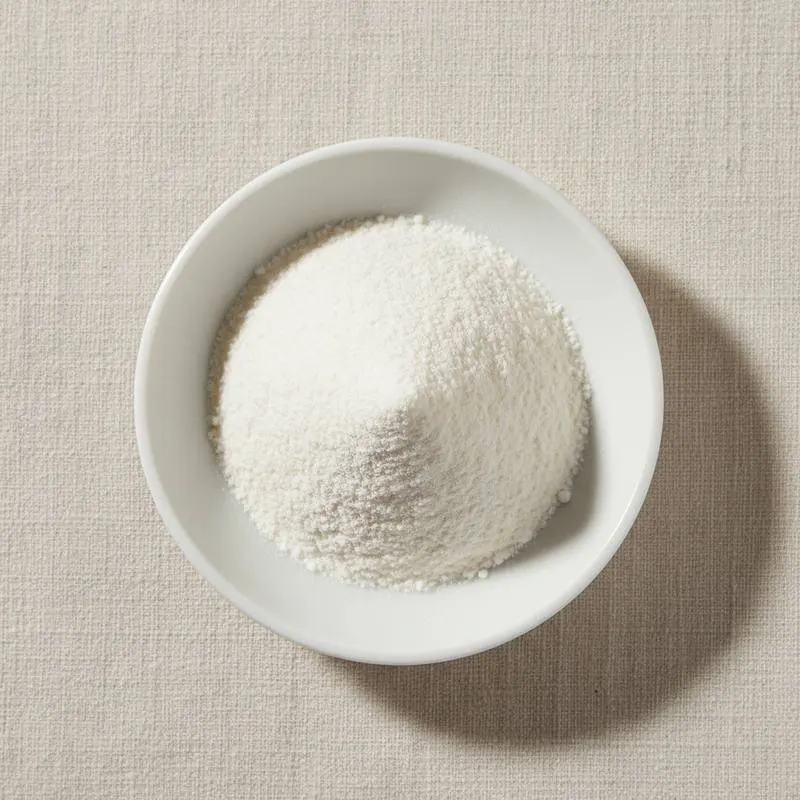
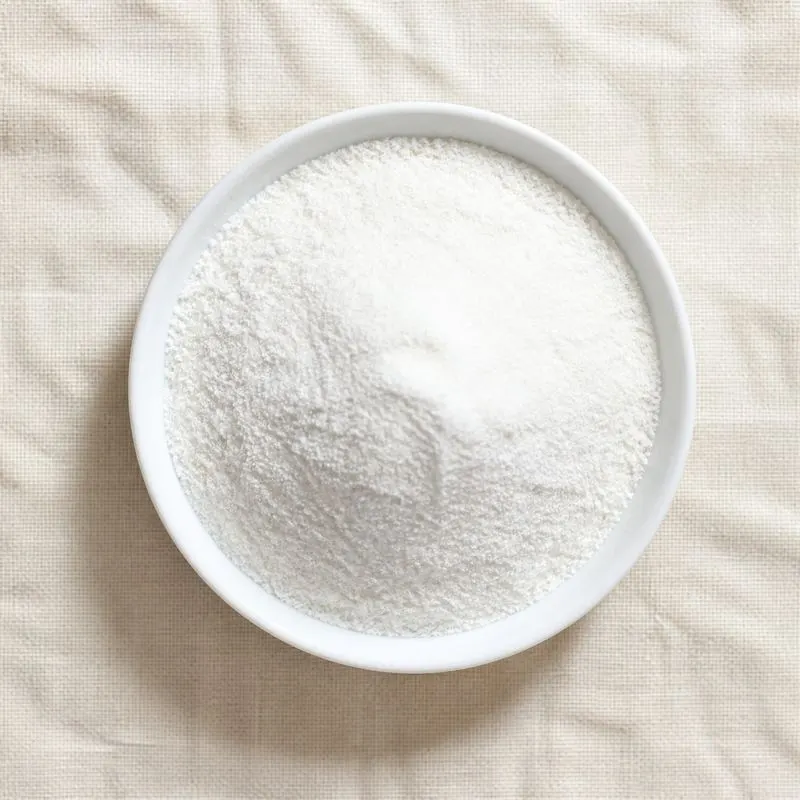
Food grade amylase is almost entirely microbial, produced from Bacillus and Aspergillus strains, with cereal and malt derived amylases still used in baking and brewing. It reaches buyers as a cream to light brown powder or granulate standardised with a carrier, and as amber liquid concentrate. Powders dissolve completely in water and are hygroscopic, so they are packed in lined drums and kept cool.
Activity depends sharply on temperature, pH and calcium. Bacterial alpha-amylases need a low level of calcium ion for structural stability and work between pH 5.5 and pH 7, fungal alpha-amylases prefer pH 4.5 to 5.5 and lose activity above about 60 degrees Celsius, and glucoamylase runs near pH 4.5 at 60 degrees Celsius. All grades are inactivated by a short hold at elevated temperature and low pH, which is the standard way to end a conversion step.
We source bulk Amylase from top China manufacturers for our partners. The manufacturer is in Guangdong. A smaller requirement can ship in a combined container with other ingredients.
Please send the grade you need, the volume and your destination port, and we will come back with a solution and a price.
or call +86-21-6858 0751
- Function
- Enzyme
Specifications
| Item | Specification |
|---|---|
| Appearance | Cream to light brown free-flowing powder |
| Declared Activity | 20,000 U/g minimum, assay conditions as stated |
| Identification | Starch-liquefying activity confirmed by iodine method |
| Optimum pH | 5.5 to 7.0 |
| Optimum Temperature | 70 to 90 degrees Celsius |
| Loss on Drying | ≤ 8.0% |
| Residue on Ignition | ≤ 12.0% |
| Heavy Metals (as Pb) | ≤ 30 mg/kg |
| Lead | ≤ 5 mg/kg |
| Arsenic | ≤ 3 mg/kg |
| Total Plate Count | ≤ 50,000 cfu/g |
| E. coli | Absent in 25 g |
| Salmonella | Absent in 25 g |
| Antimicrobial Activity | None detected |
Common Markets Grades
Amylase grades are separated first by thermal class. High-temperature bacterial alpha-amylase from Bacillus licheniformis withstands jet cooking above 100 degrees Celsius and is used for starch liquefaction, mid-temperature alpha-amylase from Bacillus amyloliquefaciens works around 70 to 85 degrees Celsius, and fungal alpha-amylase from Aspergillus oryzae is a low-temperature enzyme for bakery and maltose syrup. Glucoamylase and beta-amylase are traded as separate products, and blended carbohydrase preparations combining several activities are sold for brewing and distilling.
Within each class the material is standardised to a declared activity in the producer's own units, so specifications state the assay substrate and conditions. Physical forms are spray dried powder, dust-free granulate for bakery premix lines, and liquid concentrate for metered dosing into liquefaction jets. Food grade carries full microbiological limits, while feed grade and technical grades for textile desizing and ethanol production are sold to looser purity specifications.
Applications
- Starch liquefaction, where high-temperature alpha-amylase thins gelatinised slurry ahead of saccharification into glucose and fructose syrups
- Maltose and maltodextrin syrup production, controlling dextrose equivalent by choice of enzyme and hold time
- Baking, supplementing the low natural amylase of modern flour to supply fermentable sugar, improve crumb softness and extend shelf life
- Brewing, supplementing malt amylase in high-adjunct mashes and producing the highly fermentable worts used for low-carbohydrate beer
- Distilling and fuel ethanol, converting cereal starch into fermentable sugar ahead of yeast pitching
- Fruit juice and vegetable processing, removing residual starch haze from apple and pear juice
- Animal feed, added to cereal-based diets for young monogastric animals with limited pancreatic amylase output
- Digestive enzyme supplements, formulated alongside protease and lipase
- Textile desizing and paper coating, where technical grades break down the starch size applied to yarn and board
Brands Using Amylase
Widely-distributed consumer products that list Amylase on the ingredient label.
- SolarayVegan Digestaway, Plant Enzyme ↗A plant enzyme blend whose supplement facts list amylase at 25,000 dextrinizing units per serving.Label verified 2026-08-31
- SolaraySuper Digestaway ↗Contains pancreatin 4X supplying 17,500 units of amylase activity alongside protease and lipase.Label verified 2026-08-31
- G&W HerbsAmylase Digestive Enzyme ↗A single enzyme capsule formulated with alpha amylase for the digestion of carbohydrates.Label verified 2026-08-31
Brand names, product names and logos are the property of their owners. They appear here as published evidence that the ingredient is used, taken from the brand's own label or website. Their appearance is not an endorsement, and it does not mean the brand buys from us or from any manufacturer listed on this site.
China Manufacturers of Amylase
Top Amylase manufacturers in China.
Company names and logos are the property of the manufacturers themselves. They are listed here because our own directory records them as producing this ingredient. A listing is not an endorsement by them, and we do not represent them or speak on their behalf.
Regulatory Status
In the United States the Food and Drug Administration clears amylase enzyme preparations either through affirmed generally recognised as safe regulations, through food additive listings, or through GRAS notices filed for the specific enzyme and production organism. 21 CFR 184.1012 affirms alpha-amylase from Bacillus stearothermophilus as generally recognised as safe, and 21 CFR 173.120 lists carbohydrase preparations from Aspergillus niger as secondary direct food additives. The production strain named on the certificate determines which pathway applies.
In the European Union amylases are food enzymes governed by Regulation (EC) No 1332/2008. Dossiers filed during the transitional period are being assessed by the European Food Safety Authority ahead of entry onto the Union list, and enzymes used as processing aids carry no E number. The Joint FAO/WHO Expert Committee on Food Additives has evaluated alpha-amylase preparations from several production organisms and publishes identity and purity specifications, alongside its general specifications for enzyme preparations used in food processing.
Manufacturing Process
Industrial amylase is made by submerged fermentation. A production strain from a working cell bank is grown through seed stages and inoculated into a stirred aerated fermenter charged with a starch or glucose carbon source, an organic nitrogen source such as soy flour or corn steep liquor, and mineral salts including the calcium needed by bacterial alpha-amylase. Temperature, pH, dissolved oxygen and substrate feed are held to a profile that maximises secreted enzyme over a run of one to several days.
Downstream, the broth is flocculated and the biomass removed by rotary vacuum filtration or microfiltration. The clarified filtrate is concentrated and desalted by ultrafiltration, then polished by fine filtration. Liquid product is stabilised with a polyol and salt and standardised to activity, while dry product is blended with a carrier such as starch or maltodextrin and spray dried, or granulated where dust control is needed. Every lot is assayed and cut to the declared activity before sieving and packing.