Cellulose
Cellulose is a linear polysaccharide of glucose units joined by beta-1,4 glycosidic bonds, the structural polymer of plant cell walls and the most abundant organic polymer on earth. Because the beta linkage allows the chains to pack into tightly hydrogen-bonded crystalline regions, cellulose is insoluble in water and in ordinary solvents, is not digested by human enzymes, and passes through the gut intact as insoluble dietary fibre.
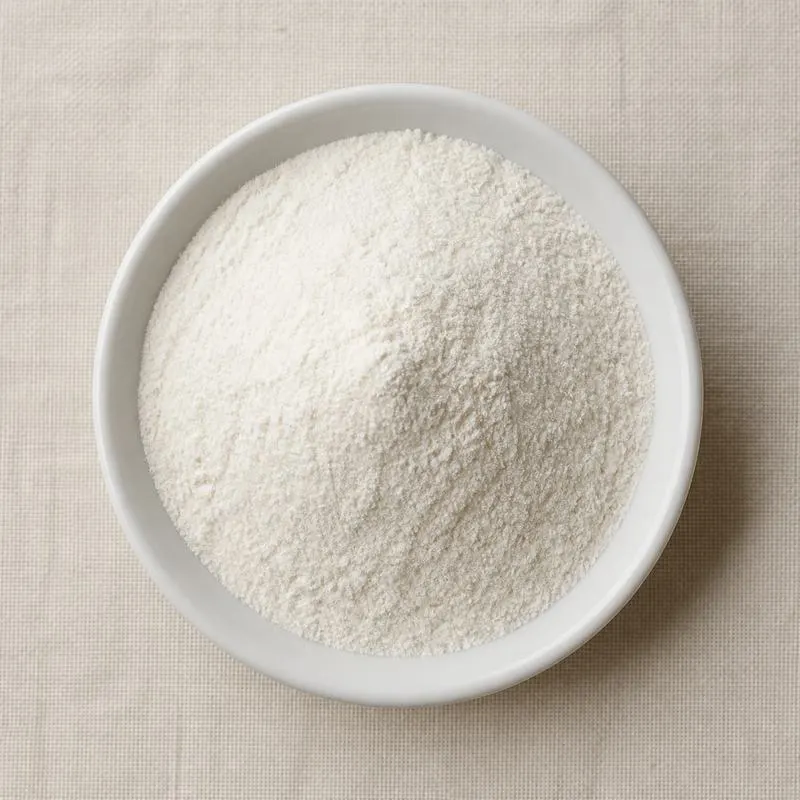
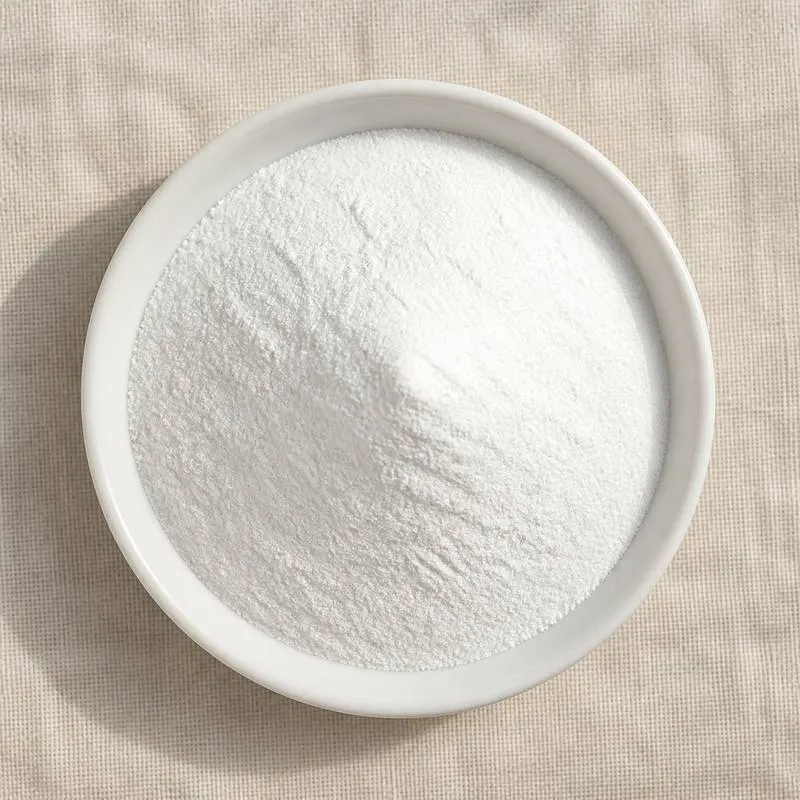
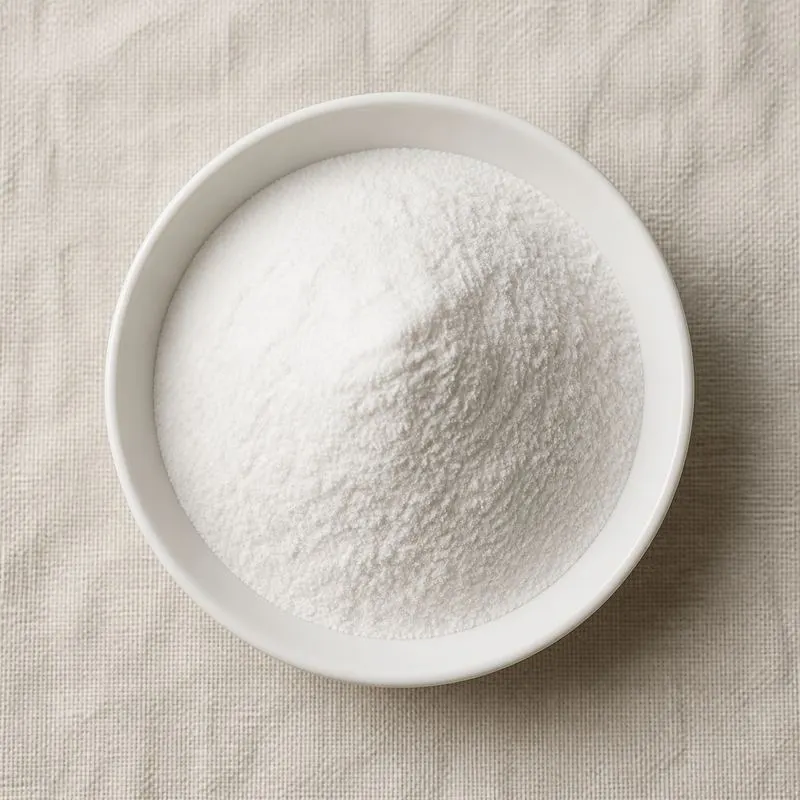
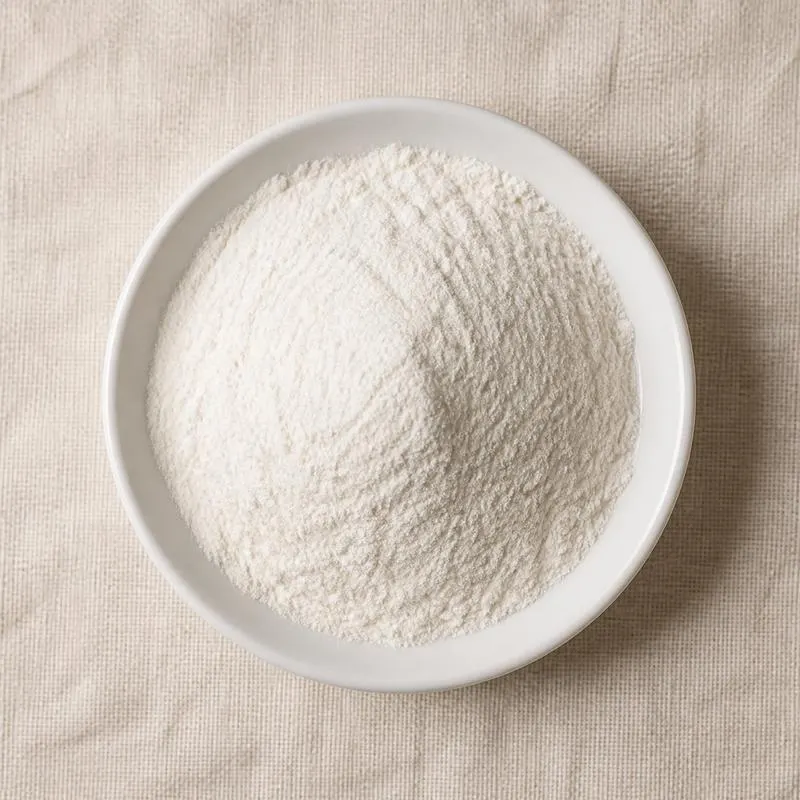
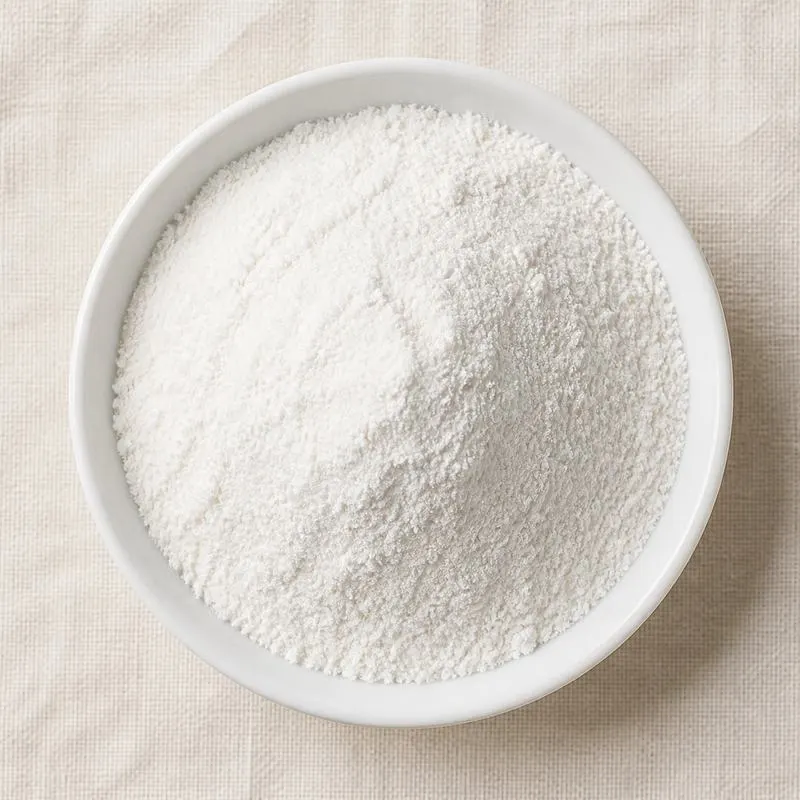
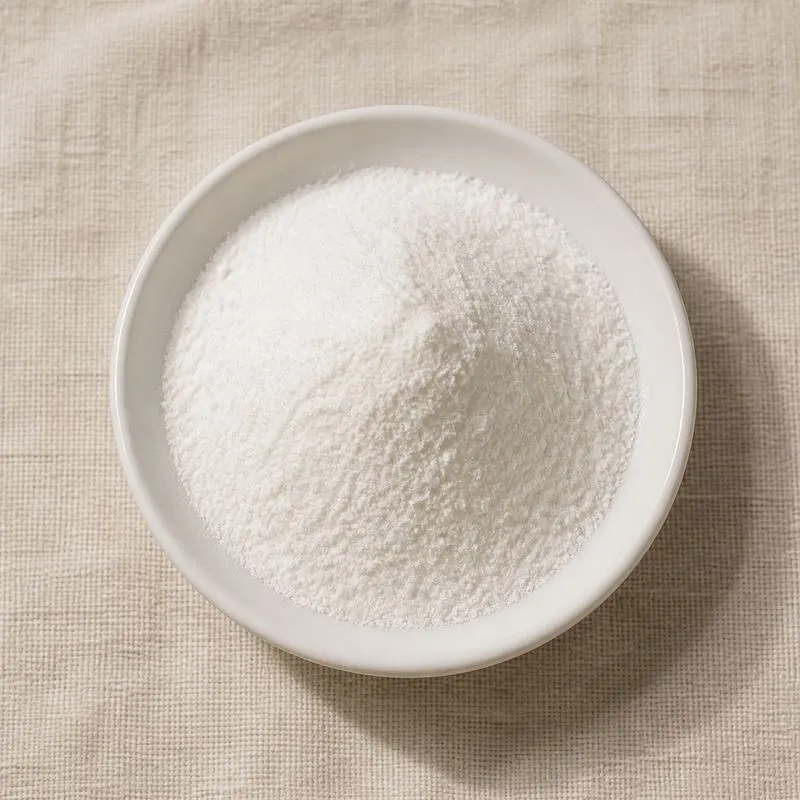
Two forms dominate food trade. Powdered cellulose, listed in the European Union as E460(ii), is purified mechanically disintegrated cellulose sold as a white odourless powder in a range of fibre lengths. Microcrystalline cellulose, E460(i), is made by acid hydrolysis that removes the amorphous regions and leaves the crystalline fragments, giving a finer particle with different compression and suspension behaviour. Both are white, tasteless, non-caloric and stable across the whole food pH and temperature range.
Functionally cellulose supplies bulk, structure, anticaking and water binding rather than viscosity, since it does not dissolve. Colloidal grades of microcrystalline cellulose co-processed with a soluble carrier do build a weak three-dimensional network in water and are used to suspend particles and stabilise emulsions, but that behaviour comes from the dispersion rather than from solubility.
We source bulk Cellulose from top China manufacturers for our partners. The manufacturer is in Shanghai. A smaller requirement can ship in a combined container with other ingredients.
Please send the grade you need, the volume and your destination port, and we will come back with a solution and a price.
or call +86-21-6858 0751
- Function
- Dietary Fibres
Specifications
| Item | Specification |
|---|---|
| Appearance | White or almost white odourless free-flowing powder |
| Identification | Positive reaction with iodinated zinc chloride solution |
| Assay as Cellulose | Not less than 97.0 per cent on dry basis |
| Particle Size | Nominal 50 to 180 micrometres, grade dependent |
| Loss on Drying at 105 degrees Celsius | Not more than 7.0 per cent |
| Residue on Ignition | Not more than 0.3 per cent |
| Water Soluble Matter | Not more than 0.5 per cent |
| pH of Aqueous Suspension | 5.0 to 7.5 |
| Lead | Not more than 2 mg/kg |
| Arsenic | Not more than 1 mg/kg |
| Total Plate Count | Not more than 1000 cfu/g |
| Yeast and Mould | Not more than 100 cfu/g |
| Escherichia coli | Absent in 1 g |
| Salmonella | Absent in 25 g |
Common Markets Grades
Powdered cellulose is graded by average fibre length, from long-fibre grades of around 100 to 200 micrometres, used for bulking and for fat replacement where structure is wanted, down to short-fibre grades below 30 micrometres for anticaking and for smooth-textured applications. Bulk density and water holding capacity are the other specified parameters. Microcrystalline cellulose is graded by nominal particle size, commonly 50, 100 and 180 micrometres, and by moisture, with grades intended for direct compression tablets distinguished from those intended for wet granulation.
Colloidal grades are co-processed with sodium carboxymethyl cellulose or with other hydrocolloids and are specified on dispersion viscosity rather than on particle size. Food grade, pharmaceutical grade meeting the relevant pharmacopoeial monographs, and feed grade are all traded, with the pharmaceutical grade differing chiefly in the tightness of the microbiological and residual limits and in the documentation. Source is a further distinction, wood pulp being the mainstream feedstock with cotton linter and non-wood plant fibre grades available where wood-free origin is specified.
Applications
- Shredded and grated cheese, as an anticaking agent that keeps the strands separate
- Bakery goods and tortillas, adding insoluble fibre and controlling water migration during storage
- Reduced-fat and reduced-calorie products, replacing fat volume without contributing energy
- Sauces, dressings and processed meat, binding water and improving body
- Extruded snacks and breakfast cereals, as a fibre source that survives high shear and heat
- Frozen desserts and ice cream, where colloidal grades control ice crystal growth during temperature cycling
- Beverages and nutritional drinks, using colloidal grades to suspend cocoa, minerals and protein
- Tablets and capsules, as a direct compression binder, disintegrant and filler
- Spice and seasoning blends, as a flow aid and carrier
- Fibre supplements and laxative preparations based on insoluble bulk
Brands Using Cellulose
Widely-distributed consumer products that list Cellulose on the ingredient label.
- SargentoShredded Sharp Natural Cheddar Cheese ↗Ingredient list names potato starch and powdered cellulose as the anti-caking agents on the shredded cheese.Label verified 2026-08-31
- Nature's WayAlive! Once Daily Women's Ultra Potency Multivitamin ↗Other ingredients list opens with cellulose, followed by stearic acid, sodium croscarmellose, silica and magnesium stearate.Label verified 2026-08-31
- Nature's WayAlive! Women's Energy Complete Multivitamin ↗Other ingredients list names cellulose alongside sodium croscarmellose and hydroxypropyl methylcellulose in the tablet.Label verified 2026-08-31
Brand names, product names and logos are the property of their owners. They appear here as published evidence that the ingredient is used, taken from the brand's own label or website. Their appearance is not an endorsement, and it does not mean the brand buys from us or from any manufacturer listed on this site.
China Manufacturers of Cellulose
Top Cellulose manufacturers in China.
Company names and logos are the property of the manufacturers themselves. They are listed here because our own directory records them as producing this ingredient. A listing is not an endorsement by them, and we do not represent them or speak on their behalf.
Regulatory Status
In the European Union, cellulose is authorised as a food additive under the Union list, with microcrystalline cellulose and cellulose gel listed as E460(i) and powdered cellulose as E460(ii), and purity criteria set out in the specifications regulation. Both are permitted at quantum satis in a wide set of food categories, reflecting their inert and non-absorbed nature. In the United States, microcrystalline cellulose and powdered cellulose are affirmed as generally recognised as safe for use in food under 21 CFR Part 182 and Part 184 provisions covering cellulose preparations, used in accordance with good manufacturing practice.
JECFA has evaluated the cellulose group and has published specifications for microcrystalline cellulose and powdered cellulose, and Codex includes them in the General Standard for Food Additives. For nutrition labelling in the United States, isolated cellulose added to food is assessed against the Food and Drug Administration definition of dietary fibre, which requires a demonstrated beneficial physiological effect for isolated or synthetic fibres, and cellulose is among the fibres the agency has recognised for that purpose. The monographs of the relevant pharmacopoeias govern pharmaceutical use rather than the food additive rules.
Manufacturing Process
The feedstock is purified alpha-cellulose pulp, normally bleached wood pulp from softwood or hardwood, and sometimes cotton linter where a very high alpha-cellulose content is required. The pulp arrives as sheets or rolls that have already been through chemical pulping and bleaching to remove lignin, hemicellulose and extractives. For powdered cellulose the pulp is defibrated and milled mechanically, in stages that progressively shorten the fibre, then classified in an air stream so that the fraction with the specified fibre length is collected and the oversize is returned to the mill.
Microcrystalline cellulose takes an additional chemical step. The pulp is hydrolysed with dilute mineral acid at elevated temperature, which cleaves the accessible amorphous regions of the chain while leaving the crystalline regions intact, reaching a levelling-off degree of polymerisation beyond which hydrolysis effectively stops. The resulting crystallite slurry is washed free of acid, neutralised, and either spray dried to give the standard porous agglomerated particle or, for colloidal grades, subjected to high shear attrition in the presence of a soluble co-processing agent before drying. Finished material is milled, sieved, blended and tested against the applicable monograph.