Cod Collagen Peptides
Cod Collagen Peptides are a low molecular weight protein hydrolysate produced from the skin and, to a lesser extent, the bones and scales of cod, chiefly Atlantic cod and Pacific cod recovered as a by-product of filleting. The parent protein is Type I collagen, the same triple helical structure that forms mammalian skin collagen.
Cod is a cold water species, and its collagen contains less proline and hydroxyproline than bovine or tilapia collagen. That lowers the denaturation temperature of the native helix to well below body temperature and means the extracted gelatin gels weakly, which is why cod material is directed to peptide production rather than to gelatin. The finished peptides carry the glycine, proline and hydroxyproline rich sequences that define collagen hydrolysates generally.
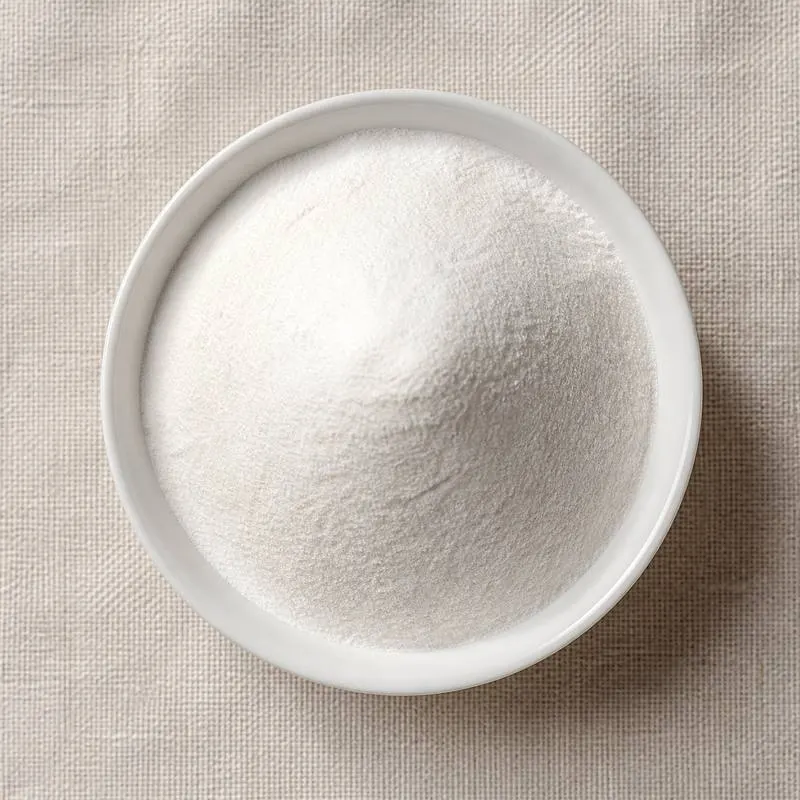
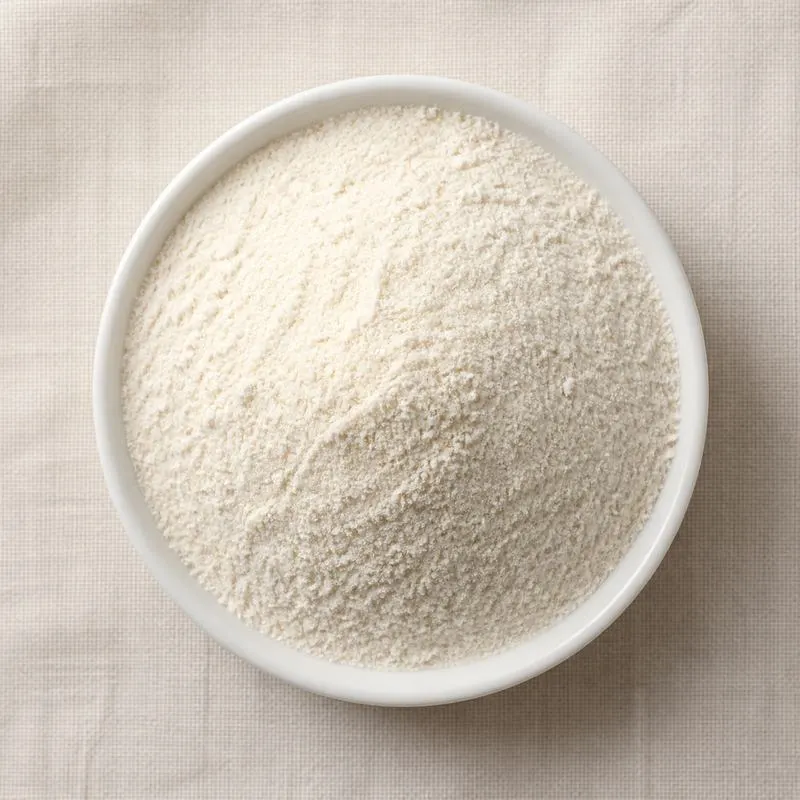
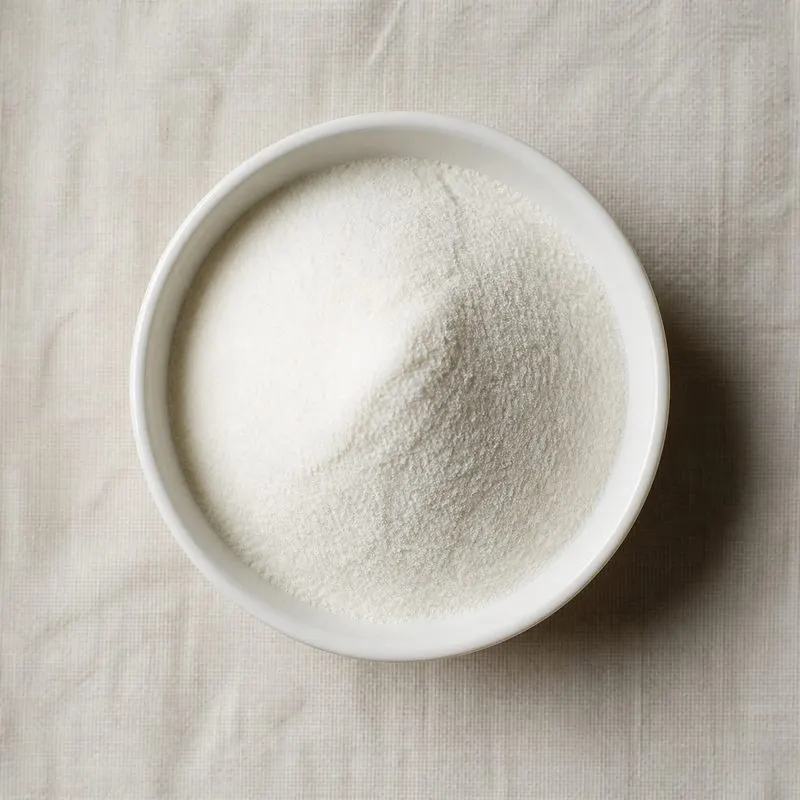
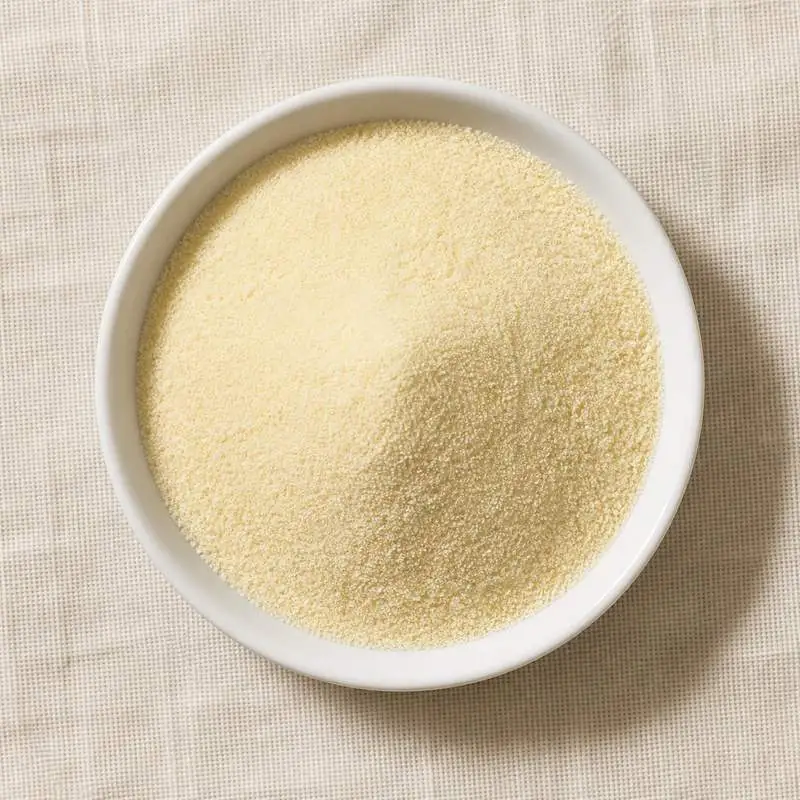
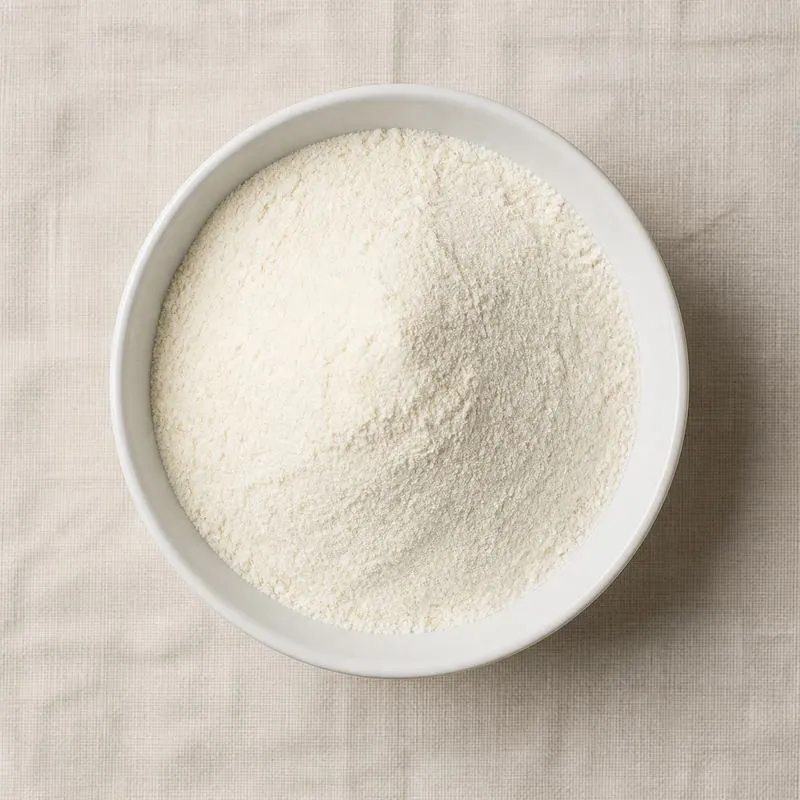
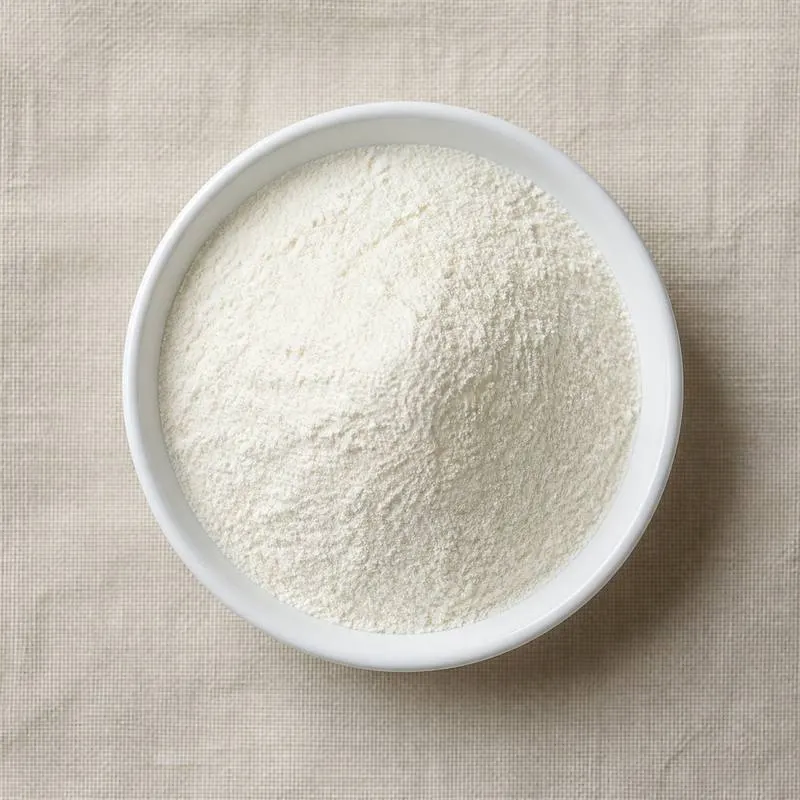
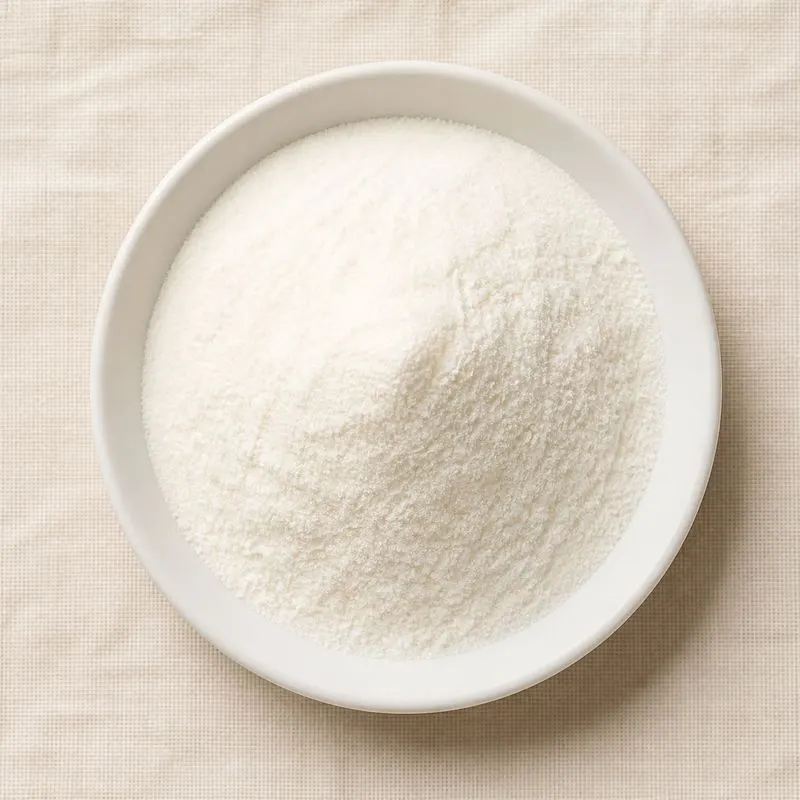
The product is a white to off-white spray-dried powder with an average molecular weight normally between 1000 and 3000 daltons. It dissolves completely in cold water without gelling at any practical use level, gives a clear low viscosity solution, and remains stable through pasteurisation and hot filling, which suits it to clear beverages and shots. Cold water sourcing also places it outside bovine and porcine restrictions.
We source bulk Cod Collagen Peptides from top China manufacturers for our partners. The manufacturer is in Guangdong. A smaller requirement can ship in a combined container with other ingredients.
Please send the grade you need, the volume and your destination port, and we will come back with a solution and a price.
or call +86-21-6858 0751
- Function
- Protein
Specifications
| Item | Specification |
|---|---|
| Appearance | White to off-white free-flowing powder |
| Odour and taste | Bland, characteristic, free from strong fishy note |
| Identification | Conforms, amino acid profile characteristic of Type I collagen |
| Protein, N x 5.55, dry basis | Minimum 90.0 percent |
| Hydroxyproline | Minimum 7.0 percent |
| Average molecular weight | 1000 to 3000 daltons |
| Loss on drying | Maximum 7.0 percent |
| Ash | Maximum 2.0 percent |
| Fat | Maximum 0.5 percent |
| Solubility in water | Minimum 98.0 percent |
| Transmittance, 1 percent solution | Minimum 95 percent |
| pH, 1 percent solution | 5.5 to 7.5 |
| Lead | Maximum 0.5 mg per kg |
| Arsenic | Maximum 1.0 mg per kg |
| Mercury | Maximum 0.5 mg per kg |
| Total plate count | Maximum 10,000 CFU per gram |
| Yeast and mould | Maximum 100 CFU per gram |
| E. coli | Negative per gram |
| Salmonella | Negative per 25 gram |
Common Markets Grades
The primary grade distinction is average molecular weight. Grades in the 1000 to 2000 dalton range are produced by extended hydrolysis and tight ultrafiltration and are specified for clear ready to drink formats where transmittance and absence of sediment matter. Standard grades at 2000 to 5000 daltons carry a slightly higher viscosity and are used in powders, capsules and gummies where clarity is not critical.
Raw material grade is quoted separately, with skin-only material giving the cleanest colour and the highest hydroxyproline figure, and mixed skin and bone material carrying a higher ash content from residual calcium phosphate. Sensory grades divide standard deodorised material from extended-polished grades produced by additional carbon and ion exchange treatment for use where any marine note is unacceptable. Peptide content is normally declared as protein on a dry basis at a minimum of 90 percent, and both fine and agglomerated instant powders are traded. Cod is a fish allergen, so the material is produced on segregated lines where a fish-free claim is required elsewhere in the plant.
Applications
- Clear collagen beverages, sparkling waters and ready to drink shots, where full cold water solubility and high transmittance are required
- Powdered drink mixes and stick packs for skin, hair and nail positioning
- Capsules, tablets and softgel blends in beauty and joint supplement ranges
- Functional gummies and chewables, where marine sourcing supports pescatarian and halal ranges
- Sports recovery and post-exercise formulas blended with whey or plant protein
- Clinical and medical nutrition including post-surgical, wound care and pressure ulcer diets
- Dairy and dairy alternative drinks, yoghurts and kefirs used for protein fortification without viscosity build
- Topical cosmetics such as serums, sheet masks and shampoos, where low molecular weight peptides act as humectants and film formers
- Pet supplements positioned around coat condition and joint mobility
Brands Using Cod Collagen Peptides
Widely-distributed consumer products that list Cod Collagen Peptides on the ingredient label.
- Natural ForceMarine Collagen Peptides Powder ↗Single-ingredient hydrolysed marine collagen powder sourced from wild-caught Alaskan cod, supplying 10 grams of collagen peptides per scoop.Label verified 2026-08-31
- Bronson VitaminsMarine Collagen Peptides Powder, Nordic Norwegian Wild Caught Cod, Unflavored 150 g ↗Powder listing 5,000 mg of hydrolysed collagen peptides per serving, with the product page identifying Nordic wild caught cod as the collagen source.Label verified 2026-08-31
Brand names, product names and logos are the property of their owners. They appear here as published evidence that the ingredient is used, taken from the brand's own label or website. Their appearance is not an endorsement, and it does not mean the brand buys from us or from any manufacturer listed on this site.
China Manufacturers of Cod Collagen Peptides
Top Cod Collagen Peptides manufacturers in China.

Company names and logos are the property of the manufacturers themselves. They are listed here because our own directory records them as producing this ingredient. A listing is not an endorsement by them, and we do not represent them or speak on their behalf.
Regulatory Status
In the United States, collagen peptides from edible fish are handled as conventional food ingredients or dietary ingredients rather than as food additives, on the basis of generally recognized as safe conclusions for material produced from edible tissue under good manufacturing practice. Fish is a major food allergen under the Food Allergen Labelling and Consumer Protection Act, so cod must be named on the label, and the raw material falls under the seafood hazard analysis requirements of Title 21 of the Code of Federal Regulations Part 123.
In the European Union, collagen for human consumption produced from fishery products is subject to the specific hygiene requirements set out in Regulation EC 853/2004, which covers approved raw material, plant approval and the treatment applied. Collagen hydrolysate is a food ingredient and carries no E number. Fish is one of the mandatory allergens listed in Annex II of Regulation EU 1169/2011. Codex has no specific standard for collagen peptides, and pharmacopoeial monographs for hydrolysed collagen apply where the material is used as a pharmaceutical excipient. Halal and kosher certification is routinely available for fish-derived material produced on segregated lines.
Manufacturing Process
The feedstock is cod skin trimmed from fillets, chilled or frozen at the processing plant. The skin is washed to remove residual muscle, blood and fat, then treated with dilute alkali to swell the tissue and remove non-collagenous protein, followed by a dilute acid step that demineralises any adhering bone and scale fragments. Between each step the tissue is washed to neutrality.
The conditioned skin is extracted in clean hot water, which converts the collagen triple helix into soluble gelatin. Cod collagen denatures at a lower temperature than mammalian collagen, so extraction runs cooler and shorter. The gelatin liquor is then hydrolysed with food grade proteases, usually an alkaline bacterial protease followed by an exopeptidase polish, with enzyme dose and hold time setting the final molecular weight distribution before the enzymes are heat inactivated. The peptide solution is decolourised over activated carbon, deionised on ion exchange resin, filtered, concentrated under vacuum and spray dried. A final sieving and, for instant grades, fluid bed agglomeration complete the process.