Cooling Agent Ws-23
Cooling agent WS-23 is N,2,3-trimethyl-2-isopropylbutanamide, a synthetic aliphatic carboxamide that produces a cooling sensation on the skin and in the mouth without contributing aroma. It carries FEMA number 3804 and is registered under CAS number 51115-67-4.
Its physiological effect comes from agonism at TRPM8, the cold and menthol receptor on sensory nerve endings, which the molecule activates without the strong minty odour of menthol. WS-23 is therefore described in the trade as an odourless cooler, and it is the material of choice when a formulator wants a cold sensation in a flavour that is not mint, such as a fruit drink, a citrus gum or a spearmint free oral care product. Compared with menthol it is milder in intensity, slower in onset, and free of the bitterness and burn that high menthol doses produce, and its effect is felt broadly across the mouth rather than concentrated on the tongue.
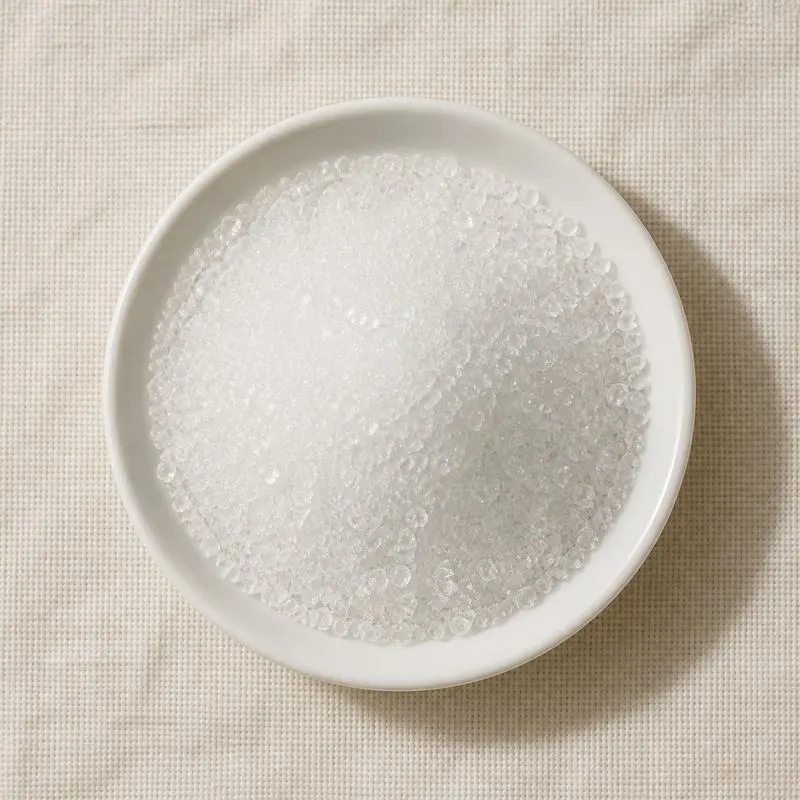
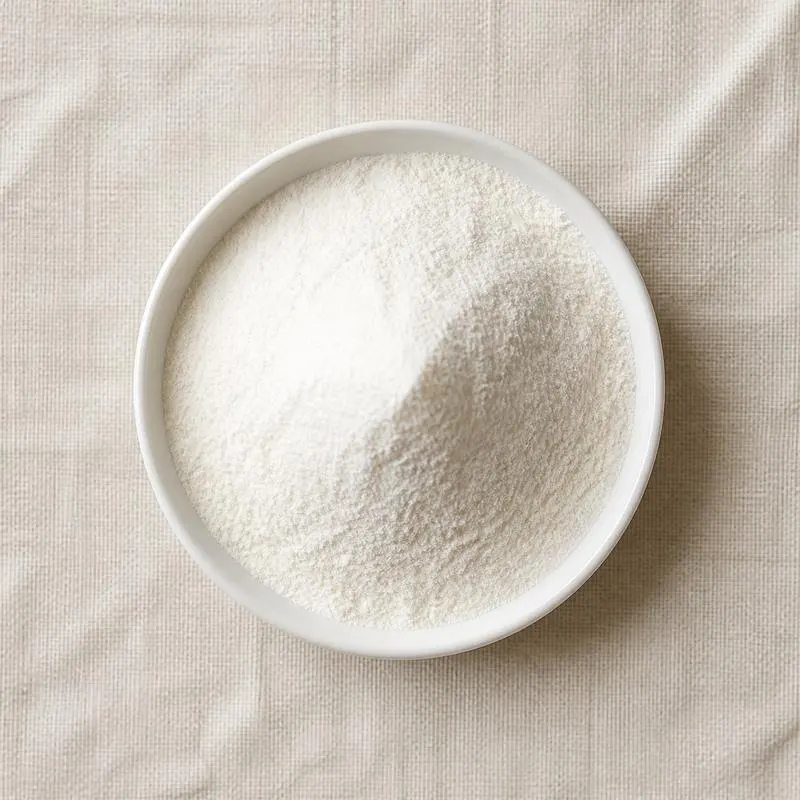
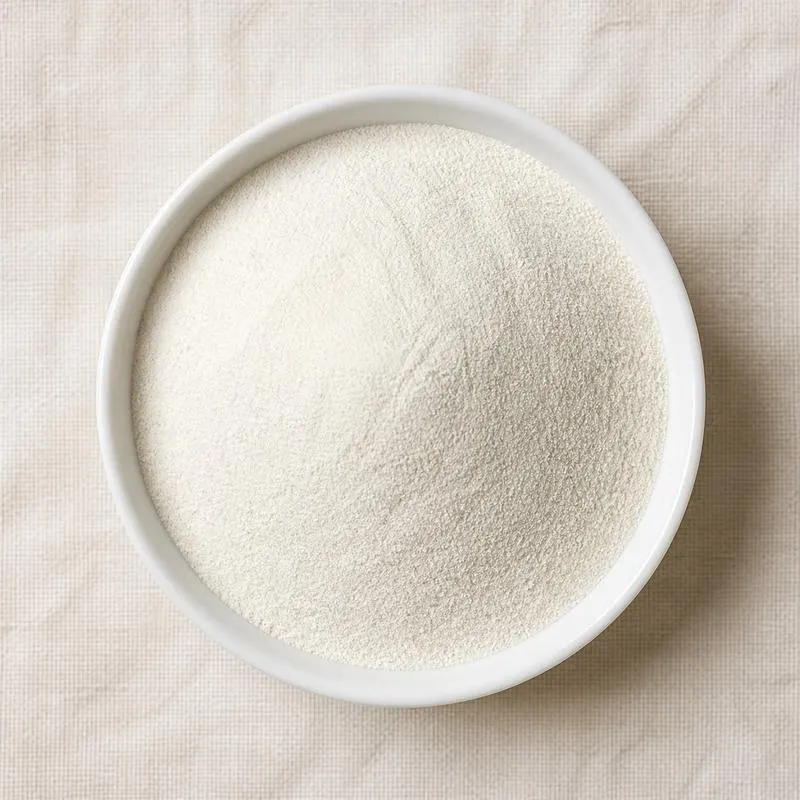
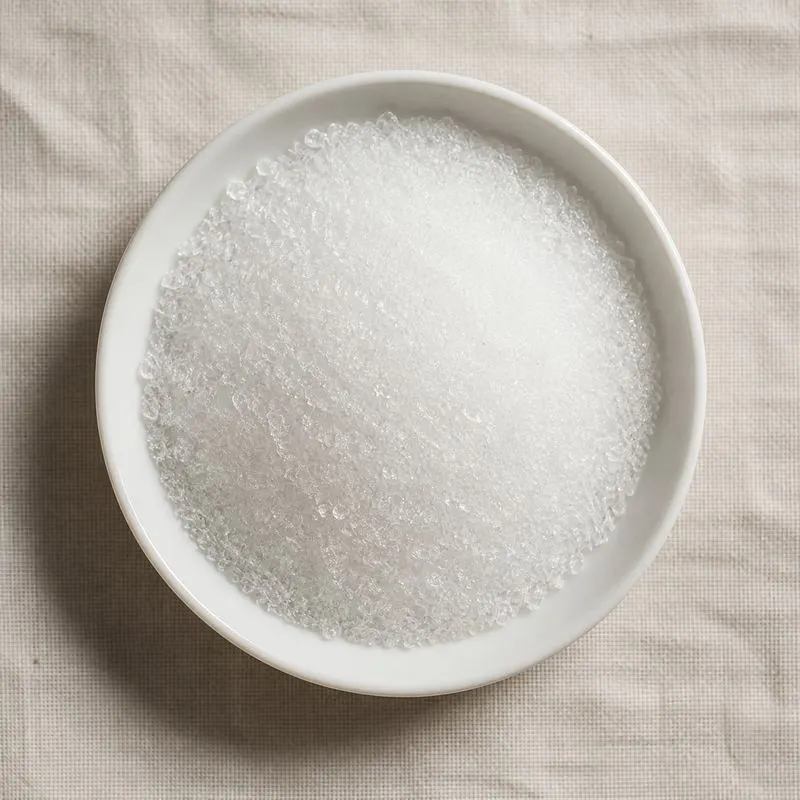
It is a white to off white crystalline powder or low melting crystals, and it melts a little above sixty degrees Celsius, so drums warm in transit can arrive partly fused. Solubility is the practical constraint, since WS-23 dissolves readily in ethanol, propylene glycol, triacetin and vegetable oils but is only sparingly soluble in water, and aqueous applications use a solution in a carrier rather than the neat solid.
We source bulk Cooling Agent Ws-23 from top China manufacturers for our partners. The manufacturer is in Anhui. A smaller requirement can ship in a combined container with other ingredients.
Please send the grade you need, the volume and your destination port, and we will come back with a solution and a price.
or call +86-21-6858 0751
- Function
- Flavours and Aromas
Specifications
| Item | Specification |
|---|---|
| Appearance | White to off white crystalline powder or crystals |
| Odour | Practically odourless |
| Taste Effect | Clean cooling sensation, no minty aroma, matching reference |
| Assay by GC | Not less than 99.0 percent |
| Identification | Infrared and mass spectra conform to reference |
| Melting Range | 60 to 64 °C |
| Loss on Drying | Not more than 0.5 percent |
| Residue on Ignition | Not more than 0.1 percent |
| Related Substances | Any single impurity not more than 0.5 percent |
| Residual Solvent | Within the applicable limits for the solvents used |
| Solubility | Freely soluble in ethanol and propylene glycol, slightly soluble in water |
| Heavy Metals (as Pb) | Not more than 10 mg/kg |
| Lead | Not more than 2 mg/kg |
| Arsenic | Not more than 1 mg/kg |
Common Markets Grades
WS-23 is essentially a single chemical entity, so grades differ by purity, physical presentation and carrier rather than by composition. Food and flavour grade material assays at not less than ninety eight or ninety nine percent by gas chromatography, and the same material serves oral care and personal care applications, where it is bought against a cosmetic specification and an INCI listing. Some suppliers offer a separate grade for electronic cigarette liquids and for tobacco, held to tighter limits on residual solvent and on nicotine free cross contamination.
Physical presentation covers crystalline solid, milled powder to a stated mesh for dry blending, and prilled or granular forms that resist caking in a warm store. Ready made solutions are common, typically at ten to fifty percent in propylene glycol, triacetin, ethanol or medium chain triglyceride, because dissolving a low melting solid on a production line is inconvenient. Encapsulated and spray dried powders on maltodextrin or modified starch are used for chewing gum, tablets and dry beverage mixes where delayed release or free flow is required.
Applications
- Chewing gum and bubble gum, giving a cooling effect that outlasts the mint flavour
- Toothpaste, mouthwash and breath strips, where cooling is taken as a sign of cleanliness
- Fruit and citrus flavoured confectionery, adding refreshment without a mint note
- Carbonated soft drinks and flavoured water, reinforcing the perception of coldness
- Sports and energy drinks, where the effect is associated with refreshment after exertion
- Electronic cigarette and vapour liquids, supplying cooling with no added aroma
- Tobacco and oral nicotine pouches, as a non-menthol cooling component
- Skin care, aftershave and shaving products, for a cooling feel on application
- Antiperspirants and body wash, where menthol aroma is not wanted
- Topical analgesic and muscle rub formulations, in combination with other counterirritants
China Manufacturers of Cooling Agent Ws-23
Top Cooling Agent Ws-23 manufacturers in China.

Company names and logos are the property of the manufacturers themselves. They are listed here because our own directory records them as producing this ingredient. A listing is not an endorsement by them, and we do not represent them or speak on their behalf.
Regulatory Status
In the United States WS-23 is used as a flavouring substance and holds FEMA GRAS status under FEMA number 3804, which is the basis on which it is added to food, beverage and chewing gum. Its use in toothpaste, mouthwash and other oral care and personal care products falls outside the food framework and is governed instead by the cosmetic provisions of the Federal Food, Drug, and Cosmetic Act, or by the relevant over the counter monograph where a therapeutic claim is made.
In the European Union carboxamide cooling agents are handled as flavouring substances under Regulation (EC) No 1334/2008, and a formulator has to confirm that the specific substance appears in the Union list of authorised flavouring substances for the intended market and category before use, since the cooling agent group is not uniformly listed. Flavouring substances carry no E number. In cosmetic use the substance is subject to Regulation (EC) No 1223/2009 and is declared under its INCI name. Codex addresses flavourings through its general guidelines for their use, and the international expert evaluations of cooling agents have been carried out within the flavouring substance programmes rather than as food additive assessments.
Manufacturing Process
WS-23 is made by total synthesis rather than from a natural precursor. The route runs from the branched aliphatic acid 2,3-dimethyl-2-isopropylbutanoic acid, which is built up by carbon chain extension on a branched hydrocarbon or ester intermediate under strongly basic or acidic carbonylation conditions, then isolated and purified by distillation.
The purified acid is converted to its acid chloride by treatment with thionyl chloride under reflux, with the hydrogen chloride and sulphur dioxide evolved taken to a scrubber, and excess reagent stripped under vacuum. The acid chloride is then condensed with aqueous or gaseous methylamine under Schotten-Baumann conditions, with alkali present to take up the acid liberated, and the mixture is held cold to limit hydrolysis. The crude amide separates as a solid or an organic phase and is washed with dilute acid to remove residual amine and then with alkali and water to remove unreacted acid, the solvent is recovered by distillation, and the product is recrystallised from a hydrocarbon or alcohol solvent. Crystals are centrifuged, dried under vacuum at a temperature well below the melting point, milled or prilled to the ordered particle size and packed in lined drums or fibre kegs. Release covers assay by gas chromatography, related substances, residual solvent, melting range and heavy metals.