Copper Sulphate
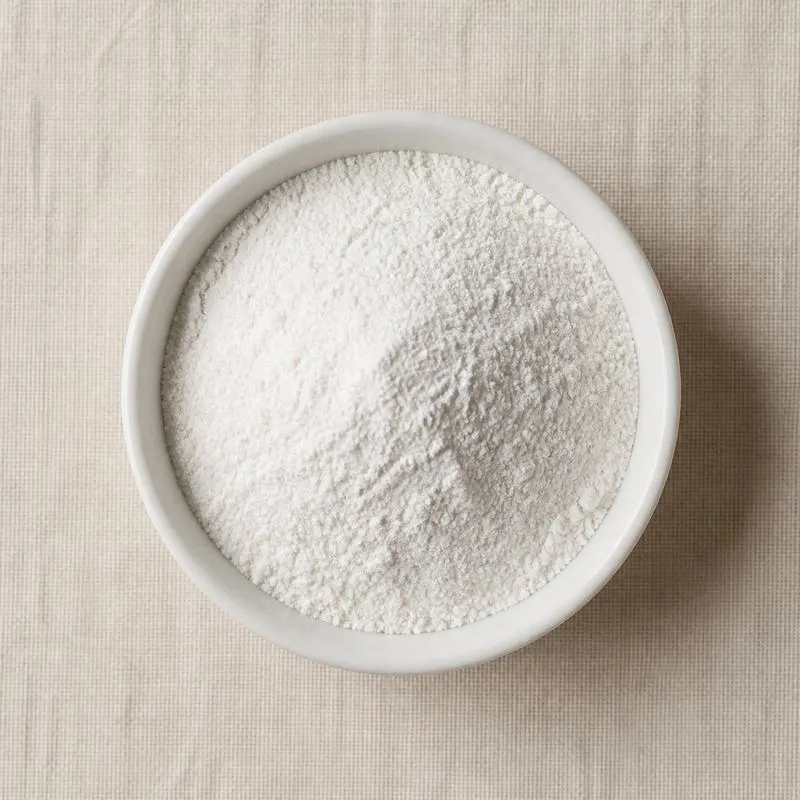
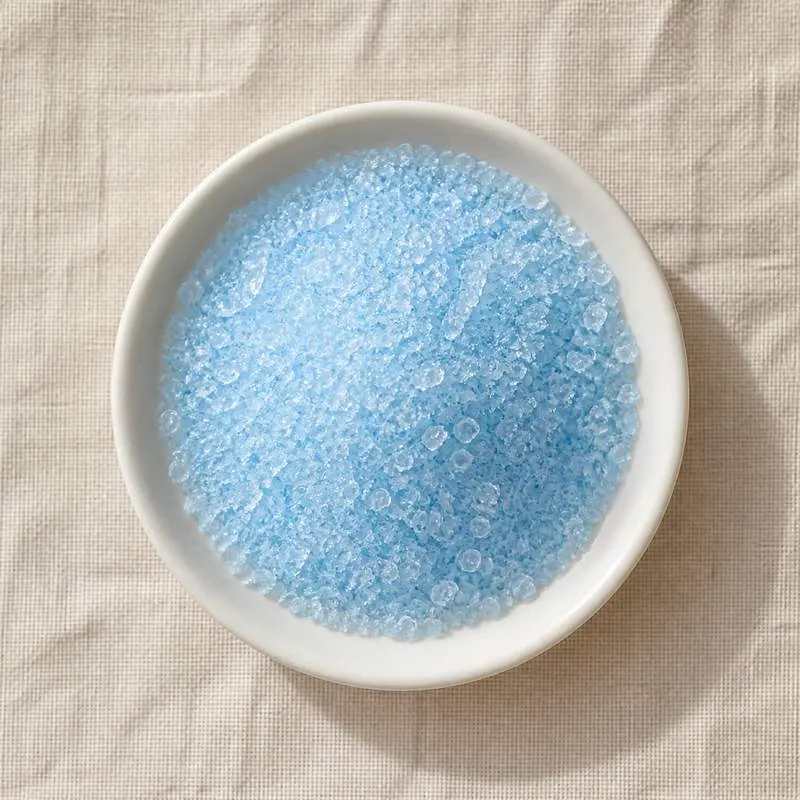
Copper Sulphate, in its pentahydrate form CuSO4 5H2O with CAS number 7758-99-8, is the most widely used soluble copper compound in industry and agriculture. It is the deep blue crystalline solid historically known as blue vitriol or bluestone.
The pentahydrate contains approximately 25.5 percent copper and dissolves freely in water to give a clear blue solution. Its combination of low cost, high solubility, and broad-spectrum antimicrobial activity supports applications from vineyard spraying to electroplating to animal nutrition.
We source bulk Copper Sulphate from top China manufacturers for our partners. The manufacturers are in Jiangsu. A smaller requirement can ship in a combined container with other ingredients.
Please send the grade you need, the volume and your destination port, and we will come back with a solution and a price.
or call +86-21-6858 0751
- Packaging
- 25 kg kraft paper bag with PE inner liner
- ISO 9001
- HACCP
- Halal
- Kosher
Specifications
Grades / Types Available: food grade
| Item | Specification |
|---|---|
| Appearance | Blue crystalline granules |
| Assay (CuSO₄·5H₂O) | ≥ 99.0% |
| Copper Content | ≥ 25.0% |
| Iron | ≤ 0.003% |
| Heavy Metals (as Pb) | ≤ 10 mg/kg |
| Arsenic | ≤ 3 mg/kg |
| Grade | N/A |
| Purity/Assay | 98.0-102.0 |
| Substances Not Precipitated by Hydrogen Sulfide | 0.3 |
| Lead (Pb) | 0.0004 |
Common Markets Grades
Several grades of Copper Sulphate exist, distinguished by purity, particle size, and end-use sector.
Pharmaceutical grade meets USP and Ph. Eur. monographs at 99.0 to 100.5 percent assay on the dried basis, with controls on lead, arsenic, iron, and substitutionable cations. This grade serves injectable copper supplementation and ophthalmic preparations.
Feed grade is graded at 25 percent copper minimum, in fine crystal or granular form, for inclusion in poultry, swine, and ruminant premixes.
Agricultural grade is the largest-volume category, sold as fine crystal, snow, or granular product for tank-mixed foliar sprays, Bordeaux mixture preparation, and seed treatment.
Electroplating grade is graded at 99 percent minimum, with tight chloride and iron specifications, for use in copper electrowinning and printed circuit board manufacturing.
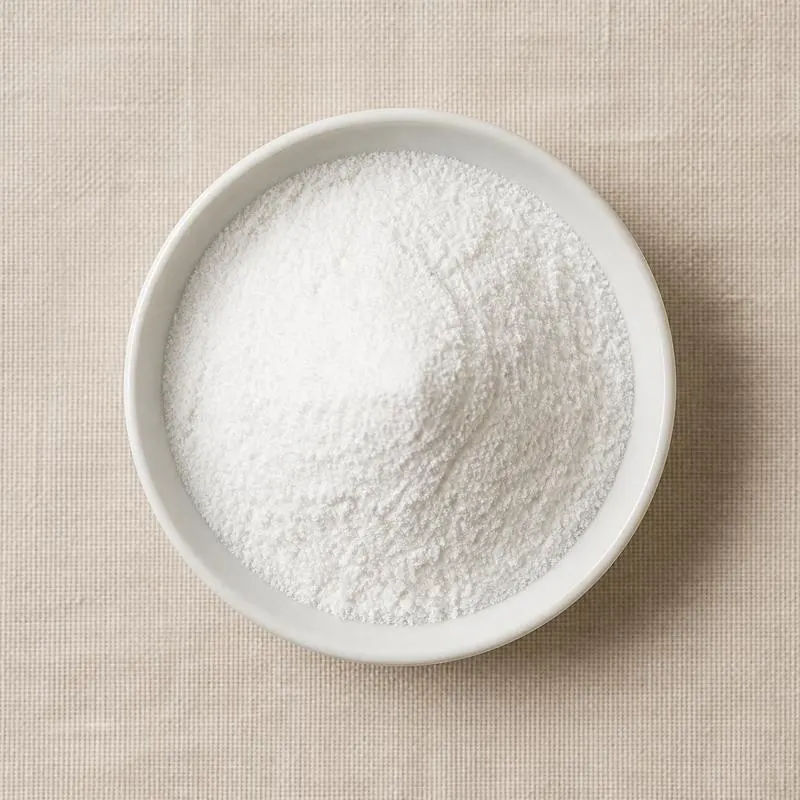
Anhydrous CuSO4, a white powder, is produced for laboratory use as a water indicator and for specialty chemical synthesis.
Applications
- Vineyard, orchard, and vegetable fungicide as Bordeaux mixture (CuSO4 plus lime)
- Seed treatment for cereals to control bunt and smut diseases
- Algaecide in irrigation canals, reservoirs, and ornamental ponds
- Animal feed micronutrient for poultry, swine, dairy, and aquaculture
- Hoof rot prevention in cattle and sheep through foot baths
- Copper electrowinning and refining cells
- Printed circuit board manufacturing as the primary copper plating bath constituent
- Mordant in textile dyeing and printing
- Wood preservative formulations (alkaline copper quat)
- Pharmaceutical preparations including copper deficiency injectables
- Analytical chemistry as a Fehling reagent constituent and water indicator
Brands Using Copper Sulphate
Widely-distributed consumer products that list Copper Sulphate on the ingredient label.
- BonideBonide Copper Fungicide Dust (7% Basic Copper Sulfate) ↗Bonide Copper Fungicide Dust contains 7% Basic Copper Sulfate as a modern Bordeaux mixture replacement for organic gardening, controls powdery mildew, blight, leaf spot and more on fruits, vegetables and ornamentals.Label verified 2026-05-24
- Similac (Abbott Nutrition)Similac Advance Milk-Based Infant Formula with Iron ↗Similac Advance and Similac Organic infant formulas list cupric sulphate (copper sulphate) in the mineral premix as the bioavailable copper source required to meet infant copper nutrition standards.Label verified 2026-05-24
- Enfamil (Mead Johnson / Reckitt)Enfamil NeuroPro Infant Formula ↗Enfamil NeuroPro Infant Formula's ingredient list includes cupric sulphate (copper sulphate) as the source of copper, a legally required mineral for infant brain development and red-blood-cell formation.Label verified 2026-05-24
Brand names, product names and logos are the property of their owners. They appear here as published evidence that the ingredient is used, taken from the brand's own label or website. Their appearance is not an endorsement, and it does not mean the brand buys from us or from any manufacturer listed on this site.
China Manufacturers of Copper Sulphate
Top Copper Sulphate manufacturers in China.
- Jiangsu Dingguan Food Technology Co., Ltd.10 ingredients in the directory
 Jiangsu Zidong Food Co., Ltd.10 ingredients in the directory
Company names and logos are the property of the manufacturers themselves. They are listed here because our own directory records them as producing this ingredient. A listing is not an endorsement by them, and we do not represent them or speak on their behalf.
How We Help Source Copper Sulphate
Direct Factory Sourcing
We run the whole process: selecting the manufacturer from the top Chinese food ingredient producers, negotiating the price, verifying quality, and coordinating the logistics. You deal with us instead of with several factories at once.
Original Packaging and Documents from the Manufacturer
The manufacturer sends your Copper Sulphate out of its own factory in the original packing, through to your destination port. The COA, COO, MSDS, TDS and any certifications reach you from the manufacturer as well.
Free Samples and Lead Time
We send 100 to 500 g free for your own laboratory to test and you cover only the courier, usually within 2 to 3 working days. ETD is usually within 7 to 15 days once the order is confirmed, and we check that date against the factory's own manufacturing schedule before we give it to you.
Combined Shipment
We can load Copper Sulphate together with other ingredients such as Sodium Acetate, Calcium Citrate and Sodium Lactate into one 20' FCL. If your quantity is small, we can also ship LCL.
Regulatory Status
Copper Sulphate carries clearance across food, feed, agricultural, and pharmaceutical channels.
The U.S. Environmental Protection Agency registers Copper Sulphate as a fungicide, algaecide, herbicide, and antimicrobial under FIFRA. The U.S. Food and Drug Administration affirms it as GRAS for use as a nutrient under 21 CFR 184.1261 and approves it in animal feed under 21 CFR 582.80.
In the European Union, Regulation (EC) No 1107/2009 authorises copper compounds including copper sulphate pentahydrate as plant protection actives, with maximum application rates set to manage soil copper accumulation. Regulation (EC) No 1831/2003 permits the same compound as a nutritional feed additive.
For food supplement use, Annex II of Directive 2002/46/EC lists Copper Sulphate. The U.S. Pharmacopeia carries a monograph for Cupric Sulphate, and the European and British Pharmacopoeias carry equivalent monographs.
Halal and Kosher certifications exist because the production chain is fully inorganic.
Manufacturing Process
Copper Sulphate is produced industrially by reacting a copper source with sulphuric acid.
The dominant route uses copper scrap or copper cathode dissolved in dilute sulphuric acid with sparged air to provide the oxidising equivalent. The reaction proceeds at 60 to 90 degrees Celsius until a saturated blue liquor is reached.
An alternative route, used where copper oxide ore or roasted copper concentrate is produced, leaches the oxidised ore directly with sulphuric acid. The liquor is purified by selective precipitation of iron, arsenic, and other impurities at controlled pH.
The purified liquor is evaporated and crystallised. The pentahydrate crystallises below 60 degrees Celsius as the familiar deep blue prismatic crystals. Above 100 degrees Celsius, water is lost stepwise to give the trihydrate and monohydrate, and complete dehydration to anhydrous CuSO4 occurs above 250 degrees Celsius.
Electrowinning sludges and spent etching liquors from electronics manufacturing are major secondary sources for agricultural and feed grade material.