Cordyceps Militaris Extract
Cordyceps militaris extract is a concentrate prepared from the cultivated fruiting body, or in cheaper grades the mycelium, of Cordyceps militaris, a fungus of the Cordycipitaceae family. It is the standardised industrial form of a material otherwise sold as whole dried fruiting bodies, and it exists because the active constituents are water soluble and can therefore be concentrated and assayed reliably.
Two marker classes define it. Nucleosides, principally cordycepin and adenosine, are quantified by HPLC and are the compounds most buyers specify, cordycepin being a nucleoside analogue that this species produces in far greater quantity than the wild Ophiocordyceps sinensis. Polysaccharides, chiefly beta glucans of the fungal cell wall together with heteropolysaccharides, make up the second marker class and are quantified either colourimetrically or by a specific enzymatic assay.
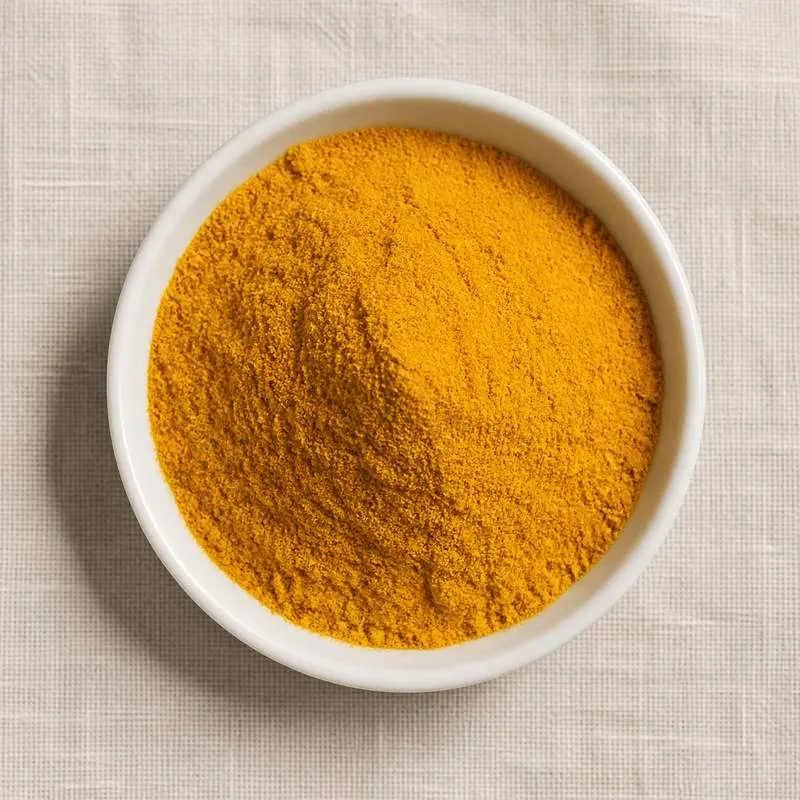
The extract is a light brown to orange brown powder with a faint mushroom odour and a mildly savoury taste. Nucleoside rich water extracts dissolve almost completely to a pale brown solution, while high polysaccharide grades disperse rather than dissolve because the glucan fraction is only partly soluble. The material is hygroscopic, and the nucleosides are stable to normal processing heat and to mild acid, which allows the extract to be added earlier in a process than a volatile or pigment based ingredient would tolerate.
We source bulk Cordyceps Militaris Extract from top China manufacturers for our partners. The manufacturer is in Jiangsu. A smaller requirement can ship in a combined container with other ingredients.
Please send the grade you need, the volume and your destination port, and we will come back with a solution and a price.
or call +86-21-6858 0751
- Function
- Plant extract
Specifications
| Item | Specification |
|---|---|
| Appearance | Light brown to orange brown fine powder |
| Source | Cordyceps militaris cultivated fruiting body |
| Odour and Taste | Faint mushroom odour, mildly savoury |
| Identification | HPLC profile conforming to cordycepin and adenosine references |
| Cordycepin | ≥ 1.0% (HPLC) |
| Adenosine | ≥ 0.20% (HPLC) |
| Polysaccharides | ≥ 20.0% (UV, phenol sulphuric acid) |
| Starch | ≤ 5.0% |
| Particle Size | ≥ 95% through 80 mesh |
| Loss on Drying | ≤ 6.0% |
| Total Ash | ≤ 8.0% |
| Residual Ethanol | ≤ 0.5% |
| Lead | ≤ 2.0 mg/kg |
| Arsenic | ≤ 1.0 mg/kg |
| Cadmium | ≤ 1.0 mg/kg |
| Total Plate Count | ≤ 10,000 cfu/g |
| Yeast and Mould | ≤ 500 cfu/g |
| Escherichia coli | Negative in 1 g |
| Salmonella | Negative in 25 g |
Common Markets Grades
The trade quotes cordycepin by HPLC, commonly at 0.5, 1, 2, 5 and 10 percent, with adenosine reported alongside, and polysaccharides at 10, 20, 30 or 40 percent by the colourimetric method or beta glucan by enzymatic assay. The colourimetric polysaccharide figure is always the higher number and the two are not interchangeable, so a specification should state the method.
Raw material is the other axis and matters more than the assay. Fruiting body extract is the reference material and carries the higher cordycepin content. Mycelium grown in liquid fermentation is cheaper and can be standardised to a cordycepin figure, but its polysaccharide profile differs. Mycelium grown on a grain substrate and dried with the substrate carries that grain forward, which raises the starch figure and dilutes the fungal content, so buyers ask for a starch limit alongside the marker assays. Powders are sold carrier free or on maltodextrin at 80 mesh, with granulated grades for tabletting, and organic certification is available.
Applications
- Capsule and tablet supplements, the principal outlet, dosed on the declared cordycepin figure
- Sports and endurance formulations, where the species is positioned around exercise performance
- Energy and vitality products, blended with ginseng, rhodiola or B vitamin sources
- Mushroom blend powders and functional coffee style drinks, combined with reishi, lion's mane and chaga extracts
- Instant granules and sachets, where the water soluble extract reconstitutes without residue
- Functional beverages and shots, using a nucleoside standardised grade that stays in solution
- Immune support formulations, dosed on the polysaccharide or beta glucan figure instead
- Traditional Chinese formula preparations, where the standardised extract replaces the whole fruiting body
- Pet and livestock supplements, applied as a fungal nucleoside and polysaccharide source
Brands Using Cordyceps Militaris Extract
Widely-distributed consumer products that list Cordyceps Militaris Extract on the ingredient label.
- Real MushroomsOrganic Cordyceps Extract Capsules (Cordyceps-M) ↗Capsules of hot water extracted Cordyceps militaris fruiting body, stated on the page to be standardised to more than 30 percent beta-glucans.Label verified 2026-08-31
- Gaia HerbsCordyceps Mushroom Capsules ↗Ingredient listing is organic Cordyceps (Cordyceps militaris) fruiting body extract at 5x strength, one capsule per day.Label verified 2026-08-31
Brand names, product names and logos are the property of their owners. They appear here as published evidence that the ingredient is used, taken from the brand's own label or website. Their appearance is not an endorsement, and it does not mean the brand buys from us or from any manufacturer listed on this site.
China Manufacturers of Cordyceps Militaris Extract
Top Cordyceps Militaris Extract manufacturers in China.
Company names and logos are the property of the manufacturers themselves. They are listed here because our own directory records them as producing this ingredient. A listing is not an endorsement by them, and we do not represent them or speak on their behalf.
Regulatory Status
In the United States, Cordyceps militaris extracts are marketed as dietary ingredients under the Dietary Supplement Health and Education Act, with finished products manufactured under 21 CFR Part 111. The Food and Drug Administration has treated inaccurate species and part identity statements on cordyceps products as misbranding, so the label distinction between fruiting body extract and mycelium on grain is a compliance point rather than a marketing one. Cordycepin is not an approved food additive and concentrated preparations are positioned as dietary ingredients.
In the European Union the extract is not an authorised food additive, so no E number applies, and the species has no established history of significant consumption within the Union before the novel food cut off date, which brings it within the scope of the novel food regulation for food and supplement use. Health claims for the species are unauthorised. Contaminant limits for lead, cadmium and mercury in food supplements apply, and an arsenic screen is commonly required where a rice substrate was used. Codex has no commodity standard for the material and JECFA has issued no additive specification for it.
Manufacturing Process
Cultivated fruiting bodies are separated from the residual substrate, dried in warm air or freeze dried, and milled to a coarse powder. Extraction is with hot water for both nucleoside and polysaccharide grades, or with dilute ethanol where a nucleoside rich, lower polysaccharide profile is wanted. Water extraction is run in a counter current or multi stage batch system at a temperature high enough to solubilise the cell wall glucans while limiting the degradation of cordycepin.
The liquor is separated from the spent material by pressing and decanting, screened and clarified by centrifugation and filtration. For nucleoside grades the clarified liquor is concentrated under vacuum and, where a high assay is required, passed over a macroporous adsorption resin or an ion exchange bed that retains the nucleosides while sugars and salts pass through, then eluted with dilute ethanol. For polysaccharide grades the concentrate is treated with ethanol to a high final concentration, which precipitates the glucan fraction, and the precipitate is separated by centrifugation, redissolved and filtered. Ethanol is recovered by distillation. The purified solution is spray dried, alone or onto maltodextrin, and the powder is sieved, assayed by HPLC, blended to a uniform cordycepin figure and packed in foil laminate bags inside fibre drums.