Cordyceps Militaris Polypeptide
Cordyceps Militaris Polypeptide is a protein hydrolysate produced from the fruiting bodies or submerged-culture mycelium of Cordyceps militaris, an entomopathogenic ascomycete cultivated commercially on grain or silkworm pupae substrate. Enzymatic hydrolysis converts the fungal cell protein into short peptides, most of the pool falling below 1000 daltons.
The ingredient is sold as a standardised peptide preparation and is normally co-specified on cordycepin, the 3-deoxyadenosine marker compound that Cordyceps militaris accumulates at far higher levels than the wild Cordyceps sinensis. Peptide content and cordycepin content are therefore quoted together, and both are carried through the hydrolysis largely intact because cordycepin is a small stable nucleoside.
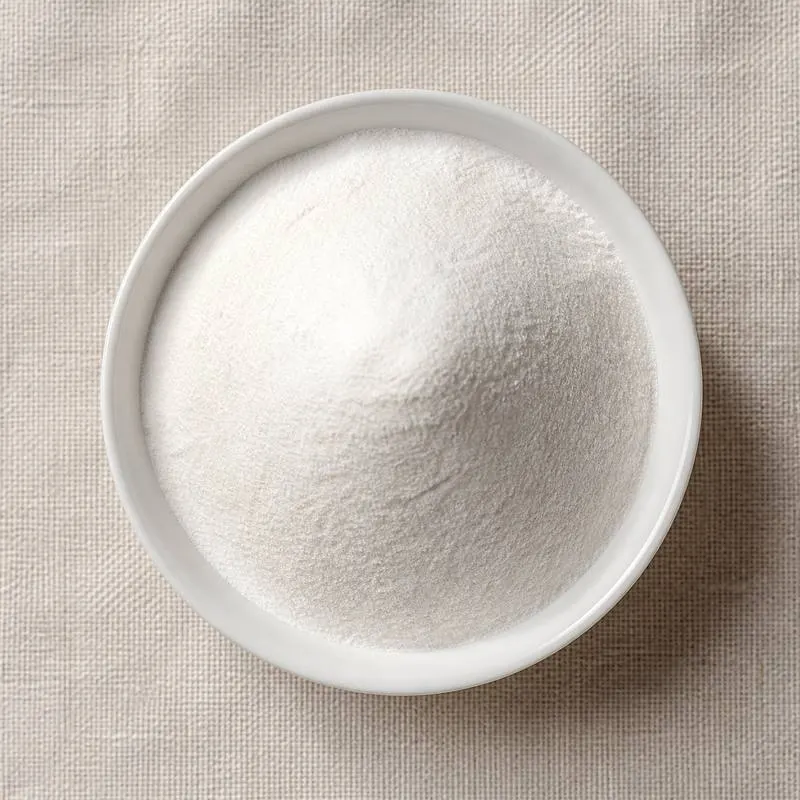
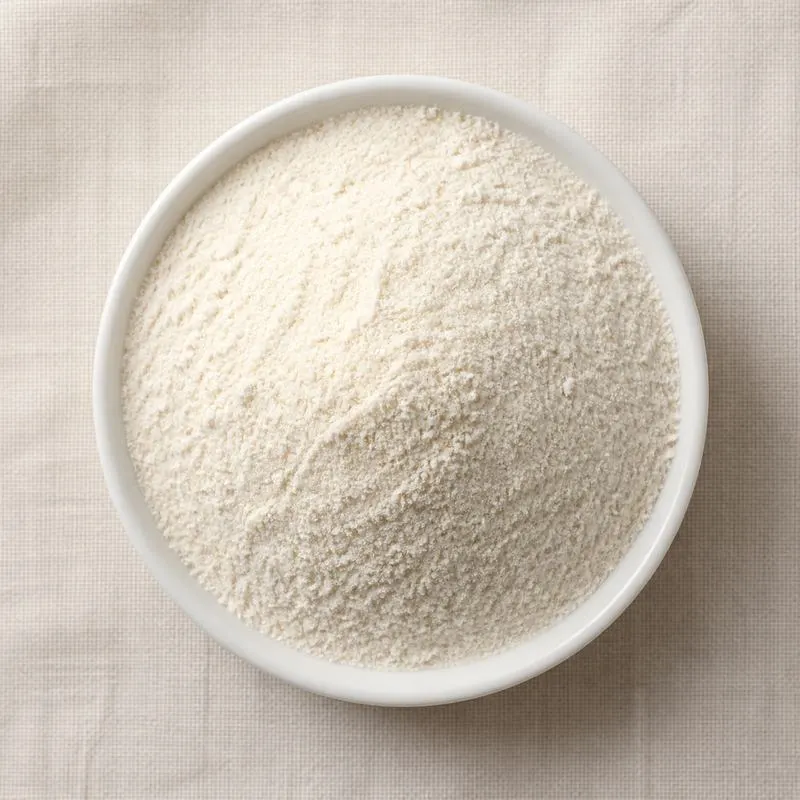
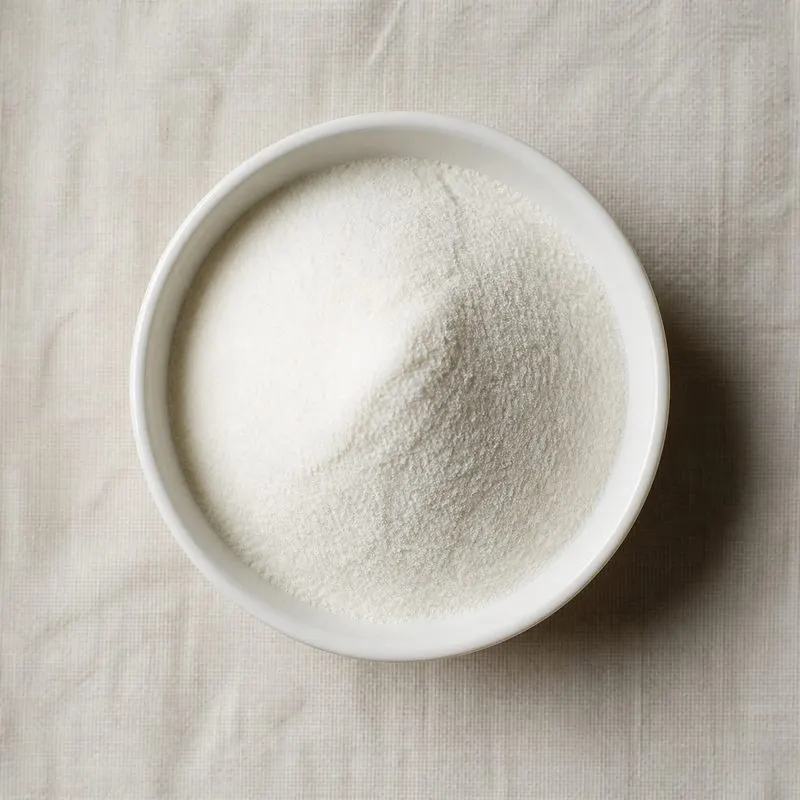
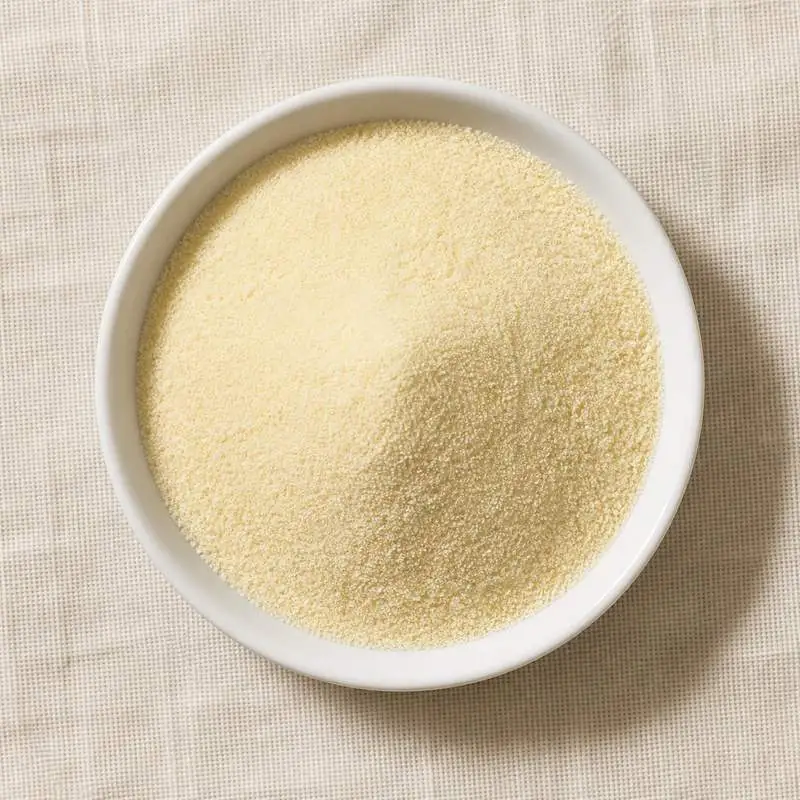
The material is a light yellow to orange-brown spray-dried powder, the colour coming from the carotenoid pigments of the fruiting body. It dissolves rapidly and completely in cold water to give a clear to slightly hazy solution, remains soluble across the pH range of ordinary beverages, and is stable through pasteurisation. The taste is savoury with a mild bitterness typical of low molecular weight fungal peptides.
We source bulk Cordyceps Militaris Polypeptide from top China manufacturers for our partners. The manufacturer is in Jiangsu. A smaller requirement can ship in a combined container with other ingredients.
Please send the grade you need, the volume and your destination port, and we will come back with a solution and a price.
or call +86-21-6858 0751
- Function
- Protein
Specifications
| Item | Specification |
|---|---|
| Appearance | Light yellow to orange-brown fine powder |
| Odour and taste | Characteristic fungal note, savoury with slight bitterness |
| Identification | Conforms, cordycepin peak by HPLC against reference standard |
| Peptide content, dry basis | Minimum 60.0 percent |
| Protein, N x 6.25, dry basis | Minimum 70.0 percent |
| Cordycepin | Minimum 0.2 percent |
| Fraction below 1000 daltons | Minimum 80.0 percent |
| Loss on drying | Maximum 7.0 percent |
| Ash | Maximum 8.0 percent |
| Solubility in water | Minimum 95.0 percent |
| pH, 1 percent solution | 5.0 to 7.0 |
| Lead | Maximum 0.5 mg per kg |
| Arsenic | Maximum 1.0 mg per kg |
| Cadmium | Maximum 0.5 mg per kg |
| Total plate count | Maximum 10,000 CFU per gram |
| Yeast and mould | Maximum 100 CFU per gram |
| E. coli | Negative per gram |
| Salmonella | Negative per 25 gram |
Common Markets Grades
The first grade split is raw material. Fruiting body material carries the higher cordycepin content and the characteristic orange colour, and commands a tighter specification. Mycelium grown by submerged liquid fermentation is cheaper, paler and lower in cordycepin but higher in total protein, and is used where the peptide rather than the nucleoside marker is the selling point.
The second is assay. Standard grades are specified at a minimum peptide content near 60 percent with cordycepin declared at 0.1 to 1.0 percent. Concentrated grades reach 80 percent peptide after ultrafiltration and desalting, and cordycepin-enriched grades are produced by additional resin chromatography. Molecular weight grades are traded on the proportion of the pool below 1000 daltons, typically a minimum of 80 percent. Decolourised grades polished over activated carbon are made for clear beverage use, while unrefined grades retain the natural pigment and are used in capsules and granules. Both fine powder and granulated instant formats are available, and material is generally food grade for supplement manufacture rather than bulk food protein.
Applications
- Capsules and tablets in energy, stamina and immune support supplement ranges
- Functional shots and tonics, where cold water solubility allows a clear liquid format
- Instant granules and solid drinks dissolved in hot water, a dominant format in East Asian markets
- Sports nutrition powders positioned around endurance and recovery
- Herbal compound formulations, where the peptide replaces coarse fungal powder for improved dispersibility
- Coffee and cocoa blends carrying a functional mushroom claim
- Gummies and chewables, where the small peptides do not interfere with pectin or gelatin setting
- Cosmetic serums and creams, where fungal peptides are used as humectants and conditioning agents
- Pet supplements aimed at vitality in senior animals
China Manufacturers of Cordyceps Militaris Polypeptide
Top Cordyceps Militaris Polypeptide manufacturers in China.
Company names and logos are the property of the manufacturers themselves. They are listed here because our own directory records them as producing this ingredient. A listing is not an endorsement by them, and we do not represent them or speak on their behalf.
Regulatory Status
In the United States, Cordyceps militaris preparations are marketed as dietary ingredients in supplements rather than as food additives, and there is no food additive regulation or affirmed generally recognized as safe listing for the polypeptide. A given preparation relies on demonstrating a marketing history as a dietary ingredient or on a new dietary ingredient notification, and label claims are limited to structure and function statements.
In the European Union the material carries no E number because it is not a food additive. Cordyceps militaris preparations without significant consumption in the Union before May 1997 fall to be assessed under the novel food framework of Regulation EU 2015/2283, and the status of a specific hydrolysate depends on its documented history and on any authorisation obtained. Several member states additionally restrict fungal preparations in food supplements through national botanical lists. In China Cordyceps militaris is an approved fungal species for use in food and health food, and in Japan and Korea it has a long record of use in traditional preparations. Codex has no commodity standard for the ingredient and JECFA has not evaluated it.
Manufacturing Process
Cordyceps militaris is cultivated either as fruiting bodies on a sterilised grain substrate in controlled light and humidity, or as mycelium in submerged liquid fermentation in stirred tanks. Fruiting bodies are harvested, cleaned of substrate and dried; mycelium is separated from the broth by centrifuge or filter press and washed.
The biomass is milled and slurried in water, then subjected to cell wall disruption, usually a combination of high pressure homogenisation and treatment with cellulase and beta-glucanase, which releases the intracellular protein that would otherwise stay locked behind the chitin and glucan wall. Proteases are then added, typically an alkaline bacterial protease followed by a neutral protease or exopeptidase, and hydrolysis is held at controlled pH and temperature to the target degree of hydrolysis before the enzymes are heat inactivated. Insoluble residue is removed by centrifugation and filtration, the liquor is passed through ultrafiltration to fix the molecular weight distribution, polished over activated carbon and desalted by nanofiltration, then concentrated under vacuum and spray dried.