Pectin
Pectin is a family of structural heteropolysaccharides found in the primary cell wall of all higher plants. Commercial pectin comes mainly from citrus peel and apple pomace, both by-products of juice manufacture.
The backbone is built principally from α-1,4-linked D-galacturonic acid units, partially methyl-esterified. Branch regions include rhamnose, arabinose, and galactose substituents. The degree and pattern of methyl esterification define gelling behaviour.
We source bulk Pectin from top China manufacturers for our partners, working with several of them. The manufacturers are in Anhui, Inner Mongolia and Guangdong. For this ingredient the minimum order is 500 kg and a 20-foot container takes 12 MT, and a smaller requirement can ship in a combined container with other ingredients.
Please send the grade you need, the volume and your destination port, and we will come back with a solution and a price.
or call +86-21-6858 0751
- Minimum order
- 500 kg
- Qty in 20' FCL
- 12 MT
- Packaging
- 25 kg kraft paper bag with PE inner liner
- ISO 9001
- HACCP
- Halal
- Kosher
Specifications
| Item | Specification |
|---|---|
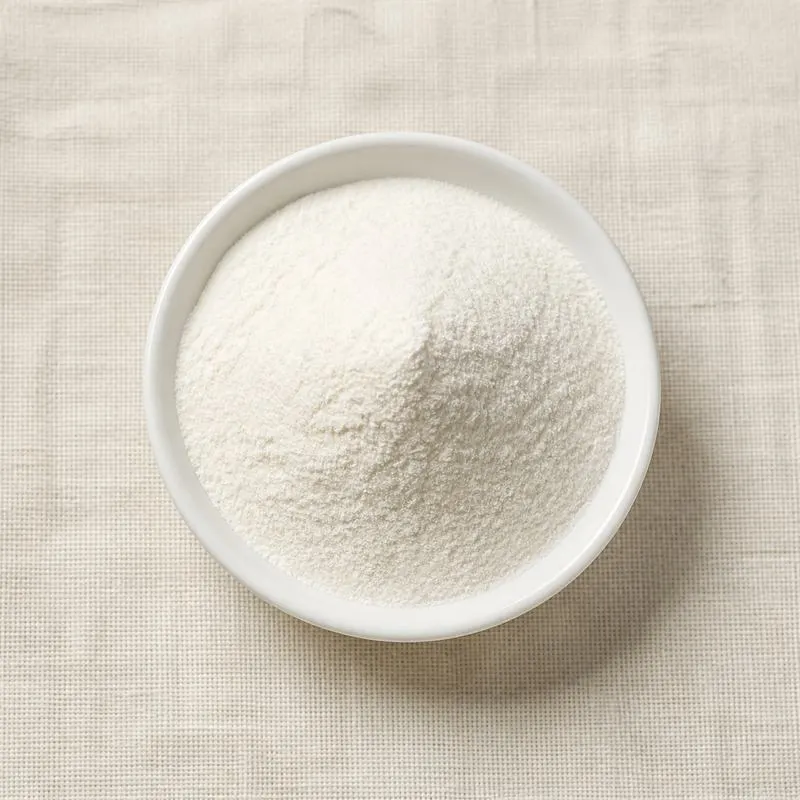
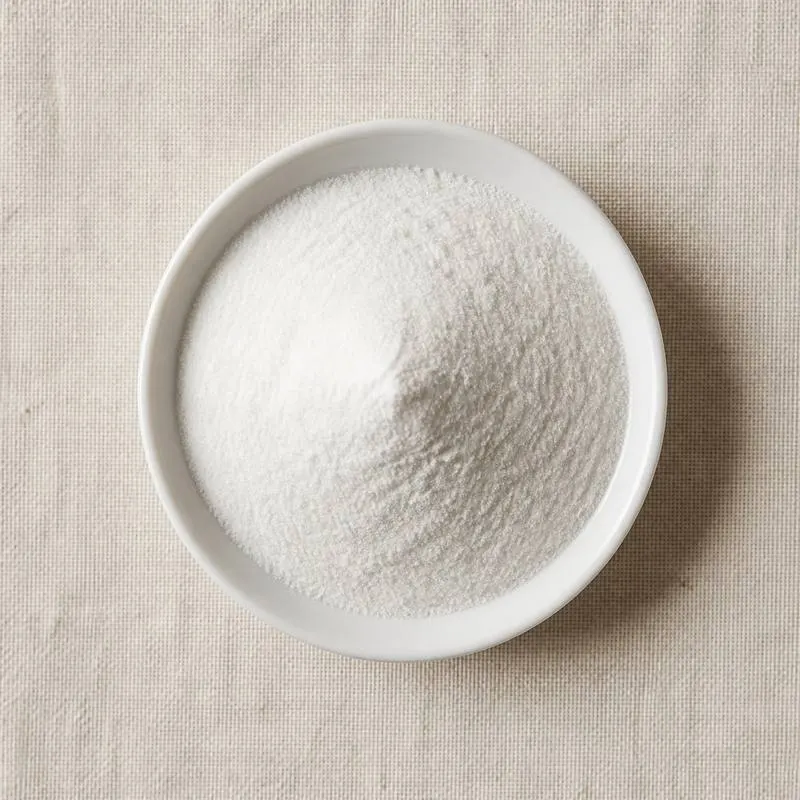
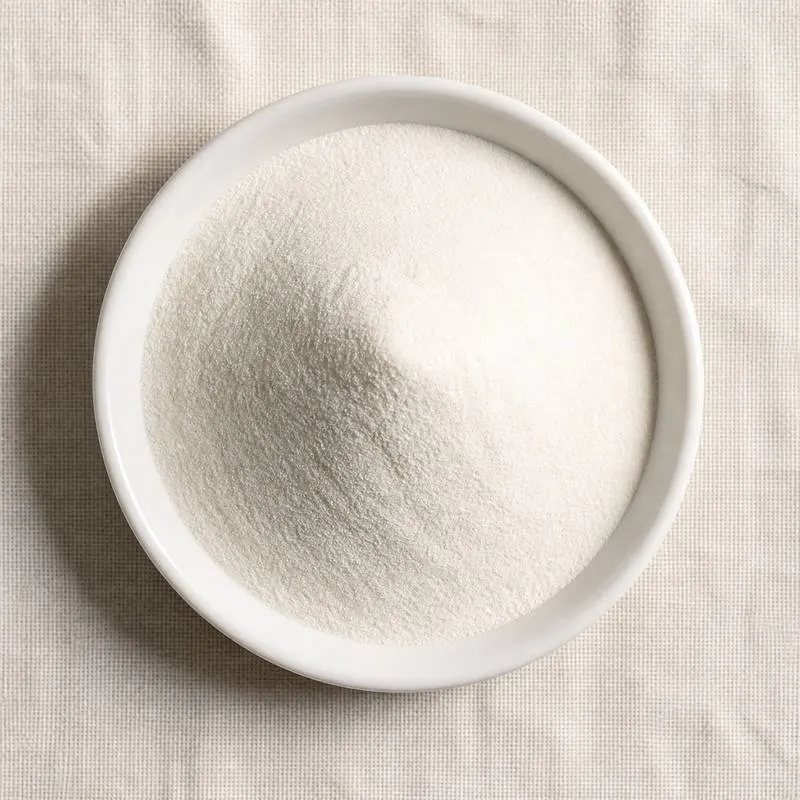
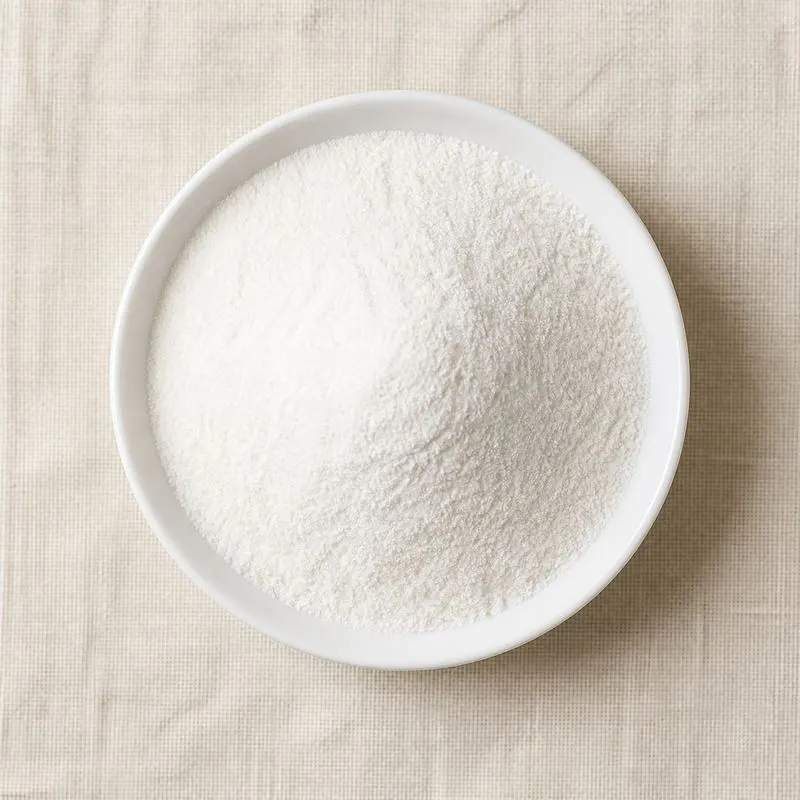
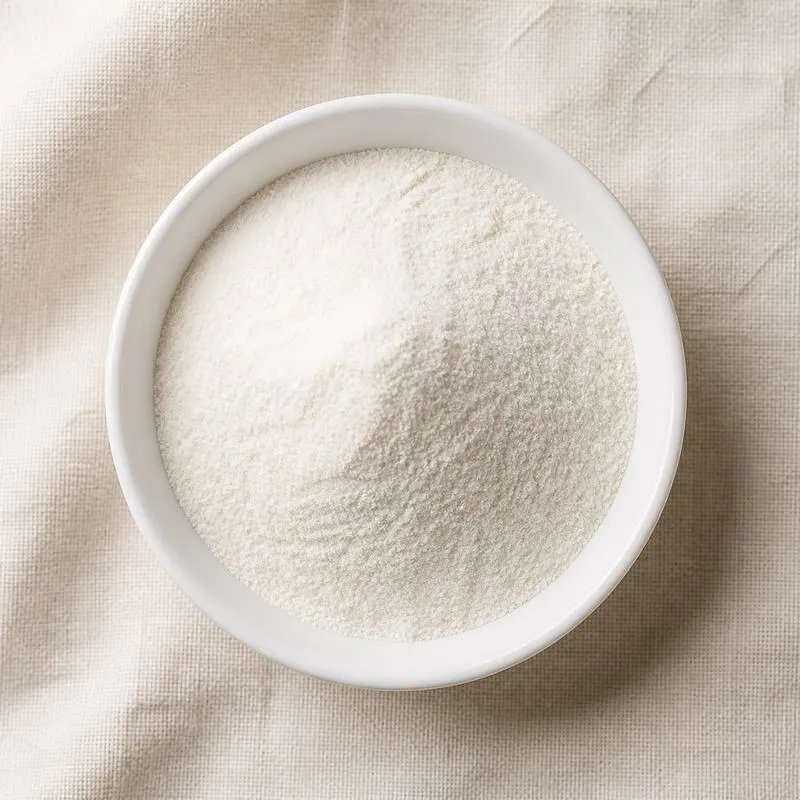
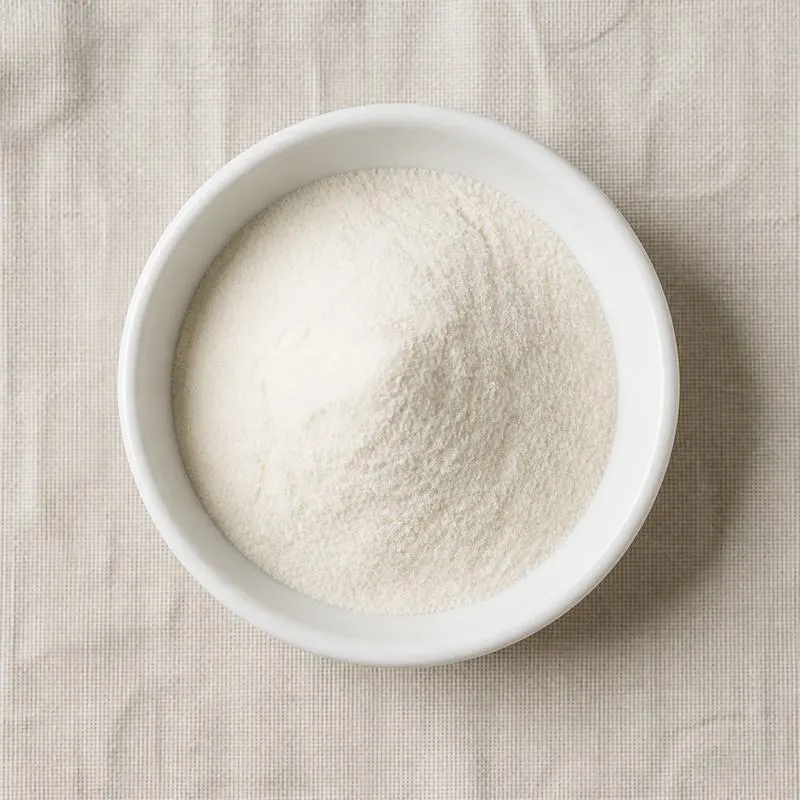
| Appearance | White to light brown free-flowing powder |
| Galacturonic acid content | ≥ 65.0% |
| Methoxyl content | ≥ 6.7% (HM) / ≤ 6.7% (LM) |
| Loss on drying | ≤ 12.0% |
| Ash | ≤ 5.0% |
| Heavy metals (as Pb) | ≤ 5 mg/kg |
| Arsenic | ≤ 3 mg/kg |
| Sulphur dioxide | ≤ 50 mg/kg |
| Gel grade (USA-SAG) | 150 / 200 / 250 (grade dependent) |
Common Markets Grades
Pectin is split into two principal types by methylation degree.
High-methoxyl (HM) pectin has more than 50 percent of carboxyls esterified. It requires a high-soluble-solids environment (above 55 percent) and low pH (around 3) to gel. It is the standard for jams, jellies, and preserves.
Low-methoxyl (LM) pectin has less than 50 percent methylation and gels in the presence of calcium ions across a wider pH and soluble-solids range. It is used in low-sugar jams, dairy desserts, and fruit fillings.
Amidated LM pectin (LMA) has some of the free carboxyls converted to amides, giving more elastic gels and better tolerance to calcium variation.
HM pectin is further graded as rapid-set, medium-set, and slow-set by methylation distribution.
Applications
- Jams, jellies, and fruit preserves, the historical core market for HM pectin
- Low-sugar and reduced-sugar fruit spreads using LM or LMA pectin
- Fruit fillings for bakery and dairy applications
- Acidified dairy beverages and drinking yogurts using HM pectin for casein protection
- Confectionery jellies and fruit gummies with sharp clean bite
- Pharmaceutical tablet binders and dietary fibre supplements
- Wound-healing dressings and biomedical scaffolds
- Cosmetic gels and natural-positioning thickeners
- Plant-based meat and dairy alternatives as a binder
- Encapsulation of probiotics and flavour actives
Brands Using Pectin
Widely-distributed consumer products that list Pectin on the ingredient label.
- Smucker'sStrawberry Jam ↗Listed: strawberries, high fructose corn syrup, corn syrup, sugar, fruit pectin, citric acid.Label verified 2026-05-24
- Smucker'sConcord Grape Jam ↗Listed: concord grapes, high fructose corn syrup, corn syrup, fruit pectin, citric acid.Label verified 2026-05-24
- OLLYSleep Gummies ↗Listed: Glucose Syrup, Sugar, Water, Gelatin, Pectin, Citric Acid...Label verified 2026-05-24
- OLLYGoodbye Stress Gummies ↗Listed: Glucose Syrup, Sugar, Water, Gelatin, Natural Flavor, Citric Acid, Fruit and Vegetable Juice (Color), Pectin...Label verified 2026-05-24
- Annie'sOrganic Berry Patch Bunny Fruit Snacks ↗Listed: Organic Rice Syrup, Organic Cane Sugar, Organic Tapioca Syrup Solids, Water, Organic Pear Juice Concentrate, Pectin...Label verified 2026-05-24
- Annie'sOrganic Fruit Tape Variety Pack ↗Listed: ...Sodium Citrate, Citrus Pectin, Citric Acid, Ascorbic Acid...Label verified 2026-05-24
Brand names, product names and logos are the property of their owners. They appear here as published evidence that the ingredient is used, taken from the brand's own label or website. Their appearance is not an endorsement, and it does not mean the brand buys from us or from any manufacturer listed on this site.
China Manufacturers of Pectin
Top Pectin manufacturers in China.
- Dangshan Haisheng Pectin Co., Ltd.3 ingredients in the directory
- Inner Mongolia Constan Biotech Co., Ltd.4 ingredients in the directory
- Sihui Jietianyuan Biotechnology Co., Ltd.5 ingredients in the directory
Company names and logos are the property of the manufacturers themselves. They are listed here because our own directory records them as producing this ingredient. A listing is not an endorsement by them, and we do not represent them or speak on their behalf.
How We Help Source Pectin
Direct Factory Sourcing
We run the whole process: selecting the manufacturer from the top Chinese food ingredient producers, negotiating the price, verifying quality, and coordinating the logistics. You deal with us instead of with several factories at once.
Original Packaging and Documents from the Manufacturer
The manufacturer sends your Pectin out of its own factory in the original packing, through to your destination port. The COA, COO, MSDS, TDS and any certifications reach you from the manufacturer as well.
Free Samples and Lead Time
We send 100 to 500 g free for your own laboratory to test and you cover only the courier, usually within 2 to 3 working days. ETD is usually within 7 to 15 days once the order is confirmed, and we check that date against the factory's own manufacturing schedule before we give it to you.
Combined Shipment
We can load Pectin together with other ingredients such as Carrageenan, Sodium Carboxymethyl Cellulose and Agar Agar into one 20' FCL. If your quantity is small, we can also ship LCL.
Regulatory Status
Pectin is approved as a food additive in essentially every regulated market and is one of the oldest authorised gums.
Regulation (EC) No 1333/2008 lists it as E440 in the European Union, with E440(i) for pectin and E440(ii) for amidated pectin. The U.S. FDA permits pectin as GRAS at 21 CFR 184.1588.
JECFA has assigned ADI not specified. Halal, Kosher, vegan, non-GMO, organic, and gluten-free certifications are routinely available.
Manufacturing Process
Citrus peel from orange and lemon juice plants, and apple pomace from cider and juice operations, supply the raw material. Both are pressed and dried before pectin extraction.
The dried peel or pomace is extracted with hot dilute mineral acid, typically nitric or sulphuric, at pH 1.5 to 3 and 70 to 90 °C. This hydrolyses the pectin from the cell wall into solution.
The extract is filtered, concentrated under vacuum, and precipitated with isopropyl alcohol. The fibrous pectin precipitate is pressed, washed, dried, and milled.
To make LM pectin, the HM pectin can be partially de-esterified by acid, alkali, or enzyme treatment. Amidation is performed with ammonia under controlled alkali conditions.