E-Polylysine
E-Polylysine, more formally epsilon-poly-L-lysine, is a homopolymer of 25 to 35 L-lysine residues linked together through an unusual isopeptide bond between the alpha-carboxyl group of one residue and the epsilon-amine group of the next. The cationic polymer is produced by aerobic fermentation of the soil actinomycete Streptomyces albulus.
The molecule carries CAS number 28211-04-3 and acts as a broad-spectrum antimicrobial against Gram-positive bacteria, Gram-negative bacteria, yeasts, moulds, and some bacteriophages. Its mode of action involves electrostatic disruption of the negatively charged microbial cell surface, leading to membrane destabilisation.
We source bulk E-Polylysine from top China manufacturers for our partners. The manufacturer is in Shandong. A smaller requirement can ship in a combined container with other ingredients.
Please send the grade you need, the volume and your destination port, and we will come back with a solution and a price.
or call +86-21-6858 0751
- Packaging
- 25 kg kraft paper bag with PE inner liner
- ISO 9001
- HACCP
- Halal
- Kosher
Specifications
| Item | Specification |
|---|---|
| Appearance | White to light yellow powder |
| Assay (ε-Polylysine content) | ≥ 95.0% (dry basis) |
| Polymerization Degree | 25–35 residues |
| Molecular Weight | 3,000–4,500 Da |
| Loss on Drying | ≤ 6.0% |
| pH (1% solution) | 5.0–7.0 |
| Residue on Ignition | ≤ 8.0% |
| Heavy Metals (as Pb) | ≤ 10 mg/kg |
| Lead (as Pb) | ≤ 2 mg/kg |
| Arsenic (as As) | ≤ 1 mg/kg |
| Mercury (as Hg) | ≤ 0.1 mg/kg |
| Total Plate Count | ≤ 1,000 CFU/g |
| E. coli | Negative/g |
| Salmonella | Negative/25g |
| Purity/Assay | ≥ 98% |
| Moisture/Loss on Drying | ≤ 10% |
| Particle Size/Mesh | 100% pass 80 mesh |
| Ash | ≤ 5% |
| Yeast & Mold | ≤ 100 cfu/g |
Common Markets Grades
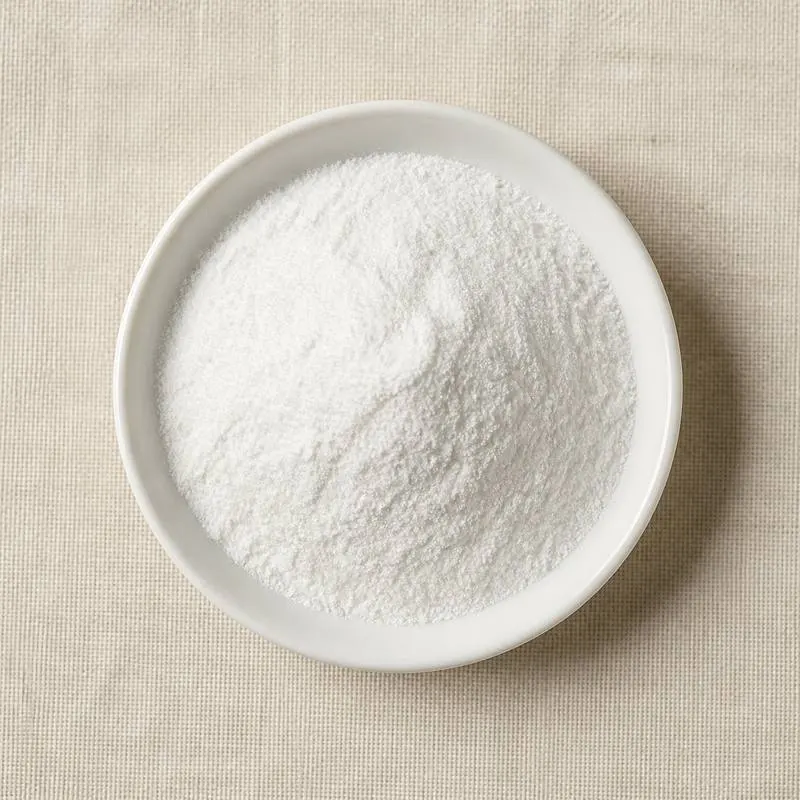
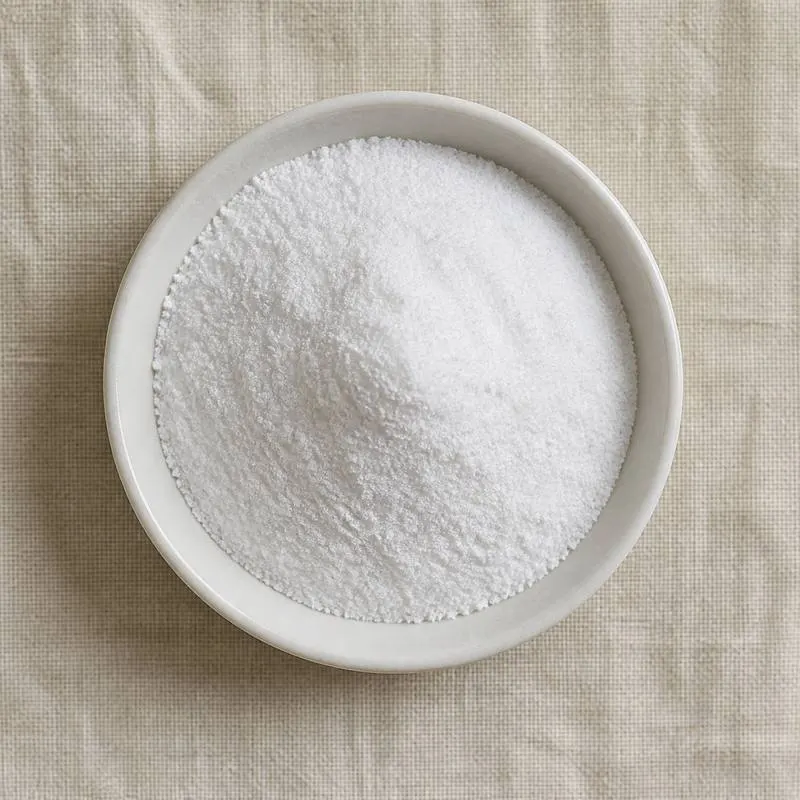
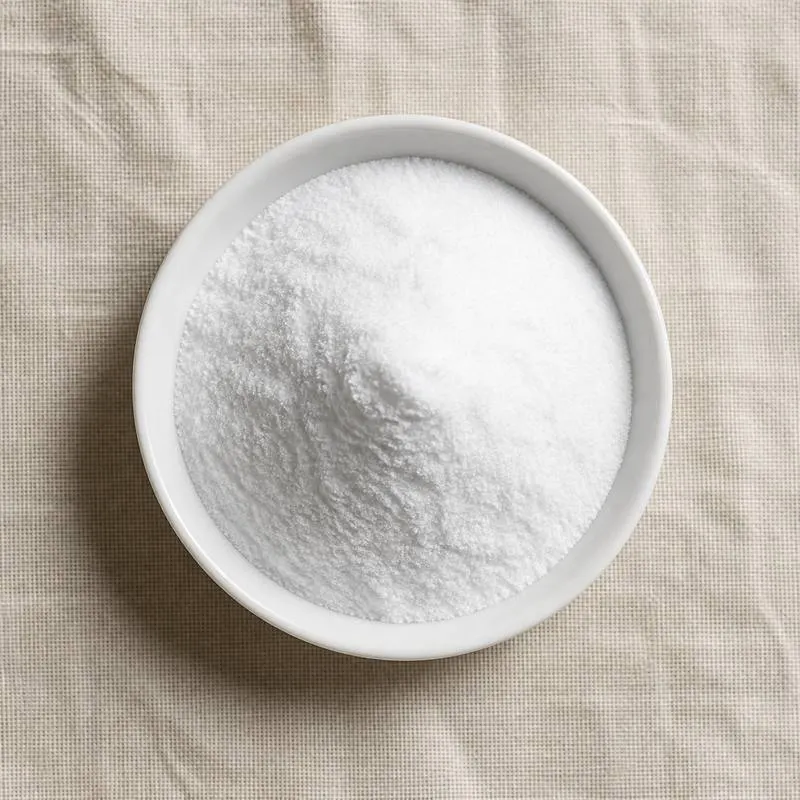
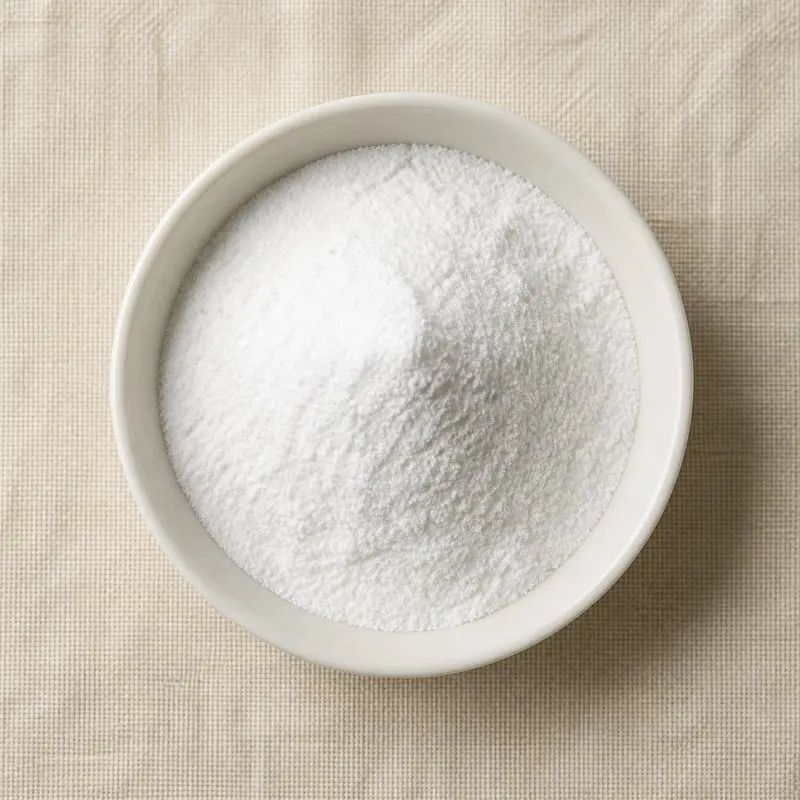
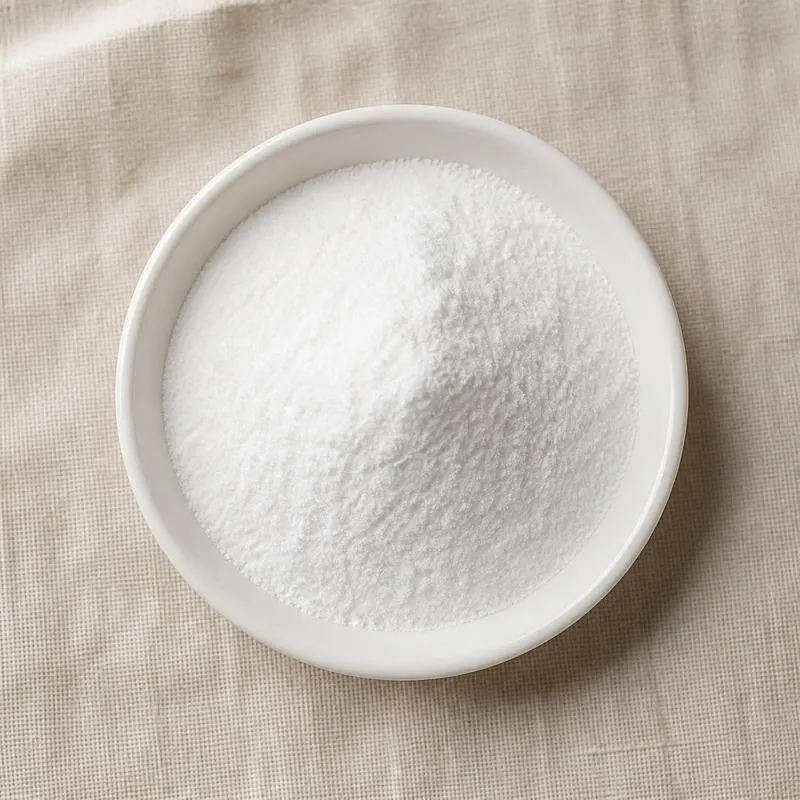
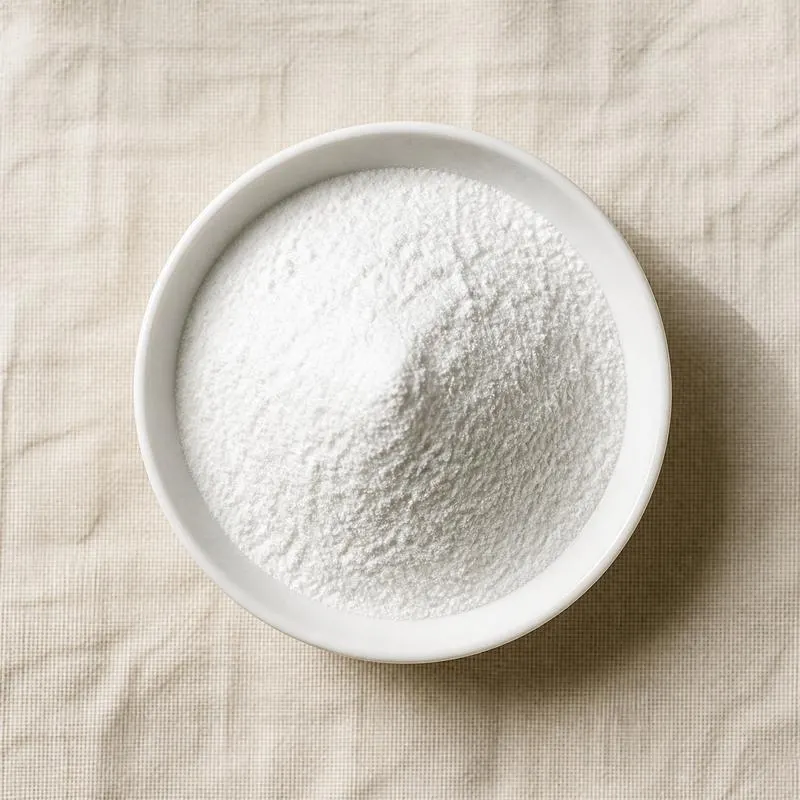
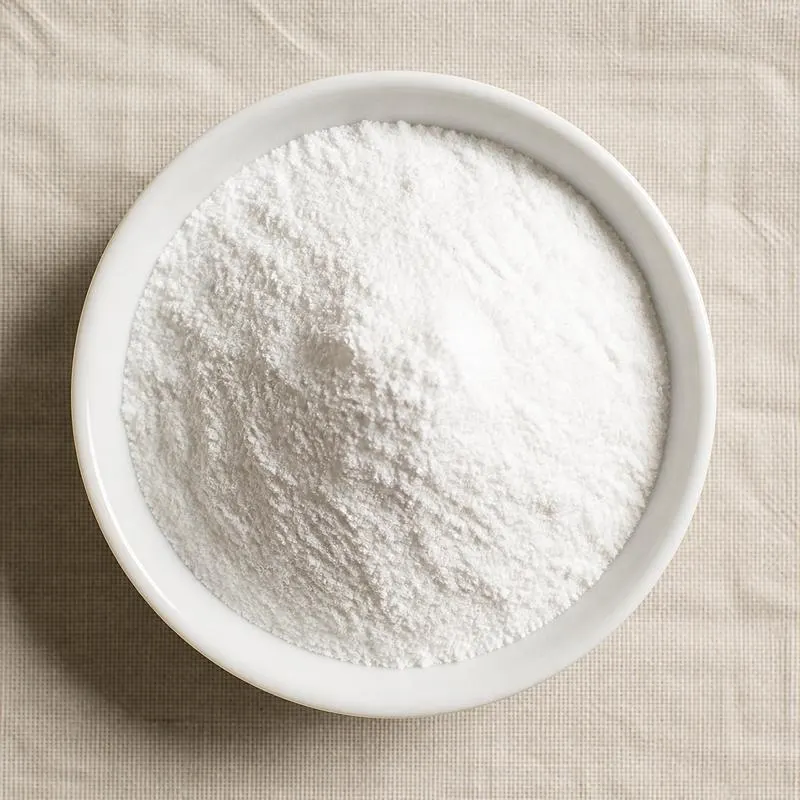
E-Polylysine is a pale yellow free-flowing powder or an aqueous solution.
The dominant food-grade format is the free-base powder at 95 percent or higher purity, with the balance being residual sugars and salts from the fermentation broth. A 50 percent food-grade aqueous solution is produced for direct dosing into liquid food systems.
The hydrochloride salt form is produced separately under its own product code with improved water solubility and storage stability. A higher-purity grade at 98 percent is produced for pharmaceutical and cosmetic applications.
Applications
- Cooked rice and sushi rice for shelf-life extension under refrigerated retail display
- Boiled noodles, udon, and ramen pre-packed for chilled distribution
- Bento box composite meals to suppress Bacillus cereus outgrowth
- Sandwich fillings, mayonnaise-based salads, and prepared deli items
- Soft drinks, juices, and ready-to-drink teas to extend shelf life of low-acid beverages
- Pet food and treats including semi-moist formulations
- Cosmetic preservation in shampoos, conditioners, and skincare emulsions
- Edible coatings for fresh-cut fruits and vegetables when blended with other film-formers
- Hand-sanitiser and surface-cleaner formulations as a residual antimicrobial
- Wound-care dressings and antimicrobial textile finishes
- Dental-care products and mouthwashes for oral-cavity bacteria control
- Drug-delivery and nanoparticle carrier research
China Manufacturers of E-Polylysine
Top E-Polylysine manufacturers in China.

Company names and logos are the property of the manufacturers themselves. They are listed here because our own directory records them as producing this ingredient. A listing is not an endorsement by them, and we do not represent them or speak on their behalf.
How We Help Source E-Polylysine
Direct Factory Sourcing
We run the whole process: selecting the manufacturer from the top Chinese food ingredient producers, negotiating the price, verifying quality, and coordinating the logistics. You deal with us instead of with several factories at once.
Original Packaging and Documents from the Manufacturer
The manufacturer sends your E-Polylysine out of its own factory in the original packing, through to your destination port. The COA, COO, MSDS, TDS and any certifications reach you from the manufacturer as well.
Free Samples and Lead Time
We send 100 to 500 g free for your own laboratory to test and you cover only the courier, usually within 2 to 3 working days. ETD is usually within 7 to 15 days once the order is confirmed, and we check that date against the factory's own manufacturing schedule before we give it to you.
Combined Shipment
We can load E-Polylysine together with other ingredients such as Calcium Propionate, Sodium Diacetate and Sodium Propionate into one 20' FCL. If your quantity is small, we can also ship LCL.
Regulatory Status
E-Polylysine holds GRAS status in the United States. GRAS Notice GRN 135, accepted by the U.S. Food and Drug Administration in 2003, covers use in cooked rice and sushi rice at up to 50 mg per kg.
Subsequent GRAS notices have expanded permitted uses to additional food categories including pasta, soups, sauces, and ready-to-eat meals. The substance is also affirmed for use in Japan, where it has been an approved food preservative since 1989 and is the dominant home market for the polymer.
In the European Union, e-polylysine is not currently approved as a food additive under Regulation 1333/2008. A food additive petition has been under review but the substance is presently not permitted in EU food.
The substance is approved for food use in China, South Korea, and several other Asian markets. Halal and Kosher certifications are routinely available.
Manufacturing Process
E-Polylysine is produced by submerged aerobic fermentation of Streptomyces albulus, a strain first isolated in Japan in the late 1970s by researchers screening soil organisms for unusual polymers.
The fermentation runs on a glucose and ammonium-sulphate medium with controlled acidification to pH around 4. Acid conditions are required because the producer organism only secretes the polymer when the medium is acidic.
After fermentation the broth is filtered to remove biomass and then passed through a cation-exchange resin. The positively charged polymer binds to the resin and is eluted with dilute acid or salt solution.
The eluate is concentrated, decolourised by activated carbon, and spray-dried to give the finished free-base powder. Conversion to the hydrochloride salt form involves a final pH adjustment with hydrochloric acid before drying.