Epsilon-Poly-L-Lysine
Epsilon-Poly-L-Lysine is a homopolymer of the essential amino acid L-lysine in which the monomers are joined by isopeptide bonds between the alpha-carboxyl of one residue and the epsilon-amino group of the next.
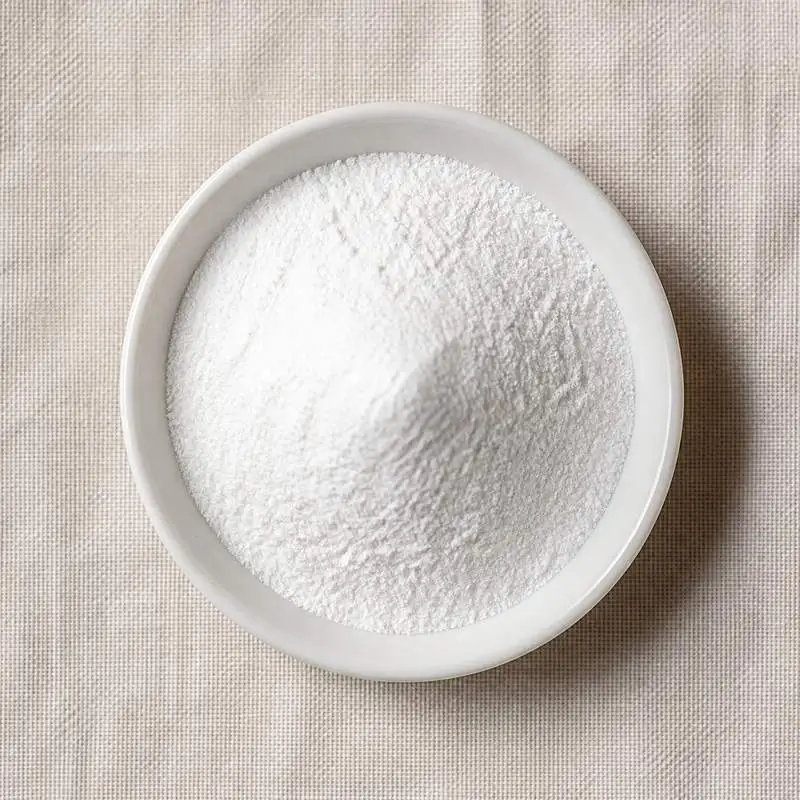
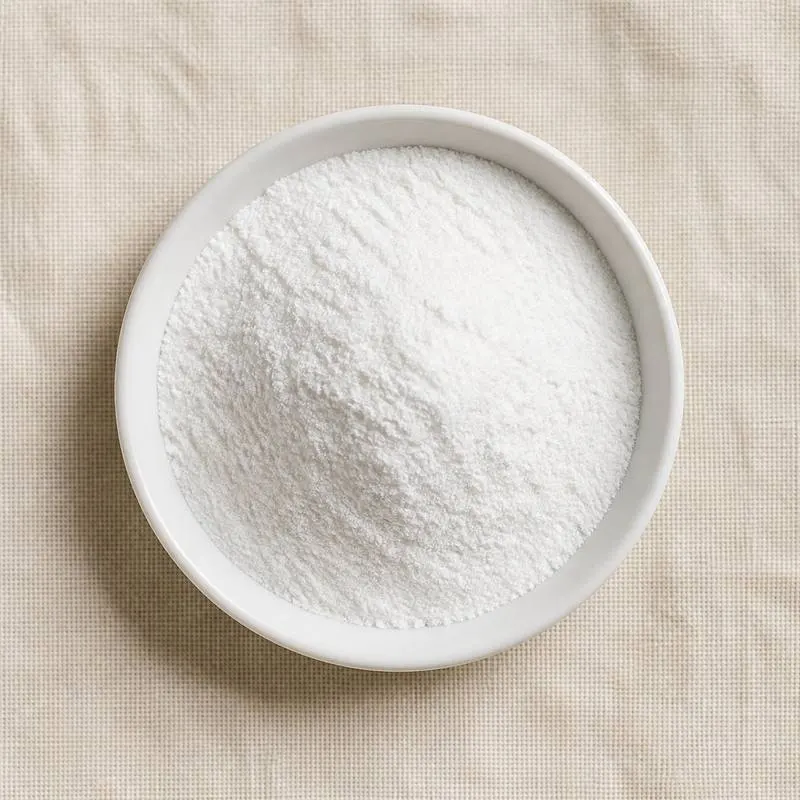
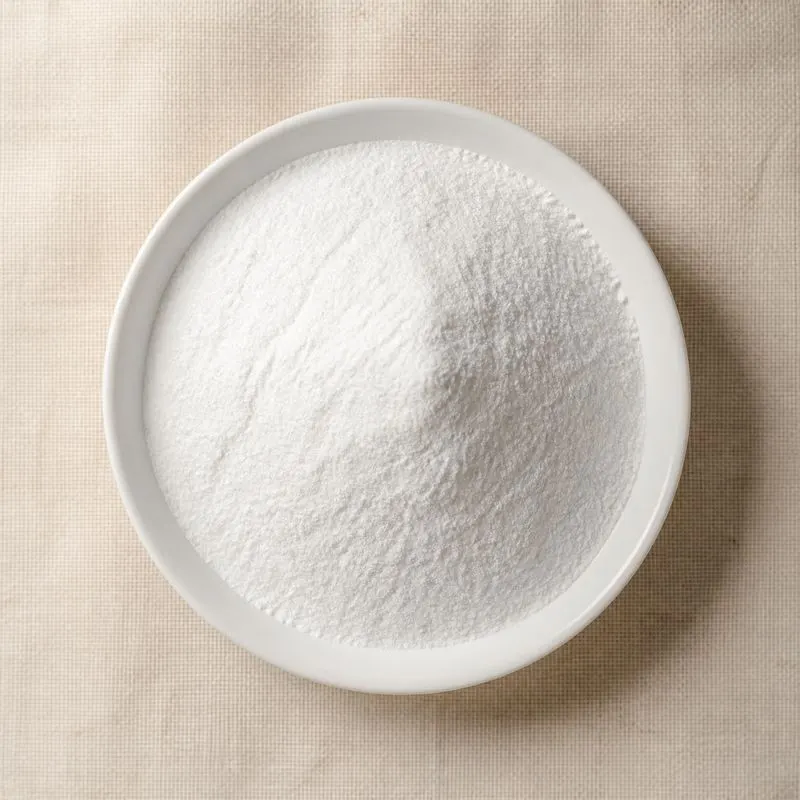
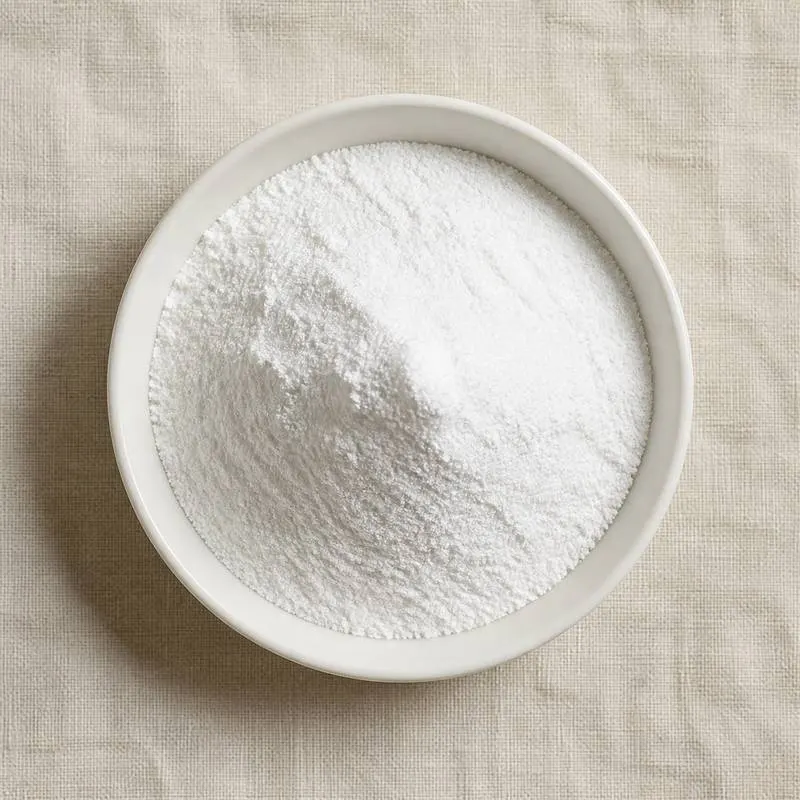
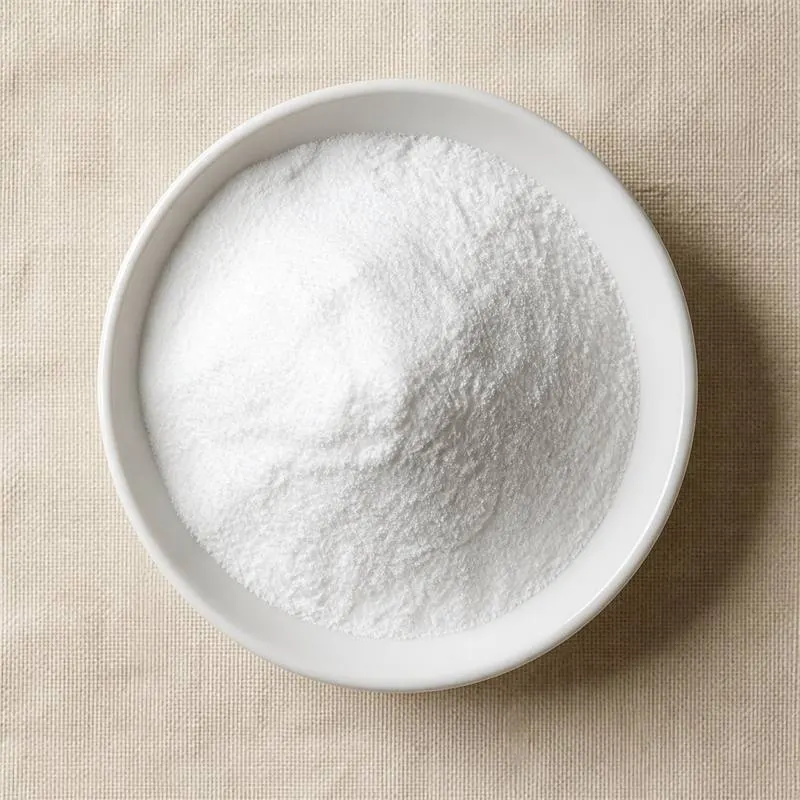
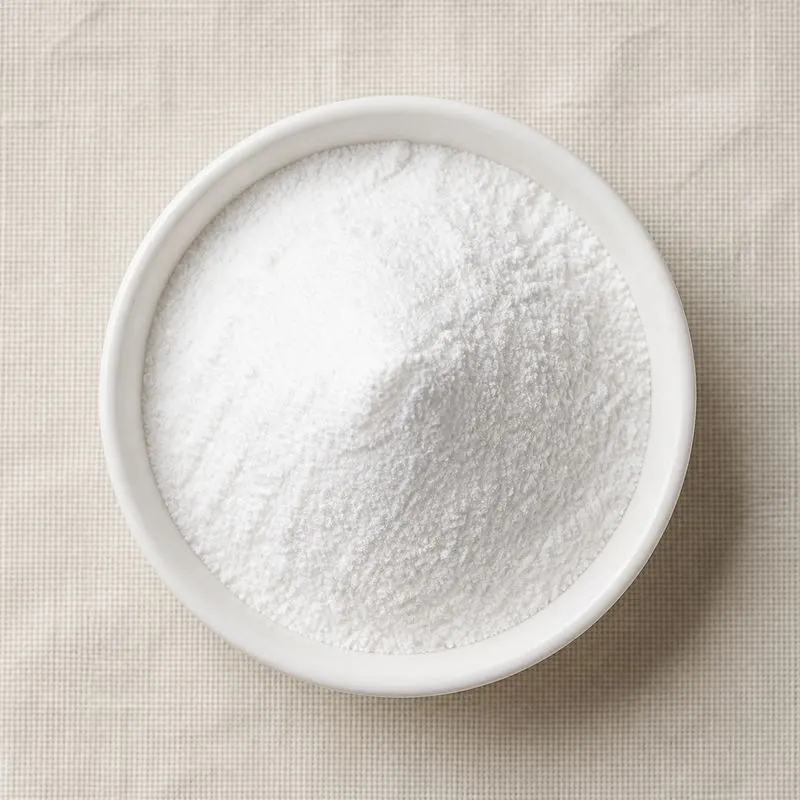
The polymer typically contains 25 to 35 lysine residues, has a molar mass between 3,200 and 4,500 g/mol, and reaches the buyer as a pale yellow powder or aqueous solution. It carries CAS number 28211-04-3, is widely abbreviated as ε-PL, and is approved as a food preservative under the FDA GRAS Notice GRN 135.
We source bulk Epsilon-Poly-L-Lysine from top China manufacturers for our partners. The manufacturer is in Henan. A smaller requirement can ship in a combined container with other ingredients.
Please send the grade you need, the volume and your destination port, and we will come back with a solution and a price.
or call +86-21-6858 0751
- Packaging
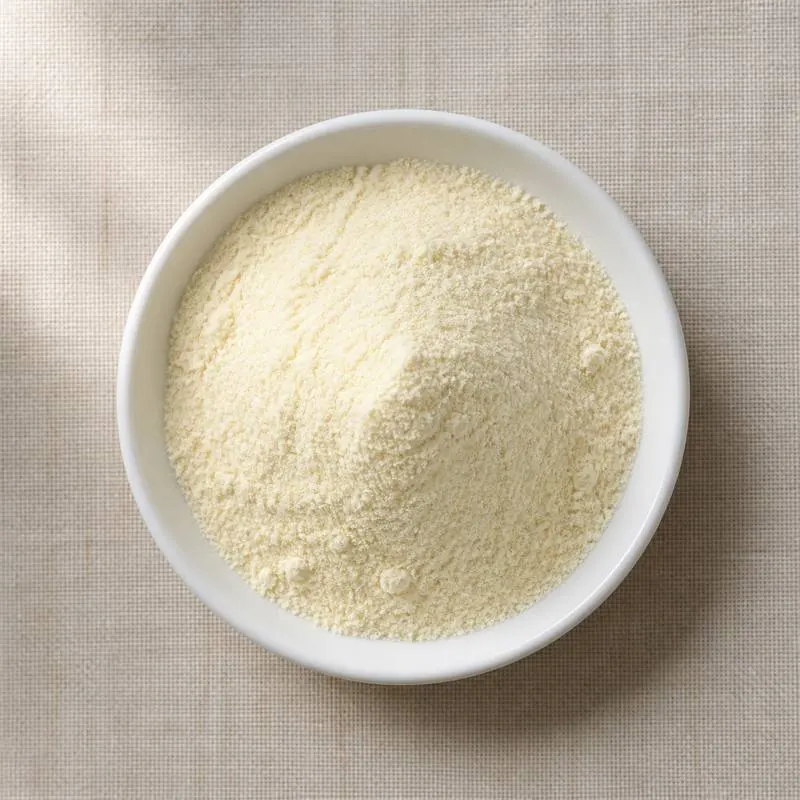
- 25 kg kraft paper bag with PE inner liner
- ISO 9001
- HACCP
- Halal
- Kosher
Specifications
| Item | Specification |
|---|---|
| Appearance | Light yellow to white powder |
| Assay (as Epsilon-Poly-L-Lysine) | ≥ 25.0% |
| Moisture | ≤ 6.0% |
| pH (1% solution) | 3.0 - 5.0 |
| Particle Size (through 60 mesh) | ≥ 90% |
| Total Plate Count | ≤ 1000 CFU/g |
| Yeasts & Molds | ≤ 100 CFU/g |
| Heavy Metals (as Pb) | ≤ 10 mg/kg |
| Arsenic (as As) | ≤ 3 mg/kg |
| Lead (Pb) | ≤ 1 mg/kg |
Common Markets Grades
Two formats cover the market: a free-flowing powder, typically 50 percent active diluted with maltodextrin or starch, and a 25 percent aqueous solution.
The 50 percent powder grade is the standard format for dry-blend seasoning and surface-treatment applications, since the dilution carrier eases dispersion at the parts-per-million dose levels typical of food use.
A 95 percent assay technical grade is also produced for research, cosmetic, and specialty applications including hydrogel synthesis and antimicrobial coating formulations. This grade ships in smaller pack sizes under nitrogen.
The 25 percent aqueous solution is produced for liquid food applications including chilled soups, sauces, and ready-meal dressings, where pre-dissolved dosing avoids hydration delays at point of use.
Applications
- Surface antimicrobial treatment for cooked rice and noodle products
- Refrigerated sushi, bento, and ready-meal preservation
- Sliced cooked meats, hams, and deli products as a clean-label antimicrobial
- Chilled dips, salad dressings, and prepared sauces
- Bakery surface treatment for sliced bread and pastries
- Beverage stabilisation in low-acid teas and dairy-based drinks
- Cooked seafood and fish surimi products
- Cosmetic preservation in natural-positioning skincare formulas
- Hydrogel and biomedical material synthesis as a cationic polymer building block
- Antimicrobial film and food packaging coatings
- Cell-culture media as a substrate for monolayer cell attachment
- Specialty pet food and treat preservation in chilled and moist formats
China Manufacturers of Epsilon-Poly-L-Lysine
Top Epsilon-Poly-L-Lysine manufacturers in China.
Company names and logos are the property of the manufacturers themselves. They are listed here because our own directory records them as producing this ingredient. A listing is not an endorsement by them, and we do not represent them or speak on their behalf.
How We Help Source Epsilon-Poly-L-Lysine
Direct Factory Sourcing
We run the whole process: selecting the manufacturer from the top Chinese food ingredient producers, negotiating the price, verifying quality, and coordinating the logistics. You deal with us instead of with several factories at once.
Original Packaging and Documents from the Manufacturer
The manufacturer sends your Epsilon-Poly-L-Lysine out of its own factory in the original packing, through to your destination port. The COA, COO, MSDS, TDS and any certifications reach you from the manufacturer as well.
Free Samples and Lead Time
We send 100 to 500 g free for your own laboratory to test and you cover only the courier, usually within 2 to 3 working days. ETD is usually within 7 to 15 days once the order is confirmed, and we check that date against the factory's own manufacturing schedule before we give it to you.
Combined Shipment
We can load Epsilon-Poly-L-Lysine together with other ingredients such as Glycine, L-Arginine and L-Leucine into one 20' FCL. If your quantity is small, we can also ship LCL.
Regulatory Status
Epsilon-Poly-L-Lysine is approved as a food preservative in several major markets.
In the United States it holds GRAS status under FDA GRAS Notice GRN 135 (filed 2003, acknowledged 2004) for use as an antimicrobial agent in cooked rice and sushi rice, at maximum use levels specified in the notice.
In Japan, where the polymer was first commercialized, it has been a permitted food additive since 1989 under the natural food additive list maintained by the Ministry of Health, Labour and Welfare. It is widely used in convenience-store bento and onigiri products.
In Korea it is permitted as a food additive under the Korea Food Additives Code. The European Union has not yet authorised the substance as a food additive under Regulation (EC) 1333/2008, though it may be used in cosmetic preservation systems.
JECFA has not yet completed a full evaluation. Halal and Kosher certifications are routinely available, since the fermentation feedstock is plant-derived.
Manufacturing Process
Epsilon-Poly-L-Lysine is produced exclusively by aerobic submerged fermentation using the bacterium Streptomyces albulus.
The organism was originally isolated in 1977 by Shima and Sakai of the Chisso Corporation from a Japanese soil sample, screened on a polylysine-binding dye. Modern industrial strains come from strain improvement programs and reach broth titers of 30 to 50 g/L on glucose or molasses feedstock.
Fermentation runs over five to seven days under controlled acidic pH (3.5 to 4.0), which favors polymer secretion and limits feedback inhibition. The polymer is excreted into the broth in the cationic protonated form, where it forms a soluble complex with broth components.
Recovery proceeds by removing cells via filtration, binding the polymer onto a cation-exchange resin, eluting with dilute ammonia, decolorising over activated carbon, and concentrating under vacuum. The concentrate is either spray-dried with a maltodextrin carrier to yield the standard 50 percent powder, or filtered and packaged as the 25 percent aqueous solution.