Edible Plasma Protein
Edible plasma protein is the spray dried protein fraction of blood plasma, collected from pigs or cattle at slaughter and separated from the red cells by centrifugation. Plasma accounts for roughly 60 percent of whole blood by volume and carries about 7 percent protein in solution, dominated by serum albumin, the immunoglobulins and fibrinogen, and the dried powder concentrates that to around 70 to 78 percent protein.
Its value in food manufacture rests on two functional properties. It forms a firm, irreversible gel on heating, with gelation beginning around 70 degrees Celsius, which lets it bind chopped meat into a sliceable structure. It is also an effective emulsifier and foaming agent, because albumin adsorbs strongly at both oil and air interfaces. In combination these give a binder that holds water and fat in a cooked meat product and raises yield without contributing flavour of its own.
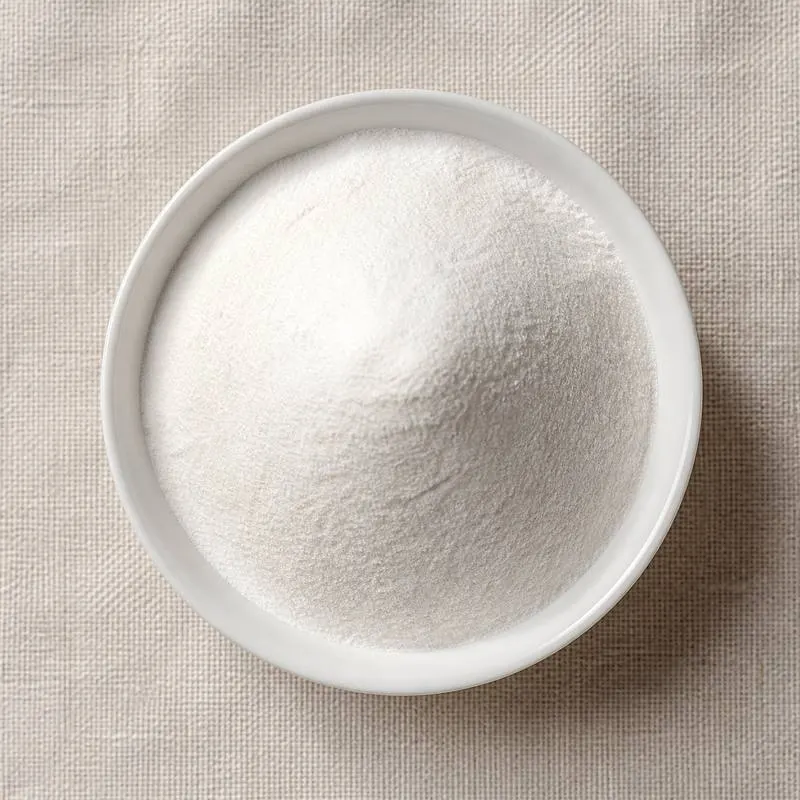
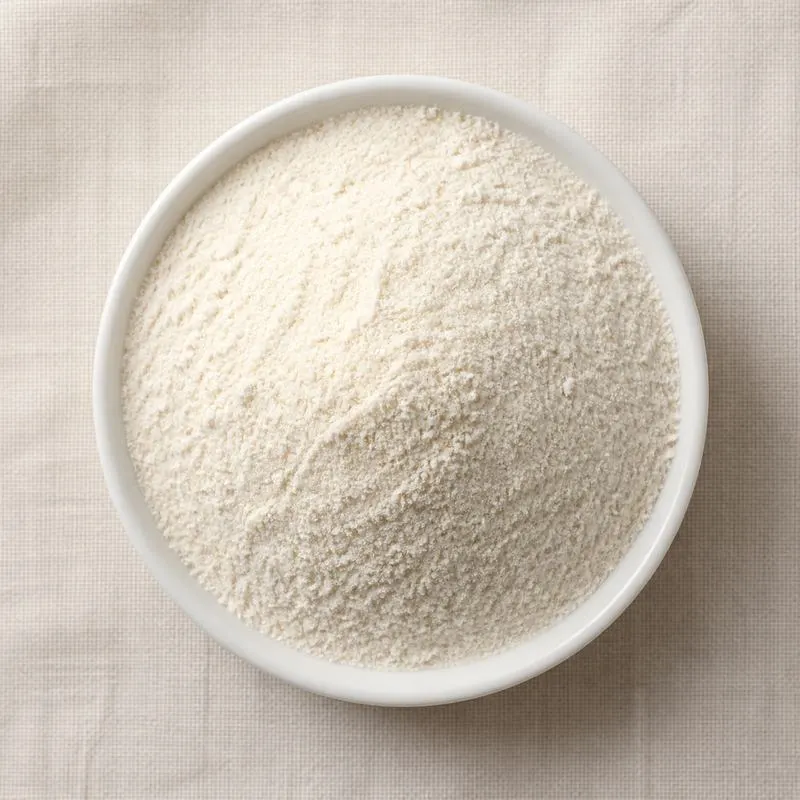
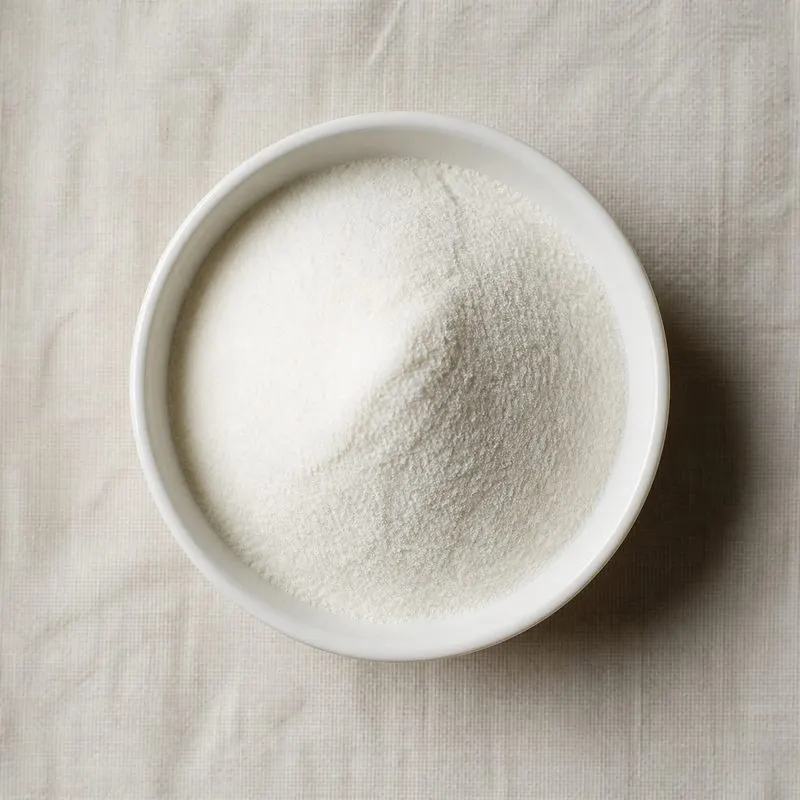
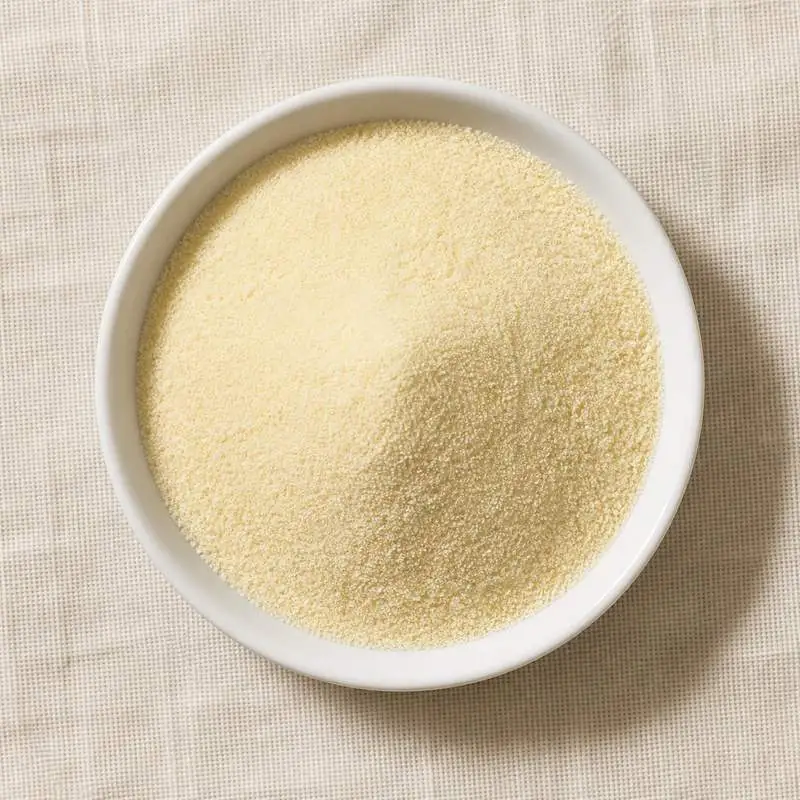
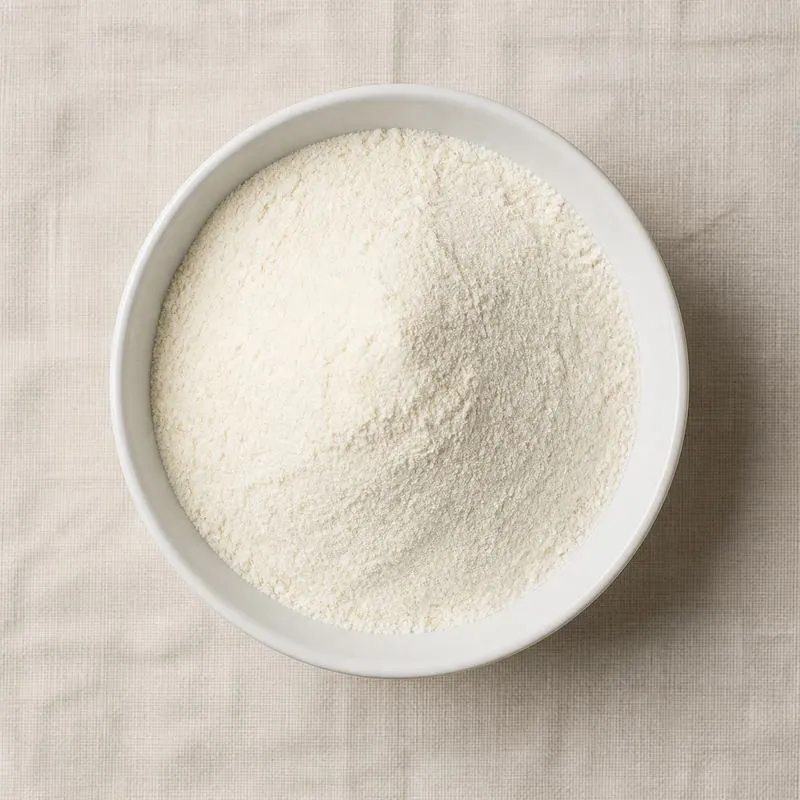
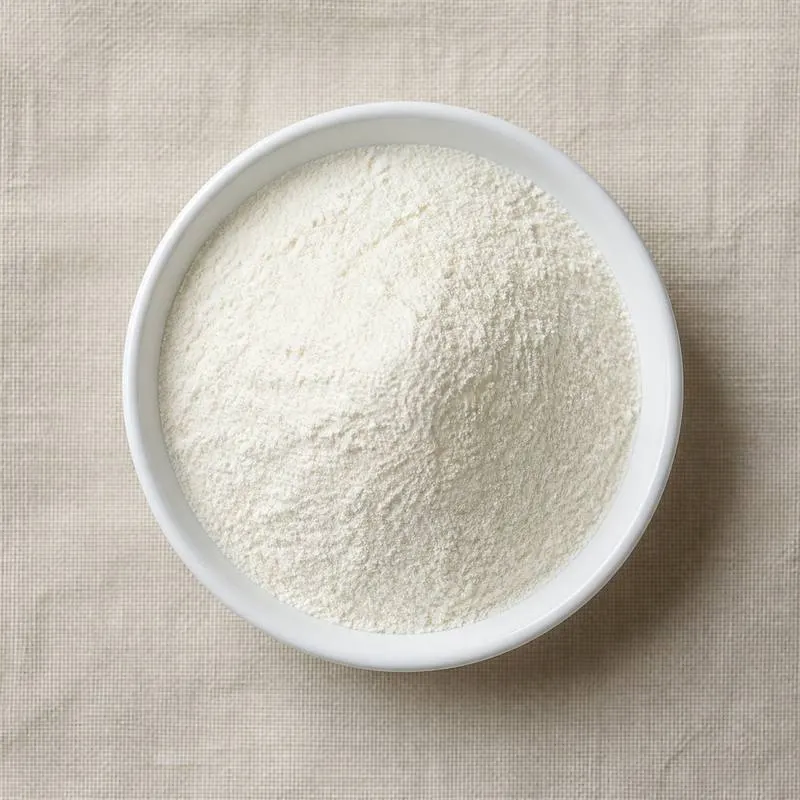
The material is a cream to light beige spray dried powder, readily soluble in water to a slightly hazy solution with a faint characteristic odour. Solubility and gel strength both depend on the drying being gentle enough to leave the albumin undenatured, so inlet temperature control during spray drying is the process variable that most affects the value of the finished powder.
We source bulk Edible Plasma Protein from top China manufacturers for our partners. The manufacturer is in Hubei. A smaller requirement can ship in a combined container with other ingredients.
Please send the grade you need, the volume and your destination port, and we will come back with a solution and a price.
or call +86-21-6858 0751
- Function
- Protein
Specifications
| Item | Specification |
|---|---|
| Appearance | Cream to light beige free flowing powder |
| Odour and Taste | Faint characteristic odour, bland taste |
| Species of Origin | Declared, traceable to inspected slaughter |
| Protein (dry basis, N x 6.25) | Not less than 72.0 percent |
| Identification | Electrophoretic profile conforms to plasma reference |
| Moisture | Not more than 8.0 percent |
| Ash | Not more than 12.0 percent |
| Fat | Not more than 1.0 percent |
| pH (10 percent solution) | 7.0 to 8.5 |
| Solubility in Water | Not less than 90.0 percent |
| Gel Strength | Conforms to reference at declared concentration |
| Lead | Not more than 0.5 mg/kg |
| Arsenic | Not more than 0.5 mg/kg |
| Total Plate Count | Not more than 30000 cfu/g |
| Enterobacteriaceae | Not more than 10 cfu/g |
| Yeast and Mould | Not more than 100 cfu/g |
| E. coli | Negative in 1 g |
| Salmonella | Negative in 25 g |
Common Markets Grades
Grades divide first by species, since porcine and bovine plasma are not interchangeable in markets with religious or regulatory restrictions, and bovine material carries the additional sourcing documentation applying to ruminant blood. Protein content is the main compositional specification, running from about 70 percent in general grades to 78 percent or above in higher purity material where more of the salt has been removed by membrane treatment before drying.
The second axis is functional. Food grades are specified on gel strength, measured as the firmness of a standard heated gel, and on solubility, and are used where the powder is bought as a binder. Feed grades are specified on crude protein and immunoglobulin content instead, because their value in young animal diets is attributed to the immunoglobulin fraction rather than to gelation, and they are dried under conditions chosen to preserve that fraction. Fractionated products, in which albumin, fibrinogen or the immunoglobulins have been separated, are traded as distinct items at a considerable premium.
Applications
- Emulsified sausage, frankfurters and mortadella, where the plasma gel binds the meat batter and holds fat
- Injected and tumbled whole muscle products such as ham, where it improves water retention and cooked yield
- Restructured and formed meat products, as the heat setting binder that holds pieces together
- Surimi and fish products, where plasma protein raises gel strength and inhibits the proteases that soften the gel
- Pet food and canned meat products, as a binder and protein source
- Bakery and confectionery, as an egg white replacer in aerated and glazed products
- Piglet and calf feeds, where spray dried plasma improves early growth and feed intake
- Aquaculture feed, as a highly digestible protein and palatability enhancer
- Microbiological culture media, where albumin and globulin fractions serve as growth factors
China Manufacturers of Edible Plasma Protein
Top Edible Plasma Protein manufacturers in China.
Company names and logos are the property of the manufacturers themselves. They are listed here because our own directory records them as producing this ingredient. A listing is not an endorsement by them, and we do not represent them or speak on their behalf.
Regulatory Status
In the United States blood from animals slaughtered under federal inspection is an edible product, and plasma protein for food use is produced in establishments under the meat inspection rules of the Food Safety and Inspection Service and handled as a conventional food ingredient. Its use as a binder in meat products is subject to the standards of identity and labelling rules for those products, which limit the level at which non meat binders may be added and require them to be declared. Bovine material is subject to the specified risk material controls and to sourcing restrictions by transmissible spongiform encephalopathy status. Feed grade plasma falls under the animal feed rules rather than the food rules.
In the European Union blood and blood products for human consumption are covered by the hygiene rules for food of animal origin, which require hygienic collection, prohibit the use of blood from animals whose carcass has been rejected, and set the processing conditions. Ruminant blood is further restricted under the transmissible spongiform encephalopathy regulation. Plasma protein used in meat products is an ingredient rather than an additive, holds no E number, and must be declared in the ingredient list. Feed use of processed animal proteins including plasma is controlled separately under the animal by products regulation and the feed ban rules. Codex has no specific standard for plasma protein, so the manufacturer specification and the general standard for contaminants apply.
Manufacturing Process
Blood is collected at slaughter through a closed hollow knife system into a vessel dosed with an anticoagulant, most often sodium citrate, since clotted blood cannot be fractionated. The blood is chilled immediately and centrifuged in a continuous separator, which splits it into a straw coloured plasma stream and a red cell concentrate. Because blood supports rapid bacterial growth, the time from collection to chilling and the hygiene of the collection knife are the controlling factors in the microbiological quality of the finished powder.
The plasma stream is filtered and then concentrated, usually by ultrafiltration or reverse osmosis, which raises the solids from around 8 percent to 20 percent or more and simultaneously removes part of the salt load. Concentration by membrane rather than by evaporation is preferred because it is a cold process and leaves the albumin undenatured. The concentrate is pasteurised or otherwise heat treated within a narrow window that reduces the microbial load without setting the protein, then spray dried at a low inlet temperature in a tower designed for short residence time. The powder is cooled in a fluid bed, sieved, checked for metal and packed in lined multiwall bags, with functional grades tested for gel strength and solubility before release.