Elastin Peptide
Elastin peptide is a protein hydrolysate produced from elastin, the rubber like structural protein that gives skin, arteries, lung and ligament their ability to stretch and recoil. Elastin is a different protein from collagen and is far harder to work with: its chains are locked together by the crosslinking amino acids desmosine and isodesmosine, which make the native protein insoluble in water and resistant to most proteases, and it is that crosslinking that hydrolysis has to break.
Commercial elastin peptide is made from a small set of raw materials where the protein is concentrated enough to extract economically. Fish sources are the most common, particularly the bulbus arteriosus of bonito and tuna, an elastin rich vessel recovered from tuna processing. Bovine ligament, chiefly the nuchal ligament, and porcine aorta are also used. Whichever the source, desmosine and isodesmosine content is the analytical marker that confirms the material is genuinely elastin derived rather than collagen sold under a more expensive name.
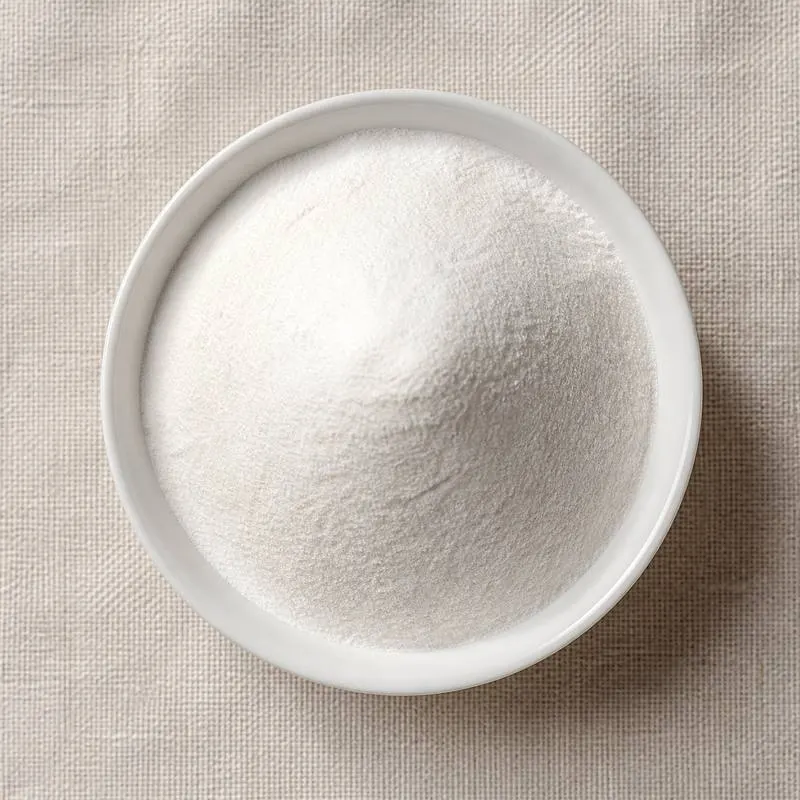
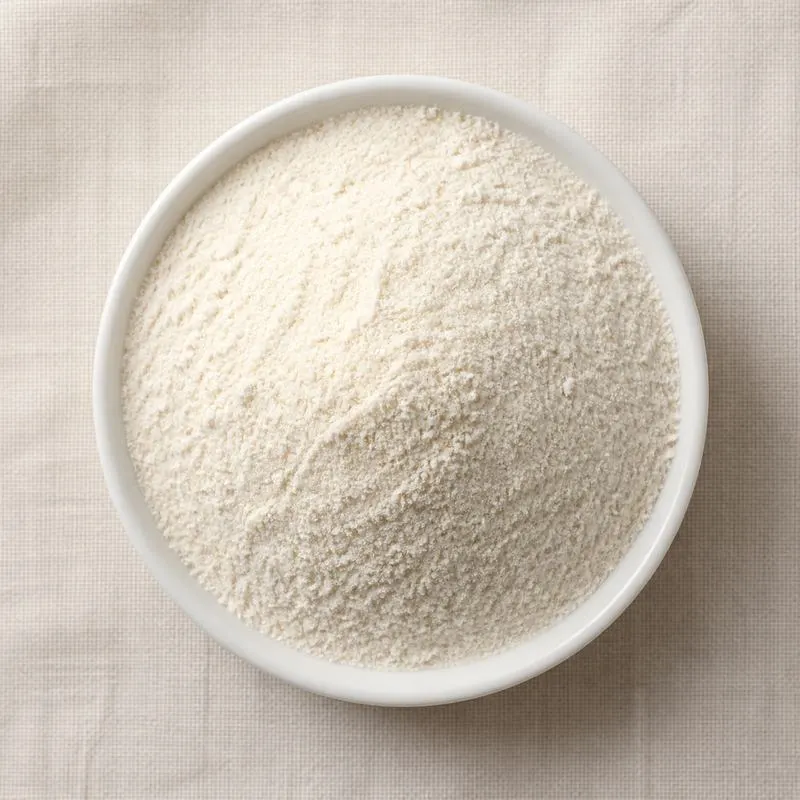
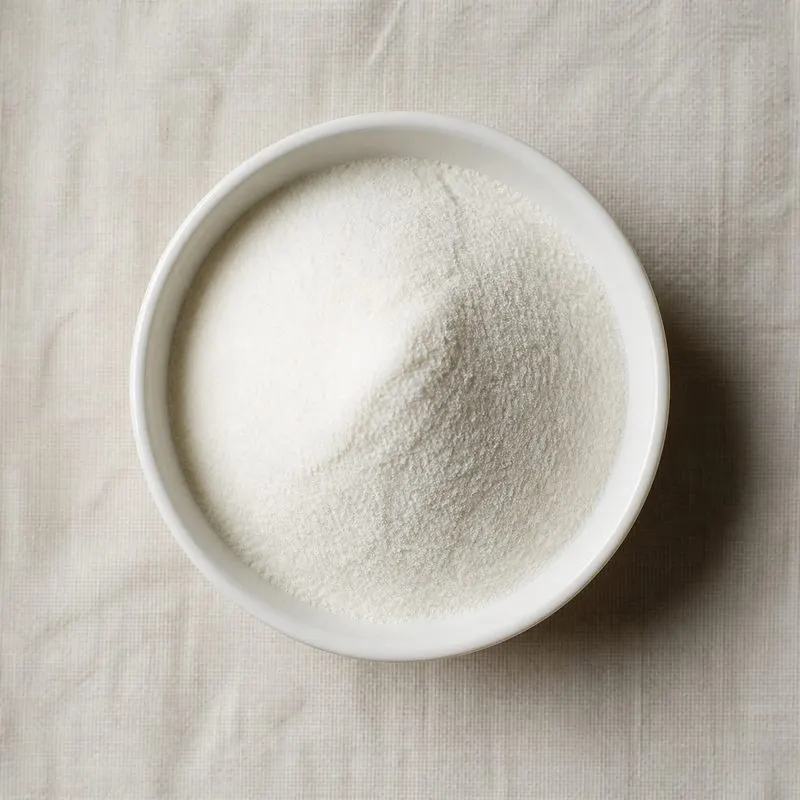
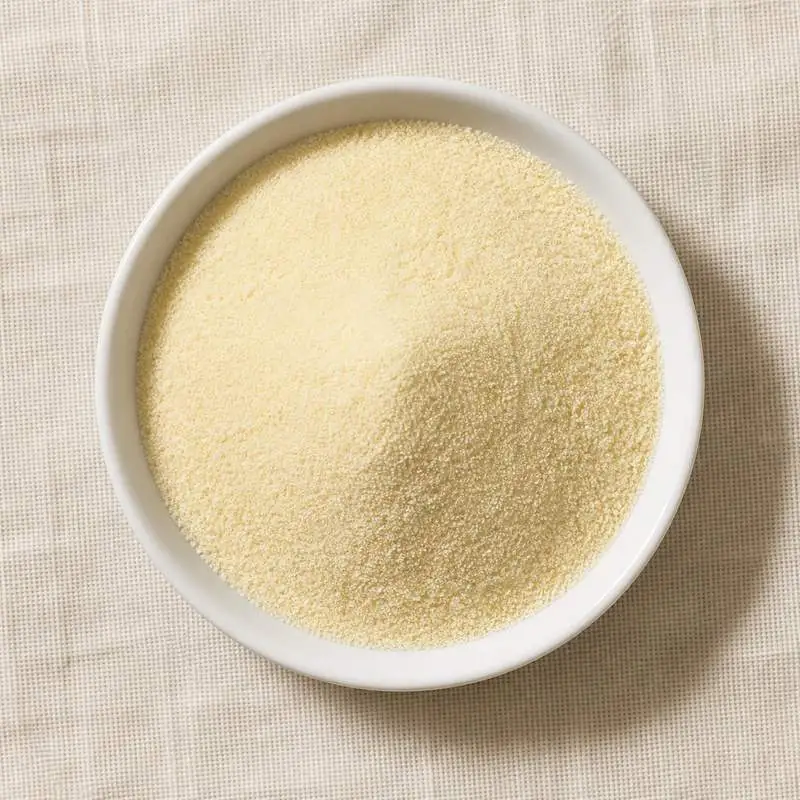
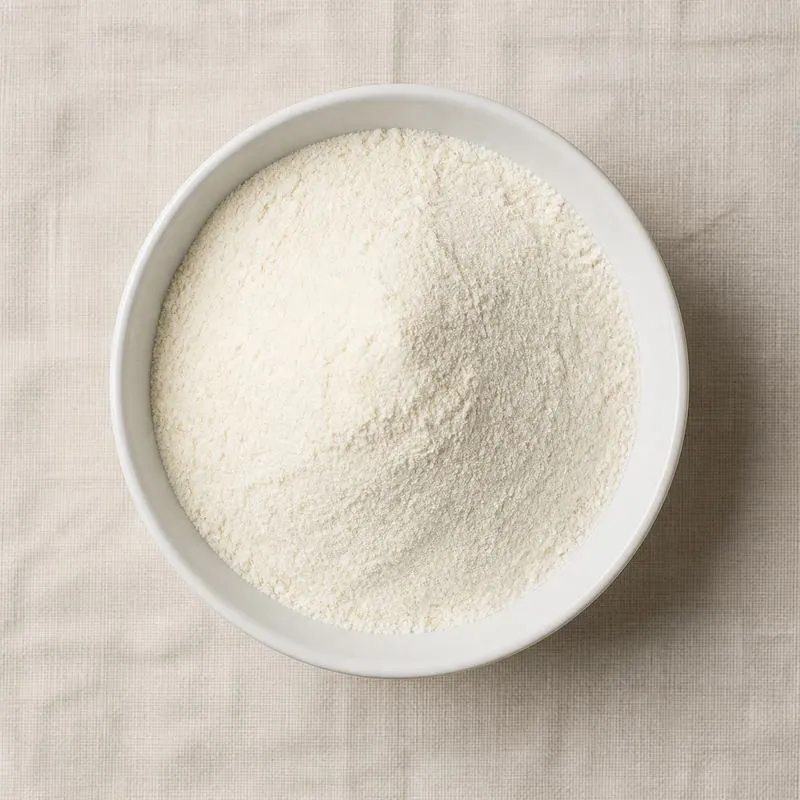
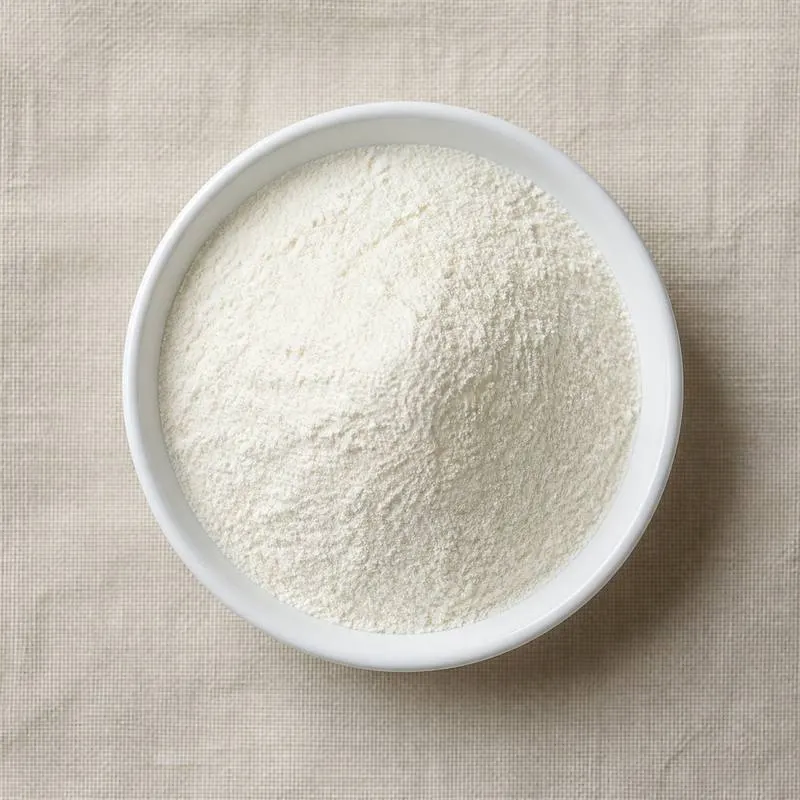
The finished ingredient is a white to pale yellow spray dried powder with a faint characteristic odour, dissolving readily in water and holding through pasteurisation without gelling. Most of the peptides fall below 1000 daltons, and the powder is sold principally into skin positioned supplements and into cosmetics, where the same hydrolysate is used as a film forming and moisture binding agent.
We source bulk Elastin Peptide from top China manufacturers for our partners. The manufacturer is in Beijing. A smaller requirement can ship in a combined container with other ingredients.
Please send the grade you need, the volume and your destination port, and we will come back with a solution and a price.
or call +86-21-6858 0751
- Function
- Protein
Specifications
| Item | Specification |
|---|---|
| Appearance | White to pale yellow free flowing powder |
| Odour and Taste | Faint characteristic odour, slightly bitter taste |
| Source of Origin | Declared, fish bulbus arteriosus or bovine ligament |
| Protein (dry basis, N x 6.25) | Not less than 85.0 percent |
| Desmosine and Isodesmosine | Not less than 0.3 percent of protein |
| Peptides below 1000 Daltons | Not less than 80.0 percent |
| Loss on Drying | Not more than 7.0 percent |
| Ash | Not more than 6.0 percent |
| Fat | Not more than 1.0 percent |
| pH (1 percent solution) | 5.5 to 7.5 |
| Solubility in Water | Not less than 98.0 percent |
| Lead | Not more than 0.5 mg/kg |
| Arsenic (inorganic) | Not more than 0.5 mg/kg |
| Mercury | Not more than 0.5 mg/kg |
| Total Plate Count | Not more than 10000 cfu/g |
| Yeast and Mould | Not more than 100 cfu/g |
| E. coli | Negative in 1 g |
| Salmonella | Negative in 25 g |
Common Markets Grades
The main grade distinction is raw material, and it decides both price and market. Fish derived elastin peptide is the volume item, acceptable in markets that avoid bovine and porcine material, and it is what most Japanese and Chinese supplement formulations use. Bovine ligament derived material is traded separately and carries the sourcing documentation applying to ruminant tissue. Porcine aorta material is a smaller item restricted by religious considerations.
Beyond source, grades separate on purity and on marker content. Peptide content runs from around 80 percent on a dry basis for standard material to 90 percent for membrane purified and desalted grades. Desmosine and isodesmosine content is declared, and a specification without it gives a buyer no way to confirm elastin identity. Molecular weight distribution is stated in the same terms as for collagen peptide, with most grades declaring the majority of peptides below 1000 daltons. Cosmetic grades come as liquid concentrates with a preservative system as well as in powder form, and are specified on solids content rather than on protein.
Applications
- Skin positioned supplements, sold alongside or blended with collagen peptide
- Beauty drinks and jelly formats in the Japanese and Chinese markets
- Capsule and tablet supplement blends aimed at skin elasticity positioning
- Joint and connective tissue supplements, where elastin accompanies collagen and glucosamine
- Cosmetic serums, creams and lotions, as a film forming and moisture binding protein
- Hair care products, where hydrolysed protein deposits on the hair shaft
- Functional beverages, where the peptide dissolves clear and holds at low pH
- Cardiovascular positioned supplements in the Japanese market, based on the vascular origin of the raw material
Brands Using Elastin Peptide
Widely-distributed consumer products that list Elastin Peptide on the ingredient label.
Brand names, product names and logos are the property of their owners. They appear here as published evidence that the ingredient is used, taken from the brand's own label or website. Their appearance is not an endorsement, and it does not mean the brand buys from us or from any manufacturer listed on this site.
China Manufacturers of Elastin Peptide
Top Elastin Peptide manufacturers in China.

Company names and logos are the property of the manufacturers themselves. They are listed here because our own directory records them as producing this ingredient. A listing is not an endorsement by them, and we do not represent them or speak on their behalf.
Regulatory Status
In the United States hydrolysates of edible fish tissue are handled as conventional food ingredients on safety that the manufacturer establishes, and elastin peptide products are sold under the dietary supplement framework. Fish is a major food allergen under federal law, so fish derived material must declare the source regardless of the degree of hydrolysis. Bovine derived material is subject to the specified risk material controls and to sourcing restrictions by transmissible spongiform encephalopathy status. Cosmetic use of hydrolysed elastin falls under the cosmetic labelling rules, which require the ingredient to be named by its international nomenclature name.
In the European Union a concentrated elastin hydrolysate has no established history of consumption as a food in the Union and would in practice require novel food authorisation before being placed on the market as a food or supplement ingredient, whatever its status in Japan or China. Fish is a listed allergen under the food information regulation. Cosmetic use is governed by the cosmetic products regulation, under which hydrolysed elastin is an established ingredient, though preparations derived from ruminant tissue are restricted by the rules on animal origin materials in cosmetics. The substance is not a food additive and holds no E number, and Codex has published no specification for it.
Manufacturing Process
The raw material, most often bonito or tuna bulbus arteriosus recovered from fish processing, is washed, trimmed of adhering muscle and fat, and minced. It is then purified, because elastin never occurs alone and the tissue also contains collagen, muscle protein and lipid. Purification relies on the exceptional chemical resistance of elastin: the minced tissue is treated with hot alkali or with dilute acid, or digested with a protease that attacks collagen and muscle protein but leaves crosslinked elastin intact, and the insoluble elastin residue is recovered by filtration and washed repeatedly. Defatting with a food grade solvent is applied where the lipid content is high.
The purified insoluble elastin is then hydrolysed, and this step needs harsher conditions than collagen requires. Elastase, or a broad specificity alkaline protease used at elevated temperature over a long reaction, cleaves the chains between the crosslinks and brings the protein into solution as soluble peptides. The enzyme is inactivated by heating, and the hydrolysate is centrifuged and filtered to remove undigested residue. Ultrafiltration controls the molecular weight and holds back unhydrolysed material, nanofiltration concentrates and desalts the permeate, and activated carbon treatment removes colour and odour. The purified concentrate is evaporated under vacuum and spray dried, sieved and packed with a moisture barrier.