Emulsified Oil
Emulsified oil is the trade term for a vegetable oil that has been compounded with food emulsifiers so that it can be dispersed in an aqueous system or spread as a stable film, rather than behaving as a plain hydrophobic oil. Two formats are sold under the name: an anhydrous blend in which emulsifiers are dissolved in the oil phase, and a ready made oil in water emulsion at 20 to 60 percent oil stabilised with emulsifier and often a hydrocolloid.
The emulsifiers used are the ordinary food set, mono and diglycerides of fatty acids, polysorbates, sorbitan esters, lecithin and polyglycerol esters, chosen for the balance of oil and water affinity the application needs. In an anhydrous blend they let the oil wet a metal surface evenly or disperse into a dough without pooling; in an emulsion they hold the droplets against creaming and coalescence so the product can be pumped, sprayed or dosed as a single liquid.
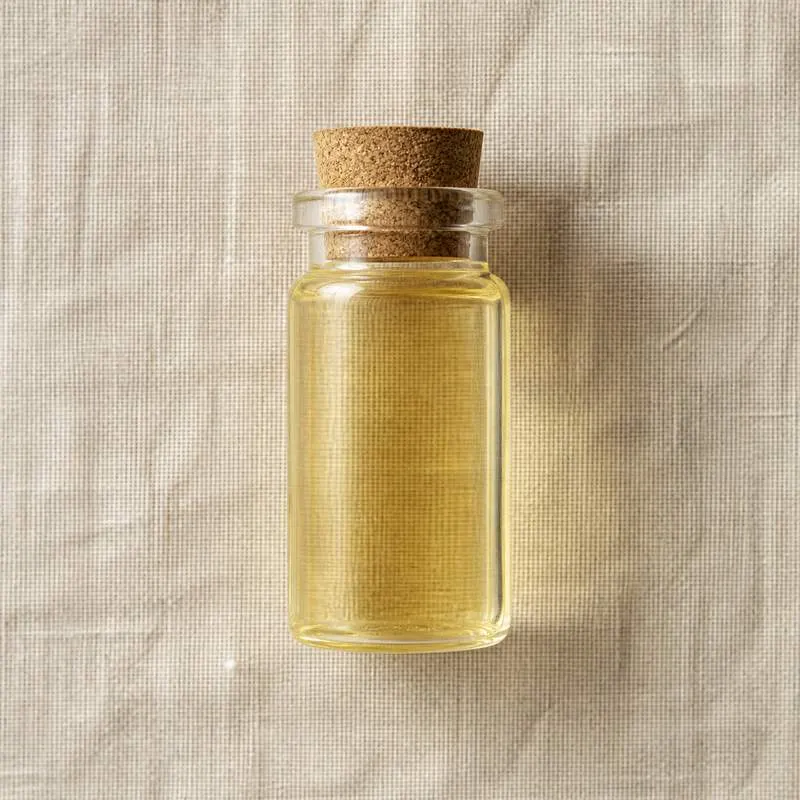
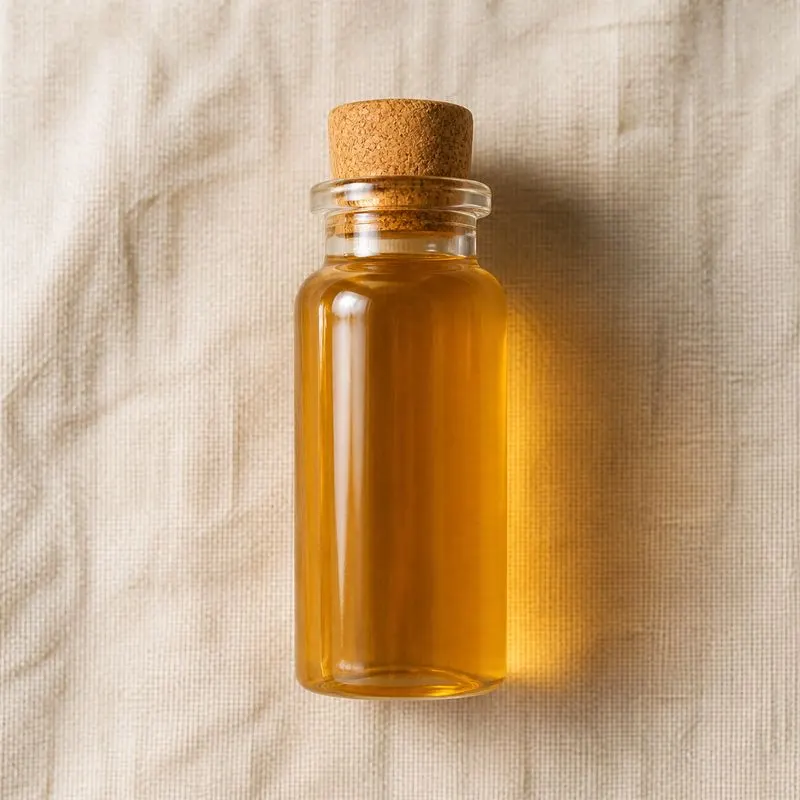
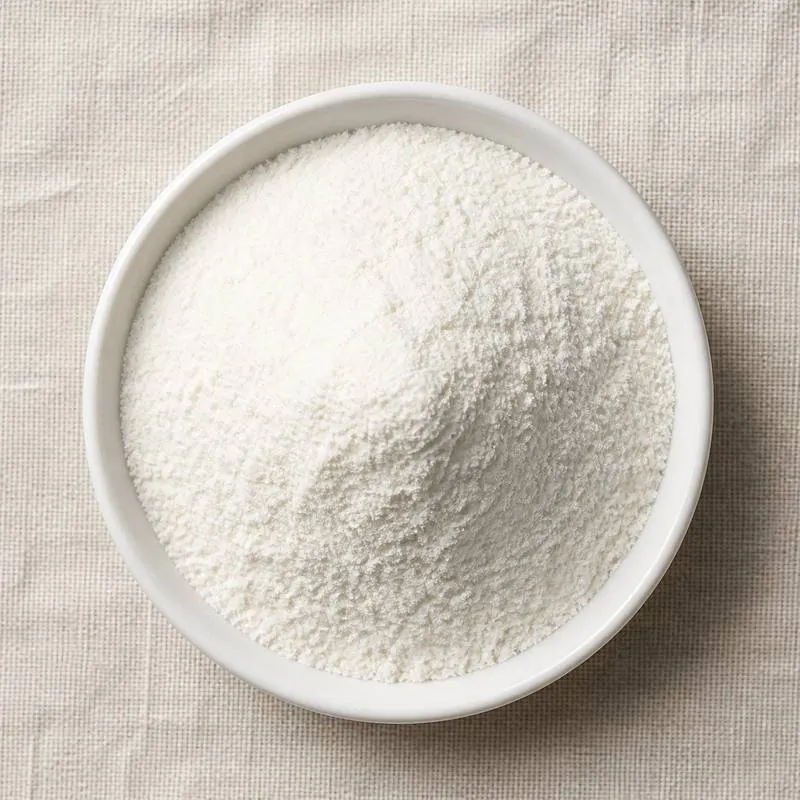
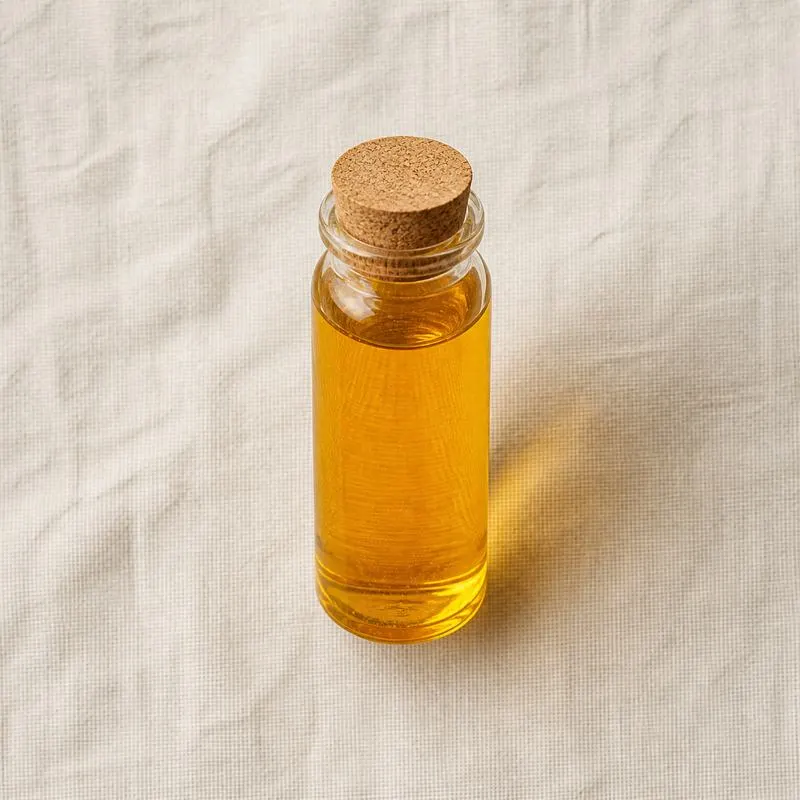
Anhydrous grades are clear to slightly hazy oils that stay pourable at ambient temperature, while emulsion grades are white to cream liquids of milk like viscosity that must be protected against freezing and against microbial growth in the water phase. Both are dosed volumetrically, and both are formulated so that the emulsifier stays in solution or suspension across the storage temperature range rather than crystallising out.
We source bulk Emulsified Oil from top China manufacturers for our partners. The manufacturer is in Henan. A smaller requirement can ship in a combined container with other ingredients.
Please send the grade you need, the volume and your destination port, and we will come back with a solution and a price.
or call +86-21-6858 0751
- Function
- Emulsifier
Specifications
| Item | Specification |
|---|---|
| Appearance | Clear oil for anhydrous grades, white to cream liquid for emulsion grades |
| Odour and taste | Bland, free from rancid notes |
| Oil content | Declared per grade, ± 2.0% of nominal |
| Total emulsifier content | Declared per grade, ± 1.0% of nominal |
| Moisture, anhydrous grades | ≤ 0.2% |
| Acid value | ≤ 1.0 mg KOH/g |
| Peroxide value | ≤ 5.0 meq/kg |
| pH, emulsion grades | 4.0 to 7.0 |
| Viscosity at 25 °C | Declared per grade |
| Lead | ≤ 0.1 mg/kg |
| Total plate count, emulsion grades | ≤ 1000 cfu/g |
| Yeast and mould, emulsion grades | ≤ 50 cfu/g |
| Salmonella | Absent in 25 g |
Common Markets Grades
Grades follow the application rather than a chemical assay. Release grades for baking tins, moulds and conveyor belts are anhydrous, built on a refined neutral oil with a lecithin or monoglyceride package and sometimes a wax or a silicone free anti stick additive. Dough and batter grades carry a higher emulsifier load and are formulated to disperse into a wet mix. Aqueous emulsion grades are used for spray application where the oil load per unit area has to be low, and for beverage and dairy systems where the oil must be delivered pre emulsified.
The oil base is specified separately: refined rapeseed, sunflower, soybean, palm olein or medium chain triglyceride, each giving a different pour point, oxidative stability and flavour. Antioxidant addition, allergen status, kosher and halal certification, organic status and whether the emulsion is preserved are all part of the grade description.
Applications
- Baking tin, mould and tray release, giving clean release without carbonised residue build up
- Dough divider and conveyor lubrication in bread plants
- Cake and sponge batters, dosed as a pre emulsified fat that disperses without a creaming step
- Confectionery and gummy moulds, applied as a thin anti stick film
- Meat and convenience food processing, sprayed onto belts and formers to prevent product sticking
- Beverage and dairy systems, where the emulsion grades deliver an oil phase already at the target droplet size
- Extrusion and snack production, sprayed as a carrier for seasoning and to control dust
- Frying and griddle application, where an emulsified film spreads evenly over a hot plate
China Manufacturers of Emulsified Oil
Top Emulsified Oil manufacturers in China.

Company names and logos are the property of the manufacturers themselves. They are listed here because our own directory records them as producing this ingredient. A listing is not an endorsement by them, and we do not represent them or speak on their behalf.
Regulatory Status
Emulsified oil is a compounded preparation with no additive number of its own. The base oil is a food fat regulated as a food rather than an additive, and each emulsifier must be permitted for the food category in which the blend is used and declared on the finished product label. Where the material is used only as a processing aid, for example as a tin release agent, national rules on processing aids and carry over govern whether declaration is required.
In the United States mono and diglycerides are generally recognised as safe under 21 CFR 184.1505 and lecithin under 21 CFR 184.1400, while polysorbates and sorbitan esters are food additives listed in part 172 with specific conditions of use, and release agents applied to bakeware fall under the release agent and processing aid provisions. In the European Union the emulsifiers are authorised additives with their own E numbers, mono and diglycerides of fatty acids as E471, lecithins as E322, polysorbate 60 as E435 and sorbitan monostearate as E491, with permitted categories and levels set in the additive annexes and purity criteria in the specifications regulation. JECFA maintains specifications for the same emulsifiers and they appear in the Codex General Standard for Food Additives.
Manufacturing Process
Anhydrous grades are made by dissolution. The refined, bleached and deodorised base oil is warmed in a jacketed vessel to 50 to 70 degrees Celsius, the emulsifiers and any antioxidant are added under agitation until fully dissolved, and the blend is cooled slowly with continued stirring so that nothing crystallises out on the vessel wall. The finished oil is polish filtered and filled, and is released on acid value, peroxide value, appearance and a cold storage clarity test.
Emulsion grades are made by high shear emulsification. The oil phase, carrying the oil soluble emulsifiers, and the water phase, carrying the water soluble emulsifiers, any hydrocolloid and the preservative, are prepared separately at around 65 degrees Celsius. The oil is added to the water under high shear to form a coarse emulsion, which is then passed through a homogeniser at pressure to reduce the droplet size to a stable range, and the emulsion is pasteurised and cooled rapidly. Release testing covers droplet size, viscosity, pH and microbiological quality alongside the oil parameters.