Mono and Diglycerides
Mono and diglycerides, correctly written mono and diglycerides of fatty acids, are partial esters of glycerol in which one or two of the three hydroxyl groups carry a fatty acid and the remainder stay free. They are never a single compound: commercial material is a mixture of monoesters, diesters, a little triester and small quantities of free glycerol and free fatty acid, and the fatty acids themselves are the commercial cut of the parent fat rather than one pure chain. The family carries the European food additive number E471.
The free hydroxyl groups are what make the molecules useful. They give an otherwise fat like molecule a polar end, so it positions itself at the boundary between oil and water, between fat and air, or between fat and a starch granule. From that position the monoester fraction emulsifies, stabilises foams, modifies fat crystal habit and forms an inclusion complex with amylose that slows the staling of bread, while the diester fraction contributes mainly as a crystal modifier and a fat.
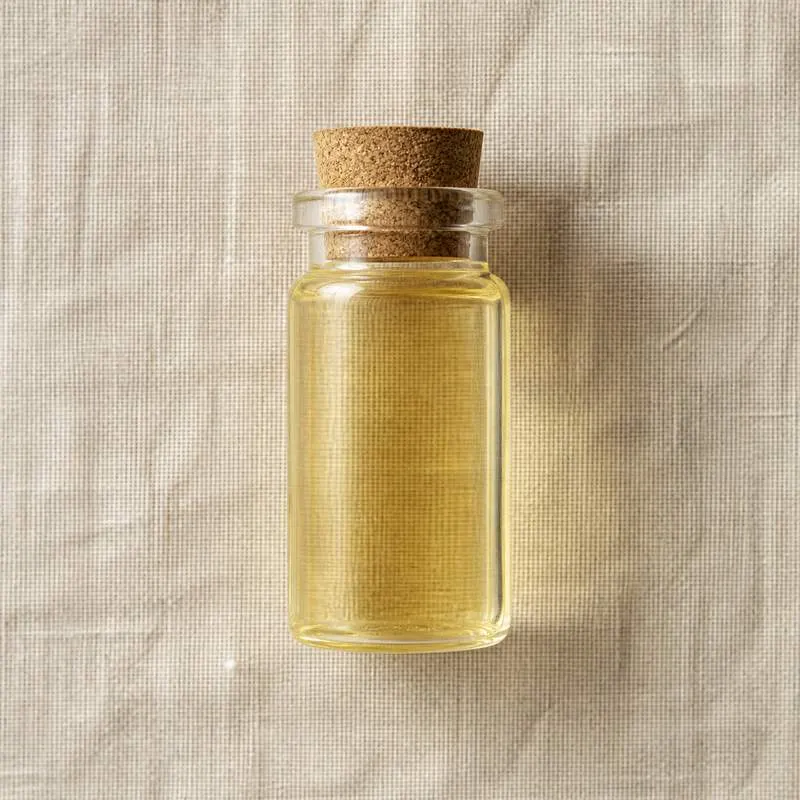
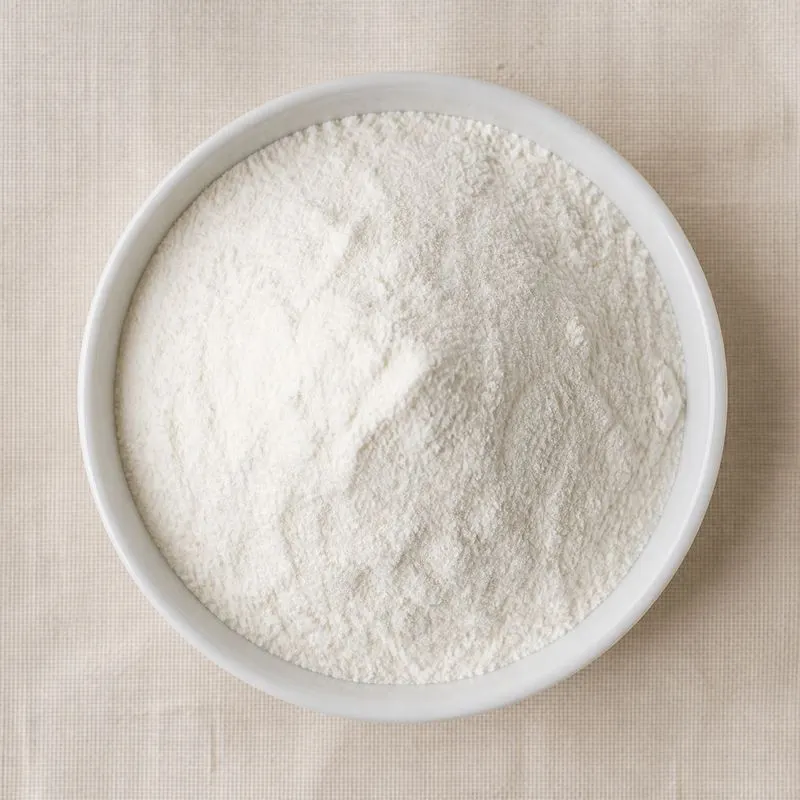
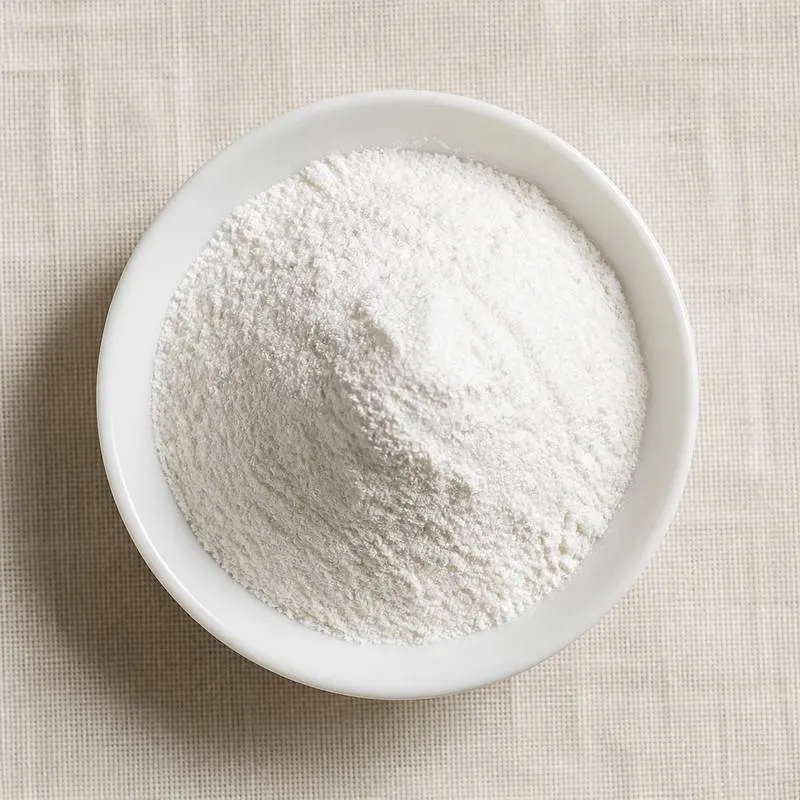
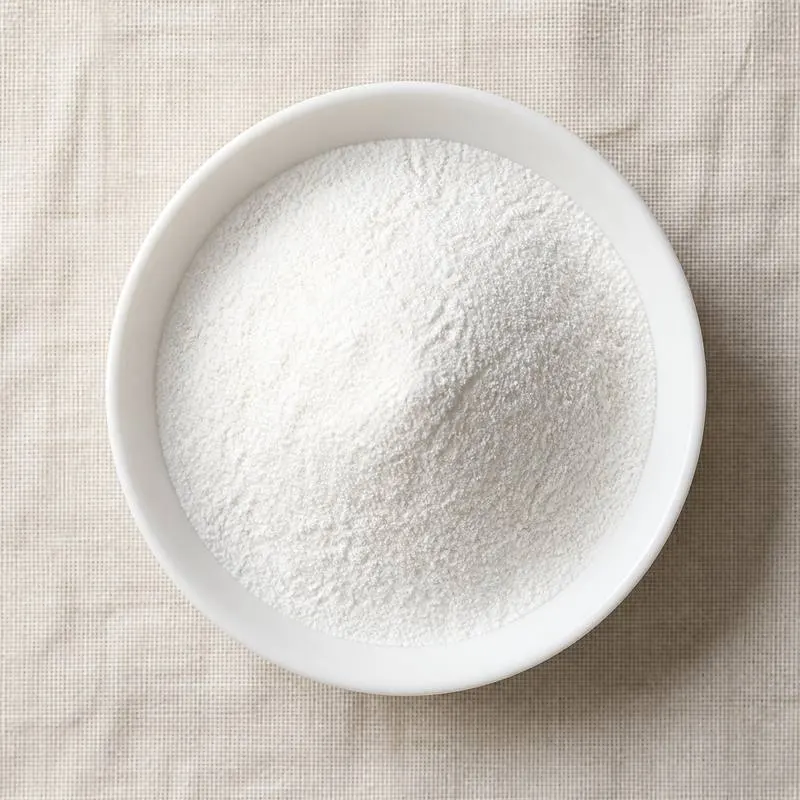
Physical form follows the fatty acid. Grades built on hydrogenated palm or soybean fat are white waxy solids sold as flake, bead, powder or pastille and melt between about 55 and 70 degrees Celsius; grades built on unsaturated oils are soft pastes or viscous liquids. All are insoluble in cold water and are introduced by melting into a fat phase, dispersing hot under shear, or using a pre hydrated form.
We source bulk Mono and Diglycerides from top China manufacturers for our partners. The manufacturer is in Jiangsu. A smaller requirement can ship in a combined container with other ingredients.
Please send the grade you need, the volume and your destination port, and we will come back with a solution and a price.
or call +86-21-6858 0751
- Function
- Emulsifier
Specifications
| Item | Specification |
|---|---|
| Appearance | White to cream waxy solid or soft paste according to fatty acid source |
| Odour | Bland and fatty, free from rancid notes |
| Identification | Glyceride profile conforms by gas chromatography |
| Monoglyceride content | ≥ 40.0% for glycerolysis grades, ≥ 90.0% for distilled grades |
| Free glycerol | ≤ 1.5% |
| Free fatty acid, as oleic | ≤ 2.5% |
| Acid value | ≤ 4.0 mg KOH/g |
| Saponification value | 150 to 180 mg KOH/g |
| Melting point | 55 to 70 °C for hydrogenated grades |
| Loss on drying | ≤ 1.0% |
| Sulphated ash | ≤ 0.5% |
| Lead | ≤ 2 mg/kg |
| Arsenic | ≤ 3 mg/kg |
| Total plate count | ≤ 1000 cfu/g |
Common Markets Grades
The first grade distinction is monoester content. Undistilled glycerolysis grades run from about 40 to 60 percent monoester and are the volume products, while molecularly distilled grades at 90 percent and above are used where the crystal and starch complexing functions have to be delivered at low dosage. The second is iodine value, which separates fully hydrogenated saturated grades from partially hardened and unsaturated grades and effectively sets hardness, melting point and oxidative stability.
Physical formats include flake, bead, powder, pastille, plasticised block, hydrated paste at 20 to 30 percent active, and self emulsifying grades that disperse in warm water without a melting step. Beyond those, grades are specified by fatty acid source, hydrogenated palm, soybean, sunflower, coconut or palm kernel, which determines both function and the kosher, halal, vegetable origin, non genetically modified and sustainability documentation that accompanies the material. Pharmaceutical and cosmetic grades follow their own pharmacopoeial monographs.
Applications
- Bread, buns and steamed bread, where amylose complexing slows crumb firming through shelf life
- Cakes, batters and cake gels, stabilising whipped air cells and giving an even crumb
- Margarine, spreads and shortening, controlling fat crystal size and plasticity
- Ice cream and frozen desserts, driving the partial fat coalescence that gives shape retention
- Non dairy creamers and whipped toppings, holding the fat emulsion through spray drying and reconstitution
- Chocolate and compound coatings, adjusting viscosity and limiting bloom
- Peanut butter and nut spreads, preventing oil separation
- Instant noodles, pasta and dehydrated potato, reducing stickiness and cooking loss
- Chewing gum base, acting as a softener and processing aid
- Pharmaceutical and cosmetic formulations, as lipid carriers, emollients and tablet lubricants
Brands Using Mono and Diglycerides
Widely-distributed consumer products that list Mono and Diglycerides on the ingredient label.
- HostessTwinkies ↗The ingredient list for the cream-filled sponge cake names Mono And Diglycerides in the 2 percent or less section alongside polysorbate 60 and sodium stearoyl lactylate.Label verified 2026-08-31
- HostessDing Dongs ↗Mono And Diglycerides appear in the ingredient list of these chocolate-coated cream-filled cakes among the emulsifiers used at 2 percent or less.Label verified 2026-08-31
Brand names, product names and logos are the property of their owners. They appear here as published evidence that the ingredient is used, taken from the brand's own label or website. Their appearance is not an endorsement, and it does not mean the brand buys from us or from any manufacturer listed on this site.
China Manufacturers of Mono and Diglycerides
Top Mono and Diglycerides manufacturers in China.

Company names and logos are the property of the manufacturers themselves. They are listed here because our own directory records them as producing this ingredient. A listing is not an endorsement by them, and we do not represent them or speak on their behalf.
Regulatory Status
In the United States the Food and Drug Administration affirms mono and diglycerides as generally recognised as safe at 21 CFR 184.1505 and permits their use as emulsifiers in food under good manufacturing practice. Food grade material is normally made against the Food Chemicals Codex monograph for mono and diglycerides, which fixes monoester assay, free glycerol, acid value and residue on ignition, and pharmaceutical grades follow the applicable pharmacopoeial monograph.
In the European Union the family is authorised as food additive E471 under the food additives regulation and is permitted at quantum satis in the great majority of food categories, with purity criteria including limits on free glycerol, acid value, sulphated ash and heavy metals set out in the additive specifications regulation. The derived esters are listed separately, the acetic acid esters as E472a, lactic acid esters as E472b, citric acid esters as E472c and diacetyl tartaric acid esters as E472e. JECFA maintains a specification monograph for mono and diglycerides of fatty acids and the substance appears in the Codex General Standard for Food Additives under the emulsifier, stabiliser and anti foaming functions.
Manufacturing Process
Industrial production is by glycerolysis. A refined fat or oil is charged with glycerol into a stirred, nitrogen blanketed reactor and heated to 200 to 250 degrees Celsius with an alkaline catalyst, and under those conditions fatty acids redistribute across the available glycerol until the mixture approaches equilibrium. The ratio of glycerol to fat charged is what sets the monoester content, so the same plant produces 40, 52 or 60 percent grades by varying that ratio. Direct esterification of glycerol with distilled fatty acids, and an enzymatic route over an immobilised lipase running below 70 degrees Celsius, are both used as alternatives; the enzymatic route gives a paler product with fewer side reactions.
After the reaction the batch is cooled, the catalyst neutralised with phosphoric or citric acid, and excess glycerol separated and recovered under vacuum. Undistilled grades are then deodorised, given their physical form by chill roll flaking, spray cooling or pastillation, milled and screened. High assay grades instead pass through short path molecular distillation, in which the monoester is evaporated preferentially from a heated thin film under high vacuum and condensed a short distance away with a residence time of seconds, before being solidified and milled in the same way. All grades are packed under low humidity, since the material cakes and hydrolyses slowly in damp air.